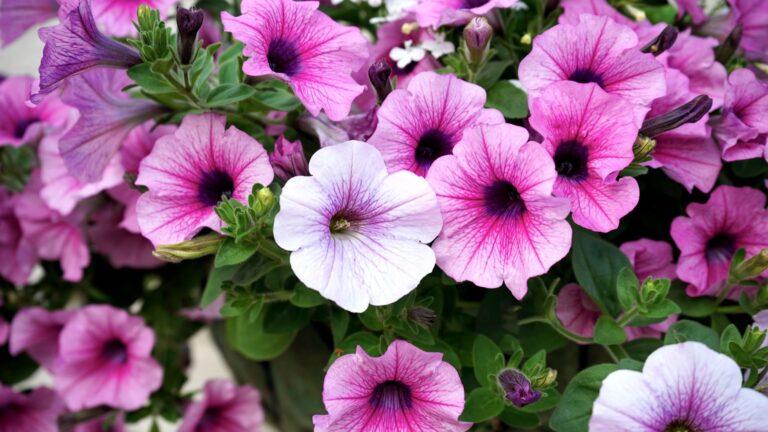
Blue blooms bring a calm, steady note to a border, a shade corner, or a container near the porch. This roundup focuses on seeds and shrubs that suit different yard sizes, care levels, and planting goals, so you can match the plant to the space instead of guessing. Some options lean toward pollinator use, while others fit ground cover, vertical structure, or a more informal cottage look. You’ll also see where the trade-offs show up, since not every blue plant fits the same soil, light, or patience level.
Quick Look At The Shortlist
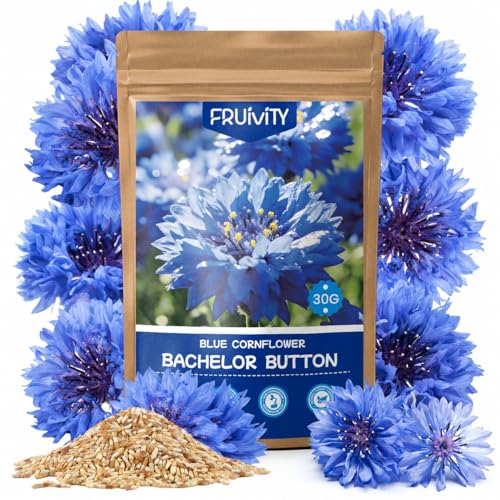
Fruivity Cornflower Seeds Blue Bachelor Button Seeds

Proven Winner Blue Chiffon Rose of Sharon Shrub

ZEshops Blue Pink Purple Hydrangea Seeds

Marde Ross & Company Forget Me Not Seeds 500 Flower Seeds

Generic Mix Color Hosta Seeds for Planting
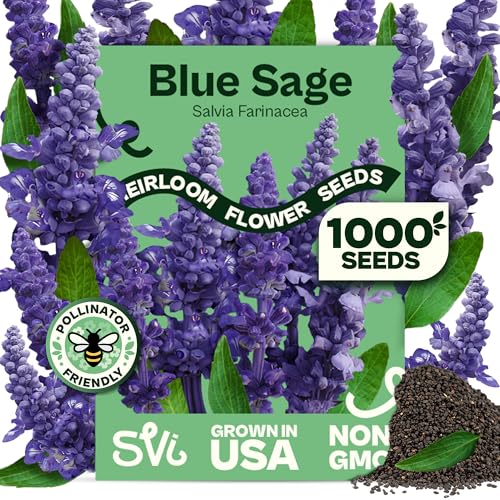
SVI Blue Sage Seeds for Planting (Salvia farinacea)

Outsidepride Blue Flax Seeds 5000 Pcs


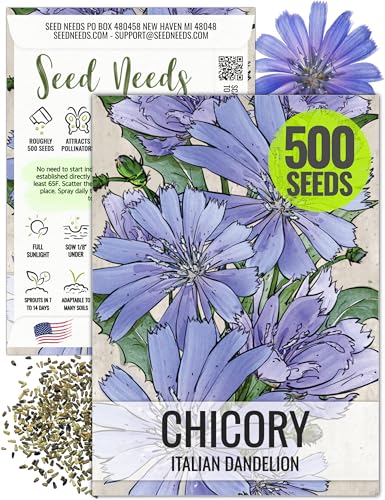
Seed Needs Chicory Seeds Italian Dandelion Blue Flowers
More Details On Our Top Picks
Cornflowers make sense for a yard that needs quick color without asking for a fussy setup. The large seed count gives you room to fill a border, patch a gap, or scatter color through a pollinator bed, and that scale matters more than it first appears. You may find the simple seed format better than a single specimen plant, since it lets you work with drifts instead of one focal point.
The trade-off is patience, because seed-grown flowers rarely feel as immediate as a nursery shrub or a potted perennial. Still, Fruivity fits the gardener who wants a broad planting canvas and doesn’t mind a more hands-on start. Compared with Proven Winner Blue Chiffon Rose of Sharon Shrub, this pick is the looser, more economical route for filling space.
Strong Points
- Large seed count suits broad plantings and repeated sowing.
- Blue bachelor button color works well in mixed cottage borders.
- Pollinator-friendly positioning makes it a smart fit for bee-leaning beds.
- Easy to split across several corners of the yard.
Points To Note
- Seed-grown results take longer than buying an established plant.
- Young seedlings need more watchfulness than a shrub in a pot.
- Direct sowing usually suits open ground better than tight containers.
Feature Snapshot
Who It Suits Best
You want a generous seed pack for beds, edging, or a pollinator patch with a loose, natural look.
A Better Fit Elsewhere
Proven Winner Blue Chiffon Rose of Sharon Shrub suits you better for a taller, established focal plant with a stronger architectural feel.
Compared with the seed-based picks, this shrub gives your planting scheme instant structure and a much taller presence. Its mature spread and height create a real backdrop for lower flowers, and that matters in a front yard or along a fence line. In most suburban beds, that scale works like a visual anchor without needing a row of matching plants.
The deciduous habit means it drops foliage in winter and pushes fresh growth in spring, so you get a seasonal cycle rather than year-round leaf cover. The honest read is that this fits a gardener who wants a strong shrub profile and has space to let it reach size. Blue Chiffon Rose of Sharon is a different kind of commitment than Fruivity cornflower seed, but the payoff is far more presence.
What We Like
- Tall mature size gives you a clear landscape anchor.
- USDA zones 5 to 9 cover a broad range of yards.
- Deciduous growth keeps the seasonal rhythm natural and predictable.
- Well suited to hedge lines, boundary planting, or a mixed border.
Worth Noting
- The mature footprint asks for room, especially in narrow beds.
- Winter leaf drop means the plant looks sparse for part of the year.
- Container use is a tighter fit than in-ground planting.
Core Details
Who Will Love This
You want a tall flowering shrub for a larger yard, hedge line, or foundation bed with room to breathe.
Where A Sibling Pick Shines
Fruivity Cornflower Seeds Blue Bachelor Button Seeds suit you better for a lighter, budget-friendlier planting project with less space pressure.
This pack leans more decorative than the first two picks, since the appeal comes from a mixed blue, pink, and purple palette. That blend suits a border where you want a softer transition between plants instead of one hard color block. For a mixed bed, the color range can feel like a ribbon threaded through the garden.
The practical catch is that seed packs with a mix like this ask for more patience and more tolerance for variation in the finished look. That makes it better for gardeners who enjoy the process and don’t need every plant to look identical. Against the Cornflower Seeds and the Rose of Sharon Shrub, this choice is more about layered color than structure or mass coverage.
Highlights
- Mixed tones create a softer, more layered display.
- Thirty seeds keep the pack manageable for smaller projects.
- Useful for gardeners who like a varied color story.
Small Caveats
- Seed-grown plants can vary more than a nursery shrub.
- Color balance may feel less uniform than a single-shade planting.
- Planning around sowing and early care takes extra attention.
Details At A Glance
Built With In Mind
You want a decorative seed pack for a garden space that looks better with color variation than with strict uniformity.
Another Choice May Suit
Park Seed Blue Queen Salvia Seeds suit you better for a cleaner blue tone and more defined vertical lines.
Forget-me-not style planting works best as a soft carpet around taller flowers, and that role is exactly why this pack belongs here. The count gives you enough seed to thread color through bulb beds, especially around tulips and other spring bloomers. In a busy border, that kind of filler can keep the layout from feeling patchy.
The downside is that ground-cover plants are more about patience and spacing than instant height, so you need to think in layers. Marde Ross & Company fits gardeners who want a supporting plant, not a showpiece. Compared with the taller Blue Chiffon shrub, this is the quieter helper that ties a bed together.
Bright Spots
- Five hundred seeds give you broad coverage potential.
- Works well around tulips and other bulb plantings.
- Good for soft edges where a low layer helps hide gaps.
Areas To Watch
- Ground cover roles depend on spacing and garden patience.
- Low-growing plants can disappear behind taller neighbors.
- Cleaning up dense edging usually takes a little more upkeep.
Feature Card
Right Fit For
You want a low, spreading planting layer that can sit under bulbs and soften the edge of a bed.
Swap It Out When
Fruivity Cornflower Seeds Blue Bachelor Button Seeds suit you better for taller color and a more open, meadow-style feel.
Hosta-style planting solves a different problem from the blue bloom picks above, because you’re trading flower drama for foliage texture in low light. The mixed blue, purple, and white hues give you more color variation than a plain green shade bed, which helps a dark corner feel less flat. For a north-facing path or a tree-shaded strip, that contrast can matter a lot.
One thing worth considering is that hosta seed projects are usually slower than buying an established clump, so patience is part of the deal. Still, the variety of leaf patterning gives you a long visual run even outside bloom season. Compared with BuggyBeds Hosta Seeds, this pack is the simpler, higher-count option for broad shade coverage.
Reasons To Buy
- Shade-tolerant planting suits difficult low-light spots.
- Mixed hues add interest where green alone feels dull.
- Large seed count supports wider coverage areas.
- Foliage texture helps carry the bed beyond bloom time.
Room For Improvement
- Seed-to-plant timelines are slower than buying a mature clump.
- Shade spaces still need enough room for airflow and access.
- Leaf pattern variation may not look identical from plant to plant.
Quick Facts
Whose Shelf It Belongs On
You want a shade-garden seed project that leans more toward foliage texture and layered color than loud bloom size.
Look Elsewhere When
Park Seed Blue Queen Salvia Seeds suit you better for a more flower-forward bed with stronger upright lines.
Blue sage brings a cleaner, more vertical garden line than the softer cornflower or forget-me-not options. The salvias farinacea label matters because it tells you this is a sage-type salvia, the kind many gardeners use for borders, meadows, and bed edges. That upright habit helps a planting read clearly from a walkway.
You may find this especially useful in a sunny pollinator garden where you want repeated blue accents without a bulky shrub form. The heirloom note also suits gardeners who prefer familiar flower-seed traditions rather than novelty mixes. Against the Rose of Sharon, this one stays lower and more flexible for massing.
Upsides
- Blue salvia shape adds clean vertical rhythm.
- Works across meadows, borders, and beds.
- Seed count supports broader sowing plans.
- Fits pollinator-friendly planting schemes with ease.
Softer Spots
- Seed plants can ask for more early-stage care.
- Upright flowers suit open sun better than dense shade.
- Grouping is usually more effective than a single seed pocket.
Technical Sheet
Best Suited To
You want a blue flowering seed that builds upright lines across a border, meadow, or sunny pollinator patch.
Consider Something Else When
Marde Ross & Company Forget Me Not Seeds suit you better for a lower, more filling ground layer around bulbs.
Blue flax is the practical spreader in this group, especially for gardeners trying to fill a meadow strip, a long border, or a broader open bed. The self-seeding trait means plants can return on their own in suitable conditions, which helps you build a looser, recurring display. That can feel a bit like letting the garden write part of its own script.
The drought-tolerant note matters most in exposed spaces where watering schedules are less predictable. Compact growth keeps the plant from wandering into everything around it, so it works better in mass plantings than a sprawling perennial would. Compared with SVI Blue Sage Seeds, Blue Flax leans more toward soft ground coverage than upright emphasis.
Best Bits
- Large seed count supports bigger area coverage.
- Self-seeding behavior helps in naturalized garden settings.
- Drought-tolerant fit suits dry, open spaces.
- Compact growth keeps mass plantings more orderly.
Trade Offs
- Self-seeding can mean less control over exact placement.
- Mass plantings need enough space to show the effect.
- Open sun and drainage usually matter for the best fit.
Core Details
The Right Fit
You want a blue flower seed that can handle open ground, naturalize a bit, and cover more area without getting bulky.
A Better Fit Elsewhere
Proven Winner Blue Chiffon Rose of Sharon Shrub suits you better for a more permanent focal plant with greater height.
This salvia brings a more compact, upright look than the broader seed mixes earlier in the list. The deep blue bloom spikes give your bed a clear vertical cue, which is useful in small borders where height helps the whole design breathe. A dwarf form also makes the plant easier to place near edges without blocking everything behind it.
Drought tolerance adds a useful bit of flexibility for sunny spots that dry out faster than average. The trade-off is that compact plants can disappear in a large, crowded bed unless you plant them in groups. Compared with SVI Blue Sage Seeds, Blue Queen feels a touch more defined and space-conscious.
Standout Traits
- Deep blue spikes create a strong line in the border.
- Dwarf habit helps in tighter garden spaces.
- Drought tolerance suits brighter, leaner spots.
- Pollinator appeal fits mixed wildlife planting plans.
Minor Gripes
- Single plants can look sparse in larger beds.
- Grouping usually gives you a better visual result.
- Sun exposure matters more than in shade-tolerant picks.
At A Glance
Who Should Grab It
You want a tidy blue accent plant for a narrow border, edge planting, or a smaller sunny garden.
Where Another Pick Fits Better
Outsidepride Blue Flax Seeds 5000 Pcs suit you better for larger drifts and a looser meadow-style spread.
This hosta seed pack aims at shaded spaces that need more texture and longer visual interest than a plain ground cover. The long-blooming promise matters most in gardens where a plant has to carry the look over a stretch of the season. Containers, borders, and pathways all benefit from that kind of steady presence.
Rare seed packs can be appealing, but they also ask you to be patient and fairly deliberate about placement. You may find them more satisfying in a container group than as a single scatter in open soil. Compared with the simpler Generic Mix Color Hosta Seeds, BuggyBeds feels more tailored to shade spaces with decorative edges.
Positives
- Good for shade beds that need more texture.
- Long-blooming use case suits extended seasonal display.
- Works across ground cover, containers, and borders.
- Fits shaded pathways that need softer edge planting.
Room For Improvement
- Seed projects in shade still require patience.
- Container placement usually looks tidier than a scatter approach.
- Decorative value depends on how evenly the space is planted.
Feature Rundown
Made For
You want a hosta seed project for shade gardens, containers, or path edges that need a softer finish.
Reach For A Different Pick When
Generic Mix Color Hosta Seeds for Planting suit you better for a simpler shade project with a larger seed count.
Chicory brings a more casual, meadow-like feel than the hosta or salvia picks, and that can be a very good thing in a loose garden plan. The Italian dandelion reference points toward a leafy, old-world character that suits naturalistic edges and informal beds. For a path margin or a wild-style strip, the look has a relaxed honesty to it.
This is less about formal structure and more about a blue accent that feels woven into the planting rather than staged. The pack format keeps it simple, which helps if you want a straightforward sowing project without a lot of moving parts. Compared with Park Seed Blue Queen Salvia Seeds, Seed Needs is the softer, less upright route.
What We Like
- Blue chicory color fits informal, meadow-style plantings.
- Simple pack format keeps the choice easy to grasp.
- Works well along borders and naturalistic edges.
- Can suit gardeners who like a looser garden feel.
Honest Caveats
- Its casual look may feel less structured than salvia.
- Naturalistic planting usually asks for some design restraint.
- Leafy growth can be more useful than dramatic height here.
Core Details
Who It Belongs On
You want a simple blue seed packet for informal edges, meadow strips, or a softer mixed garden style.
Look Elsewhere When
BuggyBeds Hosta Seeds 210+ suit you better for a more shade-focused plan with stronger ground and container use.
How To Choose The Right Blue Perennial Flowers
Start With Light And Space
Blue perennial flowers can look very different depending on sun, shade, and how much room the plant needs to breathe. A compact salvia for a narrow border behaves very differently from a shrub that can stretch eight to twelve feet tall at maturity. Match the plant’s footprint to the bed first, then let color be the finishing touch.
Open, sunny areas usually suit blue sage, blue flax, and rose of Sharon better than shade-heavy corners. Shaded paths and under-tree beds lean toward hosta-based choices, where foliage carries the design even when blooms are not the main event. That simple light check saves a lot of second-guessing later.
Decide Between Seed Projects And Established Structure
Seed packs work well for gardeners who enjoy shaping a bed over time and spreading color across a wider area. They also let you cover more ground for the same effort, which matters in meadows, borders, and pollinator patches. The trade-off is patience, because seedlings rarely give you an instant finished look.
Established shrubs and more developed plants bring height and presence much faster. They also ask for more space and a clearer long-term plan, especially around walkways and foundations. For a smaller yard, seed-driven planting usually feels easier to adjust.
Think About The Garden Job Each Plant Is Doing
Not every blue perennial flower needs to be the star of the bed. Some work best as anchors, like Blue Chiffon Rose of Sharon, while others are better as ground texture, such as forget-me-nots around bulbs. Salvia and flax sit somewhere in the middle, adding movement and repetition without taking over.
That role-first approach keeps the garden from feeling crowded or random. It also helps you combine plants that support each other in height, texture, and bloom style. The result is less about chasing one pretty flower and more about building a garden that makes sense from spring through late season.
Things Worth Knowing First
Wrong Turns To Avoid
Many shoppers focus on bloom color alone and skip the plant’s size, light needs, or growth habit. That usually leads to a beautiful flower in the wrong place, which is frustrating in a narrow bed or a shaded strip. A quick check of mature width and height avoids that mess.
Another common miss is treating all seed packs as equal. A 5,000-seed blue flax pack serves a very different purpose from a 30-seed hydrangea mix, so the count should match the scale of the project. Bigger numbers help in mass plantings, but they are not automatically better for a small garden.
The Upgrade Payoff
Higher-tier choices usually cost more because they bring a more established form, larger container size, or a stronger sense of landscape presence. A 2-gallon shrub, for example, gives you a head start that tiny seeds cannot match. You pay for time saved and for a plant that already carries more visual weight.
That extra spend makes the most sense near entrances, foundation beds, or any spot where the garden needs to look settled quickly. For loose borders, wildflower drifts, or shade fillers, simpler seed packs often make more sense. The right upgrade depends less on status and more on how fast you want the bed to feel finished.
Frequently Asked Questions
Are blue perennial flowers hard to grow from seed?
Seed-grown flowers usually ask for more patience than nursery plants. They still make sense for gardeners who enjoy building a bed over time.
Which blue perennial flowers work best in shade?
Hosta-based choices are the strongest fit for low-light spaces. They bring texture and color variation where sun-loving blooms struggle.
What blue perennial flowers help pollinators most?
Blue sage, cornflower, and salvia are all sensible choices for pollinator-minded beds. They fit well in borders, meadows, and open planting strips.
Should you choose seeds or a shrub?
Seeds suit broader, looser planting plans and usually cost less to start. A shrub fits better when you want immediate height and structure.
What matters most before planting?
Light, mature size, and space shape the outcome more than color alone. Once those line up, the blue tone becomes much easier to place well.
Closing Thoughts
Blue perennial flowers work best when you choose them for the job, not just the color. A wide seed pack can fill a meadow bed, a salvia can sharpen a border, and a shrub can carry the whole scene with height. Shade corners need a different strategy than open sun, and that’s the real trick here. Match the plant to the space, and your blue palette will feel calm, deliberate, and easy to live with.