Your bonsai stays compact, but its feeding needs are anything but tiny. The right fertiliser helps you support new growth, steady root development, and healthier foliage without turning routine care into guesswork. That matters whether your tree lives on a bright windowsill, a patio bench, or a shelf you check every morning.
This roundup keeps the focus on practical fit. You’ll see slow-release pellets, liquid feeds, and one bonsai soil option for growers who want to reset the root environment rather than add nutrients alone. The trade-off is simple: some picks are easier to dose, others are easier to maintain, and a few are better for larger collections.
Quick Shortlist For Bonsai Care
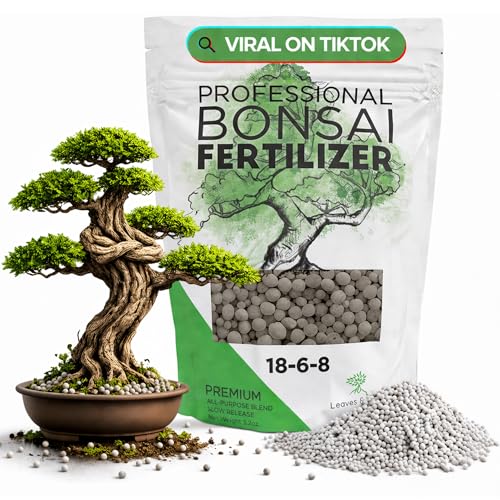
Leaves and Soul Bonsai Fertilizer Pellets 18-6-8
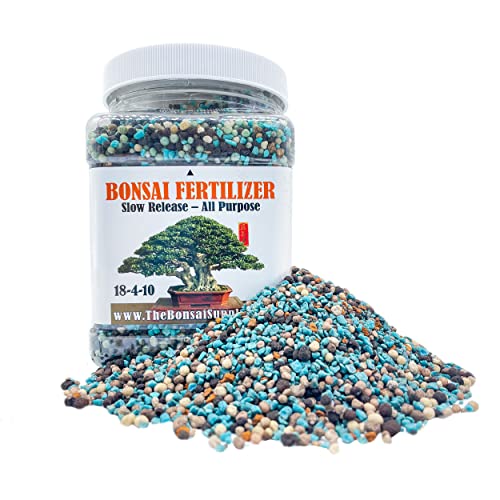
Bonsai All-Purpose Fertilizer by The Bonsai Supply 1.8 Lbs

8oz Bonsai Fertilizer Liquid Organic Bonsai Food

BioGold Bonsai Fertilizer Pellets

Bonsai Fertilizer Liquid Plant Food 8 oz

Bonsai Fertilizer Liquid Plant Food 32 oz

Bonsai Fertilizer Liquid Plant Food 1 Gallon

Uncle Bill’s Liquid Bonsai Fertilizer 8 Ounces

Bonsai Tree Food 3-3-3 NPK Liquid Fertilizer
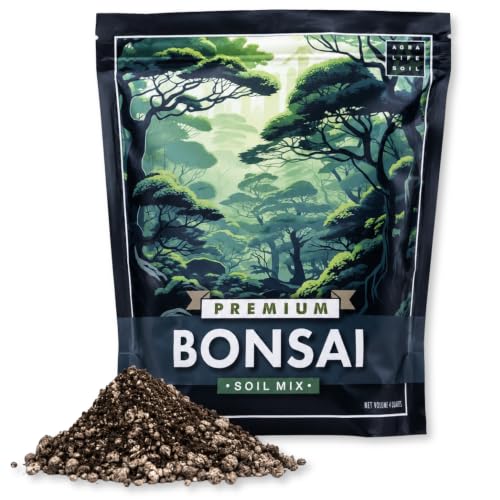
Agralife Soil for Bonsai 4 Quarts
More Details On Our Top Picks
Pellet form keeps this option friendly for growers who prefer a measured, low-drama routine. The 18-6-8 blend leans toward stronger feeding, so it suits established bonsai, seedlings, and mixed plant shelves that need one product to cover several jobs.
Compared with the liquids later in the list, this one asks less day-to-day attention once it’s in place. The resealable 5.2 oz package also makes storage simpler in a small potting area, though pellets can feel less exact than a drop-by-drop liquid.
Strong Points
- Slow-release pellets reduce how often you need to revisit feeding.
- 18-6-8 ratio gives a stronger nutrient profile for active growth.
- Works across seedlings, mature bonsai, and other tree types.
- Resealable packaging helps keep the contents tidy between uses.
- No-filler formulation should appeal to growers who want a cleaner blend.
Things To Consider
- Pellets are less precise than a liquid feed for careful dosage control.
- The stronger ratio may feel a bit much for very delicate schedules.
- Stored pellets still need a dry spot so they stay usable.
Key Specs
Who It Suits Best
You’ll like this most if you keep one or two bonsai and want a pellet feed that asks for less routine attention.
A Better Fit Elsewhere
Bonsai Tree Food 3-3-3 NPK Liquid Fertilizer suits caretakers who prefer a gentler, more even liquid routine.
This is the kind of feed you reach for when you want a straightforward all-purpose option with micro nutrients built in. Micro nutrients, meaning small amounts of trace elements plants still rely on, matter a lot in containers because bonsai roots have limited soil to draw from.
Compared with the pellet-based Leaves and Soul option, this one fits gardeners who prefer a dry blend but want a larger 1.8 lb supply on hand. It feels especially sensible for mixed collections, though the broader formula means you may still fine-tune feeding by tree type and season.
What We Like
- All-purpose format keeps the feeding routine uncomplicated.
- Micro nutrients add depth beyond basic NPK feeding.
- 1.8 lb size works well for people with several trees.
- Dry form is easy to store near tools and soil.
Worth Noting
- The larger supply takes up more shelf space than smaller packs.
- Dry fertilizer can be less convenient than a quick-mix liquid.
- Broad formulas still reward careful timing around growth cycles.
Feature Rundown
Who Should Grab It
You’re a strong match for this choice if you maintain a handful of bonsai and want one dry product to cover the group.
Where A Sibling Pick Shines
Leaves and Soul Bonsai Fertilizer Pellets 18-6-8 suits a grower who wants slower release and a smaller resealable pack.
Liquid fertilizer often makes sense for indoor bonsai because it blends into a watering routine without extra tools or pellets sitting on the soil. This 8 oz bottle leans toward gentle, regular care, which helps you keep a steadier rhythm around foliage and stem development.
Compared with the heavier dry options above, this one is easier to dose for smaller pots or tabletop trees. The trade-off is that liquid care asks for more consistency, so it suits a grower who likes repeatable routines more than set-it-and-wait feeding.
Highlights
- Liquid form mixes smoothly into normal care routines.
- Organic positioning may appeal to gardeners who prefer gentler feeding.
- Useful for indoor and outdoor bonsai setups.
- Compact bottle fits neatly beside watering cans and pruning tools.
Areas To Watch
- Smaller bottle size means you may refill or reorder more often.
- Liquid feeding works best with steady follow-through.
- Shaking and measuring add a small step to each use.
At A Glance
Built With In Mind
You’re a good fit for this bottle if your bonsai sits indoors and you want feeding to feel as simple as watering.
Another Choice May Suit
Bonsai All-Purpose Fertilizer by The Bonsai Supply 1.8 Lbs suits gardeners who want a dry blend for several trees.
BioGold stands out because the pellet shape is meant to stay put instead of rolling around the pot, which is a small detail until you manage a windy patio or shallow container. That triangular shape also makes the feed feel tidier, and the wider plant use means it can move beyond just bonsai shelves.
Compared with Leaves and Soul, this one looks less like a general pellet bag and more like a clean, placement-minded design. The honest read is that the format helps, but pellet feeding still needs a dry storage spot and a little routine attention.
Best Bits
- Triangular pellets are less likely to slide off the soil surface.
- Time-release format keeps feeding calm and spaced out.
- Useful for bonsai as well as other house plants.
- Cleaner placement can help keep the pot area neater.
Softer Spots
- Pellets still require a dry storage place.
- Shape helps with placement, but not with exact dosing.
- Dry feeds are less immediate than liquid blends.
Details At A Glance
Whose Shelf It Belongs On
You’ll appreciate this most if your bonsai sits in a breezy spot and you want pellets that stay where you place them.
Skip It When
8oz Bonsai Fertilizer Liquid Organic Bonsai Food suits a grower who wants easier measuring in a small indoor routine.
Kelp and micronutrients give this liquid a more layered profile than a plain feed, which matters for compact trees that live in limited soil volume. You get a balanced NPK base, too, so the formula feels built for steady foliage support rather than one narrow job.
Compared with Uncle Bill’s bottle later in the list, this one feels a touch more feature-dense on paper. You may find that useful in a mixed collection, though liquid care still rewards consistent measuring and a calm hand at the watering can.
Reasons To Buy
- Kelp adds another layer to the feeding profile.
- Micronutrients matter in small containers with limited soil.
- Balanced NPK keeps the formula broadly usable.
- 8 oz size works well for a modest bonsai shelf.
Room For Improvement
- Small bottle size can move quickly in a busy routine.
- Liquid mixing adds a step compared with pellets.
- The broader formula may still need seasonal judgment.
Core Details
Perfect Match For
You’re in good shape with this pick if you like liquid feeding and want a formula that goes beyond the basics.
Look Elsewhere When
Bonsai Fertilizer Liquid Plant Food 32 oz makes more sense for a larger shelf of trees and fewer refills.
This 32 oz bottle keeps the same liquid approach as the smaller TPS Nutrients version, but the larger size is the whole point. For people feeding several bonsai, or one collection that gets frequent attention, it trims down how often you need another bottle.
The trade-off is shelf space, and that matters in a cramped potting bench or apartment setup. Still, the larger format can feel easier to live with once your routine settles, especially if you dislike running out mid-season.
Plus Points
- Larger bottle supports regular feeding across several trees.
- Same liquid format keeps dosing simple.
- Kelp and micronutrients add depth to the formula.
- Good match for growers who like a single repeatable feed.
Small Caveats
- Takes more storage room than the 8 oz version.
- Liquid care still asks for regular measuring.
- The bigger bottle can be more than a casual setup needs.
Quick Facts
Right Fit
This belongs on your shelf if you keep several bonsai and want a larger bottle that stays in rotation longer.
Where Another Pick Fits Better
Bonsai Fertilizer Liquid Plant Food 8 oz suits a compact indoor setup with less storage room.
The gallon size makes sense for committed collections, especially when you’re feeding several trees on a regular schedule. Compared with the 32 oz bottle, it’s less about convenience on a tiny shelf and more about keeping a larger routine supplied without constant restocking.
That scale is useful, but it also means the bottle is harder to tuck away neatly in a small apartment or balcony kit. In most cases, this is the pick for a grower who already knows a liquid feed is the right format and just wants more of it.
Best Bits
- Gallon size suits larger bonsai collections.
- Liquid format keeps the feeding routine consistent.
- Kelp and micronutrients still anchor the formula.
- Helps reduce how often you need another bottle.
Honest Caveats
- Large container demands more storage room.
- Less practical for a single tree on a windowsill.
- Liquid measuring still takes a bit of attention.
Feature Snapshot
Who Will Love This
You’ll get the most out of this jug if you care for multiple bonsai and want a bulk liquid supply on hand.
Reach For A Different Pick When
Bonsai Fertilizer Liquid Plant Food 32 oz is easier to store for smaller collections.
Uncle Bill’s keeps the focus on a straightforward liquid bonsai routine, which suits people who want a small bottle and a simple process. The product page leans on its purpose-built approach, so it feels tailored for growers who like to keep bonsai care tight and deliberate.
Compared with TPS Nutrients, this one reads more like a specialized bottle for focused bonsai work than a feature-heavy mix. That narrow focus is nice, though you may prefer one of the larger bottles elsewhere in this list if you maintain a bigger collection.
Upsides
- Liquid format keeps feeding steps easy to manage.
- Small bottle suits compact storage spaces.
- Purpose-built bonsai positioning keeps the focus narrow.
- Handy for growers who like deliberate routine care.
Minor Gripes
- 8 oz size can disappear quickly in a busy schedule.
- Small bottle is less suited to bigger collections.
- Liquid use still calls for repeat measuring.
Spec Overview
The Right Fit
This belongs with you if you like a compact liquid bottle and want bonsai care that stays very focused.
Where A Sibling Pick Shines
Bonsai Fertilizer Liquid Plant Food 32 oz suits a larger shelf of trees and fewer refills.
A 3-3-3 NPK mix reads as even-handed, with the same number on all three nutrients, so it suits steady routine feeding rather than a pushy growth plan. For bonsai, that kind of balance can feel reassuring, especially for people who prefer consistency over aggressive formulas.
Compared with the stronger 18-6-8 pellet pack, this liquid looks calmer and easier to fold into regular maintenance. It may suit a beginner who wants less guesswork, though you still need to keep an eye on how each tree responds over the season.
Standout Traits
- Even 3-3-3 profile supports a measured feeding rhythm.
- Liquid form is easy to work into watering.
- Compact 8 oz bottle stores neatly.
- Good fit for growers who prefer stable routines.
Points To Note
- Smaller bottle means more frequent replacements.
- Liquid feeding still adds a mixing step.
- Even formulas still need season-aware use.
Technical Sheet
Built With In Mind
This fits you best if you want a balanced liquid feed and prefer a calm, repeatable bonsai routine.
Not Your Match When
Leaves and Soul Bonsai Fertilizer Pellets 18-6-8 makes more sense if you want slower release and a stronger pellet blend.
This pick changes the conversation from feeding to root space, which matters because bonsai care starts in the soil as much as in the fertilizer bottle. A fast-draining mix that still holds some moisture helps indoor trees avoid the soggy, airless conditions that roots usually dislike.
Compared with every fertilizer in the list, this one is more of a reset than a routine supplement. The trade-off is obvious, you’re choosing a repotting material rather than a feed, so it suits growers who are ready to refresh the base environment.
Reasons To Buy
- Fast drainage helps water move through the pot cleanly.
- Moisture and airflow balance supports a healthier root environment.
- 4 quart size works well for indoor repotting jobs.
- Good choice when your current mix feels tired or compacted.
Areas To Watch
- This is soil, not a fertiliser, so it fills a different job.
- Repotting takes more time than a simple feeding routine.
- Storage space matters because bags take up room.
Feature Card
Who Should Grab It
You should look at this bag if your bonsai needs new soil and you want a mix built for indoor drainage and root airflow.
A Better Fit Elsewhere
Bonsai Fertilizer Liquid Plant Food 8 oz suits someone who only needs a simple feeding product, not a repotting mix.
How To Choose The Right Bonsai Tree Fertilisers
Match The Feed To Your Routine
Pellets suit people who want slower release and less frequent handling. Liquids suit caretakers who already water on a schedule and want feeding folded into that routine.
Dry blends also store neatly near tools, while liquids usually ask for more measuring. That difference sounds small, but it changes how easy the product feels after the first week.
Think About Tree Size And Collection Size
A single windowsill tree rarely needs the same supply as a bench full of maples, junipers, or ficus. Smaller bottles make sense for one or two trees, while larger jugs help when you feed often.
The balance shifts again in a busy collection, because a bigger bottle can save you from repeated refills. For casual care, that same size may just sit in the way.
Read The Nutrient Profile Carefully
NPK means nitrogen, phosphorus, and potassium, the three core nutrients that dominate most bonsai feeds. A higher nitrogen number leans toward leafy growth, while a balanced ratio tends to feel calmer for routine use.
Micro nutrients and kelp add supporting elements that can matter in small containers. They do not replace the core ratio, but they can make a formula feel more complete.
Choose For Maintenance, Not Just The Label
Think about cleaning, storage, and how often you want to handle the product. Pellets can be tidier on the shelf, liquids can be easier to dose, and soil is only worth it when repotting is on your calendar.
The best fit usually comes down to how much time you want to spend between feedings. A formula that sounds fancy on paper can still feel awkward in a cramped kitchen sink or balcony setup.
Things Worth Knowing First
Mistakes Worth Dodging
Many bonsai growers choose a formula that sounds strong, then forget that container trees live in limited soil. Strong feeding can be useful, but the plant’s size, season, and pot volume still matter more than a bold label.
Another common slip is buying a big bottle for a tiny setup. That only helps when you actually have enough trees to use it.
What The Higher Tier Buys
Higher-priced options usually bring finer ingredient blends, more specialized ratios, or a package size that better matches serious collections. Sometimes you’re paying for convenience, like a bottle that lasts longer or a pellet shape that stays put.
That upgrade makes sense for people who feed often and want less friction in the routine. For a single tree, the simpler option may be the smarter call.
Frequently Asked Questions
How Often Should Bonsai Fertilisers Be Used?
That depends on the formula and the tree’s stage of growth. Slow-release pellets and liquid feeds work on different timelines, so the label and the plant’s condition should guide the schedule.
Are Liquid Or Pellet Fertilisers Better For Bonsai?
Neither is automatically better. Liquids are easier to dose, while pellets usually reduce how often you need to think about feeding.
Can You Use Regular Plant Food On Bonsai?
General plant food can work in some cases, but bonsai-specific products are shaped around container trees. That usually makes the feeding routine easier to control.
Do Bonsai Need Balanced NPK?
Balanced NPK is often a comfortable starting point for routine care. Stronger or more specialized ratios can make sense for different growth goals.
Is Bonsai Soil The Same Thing As Fertiliser?
No, soil supports roots and drainage, while fertiliser supplies nutrients. Agralife Soil for Bonsai handles the growing medium side, not the feeding side.
Closing Thoughts
The best bonsai fertiliser for your setup comes down to how you care for the tree, not just the numbers on the label. Pellet feeds suit a hands-off rhythm, liquids suit a tighter watering routine, and a proper bonsai soil mix belongs in the picture when repotting is due. Leaves and Soul, TPS Nutrients, and BioGold cover different levels of convenience, while Agralife steps in when the root environment needs attention too. Choose the format that fits your shelf, your schedule, and your tree’s season, and the rest gets much easier.