Clean borders do more than tidy a yard, they keep mulch, gravel, and soil where you meant them to stay. You also get a clearer line around flower beds, paths, and tree rings, which makes routine maintenance feel less messy. The ten picks below lean toward different jobs, from rigid brick-style edging to flexible roll-out borders. That mix helps you match the edge to your layout instead of forcing your yard to fit a single shape.
The Shortlist At A Glance

Beuta Landscape Edging Polyrock Bricks 4-Pack Greystone
Beuta Landscape Edging Polyrock Bricks 4-Pack Cobblestone

Beuta Landscape Edging Polyrock Bricks 1-Pack Greystone

Beuta Landscape Edging Polyrock Bricks 4-Pack Charcoal
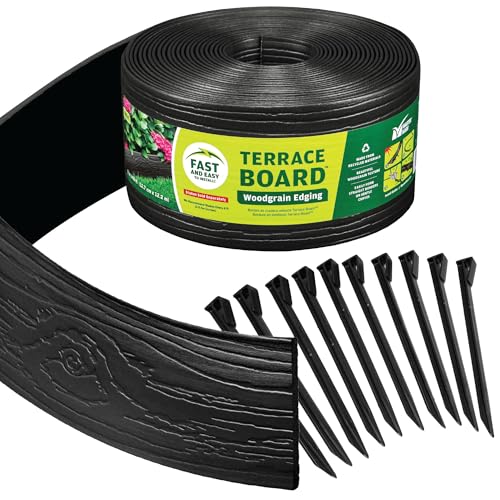
MASTER MARK Terrace Board Landscape Coiled Edging 5 in. x 40 ft. Black

shsyue Landscape Edging 33FT Flexible Lawn Edging Kit Black
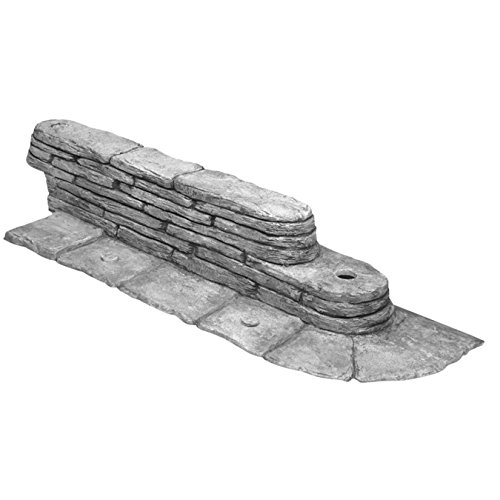
Emsco Group 2032HD Bedrocks Trim-Free Gray 20 Feet

Flexible Brown Natural Lawn & Landscape Border Edging 8-Pack

Beuta Landscape Edging Polyrock Blocks 4-Pack Greystone

Beuta Landscape Edging Polyrock Blocks 4-Pack Cobblestone
More Details On Our Top Picks
Greystone suits a yard that needs a firm, clean outline without looking too polished. Each section uses six brick-like pieces across 48 inches, so you get a classic masonry feel around a bed, walkway, or tree ring, and the 12 spikes help anchor that shape.
Compared with the coiled options later in the list, this one feels more architectural and less bendable. That trade-off works well in tidy front yards or along straight paths, though very curvy beds can take more patience during layout.
Strong Points
- The brick-style profile gives your edging a finished, structured look.
- Four packs cover a meaningful run for connected beds or paths.
- The included spikes make installation more secure in ordinary soil.
- It works well for keeping mulch lines visually tight over time.
Things To Consider
- Rigid sections are less forgiving around very tight curves.
- Layout takes more planning than with a coiled border board.
- Stone-like surfaces can show dirt, so occasional wiping helps.
Feature Rundown
Who It Suits Best
You benefit most here if you want a neat, stone-style border for straight or gently shaped garden lines.
A Better Fit Elsewhere
Master Mark Terrace Board Landscape Coiled Edging suits you better if your beds curve a lot and you want fewer layout pauses.
Cobblestone gives you the same brick-like format as the Greystone version, but the tone shifts the whole border toward a warmer, more traditional look. That matters around brick homes, cottage gardens, or older patios where the edging should feel like it belongs.
The shape still favors orderly runs, so you’re getting style first and flexibility second. You may find it especially handy where the edging is visible from the street, because the pattern reads more decorative than plain black plastic.
What We Like
- The cobblestone color softens the edge without making it disappear.
- It brings a more finished look to front-yard beds and entries.
- The four-pack format helps you cover a larger section in one plan.
- It pairs well with stone pavers and earth-toned planting areas.
Minor Gripes
- Like the other rigid Beuta brick sets, curves take extra patience.
- Decorative surfaces can need a little more upkeep to stay crisp.
Core Details
Who Will Love This
You’re the best match for this one if the border is meant to be seen, not just function behind the scenes.
Another Choice May Suit
Emsco Group 2032HD Bedrocks Trim-Free Gray 20 Feet suits you better if you want a more organic stone look across a longer line.
The one-pack Greystone version makes sense for patch jobs, not full-yard projects. That smaller scope is useful around a single bed, mailbox planting, or one short path where you only need a defined edge in a controlled spot.
Compared with the four-pack Beuta sets, this keeps the commitment low and the installation more manageable. The trade-off is obvious, though, because you’re not getting the same coverage depth, so larger spaces will need more than one pack.
Upsides
- Single-pack sizing suits small fixes and test layouts.
- The brick styling keeps the look consistent with larger Beuta runs.
- It’s easier to store and handle than longer border kits.
- You can extend a project gradually instead of tackling it all once.
Areas To Watch
- Coverage is limited, so bigger beds need a different pack count.
- The rigid format still asks for careful alignment on curves.
- Shorter runs can look a little isolated beside broad garden beds.
Feature Snapshot
Right Fit For
You’re in the sweet spot here if you only need one short, neat border or want to sample the style before scaling up.
Where A Sibling Pick Shines
Beuta Landscape Edging Polyrock Bricks 4-Pack Greystone suits broader beds better, since you get much more coverage in one set.
Charcoal is the easiest Beuta brick set to pair with darker mulch, black metal accents, or modern siding. The tone gives the border a quieter profile than the cobblestone version, which can help the planting itself stay front and center.
It shares the same general brick-style shape as the other Beuta four-packs, so the same layout advice applies. The honest read is that this color choice matters more for curb appeal than for function, but that’s exactly what many front yards need.
Best Bits
- The darker color blends well with contemporary outdoor finishes.
- It still gives you a structured, brick-like perimeter.
- Four packs offer enough material for longer connected runs.
- The low profile keeps the edge noticeable without feeling heavy.
Small Caveats
- The rigid layout still works best on straighter garden lines.
- Dark surfaces can show dust or soil, so cleanup may be more frequent.
- Color choice affects style more than placement behavior.
Details At A Glance
Built With In Mind
You’ll like this most if your goal is a cleaner visual finish and your yard already leans modern or monochrome.
Swap It Out When
Flexible Brown Natural Lawn & Landscape Border Edging 8-Pack is a better match for curved beds that need easier shaping.
Coiled edging changes the job entirely, because the flexibility lets you trace longer curves without relying on brick-by-brick alignment. That matters in backyards with sweeping beds, garden islands, or vegetable rows that wander a little.
At 5 inches tall and 40 feet long, this board brings more continuous coverage than the shorter decorative sets above. You still need to plan fastening and shaping carefully, but for most yards the layout feels less fussy than rigid block systems.
Plus Points
- The long coil suits extended borders and repeating curves.
- Five-inch height gives a stronger visible boundary than low-profile edging.
- Ten stakes are included, which helps with basic anchoring.
- The black finish blends easily with soil, mulch, and darker hardscape.
Worth Noting
- Large rolls can be awkward to manage during setup.
- You may need extra care to keep the line smooth on uneven ground.
- Long storage takes more space than short sectional edging.
Technical Sheet
Best Suited To
You fit this option well if your yard includes long, curved lines and you want one continuous border rather than many short sections.
Look Elsewhere When
Beuta Landscape Edging Polyrock Bricks 4-Pack Greystone suits you better if you want a stiffer, more decorative edge along straight beds.
This kit leans toward versatility, not decoration. The extra-tall 4-inch profile gives you a stronger visual break than many slim borders, and the 50 stakes point to a setup that’s meant to hold a more complex shape in place.
You may find it especially useful around trees, flower beds, and lawns that shift between straight runs and gentle curves. Compared with the Master Mark roll, this one gives you a little more anchoring hardware, which can be handy on a yard with soft soil or uneven lines.
Highlights
- Thirty-three feet of edging covers a meaningful stretch of yard.
- The 4-inch height makes the boundary easier to see.
- Fifty stakes give you more fastening points than many similar kits.
- Flexible material supports DIY shaping around mixed bed layouts.
Areas To Watch
- Longer flexible kits can take time to line up neatly.
- Storage is easier than a roll of 40 feet, but still not tiny.
- Installation quality depends a lot on ground condition and spacing.
Core Details
The Right Fit
You’re a strong match for this kit if your yard includes several shapes and you want a taller border that still bends.
Where Another Pick Fits Better
Flexible Brown Natural Lawn & Landscape Border Edging 8-Pack works better for smaller spaces that need a simpler, lighter setup.
The Bedrocks line is about the look as much as the boundary, with a stacked-slate style that reads more like natural stone than basic plastic edging. That makes it a smart fit where you want the border to be part of the garden design, not just a line in the dirt.
At 20 feet, it is shorter than the coil-based picks above, so it feels better for accent borders than large perimeter jobs. One thing worth considering is placement around more formal beds, because the trim-free profile tends to look especially tidy beside shrubs and mulch.
Bright Spots
- The slate-style surface brings strong visual character to a border.
- Twenty feet is a manageable length for accent areas.
- The gray tone works with stone, pavers, and neutral hardscape.
- It gives a neat finish without needing a heavy structural look.
Points To Note
- Shorter coverage means you may need more than one set.
- Decorative texture can collect dirt in small grooves.
- Style-first edging may not suit every plain utility border.
Spec Overview
Whose Shelf It Belongs On
You’ll appreciate this most if you care about the visual finish and want edging that looks like part of the garden design.
A Better Fit Elsewhere
MASTER MARK Terrace Board Landscape Coiled Edging suits broader utility runs better, especially where straight coverage matters more than style.
This one feels like the plainspoken option in the group, which can be exactly right for a lot of yards. The brown finish keeps attention on the plants, and the flexible format makes it easier to trace borders around modest beds, corners, or short curved sections.
Compared with the more sculpted Beuta blocks, it gives up decorative presence in exchange for simpler handling. That trade-off tends to work well for routine garden cleanup, especially in spaces where you want edging that disappears into the background once the mulch is in place.
Reasons To Buy
- The flexible build is friendly to curved or slightly irregular beds.
- Brown color blends naturally with soil, bark, and mulch.
- The 8-pack format suits small to mid-sized layouts.
- It keeps the overall look calm and understated.
Room For Improvement
- Plain styling won’t stand out in highly decorative front yards.
- Coverage may be modest for larger landscapes.
- Installation still benefits from careful spacing and level ground.
Feature Card
Who Should Grab It
You fit this pick well if you want a low-key border that bends easily and doesn’t steal attention from the planting.
Reach For A Different Pick When
Beuta Landscape Edging Polyrock Bricks 4-Pack Charcoal suits you better if your yard leans modern and you want a stronger visual line.
The taller Polyrock Blocks format gives you a more assertive border than the lower brick-style Beuta sets above. At 6.5 inches high, it’s better suited to spots where you want the edge to stand up visually against mulch, turf, or a raised planting bed.
That extra height can be useful in front yards with clear sight lines, but it also means the border reads more prominently. The trade-off is a stronger presence, which is helpful around deeper beds and less helpful in places where you want the edging to almost fade away.
Standout Traits
- The taller profile creates a more noticeable boundary.
- Four packs help you cover longer connected runs.
- The Greystone tone keeps the look grounded and neutral.
- It suits raised beds and areas that need stronger definition.
Honest Caveats
- The higher wall is more visible, so style fit matters more.
- Like other sectional borders, curves take time to line up.
- Dirt and mulch residue can gather along the taller face.
Core Details
Made For
You’re the right fit for this option if your landscape needs a taller, more defined border around raised or highly visible beds.
Another Choice May Suit
Beuta Landscape Edging Polyrock Bricks 4-Pack Greystone is a gentler match if you want a lower edge with a softer visual profile.
Cobblestone gives the taller Beuta blocks a more deliberate, dressed-up look than the Greystone version. That makes it useful where the border sits in open view and you want the edge to feel like part of the landscaping rather than just a separator.
The 6.5-inch height still brings the same strong vertical presence, so this is less subtle than the low brick sets. For most front-yard installations, that extra definition looks clean and confident, though it can feel bold in compact spaces.
Strong Points
- The cobblestone finish adds visual texture to a prominent border.
- The taller block shape gives strong definition along beds.
- Four-pack coverage works for connected landscape sections.
- It pairs especially well with masonry, pavers, and stone accents.
Softer Spots
- The taller shape is more visually dominant than low edging.
- It may feel oversized in very tight beds or narrow side yards.
- Sectional layout still benefits from a little patience during setup.
Quick Facts
Best Suited To
You’ll get the most from this one if your border is meant to be seen clearly and you want a more decorative stone-like finish.
Not Your Match When
Flexible Brown Natural Lawn & Landscape Border Edging 8-Pack fits better for understated beds that need easier shaping and a softer profile.
How To Choose The Right Border Blocks For Landscaping
Match The Shape To Your Yard
Curved beds call for flexible edging, while straight runs reward rigid block-style sections. That difference matters because a tight curve can make a stiff border feel awkward, even when the material itself is sturdy.
Long perimeter lines also change the math. A coil or long roll can simplify large spaces, while short sectional sets work better around focal beds, mailbox plantings, and smaller front-yard accents.
Think About Height And Visibility
Low edging blends in and quietly guides mulch or gravel. Taller borders create a clearer visual line, which helps around raised beds, busy walkways, or places where grass likes to creep toward planting space.
Height also changes the style balance. A 2.25-inch edge feels subtle, while a 6.5-inch block reads more like a design element, so your home’s exterior should guide that choice as much as your soil does.
Check Anchoring And Installation Effort
Stakes matter more than many people expect, because they affect how well the border stays aligned after weather changes and routine yard work. More stakes can help on softer ground, though setup usually takes longer.
Sectional systems need careful spacing, and flexible boards ask for smoother curves and a steadier hand. For a weekend project, the easiest path is the one that matches your existing layout instead of fighting it.
Things Worth Knowing First
Common Shopping Slip Ups
Many people focus on color and forget the border shape. That’s how a decorative brick look ends up in a garden with sweeping curves, where a flexible board would have been easier.
Another common miss is underestimating coverage. A short pack can work for one bed, but a larger yard needs enough length to avoid a patchwork finish.
When Paying More Pays Off
Higher-tier edging usually spends extra money on visual texture, taller profiles, and more substantial anchoring hardware. Those upgrades matter most in front yards, visible entry beds, or gardens that need a finished look from the street.
You also pay for layout convenience in some cases. A stronger design or a larger run can save you from buying multiple small sets, which is often the real value in this category.
Frequently Asked Questions
What type of border works best for curved beds?
Flexible edging usually handles curves more easily than brick-style sections. Coiled boards and bendable strips are the safer match for winding lines.
How tall should landscape edging be?
Lower edging stays subtle, while taller options create a stronger boundary. Your choice depends on whether you want the border to blend in or stand out.
Do I need a lot of stakes for garden edging?
More stakes can help stabilize longer runs and taller borders. The right count depends on the length, height, and soil firmness in your yard.
What is the easiest edging style to install?
Flexible rolls are usually simpler for long or curved layouts. Sectional blocks can take more planning, but they often look more decorative once set.
Which edging looks most natural in a front yard?
Stone-inspired finishes and earth-toned colors tend to blend well with planting beds and pavers. A darker or slate-style border usually feels calmer than a bright plastic line.
Closing Thoughts
Border blocks for landscaping do more than hold a line, they shape how the whole yard feels from the curb to the back fence. Your best match depends on three things: the shape of the bed, how visible the edge will be, and how much setup you want to take on. Brick-style sets bring a clean, structured look, flexible boards handle curves with less fuss, and taller blocks give a border more presence. Choose the shape that fits your yard’s rhythm, and the rest tends to fall into place.