You want a mix that drains well, still holds enough moisture, and fits the way bromeliads actually grow in a pot. That means less guesswork, less soggy media, and fewer root issues from using the wrong blend in a bright windowsill, a humid bathroom, or a sheltered patio.
The ten picks below lean into different growing needs, from chunky bark-forward mixes to finer indoor blends. Some suit bromeliads closely, while others work better as components, so you can match the mix to your pot size, watering habit, and how often you repot.
Quick Look At The Shortlist

Doter All Purpose Soil Potting Mix

Miracle-Gro Potting Mix
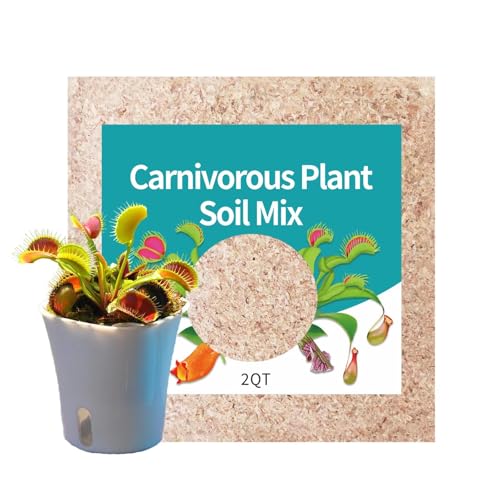
2 Qts Carnivorous Plant Soil Mix

Premium Potting Soil Mix with Peat Moss
Doter Houseplant Potting Mix
Planting Mix for Plant Propagation

Halatool 3QT Potting Soil Mix

Perfect Plants Indoor Plant Soil

Soil Sunrise 100% Organic Orchid Potting Bark
More Details On Our Top Picks
This mix leans into bark and perlite, so it makes sense for bromeliads that dislike heavy, waterlogged media. The texture should suit a bright indoor shelf or a sheltered patio pot, and the small 1 qt size works well for a single repot rather than a full bench of plants.
Compared with the finer Doter Houseplant Potting Mix later in this list, this one feels more open and airy from the start. You may find that helpful in a warm room where the top layer tends to stay damp longer than you’d like.
What We Like
- Orchid bark gives the mix a chunkier structure that helps air move around roots.
- Organic perlite supports faster drainage, which matters for bromeliads in decorative pots.
- The smaller bag size fits a single plant refresh without leftover media taking up storage space.
- It also works as a component in custom blends, so you can tune moisture retention yourself.
Points To Note
- The small quantity is convenient, but it is less efficient for multiple plants.
- Chunky media can dry faster than a finer houseplant mix, so watering habits matter.
- You may need to sift out pieces that feel too large for narrow nursery pots.
Feature Rundown
Who It Suits Best
You want a compact, bark-forward mix for a bromeliad or similar epiphyte in a small pot.
A Better Fit Elsewhere
Soil Sunrise 100% Organic Orchid Potting Bark suits you better when you want a larger bark-only component to build your own blend around it.
This is the least specialized option in the group, which can be useful for container gardeners who keep a broad mix of plants at home. The feeding window is the main draw, though bromeliads usually need a lighter hand than flowering annuals or vegetables.
Compared with the barkier Doter mix, this one is aimed more at general container growing than at an airy epiphyte setup. The honest read is that it suits mixed patios and porch planters better than finicky bromeliad collections.
Strong Points
- Feeds plants for up to 6 months, which reduces how often you need to think about fertilizer timing.
- Works across container flowers, vegetables, shrubs, annuals, and perennials, so it covers a wide plant rotation.
- The 3-pack format helps keep extra material on hand for seasonal repotting.
Areas To Watch
- It is broad-purpose by design, so it is less tailored to bromeliad roots than bark-heavy media.
- The feeding component may suit vigorous container plants more than slow-growing tropicals.
- Storage takes a bit more room than the smaller single-bag picks in this roundup.
Quick Facts
Who Will Love This
You want a general container mix for a porch full of different potted plants, bromeliads included only with extra care.
Where Another Pick Fits Better
Doter All Purpose Soil Potting Mix fits you better when your bromeliad needs more bark and air flow than a broad container formula provides.
You are looking at a moisture-aware blend built for plants that like damp, airy media, not a dense potting soil. The sphagnum moss crumbles help hold water, while perlite opens the structure, which makes this a smart reference point for bromeliad growers who like a controlled, slightly damp root zone.
Compared with Miracle-Gro Potting Mix, this one is far more specialized and far less general. That trade-off makes sense in a small plant room where a few specific species need the same gentle conditions.
Highlights
- Sphagnum moss crumbles hold moisture well for plants that prefer a steady dampness.
- Perlite adds air space and helps keep the mix from packing down too tightly.
- The 2 qt size is manageable for tabletop pots and compact collections.
- No additives keeps the formula focused on basic media structure.
Room For Improvement
- It is purpose-built for specialty plants, so it is less versatile than the broader mixes here.
- The moisture-holding side may ask for careful watering in humid homes.
- Small volume means you will likely reorder sooner than with the larger bags.
At A Glance
Perfect Match For
You keep a small collection of moisture-sensitive specialty plants and want a lightweight, airy medium.
Swap It Out When
Soil Sunrise 100% Organic Orchid Potting Bark makes more sense when you want a bark-led mix you can tune for bromeliads and orchids.
This blend sits in the middle ground, which is often where home growers want to be for repotting ordinary indoor plants. Peat moss helps with moisture holding, vermiculite softens the mix, and perlite keeps it from feeling heavy, so bromeliad owners can use it as a more flexible base than a dense soil.
Compared with the tighter specialty mixes above, this one is more adaptable but less purpose-built. That middle position is useful in a mixed plant room, though you may want to add bark for a more bromeliad-friendly texture.
Best Bits
- Peat moss helps the mix stay evenly moist longer between waterings.
- Vermiculite supports a softer, more forgiving potting texture.
- Perlite keeps the blend lighter, which helps prevent compaction in pots.
- The 8 dry quart size suits a few repots without becoming bulky to store.
Honest Caveats
- As a general mix, it may need bark or extra drainage material for bromeliads.
- Peat-based media can feel wetter than bark-forward blends, depending on your watering routine.
- The bag size is practical, though larger collections will go through it faster than expected.
Feature Snapshot
Built With In Mind
You want a general repotting blend for indoor plants and plan to adjust texture as needed for bromeliads.
Another Choice May Suit
Doter All Purpose Soil Potting Mix fits better when you want more visible bark in the blend from the start.
That fertilized, perlite-forward setup is aimed at indoor plant care where convenience matters more than fine-tuning every ingredient. For bromeliads, the trade-off is obvious, this is a houseplant mix first, so you may want to blend in bark or use it for more forgiving potted tropicals.
Compared with the Doter bark mix in the first slot, this one leans smoother and less chunky. In a living room with a few easygoing tropicals, that can be handy, especially for shallow pots that need simple repotting.
Upsides
- Fertilized media adds convenience for common indoor plants.
- Perlite helps keep the potting blend from becoming dense too quickly.
- The 1 qt size is easy to stash in a closet or shelf cubby.
- Works across a broad set of tropical houseplants, not just one plant family.
Small Caveats
- It is less tailored to bromeliads than a bark-based or orchid-style mix.
- The small bag is fine for one or two pots, but not much beyond that.
- Because it is fertilized, you may want to think about your own feeding routine around it.
Technical Sheet
Who Should Grab It
You keep a few indoor tropical plants and want a compact, easy-to-manage potting mix.
Look Elsewhere When
Perfect Plants Indoor Plant Soil fits better when you want a bark, coco coir, and sand blend that drains faster.
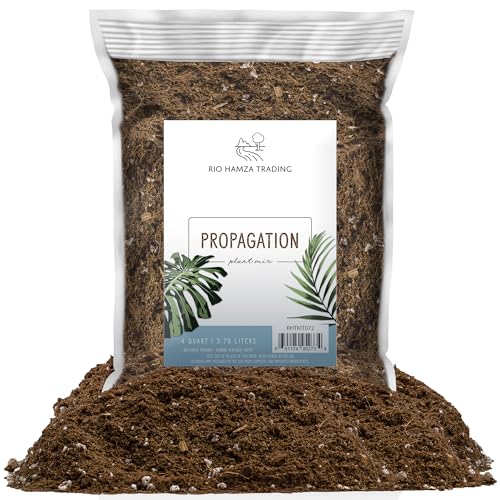
Propagation mixes matter because young plants need a gentler, more controlled medium than established specimens. This soilless blend is built for that stage, and while it is not a classic bromeliad recipe, it can still serve as a base for hobbyists who start offsets or other small tropical starts.
Compared with Doter Houseplant Potting Mix, this one is less about convenience and more about the early growth stage. That makes it useful on a propagation bench, though you may still customize it to suit the specific moisture needs of your plant.
Reasons To Buy
- Soilless structure is useful for starting cuttings and young plants.
- Hand-blended format suggests a more curated mix than a generic fill.
- The 4 quart size gives enough media for a handful of starter pots.
- Works for house plants and more, so it is not locked into one narrow task.
Worth Noting
- It is aimed at propagation, so mature bromeliads may prefer a different texture.
- You may want to monitor moisture closely around tiny roots and fresh starts.
- The mix may feel specialized if you only need a one-off repotting bag.
Details At A Glance
Best Suited To
You propagate houseplants and want a compact, controlled medium for small pots and starter containers.
Reach For A Different Pick When
Halatool 3QT Potting Soil Mix fits better if you want a broader everyday mix for established small plants.
This mix covers a wide spread of plant types, which helps when your home plants are all over the map. The prewashed and screened prep is useful because it suggests less debris in the bag, and that can make a real difference when you are filling smaller pots on a kitchen table or potting bench.
Compared with the propagation mix above, this one is meant for everyday use rather than starters alone. The honest read is that it offers a practical middle lane for bromeliads, succulents, orchids, and other small indoor plants.
Standout Traits
- Prewashed and screened material gives the mix a cleaner, more finished feel.
- Enough volume for 4 to 5 small plants or 2 to 3 medium plants keeps waste down.
- It works indoors and outdoors, so you can move pots around without changing media style.
- Its broad plant compatibility makes it handy for mixed collections.
Minor Gripes
- The multiuse focus means bromeliad owners may still want to adjust drainage for their setup.
- Small bag size is good for shelves, though larger repotting sessions will need more than one bag.
- The broad labeling may leave specialist growers wanting more detail on texture.
Core Details
The Right Fit
You keep a handful of small indoor and patio plants and want one mix that covers several of them.
Where A Sibling Pick Shines
Soil Sunrise 100% Organic Orchid Potting Bark fits better when your bromeliad setup needs more bark texture and less general potting soil structure.
This is one of the more thoughtfully structured indoor blends in the roundup, with coco coir, pine bark, perlite, sand, and garden lime all working together. That combination should appeal to bromeliad owners who want a looser, faster-draining base than a standard houseplant mix, especially in bright rooms where pots dry at a steady pace.
Compared with the Doter Houseplant Potting Mix, this one feels more tuned for airy tropical roots and less like a general indoor filler. The no-added-fertilizer approach also gives you more control over feeding, which many plant keepers prefer for delicate schedules.
Positives
- Coco coir and pine bark give the mix a loose, breathable feel.
- Perlite and sand help push excess water through the pot more quickly.
- No added fertilizer leaves feeding decisions in your hands.
- The 8 qt size gives you enough media for several medium repots.
Softer Spots
- The ingredient list is better suited to plant keepers who like to manage nutrition themselves.
- Sand can change the feel of the mix, so watering habits still matter.
- It may feel more specialized than you need for a basic houseplant refresh.
Spec Overview
Whose Shelf It Belongs On
You want a more controlled indoor mix for tropical plants and prefer to manage fertilizer on your own.
Skip It When
Miracle-Gro Potting Mix fits better for a larger general container collection that needs broader coverage and a feed schedule built into the mix.
This is the bark-forward anchor of the list, and it earns that role with volume. For bromeliads and orchids, bark is often the piece that gives a pot its structure, so a 30 quart bag is useful when you like to build your own blend instead of relying on a one-bag solution.
Compared with the smaller Doter bark blend, this one is much better for repeated repotting or mixing in larger batches. It is not a complete mix on its own, though, so you should treat it as a building block rather than a finished answer.
Bright Spots
- Large 30 quart volume suits growers who repot multiple plants or blend media often.
- Pine bark gives you a straightforward ingredient for airy, orchid-style mixes.
- USA-sourced bark will appeal to plant keepers who care about ingredient origin.
- It works well as an additive, so you can tune texture around bromeliad needs.
Trade Offs
- This is bark, not a complete potting mix, so you need to do more of the blending yourself.
- The large bag takes more storage room than the compact quart options.
- Its loose structure means it depends on your own watering rhythm and companion ingredients.
Feature Card
Made For
You build your own bromeliad or orchid media and want a bark ingredient in a larger bag.
A Better Fit Elsewhere
Doter All Purpose Soil Potting Mix is the better choice when you want bark and perlite already balanced in one small bag.
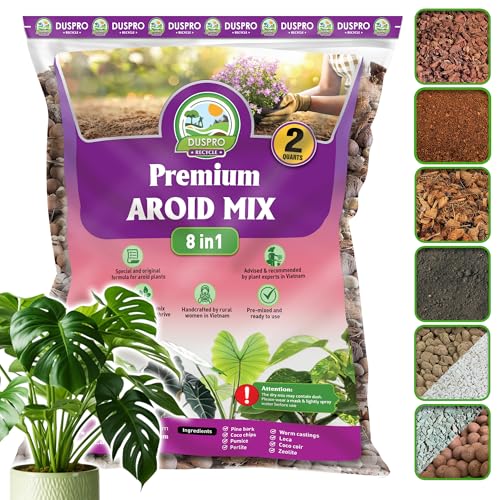
This chunky aroid blend leans more advanced, and that is exactly why it earns a place here. Pine bark, pumice, coir, coco chips, LECA, perlite, zeolite, and worm castings give it a layered structure that suits plant keepers who want more control over airflow, texture, and moisture behavior.
Compared with Perfect Plants Indoor Plant Soil, this one is even more specialized and more complex in ingredient mix. That can be a real plus for bromeliad growers who already know the pot size and watering rhythm they want, though it may feel like more mix than a casual repot needs.
Best Bits
- Eight ingredients create a very airy, highly structured potting base.
- Chunky texture supports roots that prefer extra room around them.
- Worm castings add a richer ingredient profile than bare-bones bark mixes.
- Good fit for plant keepers who like to match mix structure to the plant.
Things To Consider
- The ingredient list is more complex, so it may feel less straightforward than a basic mix.
- Small 2 qt size limits how many pots you can fill at once.
- For very simple setups, the extra ingredients may be more than you need.
Core Details
The Right Fit
You keep a small number of aroids or bromeliads and want a premium, airy mix with lots of structure.
Where A Sibling Pick Shines
Halatool 3QT Potting Soil Mix makes more sense when you want a simpler all-around bag for mixed houseplant shelves.
How To Choose The Right Bromeliad Potting Mixes
Start With Drainage And Air Space
Bromeliads dislike dense media that stay wet for too long, so the first thing to check is structure. Bark, perlite, pumice, and coco chips create gaps that let roots breathe, which matters in a warm room or a humid corner where moisture lingers.
A finer peat-heavy mix can still work, but it usually needs bark or another coarse ingredient to avoid packing down. For most home setups, a lighter texture is safer than a rich, muddy one.
Match The Mix To Your Watering Habit
Your own routine matters as much as the ingredients. A grower who waters sparingly may prefer a slightly more moisture-retentive base, while someone who tends to water often will usually do better with a bark-forward blend.
That balance changes even more in shallow pots, decorative cachepots, or rooms with strong airflow. A mix that dries at a measured pace can save you from constantly second-guessing the top layer.
Think About Pot Size And Collection Style
Small quart bags make sense for one bromeliad or a shelf plant, while larger bags fit people who repot often or keep several tropicals. Bigger volumes also matter when you like to amend a mix yourself instead of using it straight from the bag.
Mixed collections benefit from a versatile base, but a bromeliad-focused setup usually deserves a more open formula. That is why bark-only ingredients and chunky aroid blends appear alongside general indoor potting mixes in this roundup.
Decide How Much Control You Want
Pre-blended formulas save time, especially for casual plant care. Customizable ingredients like bark let you fine-tune drainage and moisture, which helps when one plant sits in brighter light than the rest.
More ingredients can bring better structure, but they also ask for a little more judgment. Your best match depends on whether you want convenience or a more hands-on potting style.
What To Weigh Before You Click
Common Shopping Slip Ups
Many plant keepers grab a general indoor mix and then wonder why bromeliad roots stay too wet. A better move is to check for bark, perlite, or other coarse ingredients before you settle on a bag.
Another common miss is buying a large volume before you know how much you actually use. For one or two plants, a compact bag is easier to store and far less wasteful.
Where The Extra Money Goes
Higher-tier mixes usually cost more because they use more specific ingredients and a more deliberate texture. A multi-component blend with bark, pumice, coco chips, or worm castings takes more processing than a plain all-purpose potting mix.
That extra structure can be worth it for bromeliads, orchids, and other plants that hate dense soil. It is less useful for casual repotting of sturdy container plants that do fine in simpler media.
Frequently Asked Questions
What kind of mix works best for bromeliads?
A loose, airy mix with bark and drainage ingredients usually fits bromeliads well. Dense soil tends to hold too much water around the roots.
Can you use orchid bark for bromeliads?
Yes, orchid bark can be a useful base or additive for bromeliads. Many growers pair it with perlite or another light ingredient to keep the pot open.
Do bromeliads need fertilizer in the mix?
Not necessarily, and many plant keepers prefer to manage feeding separately. A no-fertilizer mix gives you more control over that routine.
Is a cactus mix good for bromeliads?
Sometimes, but only when it has enough organic material and air space for tropical roots. A very dry cactus blend can be too lean for many bromeliads.
How often should you repot bromeliads?
Repotting usually depends on root crowding, pot stability, and how fast the medium breaks down. A fresh, open mix helps extend the time between pot changes.
Final Thoughts
The right bromeliad mix gives you breathing room in the pot and less worry after watering. Bark-heavy and airy blends make the most sense for most home growers, while broader houseplant mixes work better only when you are willing to adjust them. Small bags suit one-off repots, and larger bark volumes help when you build your own blend from scratch. Match the mix to your watering style, not just the label, and you’ll make a calmer choice.