Bug problems in a lawn can spread from one patch to the next fast, especially around foundations, shaded borders, and the spots pets use most. Your best match depends on whether you want a spray, granules, or a yard treatment that covers a wide area with less fuss.
This roundup keeps the focus on practical use, coverage, and the kind of upkeep you can live with through a normal season. You’ll see options for perimeter control, broad yard coverage, and targeted treatments for grubs, ants, and surface insects.
The Shortlist At A Glance
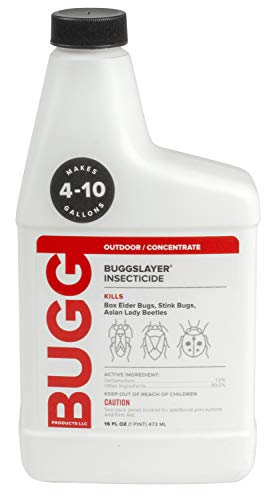
BUGGSLAYER Insecticide Concentrate Outdoor Insect Control 16 oz Bottle

OFF! Backyard Bug Control Yard Pretreat Hose End Sprayer 16,000 Square Feet

Cedarcide YardSafe 1 Quart (32 Oz.)
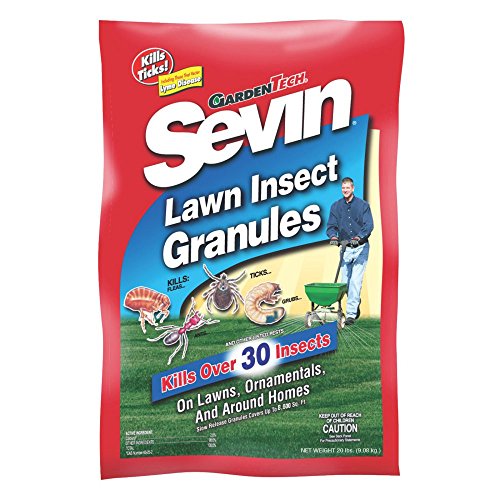
Sevin Lawn Insect Granules 20 Pounds

Sevin Lawn Insect Granules 10 Pounds

Martin’s 32 oz Cyonara Lawn & Garden Concentrate

PetArmor Home Yard Spray for Dogs 32oz

BioAdvanced 24 Hour Lawn Insect & Fire Ant Killer 10 lb

Sevin Garden Perimeter Insect Granules 3lb

Atticus Mineiro 2F Flex Imidacloprid Systemic Insecticide for Grubs 1Gal
More Details On Our Top Picks
Perimeter work is where BUGGSLAYER makes sense, especially around foundations, doors, and window lines that see steady insect traffic. The water-based formula is meant to leave no odor and no staining, which matters more than it sounds in a neat patio or along light-colored siding.
The trade-off is that this kind of concentrate asks for a careful application, so it suits you best when you want a targeted barrier rather than a throw-it-everywhere yard treatment. Compared with the broad coverage of OFF! Backyard Bug Control Yard Pretreat, this one feels more focused and more home-edge friendly.
What We Like
- Creates a protective ring around entry points
- Water-based blend is easier to live with near finished surfaces
- Works around foundations, windows, and doors where pests often show up
- Odorless profile keeps the treatment less noticeable after application
Things To Consider
- Best results depend on careful placement along the perimeter
- A concentrate adds mixing steps and a bit of setup
- Not the simplest choice for very large open lawns
Feature Snapshot
Who It Suits Best
You’ll like this most if you want a focused barrier treatment for a house edge, porch line, or walkway perimeter.
Where A Sibling Pick Shines
OFF! Backyard Bug Control Yard Pretreat Hose End Sprayer fits better for homeowners who want a larger lawn coverage pattern with less mixing.
This hose-end sprayer is built for people who want to treat a big yard without turning it into a full afternoon project. The listed coverage, up to 16,000 square feet, makes it easy to picture for larger lawns, broad play areas, and property edges that keep stretching farther than expected.
The honest read is that hose-end products are convenient, but they depend on a good water hookup and even walking pace. Compared with BUGGSLAYER’s perimeter-first approach, this one is the broader tool for open spaces and routine lawn pretreat work.
Highlights
- Covers a very large area for one treatment cycle
- Hose-end format keeps application straightforward
- Useful for lawns, gardens, and other outdoor zones
- Good match for regular seasonal yard care
Worth Noting
- Hose-based delivery depends on your water pressure and setup
- Large coverage can hide uneven walking speed
- Not as targeted as a perimeter concentrate
Details At A Glance
Best Suited To
You’re the right fit for this sprayer if your yard has a wide footprint and you prefer fast setup over mixing concentrates.
A Better Fit Elsewhere
Martin’s 32 oz Cyonara Lawn & Garden Concentrate suits homeowners who want more control over spray strength and application pattern.
Cedarcide takes a more natural-leaning path, using essential oils in a yard spray that covers mosquitoes, ticks, fleas, mites, and more. That kind of profile tends to appeal to households that want a less synthetic-feeling routine around pets and patios.
You may find it especially useful for regular upkeep in a backyard where kids, dogs, and weekend lounging all happen in the same space. Compared with OFF! Backyard Bug Control, it feels less about sheer coverage and more about a gentler-sounding routine with a smaller bottle size.
Best Bits
- Essential-oil approach gives it a more natural profile
- Works across several common yard pests
- Handy for regular spot spraying around living areas
- Fits households that want a pet-aware yard routine
Areas To Watch
- Smaller volume means more refills for larger properties
- Natural-oil sprays can call for more frequent reapplication in practice
- Coverage expectations depend on how often you treat the yard
Core Details
Who Will Love This
You’ll appreciate this most in a family yard where pet access and routine outdoor use matter as much as pest control.
Look Elsewhere When
Sevin Lawn Insect Granules 20 Pounds is the stronger fit for homeowners who want a heavier granule format for a much broader lawn.
The 20-pound Sevin bag is the sort of choice that makes sense for broader lawns, ornamental beds, and perimeter areas that need coverage in one go. It also stands out because the source data points to use around homes and on vegetables, which gives it more range than a lot of plain lawn-only treatments.
For a busy yard, granules can feel less fiddly than sprays because you spread them and move on. The trade-off is storage space and the need for even application, so it fits a homeowner with a spreader and a real patch of ground to manage.
Upsides
- Large bag suits bigger outdoor areas
- Can be used on lawns, ornamentals, and around homes
- Also listed for vegetables, which broadens its use
- Granule form works well with spreaders
- Listed pest range includes several common lawn invaders
Small Caveats
- Granules need dry storage and room to keep the bag
- Even spread matters for consistent coverage
- Heavier bag size is less convenient for small jobs
Technical Sheet
The Right Fit
This suits you best if you manage a broad yard and want a single granule bag that can cover several zones.
Swap It Out When
Sevin Lawn Insect Granules 10 Pounds makes more sense for smaller properties or a lighter seasonal treatment routine.
This smaller Sevin bag keeps the same granule-friendly approach but trims the footprint for more modest yards. For a townhome lawn, side strip, or a smaller suburban lot, that can feel easier to store and easier to use without leftovers hanging around.
Compared with the 20-pound version, you give up bulk coverage, but you also avoid handling a large bag for a small job. The honest read is that this is the cleaner fit for routine maintenance rather than a major property-wide sweep.
Plus Points
- Smaller bag is easier to store
- Granules suit simple spreader application
- Good match for smaller lawns and side yards
- Lets you handle seasonal treatments without excess product
Room For Improvement
- Not the right size for very large properties
- Still needs even spreading for the best coverage pattern
- Less practical than the 20-pound bag for heavy-duty use
Feature Rundown
Made For
You’re the best match for this bag if your yard is small to medium and you want a familiar granule routine.
Consider Something Else When
BioAdvanced 24 Hour Lawn Insect & Fire Ant Killer 10 lb works better for homes where fire ants are the main headache.
Martin’s Cyonara is the flexible concentrate in this group, the sort of bottle you reach for when you want to control how much you mix and where you spray it. That style suits homeowners who already own sprayers and like adjusting treatment to the job instead of relying on a fixed ready-to-use pattern.
It sits between BUGGSLAYER’s perimeter focus and the hose-end ease of OFF! Backyard Bug Control, so the fit depends on how hands-on you want to be. Concentrates usually reward a little more care, but they also give you more room to tailor the application.
Reasons To Buy
- Concentrate format gives you mixing flexibility
- Good match for sprayers you already own
- Useful when you want to tailor coverage by area
- Clear bottle makes the contents easy to see
Honest Caveats
- Mixing adds a step before application
- Works best when you’re comfortable handling concentrates
- Storage and cleanup matter more than with hose-end products
Spec Overview
Built With In Mind
You’ll get the most from this if you already use a pump sprayer and want a more customizable lawn routine.
Another Choice May Suit
OFF! Backyard Bug Control Yard Pretreat Hose End Sprayer is easier for shoppers who want a simpler, hose-based format for bigger spaces.
PetArmor clearly leans into homes with dogs, and that alone will put it on your shortlist if your yard needs regular bug control without feeling disconnected from pet routines. The listed targets include fleas, ticks, mosquitoes, ants, and other bugs, so it covers the everyday mix that shows up around patios and fence lines.
Compared with Cedarcide YardSafe, this one speaks more directly to pet households and a more conventional yard-spray setup. You may still want to think about storage and application timing, but the product page gives it a practical, home-focused feel.
Standout Traits
- Built with dog households in mind
- Covers several common outdoor pests
- 32-ounce size works well for routine yard spraying
- Useful for treating areas pets commonly use
Points To Note
- Not a substitute for careful pet-area cleanup after treatment
- Smaller bottle may need refills for broader lots
- Better for routine use than very large acreage
Feature Card
Whose Shelf It Belongs On
This belongs with you if your yard routine revolves around dogs and you want a familiar spray format for regular use.
Reach For A Different Pick When
BioAdvanced 24 Hour Lawn Insect & Fire Ant Killer is a stronger fit for larger lawn control where fire ants are the main concern.
BioAdvanced is built for lawns where you want fast action and a clear focus on fire ants plus a long list of other grass-level pests. The source data says it starts working within 24 hours, and that matters when the problem is already visible and you want to move quickly.
The granule format is straightforward with a broadcast or drop spreader, so it fits the homeowner who likes a tidy, even pass over the yard. Compared with Sevin Lawn Insect Granules 20 Pounds, this one feels more targeted around timing and fire ant pressure.
Bright Spots
- Fast action begins within 24 hours
- Targets fire ants along with several other listed pests
- Granules spread easily with common lawn spreaders
- Covers up to 12,500 square feet
- Season-long control language signals longer duty between applications
Minor Gripes
- Granules need a spreader for the neatest result
- Large coverage still depends on even distribution
- Best results usually come from steady lawn maintenance
Core Details
Perfect Match For
You’re the right match if fire ants are a real nuisance and you want a granule treatment with a strong timing focus.
Skip It When
Sevin Garden Perimeter Insect Granules 3lb makes more sense for smaller edge treatments and lighter touch-up work.
This smaller Sevin perimeter bag is a neat fit for targeted treatment around plant edges and garden borders. The source notes more than 100 listed insects plus above- and below-surface activity, so it aims at a wider insect mix than its small size might suggest.
For container beds, narrow borders, or a trimmed landscape edge, the 3-pound size keeps things simple. The trade-off is obvious, though, because a compact bag is not the same thing as a wide-property treatment.
Standout Traits
- Smaller bag is easy to store and handle
- Useful for perimeter and garden-edge treatments
- Covers insects above and below the surface
- Listed range spans more than 100 insects
Areas To Watch
- Compact size suits spot work more than big-yard coverage
- Garden use calls for careful placement around plants
- Not the most efficient option for broad lawn jobs
Feature Rundown
Best Suited To
This suits you best if you need a smaller perimeter treatment for garden borders or landscape edges.
Not Your Match When
Atticus Mineiro 2F Flex Imidacloprid Systemic Insecticide is the stronger choice for serious grub control across lawns and landscapes.
Atticus Mineiro sits in the more serious end of lawn care because it is built as a systemic insecticide for grubs and Japanese beetles plus other listed pests. Systemic means the plant or soil pathway is part of the control process, so this is the kind of product people use when the issue runs under the surface rather than just across the grass blades.
That makes it a stronger fit for established lawns and larger landscape routines than for quick spot spraying. Compared with Sevin Garden Perimeter Insect Granules 3lb, it is the more advanced option for homeowners managing deeper, root-zone trouble.
Strong Points
- Systemic approach suits below-surface pest pressure
- Targets grubs and Japanese beetles
- 1-gallon size supports larger treatment plans
- Works for lawns and landscapes, not just small borders
Softer Spots
- More advanced format may feel like overkill for tiny yards
- Systemic products usually fit a steadier lawn-care routine
- Not as simple as a basic sprinkle-and-go granule
Quick Facts
Who Should Grab It
You’ll get the most from this pick if your lawn has grub pressure and you want a more advanced long-view treatment.
Where Another Pick Fits Better
BioAdvanced 24 Hour Lawn Insect & Fire Ant Killer 10 lb is the easier fit for faster granule-style fire ant control.
How To Choose The Right Bug Killers For Lawns
Match The Format To The Yard
Granules, concentrates, and hose-end sprayers solve different problems. Granules work well when you want a spreader-friendly pass across turf, while concentrates make sense for people who already own a sprayer and want more control over mix strength. Hose-end products fit larger lawns because they simplify coverage and reduce setup time.
Your yard size changes the answer fast. A perimeter spray can be enough around a house edge or patio, but a broad lawn with ant mounds needs a product built for wider distribution. That’s why the right format matters as much as the active pest claim.
Think About Where Bugs Show Up
Surface insects and border pests call for a different approach than grubs below the soil. A perimeter concentrate helps around foundations and doors, while a systemic option such as Atticus Mineiro 2F Flex fits deeper root-zone problems. That split is important because the wrong placement can waste time and product.
Map the problem before you choose. Garden edges, shaded fence lines, and pet paths often point to a lighter, repeatable spray routine, while wide lawn patches with visible mounds lean toward granules or a stronger broadcast treatment.
Weigh Convenience Against Control
Ready-to-use formats are easier, but they give you less room to fine-tune the job. Concentrates ask for a little more care, though they can be a better fit for homeowners who like adjusting coverage by area. The setup step is the trade-off, and that’s not a bad thing for a yard that needs precise treatment.
Maintenance matters too. Granules store more neatly than many liquid containers, while sprays can be easier to clean up after use. In most backyards, the best choice is the one you’ll actually use on schedule without dreading the process.
What To Weigh Before You Move Ahead
Hidden Buying Traps
Don’t choose a product just because the coverage number sounds large. Yard shape, watering habits, and application method affect real-world use more than a single figure on the label.
Another common miss is matching the wrong format to the task. A lawn with grubs needs a very different approach from a patio line with ants, and a bottle that looks flexible can still be awkward if you do not already own the right sprayer.
The Upgrade Payoff
Higher-tier products usually cost more because they solve narrower problems with more specialized ingredients or more convenient delivery systems. That can mean systemic control for soil pests, fast-action granules for pressure points, or a larger format that covers more ground in fewer passes.
Pay up when the pest pattern is persistent or the yard is large enough to make repeated treatments annoying. For a small side yard, a simpler option usually makes more sense and leaves less clutter in the shed.
Frequently Asked Questions
What kind of bug killer works best for a lawn?
The best match depends on where the insects are active and how much ground you need to cover. Granules suit broad turf, while perimeter sprays are better around walls, borders, and entry points.
Are granules easier than liquid concentrates?
Granules are usually simpler to spread and store. Liquid concentrates give you more control, but they ask for mixing and equipment.
Can one product handle ants and grubs?
Some products target both, but many are built for only one type of problem. Check the listed pests closely so the format matches your main issue.
Do pet-focused yard sprays change how you use them?
They still need careful application and basic attention to the treated area. The main difference is that the product is positioned with pet households in mind.
Is a large coverage number always better?
Not always, because coverage is only useful when it matches your property size and layout. A smaller, more targeted product can be the smarter fit for compact yards.
Closing Thoughts
Your best lawn bug treatment is the one that fits your yard’s shape, your pest problem, and the amount of upkeep you can live with. A perimeter spray works well for house edges, granules suit broader turf, and a systemic option makes more sense when the issue is deeper in the soil. Narrow the choice to the job in front of you, and the rest gets much easier.