You want clean, even planting without turning a weekend into a sore-handed chore. The right bulb planter saves time in rocky beds, soft lawns, and raised plots, while also helping you keep depth more consistent from one hole to the next. That matters most in busy yards, where a tool that bites cleanly and releases soil without a fuss keeps the work moving.
This roundup focuses on hand tools and long-handle options that suit different spaces, from compact flower borders to larger grass repair jobs. You’ll also see which picks make sense for tulips, daffodils, lilies, and mixed planting jobs, so you can match the tool to your soil and your routine.
Quick Look At Our Top Picks

Fiskars Bulb Planter, Spring-Loaded Handle

Bulb Planter Tool Long Handle, Serrated Base

Berry&Bird Garden Bulb Planter with 4 Inches Depth Mark

Berry&Bird Bulb Planter Tool, 12" Seed Planter Tool Dibber

Altdorff Bulb Planter Tool Long Handle, Sod Plugger

Omesata Sod Plugger, Bulb Planter Grass Plug Tool
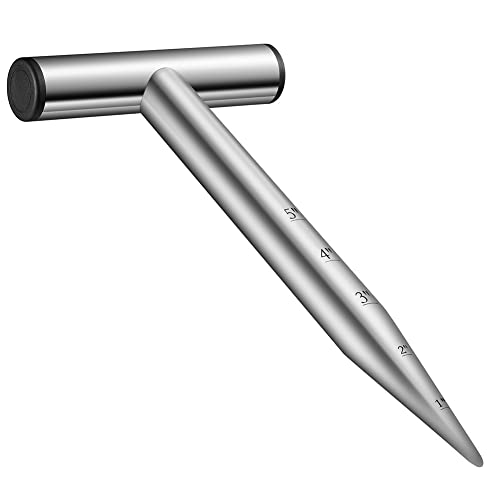
Sukiise Hand Dibber, Seed Dibber, Bulb Planter Tool

2PCS Bulb Planter Tools Set, Long Handle Garden Transplanter
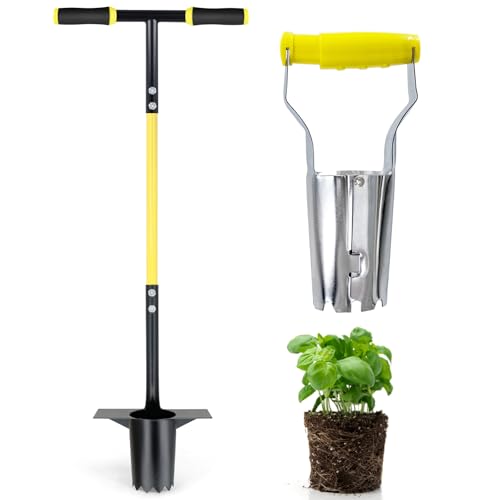
Bulb Planter Tool, Long Handle Sod Plugger

5 Inch Depth Bulb Planter Tool with Automatic Soil Release
More Details On Our Top Picks
The spring-loaded handle gives you a cleaner hand motion than a plain scoop-style planter, so repeated holes feel less awkward in a busy flower bed. The depth marks help you keep bulbs at a more even planting depth, which matters in clay or packed soil where a shallow guess can throw off the row.
You may find the 2.25-inch diameter most useful for standard bulbs rather than larger plugs, and the steel body points to better wear over time than lightweight plastic tools. Compared with the long-handle Colwelt option, this one makes more sense for close-up bed work where control matters more than standing reach.
Strong Points
- Spring action makes lifting soil feel less clumsy.
- Depth graduations help you keep planting depth consistent.
- Rust-resistant steel suits regular outdoor storage better than bare metal.
- Compact size works well in narrow borders and crowded beds.
Things To Consider
- The hand-held format asks more from your wrists than a long handle.
- The 2.25-inch opening suits smaller bulbs better than oversized plugs.
- Sticky clay may still need a little extra clearing between holes.
Feature Snapshot
Who It Suits Best
Home gardeners who want a compact hand tool for bulbs in borders, containers, or patch repairs will get the most from this shape.
A Better Fit Elsewhere
Colwelt Bulb Planter Tool Long Handle, Serrated Base suits you better for standing work in larger beds, especially when you want less bending.
Standing gardeners tend to appreciate a long-handle planter like this because it shifts effort from your back to the tool itself. The serrated base helps bite into turf and packed ground, and the soft grip gives you a more settled hold during repeated holes.
The stated hole size, 3-1/2 inches across and up to 4-7/10 inches deep, makes it a better match for tulips, iris, and daffodils than the smaller Fiskars hand tool. The trade-off is size and storage, since long handles take more room in a shed and can feel like overkill for small container jobs.
What We Like
- Long handle reduces bending during repeated planting.
- Serrated base helps in denser soil and sod.
- Soft grip improves control during longer sessions.
- Hole size suits common spring bulbs well.
- Works for both bulb work and patch digging.
Worth Noting
- Long-handled tools need more storage room than compact hand planters.
- The larger footprint is less handy in tight edging.
- Very stony ground can still slow the digging rhythm.
Details At A Glance
Who Will Love This
Gardeners doing larger beds, border rows, or repeated bulb planting from a standing position will get the most from this layout.
Another Choice May Suit
Fiskars Bulb Planter, Spring-Loaded Handle makes more sense for compact beds and closer work where a smaller hand tool feels faster.
This Berry&Bird model leans into a classic hand-tool feel, with stainless steel paired to a short wooden handle for close control in flower beds. The 4-inch depth mark gives you a practical reference, so repeated plantings stay more even without guessing by eye.
The wood handle can feel comfortable in normal garden work, and owners commonly value the more traditional grip for short sessions around tulips, lilies, and dahlias. Compared with the Fiskars tool, this one feels a little more old-school and less spring-driven, which suits gardeners who prefer a straightforward dig-and-lift motion.
Upsides
- 4-inch depth mark gives clear planting guidance.
- Stainless steel body supports regular outdoor use.
- Wood handle offers a familiar hand feel.
- Good fit for bulbs and transplanting in beds.
Small Caveats
- Short-handle design still asks you to bend or kneel.
- Wood needs normal care and dry storage.
- Best suited to smaller, controlled planting jobs.
Core Details
Best Suited To
You get the most from this one in smaller beds, where a compact hand planter with a clear depth mark feels natural.
Where A Sibling Pick Shines
Bulb Planter Tool, Long Handle Sod Plugger with Serrated Base suits you better than this Berry&Bird option for standing work across wider lawn areas.
A dibber is a simple hand tool for making holes, and this 12-inch version keeps that job direct and compact. The stainless steel body and wooden handle make sense for seed trays, labels, self-watering stakes, and small bulb placements where accuracy matters more than speed.
Compared with Berry&Bird’s depth-marked bulb planter, this one is less specialized and more multipurpose, which is handy in mixed garden routines. The honest read is that it works best for gardeners who enjoy smaller, precise tasks rather than deep turf work.
Best Bits
- Compact dibber format handles many small tasks.
- Stainless steel shaft suits repeated use.
- Wooden handle keeps the tool easy to control.
- Useful for bulbs, seeds, labels, and stakes.
Areas To Watch
- Short length means more hand and wrist work.
- Not aimed at wide lawn hole cutting.
- Wood handle benefits from normal dry storage.
Feature Rundown
Made For
Gardeners who want a small, versatile hand tool for trays, labels, and light bulb planting will feel at home with this dibber.
Skip It When
Colwelt Bulb Planter Tool Long Handle, Serrated Base is the better call for bigger beds and deeper lawn work.
Altdorff gives you the long-handle layout many lawn repair jobs call for, but it adds a non-slip soft grip that helps during repetitive use. The serrated base is the useful part here, since it makes cutting into sod feel less like brute force and more like controlled pressure.
The five-in-one angle points to broader lawn use than the Fiskars hand planter, so this is a better match for patching grass as well as planting bulbs. One thing worth considering is storage, because long-handled tools are easier to use than they are to tuck away.
Highlights
- Long handle supports standing work.
- Soft grip helps during repeated digging.
- Serrated base aids sod and soil cutting.
- Useful for both lawn repair and bulb planting.
Softer Spots
- Needs more storage room than compact hand tools.
- Less convenient for tiny containers or tight corners.
- Best results usually come in workable, not rocky, soil.
Spec Overview
Whose Shelf It Belongs On
You’ll like this most in a yard where bulb planting and grass patching happen in the same season.
Look Elsewhere When
Berry&Bird Garden Bulb Planter with 4 Inches Depth Mark is the neater fit for close flower-bed work and lighter hand use.
The Omesata format follows the same long-handle, serrated-base pattern as other standing tools, but the listing adds a clear soil note that matters in practice. Moist ground without rocks or roots is the sweet spot here, because that’s where a plugger usually moves with less resistance and cleaner soil release.
You may find this more approachable than the Altdorff if you want a straightforward lawn tool without extra feature stacking. It suits gardeners who keep their beds maintained and know their soil tends to stay workable after watering or rain.
Reasons To Buy
- Long handle keeps the work upright.
- Serrated base helps the tool enter soil more easily.
- Clear soil guidance helps set expectations before use.
- Good fit for tulips, iris, and daffodils.
Points To Note
- Works best in moist, workable soil.
- Rocks and roots can slow the process.
- Less suited to tiny pots or narrow edging.
Quick Facts
Built With In Mind
This is a sensible choice for gardeners working in maintained lawns and beds with predictable soil conditions.
Reach For A Different Pick When
Fiskars Bulb Planter, Spring-Loaded Handle suits you better for tight spaces and smaller hand-centered planting jobs.
This Sukiise dibber is built for small, precise tasks, and that makes it useful in seed trays, narrow beds, and tidy container setups. Stainless steel gives it a sturdier feel than a plain plastic punch tool, while the simple hand form keeps you close to the soil for careful placement.
It also doubles as a hole maker for labels and self-watering stakes, which adds real utility in a mixed garden routine. Compared with the Berry&Bird 12-inch dibber, this one feels like the cleaner fit for gardeners who want a short, straightforward tool first.
Best Bits
- Compact form suits careful, close-up work.
- Stainless steel adds durability for regular use.
- Useful for seeds, bulbs, labels, and stakes.
- Easy to store in a small tool caddy.
Room For Improvement
- Short reach means more bending over beds and trays.
- Not meant for broad lawn plug cutting.
- Best for light to moderate hand planting.
At A Glance
Who Should Grab It
Small-space gardeners and tray growers will appreciate the short, accurate feel of this tool.
Swap It Out When
Colwelt Bulb Planter Tool Long Handle, Serrated Base is a better match once you move into larger beds and standing work.
A two-piece set makes sense in a garden where different tasks show up on the same afternoon. The long-handle transplanter handles bigger jobs, while the smaller bulb tool with a deep marker gives you more precision for seedlings, flowers, and vegetables.
That mix gives this set a broader range than the single-purpose Fiskars or Berry&Bird hand tools, which is useful for gardeners who like one kit covering more ground. The trade-off is that neither piece is as specialized as a dedicated heavy-duty plugger for tough lawn work.
What We Like
- Two tools cover both bigger and smaller planting jobs.
- Deep marker helps you stay consistent with hole depth.
- Useful for bulbs, seedlings, flowers, and vegetables.
- Good fit for gardeners who like a flexible kit.
Minor Gripes
- Neither tool is as specialized as a single-task planter.
- Set format takes a little more storage room.
- Best value comes from using both pieces regularly.
Feature Card
The Right Fit
This suits you best when your garden chores shift between transplanting and bulb work in the same season.
Where Shoppers Go Wrong
Omesata Sod Plugger, Bulb Planter Grass Plug Tool is the better call for a single-purpose long-handle lawn tool.
The automatic soil release feature is the main reason this Jardineer tool stands out in a long day of repeated holes. Instead of tapping or shaking soil loose by hand, you get a cleaner rhythm, which is handy for tulips, daffodils, and lilies planted in rows.
Compared with the Omesata plugger, this one leans harder into speed and convenience, so it suits gardeners who value flow over a more basic build. The honest read is that this feels strongest in reasonably even soil, where the release action can do its job without much interruption.
Bright Spots
- Automatic soil release cuts down on hand clearing.
- Long handle helps with standing use.
- Serrated base supports cleaner entry into soil.
- Good for repeat planting in rows.
Trade Offs
- Release mechanisms work best in manageable soil, not heavy debris.
- Long handle needs more storage space.
- Less nimble than a small hand planter in tight spots.
Core Details
Who It Suits Best
You get the most from this if you plant many bulbs in one session and want less clearing between holes.
Consider Something Else When
Fiskars Bulb Planter, Spring-Loaded Handle is the neater option for tighter flower beds and smaller close-range jobs.
This joyhalo planter keeps the appeal simple, with a 5-inch depth and automatic soil release aimed at straightforward garden use. It covers common bulb jobs, and the depth target helps you aim for a more even planting pattern without overthinking each hole.
Compared with the Jardineer long-handle model, this one sounds more compact in spirit, even though the listing is still focused on efficient soil release. For many home gardens, that makes it a practical middle ground between a basic hand dibber and a heavier-duty plugger.
Best Bits
- 5-inch depth suits common bulb planting depth goals.
- Automatic soil release keeps the process moving.
- Works for bulbs, onions, and similar garden jobs.
- Simple layout is easy to understand right away.
Honest Caveats
- Less specialized than some long-handle soil cutters.
- May feel too basic for very large garden workloads.
- Best for straightforward planting rather than broad lawn repair.
Feature Snapshot
Perfect Match For
You’ll appreciate this most if you want a plain, useful planter for routine flower-bed work.
Skip It When
Bulb Planter Tool, Long Handle Sod Plugger is the stronger fit for faster standing work across larger lawn spaces.
How To Choose The Right Bulb Planters
Match The Tool To Your Soil
Soil type shapes the whole experience. Dense clay and packed turf favor serrated bases, spring-assisted handles, or long handles that give you more leverage. Loose bed soil is easier on compact hand tools, so you can focus on depth and spacing instead of brute force.
Rocks and roots change the job quickly. A long-handle plugger can feel slow in stony ground, while a small hand dibber may skip across debris instead of cutting cleanly. Your best match is the tool that suits the ground you already have, not the ground you wish you had.
Choose By Planting Style
Hand planters work well for borders, containers, and careful spacing around existing growth. Long-handle models suit rows, lawn patches, and repeated bulb work where standing posture saves your back. A two-piece set helps when your garden chores move between both styles in the same week.
Depth markings matter more than they first appear. They help you keep bulbs at a consistent level, which is useful for visual neatness and repeat plantings in the same bed. A depth guide can feel like a small thing, then suddenly become the detail that keeps the whole row tidy.
Think About Grip, Weight, And Storage
Wood handles, soft grips, and spring-loaded designs each change how the tool feels in use. A wood handle can feel natural for short sessions, while a soft grip helps during longer stretches. Spring-loaded handles reduce the awkwardness of repeated digging, but they still ask for more hand work than a long handle.
Storage matters too. Compact tools slip into a small caddy, while long-handled planters need a shed corner or wall space. A larger tool can be worth it, though, when the extra reach saves your back during spring planting.
Look For The Right Level Of Flexibility
Some planters are built for one clean job, and others stretch across seeds, plugs, and bulbs. A dedicated bulb planter feels simpler, but a multi-use tool can make more sense for mixed beds or small yards where every tool needs to earn its place. The better choice depends on how much variety your garden routine really has.
For frequent bulb planting, clean release and repeatable depth usually matter more than extra labels on the package. For occasional use, a simpler hand tool may be enough. That balance keeps you from paying for features you’ll rarely use.
Things Worth Knowing First
Common Shopping Slip Ups
Many people grab the wrong handle length first. A long-handle plugger sounds useful until you try to store it in a cramped shed or use it around tight edging. A hand tool may be the better match for containers and narrow beds.
Another common miss is overlooking soil conditions. Serrated bases and automatic release features help in workable soil, but they still need ground that can give a little. Match the tool to your garden, not a product page phrase.
Why Top Tier Costs More
Higher-tier bulb planters usually cost more because of stronger materials, better grip design, and added convenience features like automatic soil release or spring-assisted action. Those details can make repeated planting less tiring and more consistent.
That extra cost makes sense for gardeners who plant often or work larger spaces. For a small spring display, a basic stainless steel hand tool may be enough and easier to store.
Frequently Asked Questions
What size bulb planter works for tulips?
Long-handle models with wider planting heads usually suit tulips better than tiny dibbers. Depth markings also help you keep the spacing more even.
Are hand bulb planters easier to store?
Yes, compact hand tools take far less room in a shed or caddy. They also suit smaller beds and container work more naturally.
Do long-handle planters help with back strain?
They reduce bending, which many gardeners appreciate during repeated planting. That said, the weight and size can still matter during longer sessions.
What does automatic soil release do?
It helps clear soil from the tool so you can keep moving from one hole to the next. That feature is most useful in repeated planting jobs.
Is stainless steel important in a bulb planter?
Stainless steel usually makes cleanup easier and supports better wear over time. It still benefits from dry storage after use.
Closing Thoughts
Your best bulb planter depends on how you garden, not just on the headline feature list. Compact hand tools suit close bed work, long-handle models help in lawns, and mixed sets make sense for gardeners who move between bulbs, seedlings, and patch repairs. Depth marks, grip style, and soil release matter more than flashy wording. Choose the shape that matches your ground, your storage space, and how often you plant, and the job feels a lot more orderly.