Poison ivy can turn a tidy fence line, driveway edge, or brushy corner into a hassle that keeps coming back. You need a chemical that matches the job, because a stump in the back lot asks for something different than a light weed pass along flower beds.
This roundup keeps the focus on real ownership use, not marketing language. You’ll see which picks suit dense brush, lawn-friendly spots, bare ground, and fast cleanup around woody growth.
Quick Look At The Shortlist
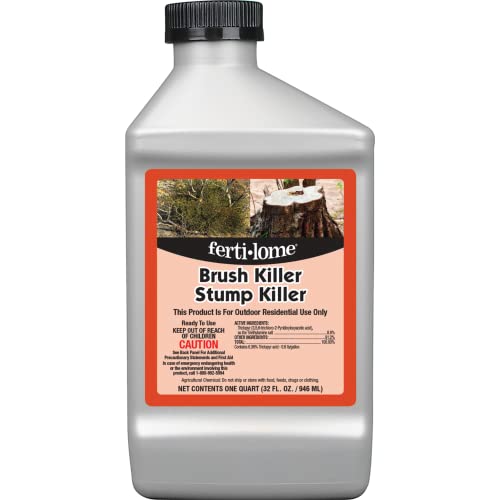
Fertilome (11485) Brush Killer & Stump Killer Woody Plant Control 32 oz

Roundup Dual Action 365 Weed & Grass Killer 1.33 gal.

Roundup Poison Ivy Plus Tough Brush Killer2 Concentrate 32 fl. oz.

Roundup Weed & Grass Killer4 Concentrate 1 gal.

Bonide Poison Ivy & Brush Killer BK-32 32 oz Concentrate

Bonide Vine & Stump Killer With Applicator Concentrate 8 Oz 2 Pack
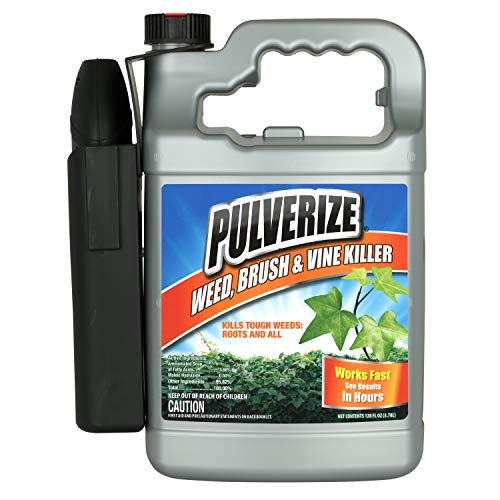
PWBV-B-128-S Brush & Vine Ready to Use Weed Killer Clear

Roundup for Lawns2 Concentrate 32 fl. oz.
Ferti-lome leans into woody growth, so it suits fence lines, brushy corners, and stumps that keep sending up new shoots. The triclopyr ester concentrate matters here, since that ingredient class is commonly chosen for broadleaf brush rather than lawn-style spot cleanup.
You’ll appreciate the 32 oz size on property edges or larger rough areas, though mixing and careful application still take a little patience. Compared with the lighter ready-to-use Pulverize option later in this list, this one feels more like a serious brush tool than a casual sprayer.
Strong Points
- Concentrate format gives you flexibility for different job sizes.
- Built for woody plants, vines, and stump regrowth.
- Useful for owners managing rough ground or mixed brush.
- 32 oz bottle suits recurring property upkeep.
Things To Consider
- Requires mixing, so it asks for a bit more setup.
- Not the cleanest match for quick touch-up spraying.
- Works best where you can keep it away from lawn areas you want to preserve.
Core Details
Who It Suits Best
Property owners handling brushy, non-crop areas will get the most from this one.
A Better Fit Elsewhere
Bonide Poison Ivy & Brush Killer BK-32 fits better for lawn-edge jobs where you want a root-focused formula with a softer footprint around grass.
This pick is built for people who want less repeat work around hardscaped areas, because it combines weed killing with a preventive layer. The included Pump ‘N Go 2 sprayer also makes it friendlier for long driveway edges or patios where hauling around separate equipment gets old fast.
Compared with Ferti-lome’s brush-first concentrate, this one is broader and more maintenance-minded than stump-focused. The trade-off is simple, it’s not the narrow specialist for woody stump control, so dense brush jobs may call for something more targeted.
What We Like
- Dual-action approach handles current growth and future pressure.
- Pump ‘N Go sprayer keeps application more convenient.
- Large 1.33 gal size fits bigger perimeter jobs.
- Good match for spaces you want to keep tidier over time.
Room For Improvement
- Less specialized for thick brush than the triclopyr-based picks.
- The larger container takes more storage space.
- Multi-step use may feel like too much for a tiny patch.
Feature Snapshot
Who Will Love This
Homeowners covering driveways, fence lines, and other broad areas will get a lot out of it.
Another Choice May Suit
Roundup Poison Ivy Plus Tough Brush Killer2 is the better fit for dense poison ivy and tougher vine patches that need a more pointed approach.
This is the most pointed poison ivy specialist in the group, and that matters around tangled growth where a general weed spray can feel too broad. It also names poison oak, poison sumac, wild blackberry, and kudzu, so you’re looking at a brush-control formula built for stubborn overgrowth.
Visible results are described in hours, which suits homeowners who want a faster read on whether the spray reached the right foliage. Compared with Roundup Dual Action 365, this one gives up the preventive angle and leans harder into brush knockdown, which is exactly why many rough-lot shoppers will prefer it.
Highlights
- Targets several tough brush species in one formula.
- Good match for poison ivy-heavy problem spots.
- Concentrate format helps you tailor coverage to the area.
- Faster visible change can help you judge application success.
- Useful for overgrown corners where vines keep spreading.
Worth Noting
- Concentrate use means mixing and measuring are part of the job.
- It is more specialized than a general yard weed spray.
- Overgrowth cleanup still needs follow-up attention in many yards.
Details At A Glance
Built With In Mind
Shoppers dealing with stubborn poison ivy and mixed brush along property edges will benefit most.
Where A Sibling Pick Shines
Fertilome (11485) Brush Killer & Stump Killer Woody Plant Control suits stump and woody regrowth work a little better.
The shape of this one makes sense for anyone clearing broad surfaces, because the 1 gal concentrate is meant for repeat use along driveways, fences, walkways, and flower-bed borders. Visible results in hours also gives it a practical feel for homeowners who like a quick read on treatment coverage.
Compared with the poison ivy-focused Roundup formula above, this pick is less about a single stubborn vine and more about general-area cleanup. The honest read is that it fits broad landscape maintenance better than specialty stump work, so it’s a solid middle-ground choice.
Best Bits
- Large gallon format suits larger cleanup projects.
- Works around common hardscape and border areas.
- Concentrate format gives you better control over coverage.
- Helpful for recurring perimeter maintenance.
Points To Note
- Mixing adds a step compared with ready-to-use bottles.
- Broad-use design is less specialized than the poison ivy-specific formulas.
- The larger jug needs more storage room.
Core Details
Right Fit For
Homeowners who want broad perimeter control rather than a brush specialist will feel at home with this pick.
Skip It When
Bonide Vine & Stump Killer With Applicator Concentrate 8 Oz, 2 Pack is the better match for tiny stump jobs and precise spot work.
Bonide’s BK-32 stands out for a very practical reason, it’s aimed at poison ivy and brush while also calling out root control. That matters in real yards, because top growth is only half the problem when the plant keeps trying to come back from below.
The lawn-friendly angle is a real selling point for edge-of-yard use, though you still want a careful hand around desirable grass. Compared with Ferti-lome, this one feels a touch more turf-conscious, which makes it a smart fit for homeowners cleaning up beside lawns rather than in rough lots.
Upsides
- Root-focused positioning helps with regrowth concerns.
- Useful near lawn edges where brush creeps in.
- 32 oz concentrate gives you decent project flexibility.
- Good balance between brush control and yard use.
Minor Gripes
- Mixing is part of the routine.
- Best results depend on careful targeting.
- Less convenient than a ready-to-spray bottle.
Feature Rundown
Whose Shelf It Belongs On
It fits homeowners who want poison ivy control without giving up grass protection at the edge of the lawn.
Look Elsewhere When
Roundup Poison Ivy Plus Tough Brush Killer2 is the better fit for heavier vine tangles and more aggressive overgrowth.
This one makes sense for tighter jobs, because the 8 oz format and included applicator lean toward precise vine or stump treatment. A 2-pack also gives you a little backup on hand, which is handy in a garage where small yard tasks tend to appear out of nowhere.
Compared with the larger concentrates above, it is far easier to store and simpler to keep around for spot work. The trade-off is capacity, so larger brush patches will ask for a different bottle and probably a wider application plan.
Positives
- Small bottles are easy to store and keep organized.
- Applicator helps with controlled placement on stumps or vines.
- Two-pack format supports repeat small jobs.
Softer Spots
- Smaller size is not built for broad cleanup.
- More suited to targeted use than large properties.
- Less efficient for users who want one bottle for everything.
Quick Facts
The Right Fit
It suits homeowners who want compact, controlled treatment for a few stumps or vine patches.
Reach For A Different Pick When
Ferti-lome (11485) Brush Killer & Stump Killer Woody Plant Control is better for bigger brush jobs that call for more volume and broader reach.
Ready-to-use formulas have a real place in busy yards, and this Pulverize option fits that rhythm well. You skip mixing, pour less time into prep, and can move straight to spot-spraying brush or vines around the yard.
That convenience comes with a trade-off, of course, because ready-to-use bottles are usually less flexible than concentrates. Compared with Bonide’s applicator pack, this one is simpler to grab for a quick pass, though it won’t replace a larger jug on an overgrown property.
Bright Spots
- Ready-to-use format saves prep time.
- Clear finish keeps the bottle straightforward and easy to identify.
- Good for quick spot treatment around the yard.
- No mixing step means less handling before application.
Small Caveats
- Less flexible than a concentrate for larger areas.
- Ready-to-use bottles can run out sooner on bigger jobs.
- Better for convenience than for heavy-duty volume.
Feature Card
Who Should Grab It
It suits homeowners who want a straightforward spray bottle for smaller brush and vine tasks.
A Better Fit Elsewhere
Roundup Dual Action 365 Weed & Grass Killer is the better pick for larger perimeter jobs where ongoing suppression matters more than instant convenience.
This pick is aimed at lawns, not bare-ground brush work, and that difference matters more than it first seems. It names northern grasses and specific weeds like crabgrass, dandelion, clover, and yellow nutsedge, so it fits people who want weed control without stepping outside turf use.
Compared with the brush-focused bottles in this list, it belongs in the grass-care lane. The honest read is that it’s a smart match for lawn maintenance, but it’s the wrong tool for poison ivy tangled in hedges or along wild edges.
Reasons To Buy
- Built for use on northern turfgrass.
- Targets common lawn weeds that spoil clean edges.
- Concentrate format suits repeat yard maintenance.
- Better fit for turf care than rough brush control.
Areas To Watch
- Not a brush specialist.
- Less relevant for stump or vine cleanup.
- Mixing is required, which adds a step.
Core Details
Whose Shelf It Belongs On
It belongs on the shelf of a homeowner caring for a northern lawn that needs weed cleanup without leaving the turf lane.
Swap It Out When
Roundup Poison Ivy Plus Tough Brush Killer2 is the better fit for poison ivy and woody overgrowth away from the lawn.
How To Choose The Right Chemicals To Kill Poison Ivy
Match The Formula To The Growth Pattern
Poison ivy rarely shows up in neat little patches, so the plant form matters as much as the product label. A triclopyr-based concentrate usually fits woody stems, climbing vines, and brushy edges better than a broad lawn spray, because the target is tougher and less tidy.
Ready-to-use bottles work better for a small pass along a fence or shed, where convenience matters more than mixing flexibility. Concentrates make more sense for larger properties, but they ask for measuring, sprayer care, and a little more storage discipline.
Think About Where You’ll Apply It
Location changes the whole decision. Bare ground, stone edges, fence lines, and stump areas can handle a different formula than lawns or flower-bed borders, and the wrong match can leave you over-treating a space that needed something gentler.
That’s why lawn-safe language matters, especially around turf you want to keep looking even. Brush killers belong in rougher areas, while lawn-specific products belong in grass, not on woody vines climbing a post.
Pay Attention To Coverage And Convenience
Container size sounds boring until you’re halfway through a long driveway edge or an overgrown back corner. A gallon jug suits repeated maintenance, while an 8 oz bottle with an applicator is better for small stump jobs or a few stubborn sprouts.
The convenience trade-off is real. Built-in sprayers and ready-to-use bottles save prep time, but concentrates usually give you more control over how much product you apply and where it goes.
Choose For Your Maintenance Style
Frequent yard upkeep calls for a bottle you can store, mix, and pull out again without a fuss. One-time cleanup often favors a more specialized brush killer, especially where ivy, blackberry, or stump regrowth keeps returning.
For most homes, the smartest choice is the one that matches both the plant and the place. That keeps your purchase practical instead of oversized, and it saves you from reaching for a second product right after the first one arrives.
What To Weigh Before You Choose
Mistakes Worth Dodging
Shoppers often grab a general weed spray for a vine problem, then wonder why the bottle feels too broad for the job. Poison ivy and brush control usually need a more targeted formula, especially around stumps or woody regrowth.
Another common miss is forgetting about surface type. A lawn-focused product belongs in turf, while rough-area chemicals fit driveways, fencelines, and brushy ground much better.
The Upgrade Payoff
Higher-tier options usually cost more because they give you more control, more coverage, or a more specialized ingredient profile. That can mean a concentrate format, a built-in sprayer, or stronger fit for stubborn brush rather than simple surface weeds.
Spending up makes sense for larger properties, recurring overgrowth, or spots where poison ivy keeps coming back from the same root system. For a small patch, a simpler bottle is usually enough, and that keeps storage and setup easier.
Frequently Asked Questions
What kind of product works best on poison ivy?
A brush killer or poison ivy-specific concentrate usually fits best. The right pick depends on whether you are treating vines, stumps, or lawn edges.
Are concentrates better than ready-to-use sprays?
Concentrates give you more flexibility and often make more sense for larger jobs. Ready-to-use sprays are simpler for quick spot treatment.
Can you use these products around lawns?
Some are made for lawn use, while others belong on rough ground or non-crop areas. The label and target plants matter more than the container size.
What matters most for stump control?
A product that names stump or woody plant control is a better fit. A general weed spray usually does not address that kind of regrowth as directly.
How do you choose for a small yard?
A compact bottle or ready-to-use spray keeps storage simple and avoids waste. Larger concentrates make more sense only when you have repeated brush work ahead.