Planted tanks look calm from across the room, but the setup behind that calm can be fussy. You need the right CO2 piece for your tank size, tubing, layout, and how much tinkering you want to do on a weekday night.
That is why this roundup focuses on practical fit instead of flashy claims. Some options suit compact glass setups, while others make more sense for larger tanks, inline plumbing, or simple monitoring.
Quick Look At Our Shortlist

Fzone 2.5 L Aquarium CO2 Generator System

TWINSTAR CO2 Diffuser L-24mm

TWINSTAR CO2 Diffuser M-19mm

FZONE Aquarium Inline CO2 Diffuser

FZONE Aquatic CO2 Glass Drop Checker
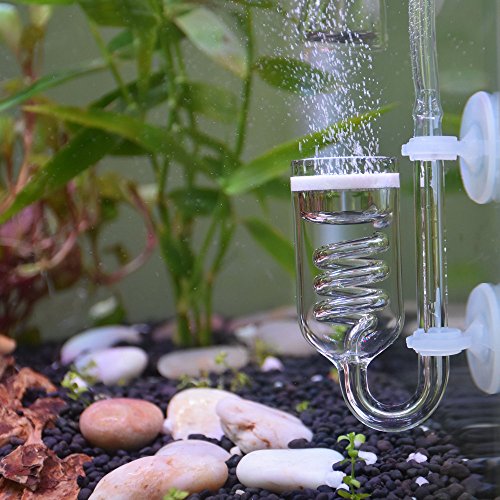
Yagote Glass CO2 Reactor, 3 Spiro

Fluval Ceramic CO2 Diffuser A7548

JARDLI Pollen Glass CO2 Diffuser 2″
More Details On Our Top Picks
For a planted tank that needs a fuller CO2 setup, this FZONE unit pulls more weight than a simple diffuser. The 2.5 L reactor tank, regulator, and needle valve point you toward a more complete gas-control path, which suits hobbyists who want fewer separate parts hanging off the setup.
The trade-off is plain: more equipment means more space, more connections, and more attention during installation. You may find it better for a dedicated aquascape than for a small starter aquarium, especially since the kit leans toward owners comfortable with a more involved build.
Strong Points
- Includes the core pieces for a fuller CO2 system.
- 2.5 L capacity suits tanks that need steadier supply planning.
- Needle valve gives you finer output control in daily use.
- Works well for planted tanks that outgrow basic add-ons.
Things To Consider
- Takes up more cabinet or stand space than a compact glass diffuser.
- Setup is more involved than a single-piece inline option.
- Maintenance can feel heavier for casual hobbyists who want simple upkeep.
Feature Snapshot
Who It Suits Best
Planted-aquarium hobbyists who want a more complete CO2 system rather than a single diffuser will get the most out of this setup.
A Better Fit Elsewhere
TWINSTAR CO2 Diffuser L-24mm suits you better when you want a cleaner glass look for a freshwater display tank without adding a larger gas-generation unit.
This TWINSTAR piece is the cleanest-looking option in the group, and that matters in tanks where glass clarity is part of the display. The acrylic body keeps the visual footprint light, while the porous membrane is built to form very fine bubbles, which can help with smoother CO2 spread in a planted freshwater layout.
The honest read is that it suits display-minded aquariums more than rough-and-ready utility setups. Compared with the FZONE system, you’re getting a much simpler component, so it’s easier to place but does less outside its narrow job.
What We Like
- Ultra clear acrylic keeps the fixture visually discreet.
- Fine-bubble output helps the diffuser blend into a polished scape.
- Porous membrane design points to efficient gas dispersion.
- Made for freshwater aquariums up to 120 gallons, which gives it broad tank compatibility.
Areas To Watch
- Acrylic can scratch more easily than tougher, less transparent materials.
- Best results depend on careful placement and regular cleaning.
- It focuses on one job, so it won’t replace a fuller CO2 system.
Core Details
Built With In Mind
You’ll appreciate this most in a freshwater display tank where a discreet, polished look matters as much as function.
Skip It When
JARDLI Pollen Glass CO2 Diffuser fits better for hobbyists who want a glass accent with a built-in U-shape tube and a more decorative visual style.
The M-19mm version follows the same design logic as the L-24mm model, but it gives you a different size fit for a tank setup that needs another proportion. That makes it a useful sibling option for planted aquariums where the visual style matters, yet the dimensions need to match a tighter layout.
Because it shares the same ultra clear acrylic and porous membrane approach, you can expect the same emphasis on fine bubbles and low visual clutter. The trade-off is also familiar, since the cleaner look comes with more care needs than a rugged black plastic part.
Upsides
- Compact sizing helps it fit different aquascape layouts.
- Clear acrylic keeps attention on the plants, not the hardware.
- Fine bubble output suits planted-tank diffusion goals.
- Works well where a neat, understated look matters.
Small Caveats
- Glass-style clarity comes with more careful handling and cleaning.
- Its value depends on matching the size to the tank layout.
Details At A Glance
Who Should Grab It
Freshwater aquascapers who want a tidy, low-visibility diffuser and need a size closer to the M-19mm layout will get the best match here.
Another Choice May Suit
Fluval Ceramic CO2 Diffuser A7548 makes more sense for a straightforward ceramic option when you care less about the ultra-clear acrylic look.
Inline design changes the whole feel of a CO2 setup, because the diffuser sits in the plumbing instead of inside the tank. That keeps the aquarium cleaner-looking, and the 3/4 inch inner diameter tubing fit makes it a clear match for systems already built around that hose size.
The trade-off is obvious: this is for a more organized filtration line, not for a quick plug-in setup on a shelf. You may find it especially useful on tanks where you want less hardware in view, while the Yagote reactor is the more open-ended choice for bigger tank ranges.
Best Bits
- Inline placement keeps the diffuser out of sight inside the tank.
- Designed for 3/4 inch inner diameter tubing.
- Works well for neat, equipment-light aquarium cabinets.
- Pairs naturally with filter-based plumbing setups.
Worth Noting
- Only suits systems that already use the listed tubing size.
- Installation asks for more plumbing awareness than a glass piece.
Feature Rundown
Right Fit For
You’ll get the most from this on a planted aquarium with established filtration plumbing and a strong preference for minimal in-tank hardware.
Where A Sibling Pick Shines
FZONE 2.5 L Aquarium CO2 Generator System suits hobbyists who want a more complete setup rather than an inline component alone.
Not every CO2 setup needs a bigger diffuser, and that’s where this glass drop checker earns its place. A drop checker is a visual monitor that uses a liquid color change to help you judge CO2 levels in a tank, so it gives you a simple check-in point instead of guesswork.
That makes it handy in a busy planted tank routine, especially for hobbyists who want a steady glance at conditions without extra electronics. The limitation is straightforward, though, because it monitors rather than diffuses, so it belongs alongside the earlier picks instead of replacing them.
Positives
- Helps you keep an eye on CO2 behavior with a simple visual cue.
- Glass construction suits planted tanks where clear accessories matter.
- Easy to fold into a regular maintenance routine.
Points To Note
- It does not diffuse CO2, so it works as a companion piece.
- Glass parts need careful cleaning and handling.
Quick Facts
Whose Shelf It Belongs On
Planted-tank keepers who like a simple, low-tech way to monitor CO2 will appreciate this more than someone chasing a full diffusion upgrade.
Not Your Match When
TWINSTAR CO2 Diffuser M-19mm is the better fit when you need an actual diffuser for gas spread inside the aquarium.
This Yagote glass reactor sits in the middle ground between compact decorative pieces and a larger system like the FZONE generator kit. The 3-spiro shape points to a more involved diffusion path, and the stated tank range from 15 to 200 gallons makes it easier to place in both modest and larger planted setups.
That range is useful on paper, but the actual fit still depends on your plumbing layout and how much room you have for a glass component. In most home aquariums, this feels like a sensible step up for someone who wants a clearer, more efficient-looking reactor without jumping all the way into a full cabinet system.
Reasons To Buy
- Broad tank range makes it adaptable across different aquarium sizes.
- Three-spiro design suggests a more deliberate diffusion path.
- Glass build suits planted tanks that lean toward a polished look.
- Good middle-ground choice between simple glass pieces and bigger gas systems.
Room For Improvement
- Glass needs careful handling during installation and maintenance.
- Exact fit still depends on how your tank and cabinet are arranged.
Spec Overview
Best Suited To
Planted-aquarium owners who want a glass reactor with room to scale up across different tank sizes will find this a sensible match.
Look Elsewhere When
FZONE Aquarium Inline CO2 Diffuser fits better for a cabinet-friendly build that keeps the diffuser hidden inside the plumbing line.
The Fluval A7548 keeps things plain in a good way, which is useful for planted aquariums that need a straightforward ceramic diffuser. Ceramic means the porous material helps break gas into smaller bubbles, and that keeps the hardware focused on function rather than show.
Compared with the clearer glass picks above, this one leans more utility-first, and that can be a relief in a tank where you care more about steady routine than decorative hardware. It should suit hobbyists who want a familiar, low-drama part that fits into a basic planted setup without asking for much fuss.
Highlights
- Ceramic build gives you a familiar diffuser style for planted tanks.
- Simple form keeps the setup straightforward.
- Less visual fuss than ornate glass components.
- Good match for routine tank maintenance habits.
Softer Spots
- Looks more utilitarian than the acrylic and glass options in this list.
- Ceramic parts can need regular cleaning to stay effective.
- It offers less of a decorative statement than the TWINSTAR picks.
Core Details
Who Will Love This
You’ll likely prefer this in a planted tank where you want a familiar, no-frills diffuser and don’t need the cleaner visual impact of ultra-clear acrylic.
A Better Fit Elsewhere
TWINSTAR CO2 Diffuser L-24mm suits a display-focused freshwater setup better because it blends into the scape with a lighter visual profile.
The JARDLI piece stands out because the U-shape connecting tube is already part of the design, which can simplify how it sits in a planted tank. That built-in shape makes the unit feel more intentional than a plain glass diffuser, especially in a setup where you want the hardware to follow the tank line neatly.
The 2 inch size and stated 50 to 80 US gallon range place it in a comfortable mid-size zone. The catch is that glass accessories still ask for care, so this is better for someone who likes a tidy aquascape and does not mind a gentler hand during cleaning.
Bright Spots
- Built-in U-shape tube can make installation feel more orderly.
- Good fit for mid-size planted aquariums.
- Glass construction works well in visually clean tank layouts.
- Helpful when you want diffuser hardware to sit neatly in the scape.
Honest Caveats
- Glass parts need more careful handling than tougher plastics.
- Works best when the tank size matches the stated range closely.
Feature Card
The Right Fit
Planted-aquarium hobbyists with a mid-size tank and a taste for tidy glass hardware will get the most from this layout-friendly design.
Swap It Out When
FZONE Aquarium Inline CO2 Diffuser is a better match for you when keeping hardware inside the plumbing line matters more than showing a glass piece in the tank.
How To Choose The Right Co2 Diffusers
Start With Tank Size And Plumbing
Tank volume sets the first boundary, because a diffuser that suits a 50-gallon layout can feel undersized or visually out of place in a much larger setup. The TWINSTAR and JARDLI options make size ranges easier to match, while the FZONE inline diffuser asks you to think about tubing fit first. That kind of pairing matters more than fancy wording on the listing.
Plumbing style comes next. Inline units hide inside the filter line, glass pieces sit in plain view, and a generator kit changes the setup from a single part to a fuller system. You’ll feel that difference most in a cabinet with limited room, where hose routing can become the real challenge.
Match The Material To The Look You Want
Acrylic, glass, and ceramic each bring a different ownership feel. Ultra clear acrylic, like the TWINSTAR models, stays visually light in a planted tank, while glass, like the JARDLI and Yagote picks, feels more decorative but asks for gentler handling. Ceramic, as on the Fluval A7548, leans plain and durable in daily use.
The trade-off is simple. Clear materials look cleaner, but they usually show fingerprints, mineral buildup, and scratches more easily, while ceramic hides in the background but does not offer the same showpiece feel. That choice usually comes down to whether your tank is a display first or a utility-first setup.
Decide How Much Control You Want
A basic diffuser only handles dispersion, while a drop checker helps you watch what’s happening and a generator kit adds more control pieces. That means your real decision is not just shape, it’s how much oversight you want on the system. Hobbyists who like to fine-tune the setup often prefer the FZONE generator kit or the FZONE drop checker as a companion.
Lower-maintenance setups suit simpler routines. A ceramic or glass diffuser can be enough for a tank that stays stable, but a larger planted aquarium often benefits from more visible control points, especially during the first stretch after setup. The right choice saves you from stacking extra parts later.
Things Worth Knowing First
Hidden Buying Traps
A common miss is buying for appearance alone and ignoring hose size or tank range. An inline model can be excellent, yet it won’t help much if your tubing does not match, and a decorative glass diffuser can look lovely while still being awkward in a tight cabinet. The practical move is to check fit before style.
Another trap is treating a monitor like a diffuser. The FZONE glass drop checker is useful, but it does a different job from the TWINSTAR and Fluval diffusers, so it should support the system rather than replace it. That distinction saves frustration after installation.
The Upgrade Payoff
Higher-tier pieces usually cost more because they give you better material quality, cleaner presentation, or more control over the system. Ultra clear acrylic, precise inline integration, and a fuller generator setup all add complexity, and that complexity tends to show up in the price. You are paying for fit, finish, and convenience more than a dramatic functional leap.
The upgrade makes the most sense for a display tank, a large planted layout, or a setup with enough plumbing to justify a hidden diffuser. For a modest aquarium with a relaxed maintenance routine, a simpler ceramic or glass option is often the calmer choice.
Frequently Asked Questions
What does a CO2 diffuser do in a planted tank?
A diffuser breaks CO2 into smaller bubbles so it can spread more evenly in the water. That helps the gas mix into the tank instead of rising as larger bubbles.
Do you need an inline diffuser for every aquarium?
No, inline models fit best on setups with external filtration and matching tubing. A glass or ceramic diffuser is usually simpler for tanks that do not use that plumbing style.
Why do some CO2 diffusers use glass or acrylic?
Clear materials keep the hardware visually subtle in a planted aquascape. They also suit hobbyists who want the equipment to blend into the tank instead of standing out.
What is a drop checker used for?
A drop checker is a visual monitor that helps you watch CO2 conditions in the aquarium. It does not add CO2, so it works alongside the diffuser rather than in place of it.
How do you choose the right size diffuser?
Start with the tank size range stated for the item, then check how much room you have for placement. A mid-size model like the JARDLI 2 inch option suits a different layout than a compact inline piece or a larger generator setup.