Flower beds ask a lot from compost. You want loose texture, steady moisture help, and enough organic matter to keep roots comfortable without turning the bed into a heavy slab.
This roundup focuses on compost-style amendments that fit real yard jobs, from raised borders and perennial beds to containers tucked along a porch. You’ll also see where a manure blend, worm castings, or coco husk chips make more sense than a plain compost bag.
The Shortlist At A Glance

Espoma Organic Land and Sea Gourmet Compost 1 Cubic Foot Bag

Back to the Roots Organic Worm Castings 5lb

Ribbon Organics OMRI Certified Organic Compost 7.9 Gallons

Old Potters Organic Compost Plant-Based Potting Soil 24 Quarts

R&M Organics Compost Soil Amendment 10 lb

Black Kow Composted Natural Cow Manure Fertilizer 8 qt
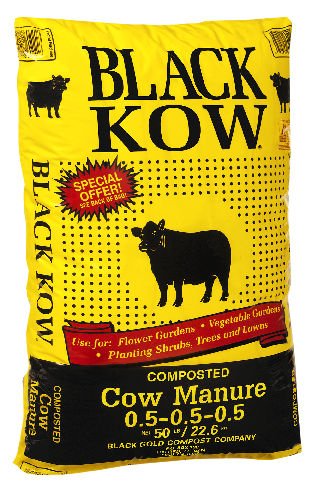
Black Kow Composted Cow Manure 35 lb Bag

Halatool Coco Husk Chips 2.2 LB, 2 Pcs
More Details On Our Top Picks
Espoma’s blend stands out because it mixes land-based compost with lobster and crab meal, so the profile feels richer than a plain garden compost bag. In a flower bed that needs more than basic organic matter, that kind of layered feeding can make sense for established shrubs, roses, and mixed borders.
The 1 cubic foot bag suits targeted work, not a full yard overhaul, and that’s part of the appeal. You get a more focused amendment that’s easier to carry, easier to stash, and less wasteful for smaller projects.
Strong Points
- Seafood meal adds a more layered feeding profile than plain compost.
- Works well for flower beds, shrubs, trees, and vegetable patches.
- 1 cubic foot sizing keeps handling manageable for small to mid-size jobs.
- Useful where the bed needs organic matter and a richer amendment together.
Points To Note
- The smaller bag is less efficient for broad bed refreshes.
- The seafood-based mix may feel too specialized for very simple top-dressing.
- Storage is easier than with bulk bags, though you still want a dry spot.
Core Details
Who Will Love This
You’ll like this most for smaller flower beds, mixed borders, and shrubs that benefit from a more nutrient-rich compost blend.
Where A Sibling Pick Shines
Ribbon Organics OMRI Certified Organic Compost is the easier call for gardeners who want a larger volume of straightforward compost for wide beds.
Worm castings are a gentle soil enhancer, not a bulky compost replacement, and that difference matters in flower beds. They fit neatly into top-dressing jobs, container refreshes, and spring bed maintenance where you want a softer touch than a heavy manure blend.
Back to the Roots packages that idea in a compact 5 lb bag, which makes storage and handling simple in a potting shed or apartment balcony setup. You may find it especially useful alongside a fuller compost like Espoma or Ribbon Organics, since castings work well as a smaller finishing amendment.
Highlights
- Fine-texture castings spread easily over beds and containers.
- 5 lb size is convenient for small spaces and quick refreshes.
- Acts as a soil enhancer rather than a coarse, bulky amendment.
- Made in the USA, which may matter to shoppers who prefer domestic sourcing.
Small Caveats
- The bag is small for large flower-bed projects.
- Castings work best as a booster, so they do not replace a fuller compost load.
- For broad-area coverage, a bigger bag from Ribbon Organics or Black Kow is more practical.
Feature Rundown
Made For
You’ll get the most from this in containers, small beds, and detail work where a lighter soil enhancer makes more sense than a full compost load.
Another Choice May Suit
Old Potters Organic Compost Plant-Based Potting Soil fits better for gardeners who want a larger potting-style mix for indoor and outdoor containers.
This is the bag that makes sense for gardeners who want a straightforward compost volume without stepping into specialty territory. The 7.9 gallon size, paired with a 32 to 35 pound fill range, points to a more substantial batch for beds that need regular top dressing or seasonal mixing.
Compared with the smaller Espoma and Black Kow 8 qt pack, Ribbon Organics is the practical middle ground for broader flower-bed coverage. The compost format stays simple, which helps when you want one reliable amendment rather than a blend with extra ingredients.
Upsides
- Large volume suits broad beds and repeat use.
- Simple compost format keeps application easy to understand.
- OMRI certification is a useful trust signal for organic gardening workflows.
- Bag weight gives you more coverage per purchase than small hobby bags.
Worth Noting
- The bigger bag takes more storage space than compact options.
- Moving 32 to 35 pounds is less convenient than carrying a 5 lb or 8 qt bag.
- Plain compost suits many beds, though some flower borders may still want a richer blend like Espoma’s sea meal mix.
Details At A Glance
The Right Fit
You’ll appreciate this most for medium to large flower beds where steady compost coverage matters more than a specialty ingredient list.
Look Elsewhere When
Back to the Roots Organic Worm Castings is the better fit for tiny spaces and container gardeners who want a lighter, finer soil booster.
Old Potters leans more toward a plant-based potting soil feel than a coarse garden compost, so it makes sense for containers as much as beds. That mix of indoor and outdoor use is helpful when your flower setup moves between porch pots, balcony planters, and seasonal transplanting.
The source data points to a 24 quart, roughly 25 lb package, which is a comfortable middle size for home gardeners who need a workable amount without a bulky sack. You may find the plant-based approach especially useful for mixed displays where texture and water retention matter more than raw volume.
Bright Spots
- Useful for both indoor and outdoor growing setups.
- Plant-based composition suits gardeners who prefer a compost-style potting medium.
- 24 quart size is easy to manage for containers and smaller beds.
- Source notes point to stronger soil structure support through better aeration and water holding.
Areas To Watch
- The package is more suited to containers than broad flower-bed coverage.
- For large landscape beds, Ribbon Organics or Black Kow 35 lb is the more efficient route.
- The compost-plus-potting-soil angle may feel less straightforward than a pure compost bag.
Feature Snapshot
Built With In Mind
You’ll get the most from this in flower pots, mixed patio containers, and smaller garden spaces where a potting-style compost blend feels right at home.
Where Shoppers Go Wrong
Black Kow Composted Cow Manure 35 lb Bag is the better fit for large beds that need a heavier-volume soil amendment.
R&M Organics sits in the middle of the pack in a useful way, because it targets both flower beds and lawns without feeling overbuilt. The manure-based formula is the detail that stands out, especially for gardeners who want a moisture-holding amendment with a lower-key odor profile than some fresh-looking organics can bring.
That makes it handy for raised beds, herb patches, and mixed borders where you want compost support without a fussy routine. The 10 lb size is manageable, though it works best as a targeted amendment rather than the main material for a whole yard reset.
Reasons To Buy
- Manure-based composition gives the soil a more traditional amendment feel.
- Moisture retention helps in beds that dry quickly between waterings.
- Useful across flowers, herbs, raised beds, and lawns.
- 10 lb packaging is simple to carry and store.
Softer Spots
- The bag size is modest for broad garden areas.
- Manure-based compost can be a preference-driven choice, so some gardeners may want a plant-based bag instead.
- For large-scale spreading, Black Kow’s 35 lb bag is the more efficient pick.
Technical Sheet
Whose Shelf It Belongs On
You’ll like this most for routine bed amendments and herb spaces where a compact, moisture-friendly compost mix gets the job done.
Swap It Out When
Espoma Organic Land and Sea Gourmet Compost is the better fit for flower beds that call for a richer, more specialized blend.
This Black Kow pack is the compact version, and that makes it easier to slip into a routine flower-bed refresh or a few potted plants. For container gardeners and small raised beds, 8 quarts is the kind of size that feels useful without taking over storage space.
Compared with the 35 lb bag, this one is clearly about portability and spot treatment. You may find that more convenient for seasonal top-ups, though large borders will still need a bigger volume from Ribbon Organics or the larger Black Kow sack.
Best Bits
- Compact 8 quart size is easy to handle.
- Useful for potted plants and raised beds.
- Composted cow manure is a familiar amendment for many garden setups.
- Handy for compost tea prep and small soil corrections.
Minor Gripes
- The small volume is not aimed at broad bed coverage.
- Frequent top-ups may be necessary for larger gardens.
- Storage is simple, but the bag size also means less coverage per purchase.
Core Details
Who Should Grab It
You’ll appreciate this most for patio containers, small raised beds, and quick amendment jobs where a compact manure compost is enough.
Another Choice May Suit
Black Kow Composted Cow Manure 35 lb Bag suits gardeners who want the same style of amendment in a far larger volume.
Black Kow’s 35 lb bag is the workhorse in this group, built for people who need a lot of composted manure without fussing over specialty ingredients. For a long flower bed, a renovation project, or a lawn-to-border transition, the volume makes the job feel less piecemeal.
It pairs especially well with larger spaces because you can spread it more evenly instead of rationing out small bags. The trade-off is simple enough: it takes more storage room and more lifting than the compact 8 qt version, so it suits bigger projects rather than quick container work.
Positives
- Large 35 lb bag covers far more ground than smaller packs.
- Well suited to heavy top-dressing and broader bed prep.
- Composted cow manure is a familiar choice for soil amendment work.
- Good match for gardeners who want one substantial bag instead of several small ones.
Trade Offs
- The bag is bulky to move and store.
- Too much volume for small pots or balcony planters.
- For finer-textured or more specialized amendments, Espoma or worm castings may fit better.
Feature Card
Perfect Match For
You’ll get the most from this in large flower beds, broad borders, and lawn edges that need a substantial amendment in one bag.
Where Shoppers Go Wrong
Back to the Roots Organic Worm Castings is the more sensible pick for tiny gardens, balconies, and lighter container upkeep.
Halatool is the outlier here because coco husk chips are more about structure than feeding. That makes them useful in flower-bed mixes that need air pockets, drainage support, or a mulch-like top layer, especially in containers and specialty plant setups.
The 2-piece, 2.2 lb format is compact, and the low EC note matters because EC means electrical conductivity, a rough indicator of dissolved salts in growing media. pH-balanced material helps keep the mix more predictable, though the trade-off is that this is not a full compost substitute and it’s better used as part of a blend.
What We Like
- Useful for loosening mixes that feel too dense.
- Works well as a mulch-like medium around plants and flowers.
- Low EC and pH-balanced wording suggests a more controlled substrate feel.
- Compact packaging is convenient for small gardening setups.
Room For Improvement
- It is a substrate medium, not a full compost.
- The light package size is less suited to large flower-bed renovations.
- Some gardeners will need to pair it with a richer amendment, such as compost or manure.
Feature Snapshot
Who Should Grab It
You’ll like this most for orchids, airy containers, and flower mixes that need more drainage and structure than a standard compost bag can give.
Reach For A Different Pick When
Ribbon Organics OMRI Certified Organic Compost is the more direct choice for gardeners who want a traditional compost base for beds.
How To Choose The Right Composts For Flower Beds
Match The Amendment To The Bed
Flower beds are not all asking for the same thing. A compact border near a walkway may only need a light top-dressing, while a long front-yard bed often needs a bigger compost load and better moisture support.
That’s why a dense manure blend, a plain compost bag, and a fine-textured worm casting serve different jobs. Espoma and R&M lean richer, Ribbon Organics covers more ground, and Black Kow gives you a familiar manure-based route for broad soil work.
Think About Texture Before Anything Else
Texture changes how the bed feels and behaves after watering. Fine material like worm castings slips into the top layer easily, while coco husk chips add air space and structure, which matters in crowded containers or mixes that hold too much water.
Coarser compost can help build body in tired soil, but it also takes more effort to spread evenly. For beds that already drain well, a lighter amendment may be enough, while heavy clay patches often benefit from something that breaks the soil up more clearly.
Choose Volume Based On Real Coverage
Packaging matters as much as formula. A 5 lb bag is comfortable for balcony pots and small refreshes, yet a 35 lb sack makes far more sense for a long bed that would chew through small bags too quickly.
That volume difference is the quiet reason some gardeners keep two types on hand. Small bags handle detail work, large bags handle whole-bed refreshes, and a middle-size compost like Ribbon Organics sits in the practical center.
Use The Bed’s Plant Mix As Your Guide
Mixed flower beds often benefit from a balanced compost, while herb areas and annual borders may do well with a gentler, lighter amendment. Shrubs and roses can appreciate a richer feed, which is where a land-and-sea blend earns its place.
The honest read is that the best compost is the one that fits the planting style you already have. A more specialized product can feel smart for established beds, but simpler compost is usually easier for routine upkeep.
What To Weigh Before You Click
Common Shopping Slip Ups
One easy mistake is confusing a true compost with a potting-style mix or a structural medium. That matters because coco chips build air space, worm castings act like a booster, and a compost bag is closer to the soil-building role most flower beds need.
Another common miss is buying too small a bag for a long border. Small packs feel convenient, but repeated refills get old fast in a large yard.
The Upgrade Payoff
Higher-tier compost products usually cost more because they include more specific inputs, more processing, or more convenient packaging. Espoma’s lobster-and-crab mix, for example, carries a more specialized profile than a plain compost sack.
That extra spend makes the most sense for established flower beds, heavy feeders, or gardeners who want a more targeted amendment. For simple seasonal top-dressing, a straightforward compost often does the same basic job with less fuss.
Frequently Asked Questions
What makes compost useful in flower beds?
Compost adds organic matter that helps soil feel looser and hold moisture better. It also supports a steadier bed texture for roots and top growth.
Can you use worm castings instead of compost?
Worm castings work well as a booster, especially in containers and small beds. They are usually better as a supplement than as the only amendment in a large flower bed.
How much compost should you buy for a border bed?
Small borders can get by with compact bags, while longer runs usually need a larger sack. The right amount depends on the bed length, depth, and how much soil improvement it needs.
Are manure-based amendments okay for flowers?
Manure-based composts are common in flower beds and can be a practical soil amendment. They suit gardeners who want a traditional organic material for larger beds and borders.
What is the role of coco husk chips in a flower mix?
Coco husk chips add structure, drainage, and air space. They are useful when the mix feels too dense and needs a lighter, more open texture.