Composted soil amendments can make a tired bed feel easier to work with, especially when your garden needs better texture, steadier moisture, or a richer planting base. You get the most value from the right mix when you match it to your beds, containers, shrubs, or vegetable patch instead of treating every bag the same. This roundup helps you sort compost blends, manure mixes, and vermicompost with a sharper eye for size, ingredients, and everyday use.
The Shortlist At A Glance

Ribbon Organics OMRI Certified Organic Compost 7.9 Gallons

Coast of Maine Quoddy Blend Lobster & Crab Compost Blend 1 cu ft

Back to the Roots 25.7qt Organic Premium Mulch

Michigan Peat Garden Magic Compost and Manure Blend 2-Pack, 40 Lbs
Coast of Maine Quoddy Blend Lobster & Crab Compost Blend 1 cu ft

Coop Gro Organic Chicken Manure Fertilizer 6 lb. Bag
Purple Cow Organics All Purpose Veggie Mix 1 Cubic Foot Bag

Soil Seed & Water Mikey’s Worm Poop Vermicompost Worm Castings
More Details On Our Top Picks
Ribbon Organics makes sense for small beds, patio containers, and spot amendments where a 7.9-gallon bag feels manageable rather than bulky. The 32 to 35 pound range gives you a clearer handle on handling and storage than a larger loose bulk option, which matters in a garage or shed with limited space.
Compared with the richer blends later in this list, this one reads as a straightforward compost base instead of a feature-heavy mix. You may find that plain structure is exactly the point, especially for topping off beds before planting or refreshing tired soil between seasons.
What We Like
- Manageable bag size for tighter storage areas.
- Useful as a general compost base for beds and containers.
- OMRI listing supports organic gardening plans.
- Easier to move than heavier multi-pack options.
Things To Consider
- Plain compost does less than a manure-rich blend for feeding value.
- The bag size may feel modest for large yard projects.
Feature Snapshot
Who It Suits Best
Container gardeners and small-space growers get the most out of this bag.
A Better Fit Elsewhere
Michigan Peat Garden Magic Compost and Manure Blend 2-Pack, 40 Lbs suits larger yard projects that need more total coverage.
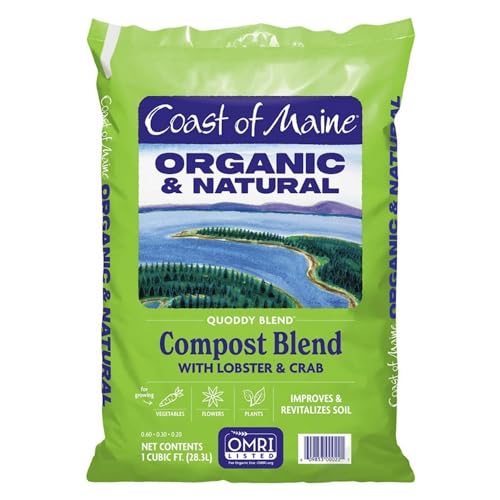
Quoddy Blend stands out because it is not just compost, it’s a layered amendment with composted cow manure, sphagnum peat moss, lobster and crab shell meal, and composted bark. That mix can feel especially useful in vegetable beds or mixed borders where you want more structure, steadier moisture, and a looser root zone.
For most backyards, the trade-off is simple, the ingredient list does a lot, but it also asks you to pay attention to how much amendment your soil actually needs. Compared with Ribbon Organics, this one offers a more complex blend that suits gardeners who want a richer soil-building profile.
Highlights
- Includes composted cow manure alongside shell meal and peat moss.
- Supports drainage and aeration in heavier soil.
- Useful for beds, borders, and broader garden spaces.
- OMRI listing fits organic-use planning.
- Good match for gardeners who want a soil amendment, not just a basic filler.
Small Caveats
- The richer formula may be more than some seed-starting setups need.
- 1 cubic foot is useful, but larger gardens can move through it quickly.
- Mixed ingredients call for a bit more planning than a plain compost bag.
Core Details
Who Will Love This
Gardeners working mixed beds and heavier soil get the most from this blend.
Where A Sibling Pick Shines
Back to the Roots 25.7qt Organic Premium Mulch makes more sense for surface coverage and simpler mulching jobs.
This pick leans more toward mulch coverage than manure-style feeding, so it belongs in the conversation because many gardens need surface protection as much as soil amendment. A 25.7-quart, 1-cubic-foot bag gives you a tidy amount for pathways, beds, or topping areas around plants without hauling a giant pile.
Compared with Quoddy Blend, it feels less ingredient-driven and more task-driven, which helps when you want to finish the job cleanly. The honest read is that this is the simpler option in the group, and that simplicity can be a real advantage in tidy front beds or small backyard refreshes.
Bright Spots
- Good size for manageable mulching jobs.
- Useful for surface coverage around beds and plants.
- Simpler approach than compost-heavy blends.
Worth Noting
- It is mulch, so it serves a different role from manure-based compost.
- The bag size may not stretch far on larger properties.
Quick Facts
Right Fit For
Home gardeners who want a straightforward mulching bag will find this easy to use.
Another Choice May Suit
Coast of Maine Quoddy Blend Lobster & Crab Compost Blend 1 cu ft fits you better when soil improvement matters more than surface mulch.
The 2-pack format is the main story here, because it gives you more total material for broader lawn and garden work. Garden Magic Mix also leans on an odor-free blend, which matters in a side yard, a storage area near the house, or any space where smell is something you’d rather keep in check.
Compared with Ribbon Organics, this is the practical volume play, not the compact-bag play. You may find it especially helpful for filling beds, improving potting mixes, or spreading amendments across a larger planting area without constantly reordering small bags.
Positives
- Two bags give you broader coverage.
- Odor-free blend is easier to store near living spaces.
- Works across lawn, planting, and potting tasks.
- Useful for gardeners who prefer buying enough material at once.
Points To Note
- Two bags take more storage room than a single small bag.
- The blend is broad-use, so it may feel less specialized than a targeted compost mix.
Details At A Glance
Made For
Gardeners with bigger beds or mixed planting projects get the clearest payoff here.
Look Elsewhere When
Soil Seed & Water Mikey’s Worm Poop Vermicompost Worm Castings suits smaller, more focused container work better.
This version of Quoddy Blend deserves its own slot because the ingredient story stays strong and the use case stays clear: better soil movement, better rooting room, and a mix that feels more deliberate than plain compost. The blend of composted manure, peat moss, shell meal, and bark makes sense in beds that tend to hold water too long or compact easily.
Compared with item 2, this is the same family of blend, so the real difference comes down to how you want to source it and how it fits the rest of your garden plan. For many gardeners, it’s the kind of soil amendment that behaves like a well-tuned hinge, it helps the whole setup move more easily without drawing attention to itself.
Reasons To Buy
- Strong mix for improving soil texture.
- Good fit for roots that need more air around them.
- Versatile across vegetables, flowers, and shrubs.
- OMRI listing supports organic-use planning.
Areas To Watch
- The richer ingredient mix can be more than simple topdressing needs.
- Works best when you already know your soil needs amendment, not just filler.
Core Details
Best Suited To
Gardeners working with soil that needs better structure and drainage get the most from this bag.
Swap It Out When
Back to the Roots 25.7qt Organic Premium Mulch is the cleaner match when you only need a surface layer.
Coop Gro shifts the category from compost blends into manure fertilizer, which means it speaks more directly to gardeners looking for a feeding product rather than a simple soil filler. The pelleted format matters because pellets are easier to measure and spread than loose material, especially along rows, around shrubs, or across vegetable beds.
Compared with Purple Cow Organics, this one is more about targeted feeding than ready-to-use compost volume. Depending on your soil and how often you feed, that tighter format can be a real advantage because it keeps application more controlled in a home garden or fruit tree setup.
Best Bits
- Pelleted form is easier to handle and distribute.
- Useful for vegetables, flower beds, indoor plants, and shrubs.
- Compact bag size is simpler to store.
- Good fit for gardeners who want a manure fertilizer rather than a broad compost mix.
Room For Improvement
- The smaller bag will not stretch far on large plots.
- Pellets work best when you’re comfortable following a measured feeding routine.
Feature Rundown
Who Should Grab It
Home gardeners who want a compact manure fertilizer for measured feeding will appreciate this most.
Reach For A Different Pick When
Michigan Peat Garden Magic Compost and Manure Blend 2-Pack, 40 Lbs fits bigger outdoor areas that need more overall material.
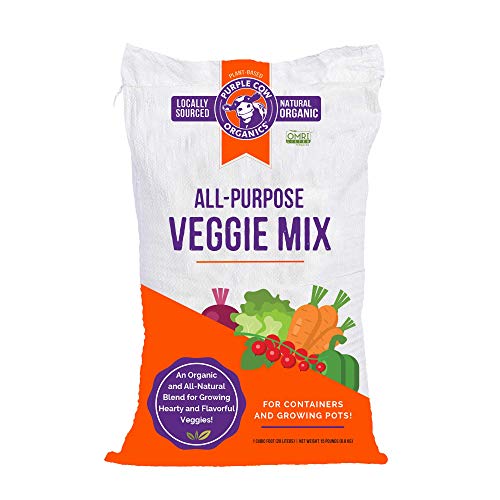
Purple Cow Organics leans into the ready-to-use side of the category, which is helpful when you want to fill raised beds, planters, or vegetable rows without building a mix from scratch. The 1 cubic foot bag is a comfortable middle ground, large enough to matter, small enough to move without much fuss.
Compared with Coop Gro, this is the friendlier choice for gardeners who want a compost blend rather than a more concentrated manure fertilizer. That makes it a sensible fit for mixed planting spaces where vegetables, containers, and planter boxes all need the same basic soil boost.
Positives
- Ready-to-use blend saves mixing time.
- Works well in raised beds, containers, and planter pots.
- Good middle-size bag for common home garden jobs.
- Broad use range helps simplify shopping for mixed spaces.
Minor Gripes
- The broad-purpose formula may feel less specialized than a targeted amendment.
- A single cubic foot is useful, but larger vegetable plots can need more than one bag.
Spec Overview
The Right Fit
Growers who want one compost blend that can move between beds and pots will find this especially easy to work with.
Skip It When
Soil Seed & Water Mikey’s Worm Poop Vermicompost Worm Castings is the better call for tiny container topdressing and finer-textured work.
Worm castings sit in a different lane from bulk compost, and that’s why this one earns a place here. The finer vermicompost texture makes it a natural fit for potted plants, seedling care, and topdressing where you want a gentler, more controlled amendment than a chunky garden blend.
Compared with Purple Cow Organics, this feels more precise and more suited to container work than broad bed filling. You may find the OMRI-listed organic formulation especially handy when you want a cleaner-feeling top layer for indoor pots, porch planters, or small beds that need a careful refresh.
Strong Points
- Fine worm casting texture works well for topdressing.
- Useful in gardens, potted plants, and smaller containers.
- OMRI listing supports organic-use plans.
- Feels more targeted than a general compost blend.
Honest Caveats
- Worm castings are more specialized than fuller compost mixes.
- Container gardeners may move through smaller quantities quickly.
At A Glance
Whose Shelf It Belongs On
Container gardeners and anyone topdressing potted plants will get the clearest value from this bag.
Where Another Pick Suits Better
Michigan Peat Garden Magic Compost and Manure Blend 2-Pack, 40 Lbs is the better match for bigger outdoor jobs that need more total volume.
How To Choose The Right Composted Cow Manures
Read The Ingredient List First
Composted cow manure works best when you know whether you want a plain soil amendment, a blended mix, or a product built for feeding. A plain compost bag can improve texture and help beds hold moisture more evenly, while blends with peat moss, shell meal, or bark change how the soil feels and drains.
That ingredient list matters because not every garden needs the same kind of help. Dense clay beds often benefit from a looser blend, while container gardens usually need a smaller, cleaner, easier-to-handle bag.
Match Bag Size To The Job
Volume tells you more than the label does. A 1 cubic foot bag or a 2-pack can work well for larger beds, while smaller bags make more sense for pots, patio planters, or a single raised section.
Size also affects storage and lifting. The lighter option is easier in a garage with tight shelving, and the heavier option can save trips for gardeners covering broad spaces.
Think About Texture And Use Case
Fine textures, like worm castings, suit topdressing and container refreshes because they spread cleanly. Chunkier compost blends are often better for mixing into beds where you want to loosen the soil profile more deeply.
That difference can save you from buying the wrong material for the job. A mulch-style product helps on the surface, but a manure blend does more work below the top layer.
Choose The Format That Fits Your Routine
Pellets make spreading more controlled, especially in rows, around shrubs, or in small feeding zones. Loose compost bags are easier for broad soil blending, while multi-pack options suit larger properties that need more coverage in one go.
Maintenance matters here too, because some products are easier to store cleanly than others. A tidy bag in the shed is much simpler than managing a bulky pile in the yard.
A Quick Reality Check Before You Choose
Hidden Buying Traps
One common mistake is treating compost, manure fertilizer, mulch, and vermicompost as though they do the same job. They don’t, and the fastest way to choose badly is to skip the job you’re trying to solve.
Another trap is ignoring total volume. A compact bag can look convenient, then disappear fast in a larger bed, which leaves you short halfway through the project.
Why Top Tier Costs More
Higher-tier blends usually carry more ingredient complexity, tighter processing, or a more specialized texture. That extra effort often shows up in the way the product handles water, root space, or spreading control.
Spending up makes sense when your soil has a clear problem, such as poor drainage, weak structure, or a need for more precise topdressing. For a basic seasonal refresh, a simpler compost bag is often enough.
Frequently Asked Questions
What’s the difference between composted cow manure and plain compost?
Composted cow manure usually brings a more fertilizing profile, while plain compost leans more toward soil structure and moisture balance. The better choice depends on whether your beds need feeding, texture improvement, or both.
Can you use composted cow manure in containers?
Yes, but container use works best with a measured amount mixed into the potting setup. Fine-textured products and smaller bags are usually easier to manage in pots and planter boxes.
How often should you add a composted manure blend?
That depends on your soil, your planting density, and the crop or bed type. Many home gardeners use it as a seasonal amendment rather than a constant add-in.
Is a manure blend better for vegetable gardens?
It can be, especially in beds that need extra soil building and a more active amendment. A gentler compost-only bag may suit newer beds or areas where you want a softer touch.
Do you need a large bag for small garden spaces?
No, smaller spaces often do better with manageable bags that are easier to store and spread. Oversizing usually creates more leftover material than you need.