Sandy soil drains fast, warms quickly, and can leave roots working harder than they should. The right cover crop helps slow that loss, adds living cover between seasons, and gives you a better shot at keeping moisture and structure in place.
That matters most in dry yards, open garden beds, and fields that never seem to hold enough organic matter. You’ll see a mix of rye, clover, buckwheat, mustard, and one protective plant-pot option here, so you can match the seed to the way your space actually behaves.
Quick Shortlist For Loose, Fast-Draining Ground
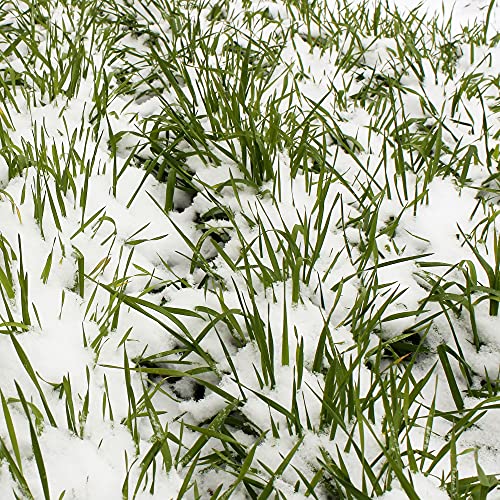
Mountain Valley Seed Co No-Till Winter Rye Seeds 5 Lbs

Outsidepride Buckwheat Seeds 1lb Annual

Todd’s Seeds Red Clover Sprouting Seeds 1lb
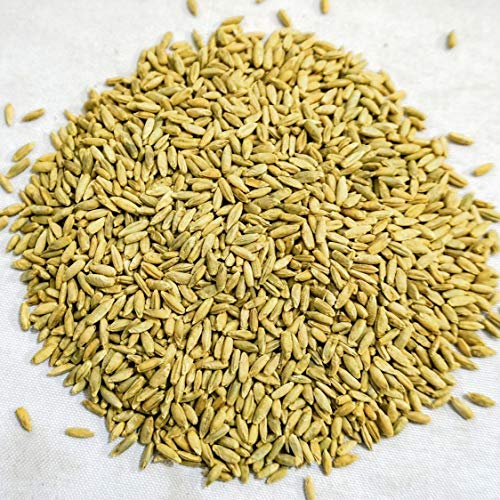
Organic Winter Rye Seeds Non-GMO 3 lb

Outsidepride White Mustard Seeds for Planting 5 lb

BuildASoil No-Till 60% Clover Seed Mix 12 Species

Tri-Clover by Eretz Three Part Blend of Clovers 1lb

4 Pcs Plant Pot Grid Soil Protector Covers Cuttable
More Details On Our Top Picks
Winter rye earns its place in sandy soil because it keeps growing when the weather turns cool and the ground wants to wash or blow bare. The no-till label also makes sense for gardeners who want a cover crop they can leave in place longer instead of digging everything under right away.
Mountain Valley Seed Co’s 5-pound bag suits fall seedings, spring sowing, and larger patches where you want broad coverage without a fussy routine. The trade-off is simple, rye is sturdy and useful, but it can feel like more plant than you need in a tiny bed.
Strong Points
- Cold-hardy growth helps keep bare sandy ground from sitting exposed through cooler stretches.
- The 5-pound size covers more ground than a small trial pack, so you can seed a decent bed or border in one go.
- It fits no-till use, which is handy for gardeners who want cover without a lot of soil disturbance.
- Fall or spring sowing gives you flexibility around your planting calendar.
Things To Consider
- Rye can be more vigorous than a small container garden really needs.
- You’ll want a plan for mowing, cutting, or turning it under later so it does not linger past its welcome.
- For tiny raised beds, the bag size may feel larger than necessary.
Core Details
Who It Suits Best
Gardeners with open sandy beds, larger plots, or a need for cool-season ground cover will get the most from this rye.
Where A Sibling Pick Shines
BuildASoil No-Till 60% Clover Seed Mix 12 Species suits mixed beds and a softer clover-heavy feel better than this single-grain option.
Buckwheat fills a short window well, which is exactly why sandy soil gardeners keep coming back to it for summer gaps. It grows quickly, so you can cover open ground between crops without waiting on a slow starter.
Outsidepride’s 1-pound bag suits quick refreshes in small plots, wildlife-friendly borders, and green-manure use where you want living cover that does useful work before the next planting. The catch is that it’s a warm-season annual, so it belongs in the right part of the calendar, not in a cold snap.
Upsides
- Fast establishment helps shield loose soil before wind and rain strip it down.
- It fits many soil types, so you’re not asking much from a sandy patch.
- The 1-pound size is easy to store and easy to open for smaller spaces.
- It works for green manure, habitat, and erosion-minded plantings.
Worth Noting
- As a summer annual, it’s the wrong fit for cool-season cover needs.
- One pound is handy for small areas, but larger gardens may need more than one bag.
- You’ll get the best result by timing it around the warm part of the year.
Feature Rundown
Built With In Mind
You’ll get the most from this seed in small gardens, summer rotation beds, and sandy ground that needs quick coverage.
Swap It Out When
Mountain Valley Seed Co No-Till Winter Rye Seeds 5 Lbs makes more sense for cool-season coverage and longer shoulder-season protection.
Red clover brings a softer, more flexible feel than rye, and that helps in sandy soil where you want living cover without a heavy-handed footprint. The quick sprouting window is useful for gardeners who want to close gaps fast before the soil dries out again.
Todd’s Seeds packages this in a 1-pound bag, which fits small beds, microgreen-style growing, and narrow garden runs nicely. The trade-off is that a small bag calls for more careful planning in larger spaces, since coverage goes only so far.
What We Like
- Red clover works as a cover crop and as sprouting seed, which adds flexibility.
- The fast germination window suits gardeners who want to see progress without a long wait.
- USA-grown and packed sourcing gives the bag a more transparent supply-chain feel.
- Nitrogen-fixing clover is useful in rotation beds that need a gentler follow-on crop.
- The 1-pound size is manageable for small garden projects and seasonal re-seeding.
Small Caveats
- The smaller bag size may not cover a broad open patch in one pass.
- Because it serves more than one role, you’ll want to decide early whether you’re growing for sprouts or field cover.
Core Details
Right Fit For
Small-bed gardeners, herb-style planters, and anyone who wants a clover that can do double duty will appreciate this one.
Look Elsewhere When
Outsidepride White Mustard Seeds for Planting 5 lb makes more sense for a broader rotation plot that needs deeper-rooted coverage.
This Thunder Acres rye option sits in the same general lane as Mountain Valley Seed Co, but the 3-pound size suits moderate coverage better than a larger bag. Organic and non-GMO details will matter most to gardeners who want a cleaner-looking short list without chasing extra features.
For sandy soil, winter rye still does the basic job well, holding a bed together during cool stretches and giving you a dependable blanket between planting cycles. The honest read is that it’s a solid, straightforward seed, not a flashy one, and that’s usually enough for this category.
Bright Spots
- Organic and non-GMO positioning makes the listing easy to understand at a glance.
- The 3-pound bag is a nice middle ground for medium-size plots.
- Winter rye is a familiar cold-season cover for gardeners who want predictable behavior.
- It can bridge the gap between harvest and the next crop without feeling high maintenance.
Areas To Watch
- Rye still needs later management, so it is not a set-it-and-forget-it crop.
- The bag is smaller than the 5-pound rye option above, which may matter for broad coverage.
- For tiny patio plots, even this middle-size pack can be more seed than you need.
Details At A Glance
Whose Shelf It Belongs On
Home gardeners with average-sized beds and a preference for simple rye coverage will get the best fit here.
Another Choice May Suit
Mountain Valley Seed Co No-Till Winter Rye Seeds 5 Lbs is the better fit for larger spaces that need more seed in one bag.
White mustard brings a different profile to sandy soil than rye or clover, because the listing points to a deeper root system and a stronger rotation-minded role. That makes it a useful option for beds that need a more active cover crop between main plantings.
Outsidepride’s 5-pound bag gives you room to cover a larger patch, which is handy in open gardens or broader rotation areas. The trade-off shows up in planning, since a more vigorous crop works best when you already know what comes next.
Reasons To Buy
- The deep-rooted growth profile is a good match for loose sandy ground that needs a bit more anchoring.
- Five pounds offers practical coverage for larger beds and rows.
- The listing also points to forage use, which gives the seed broader garden and farm utility.
- Crop rotation use makes it a sensible bridge crop between heavier plantings.
Points To Note
- Mustard can be more assertive than a simple clover mix, so placement matters.
- You’ll want a clear follow-up plan for cutting, incorporation, or bed turnover.
- For tiny containers, the 5-pound pack is probably more than you need.
Core Details
The Right Fit
Gardeners planning a rotation bed, larger plot, or soil-building project will get the strongest value from this mustard seed.
Where A Sibling Pick Shines
Todd’s Seeds Red Clover Sprouting Seeds 1lb suits smaller beds and lighter coverage better when you want a gentler clover option.
This mix takes a broader approach than the single-species picks above, and that can be useful in sandy soil where you want more than one plant habit working at once. The 60 percent clover base suggests a softer, greener cover that suits gardens you’d rather keep low and natural-looking.
BuildASoil positions it for no-till use, lawn edges, raised beds, and no-mow ground cover, so it leans toward gardeners who want flexibility rather than a single-purpose crop. One thing worth considering is that mixed blends ask for a little more trust in the blend itself, because you’re buying variety instead of one clear species.
Highlights
- The 12-species blend brings diversity that can suit uneven garden conditions.
- Clover-heavy coverage helps create a softer ground layer than rye or mustard.
- No-till use fits gardeners who prefer less disturbance between growing cycles.
- Raised bed and lawn-edge use make it versatile in real home layouts.
- The mix is a strong fit for people who want a more natural ground-cover look.
Room For Improvement
- Mixed seed blends are less straightforward than a single-species bag.
- The exact feel of the stand can vary because the blend includes many species.
- Some gardeners prefer a simpler bag when they want tighter control over growth.
Feature Card
Who Should Grab It
Home gardeners who want a mixed, clover-forward cover crop for beds, edges, and raised spaces will feel most at home with this bag.
Skip It When
Outsidepride White Mustard Seeds for Planting 5 lb is the better call for gardeners who want one clearer species and a stronger rotation crop.
Eretz keeps this one simple with a three-part clover blend, and that kind of narrow focus can work well in sandy soil where you want coverage without a lot of fuss. The absence of coatings or fillers is the detail that stands out most, because it means the bag is built around seed content rather than extra bulk.
The 1-pound size suits patch planting, border fills, and smaller home garden spaces where a compact clover stand makes more sense than a broad, heavy cover. Compared with BuildASoil’s larger blend, this one feels more direct and easier to understand at a glance.
Best Bits
- The three-clover blend keeps the planting concept straightforward.
- No coatings or fillers make the seed list feel clean and focused.
- The 1-pound bag works well for modest areas and touch-up coverage.
- It brings a softer look than a heavier grass-forward cover crop.
Softer Spots
- The smaller size limits its reach in larger bare patches.
- It gives you less species diversity than the 12-species BuildASoil mix.
- You may need to pair it with another seed choice for bigger rotation plans.
Core Details
Perfect Match For
Gardeners who want a straightforward clover stand for small sandy beds, borders, or lighter seasonal cover will appreciate this blend.
Reach For A Different Pick When
BuildASoil No-Till 60% Clover Seed Mix 12 Species is better for gardeners who want a broader mix and more variation in the stand.
This is the odd one out in the roundup, but it still earns a place for container gardeners who fight loose topsoil in pots and planters. The grid-style cover is meant to sit over the pot surface, and the cuttable design gives you some room to tailor the fit.
Its biggest value shows up indoors or on a patio where cats, squirrels, or plain old drying wind keep disturbing the top layer. The trade-off is obvious, it protects containers rather than acting as a true field cover crop, so it belongs beside the seed choices, not in their place.
Positives
- The cuttable format makes it easier to size for different pots.
- Stake support helps keep the cover seated in place.
- The black grid design is simple and easy to work around.
- It gives container gardeners a practical way to guard loose potting mix.
Honest Caveats
- This is a pot accessory, not a seed-based cover crop.
- It fits container use better than broad garden beds.
- You’ll want to match the listed size to your own planter measurements.
Feature Snapshot
Whose Shelf It Belongs On
Container gardeners who need a surface protector for loose potting mix will get more use from this than from a seed packet.
Where Another Pick Suits Better
Mountain Valley Seed Co No-Till Winter Rye Seeds 5 Lbs is the better fit for anyone wanting a true seeded cover crop for open sandy ground.
How To Choose The Right Cover Crops For Sandy Soil
Start With The Season You’re Planting For
Sandy soil drains fast, so timing matters as much as the species itself. Winter rye handles cool stretches well, buckwheat belongs in warm-season gaps, and clover sits somewhere in the middle depending on your climate and planting window.
That season-first approach keeps you from forcing the wrong crop into the wrong month. A fast summer annual can help close a bare patch, but it won’t replace a cold-season cover that keeps living through frost.
Match The Root Habit To The Problem
Loose sand often needs help holding together near the surface, but some spots also need deeper anchoring. Rye gives you strong above-ground coverage, white mustard points to a deeper root system, and clover tends to work more gently in mixed beds.
That difference matters because roots change how a cover crop behaves in the soil. A deep-rooted plant can help pull the profile together, while a softer blend may be better for small beds that need lighter management.
Think About How Much Management You Want Later
Some cover crops ask for a clear ending step, such as mowing, cutting, or incorporation. Rye and mustard usually need that follow-through, while smaller clover blends can feel easier to live with in a garden that stays active year-round.
For most home spaces, the right choice is the one you can actually maintain without letting it run past your schedule. A cover crop that fits your routine beats a stronger-looking option you’ll struggle to bring back under control.
Choose Coverage Size With Real Space In Mind
A 1-pound bag can make sense for borders, raised beds, and patch repairs, while a 5-pound bag fits broader areas more comfortably. That difference sounds small on paper, but it changes how often you need to reseed and how much you spend per planting cycle.
Think in terms of beds, rows, and the corners that always stay bare. Sandy soil rewards consistency, so a seed amount that matches your space usually gives you a cleaner, less wasteful result.
Things Worth Knowing First
Common Shopping Slip Ups
One common mistake is picking a crop by name alone and missing the season it fits. Another is choosing a small bag for a wide patch, then wondering why the ground still looks thin.
Container growers also run into trouble by buying field seed for pot duty, which is exactly why the Newtay grid cover has a place in this roundup. The cure is simple, match the form of the product to the space you’re protecting.
Where The Extra Money Goes
Higher-tier cover crop listings often cost more because they give you a cleaner blend, a larger bag, or a more specific use case. Seed mixes with more species, like BuildASoil No-Till 60% Clover Seed Mix 12 Species, usually cost more than a single-species packet because they do more than one job at once.
That upgrade makes sense when you want broader coverage, more flexibility, or a nicer fit for mixed beds. It’s less compelling when a simple rye or buckwheat packet already matches the planting window and space you have.
Frequently Asked Questions
Which cover crop works best in very sandy ground?
Winter rye is a strong starting point because it gives you dependable cool-season cover. Buckwheat is a useful warm-season option when you need fast ground coverage between crops.
Can you use clover in sandy soil?
Yes, clover can work well in sandy soil, especially in smaller beds and mixed plantings. Red clover and clover blends suit gardeners who want a softer, lower-fuss cover.
Is buckwheat a good short-term cover crop?
Buckwheat fits short gaps very well because it grows quickly. It works best in warm weather and needs the right seasonal window.
How much seed do you need for a small garden bed?
A 1-pound bag often suits patch planting, borders, or compact raised beds. Larger open areas usually call for a bigger bag so the cover looks even.
Why choose a mix instead of one seed type?
A mix can give you more variety in growth habit and a softer look across the bed. Single-species seed is simpler when you want more control over the stand.