Succulents punish soggy roots, so your soil choice matters as much as the plant itself. This roundup focuses on mixes that drain fast, stay airy, and make everyday watering less of a guessing game. It’s built for apartment shelves, sunny windowsills, and outdoor pots that dry at different speeds. You’ll see the trade-offs too, because the grittiest blend is not always the easiest to live with.
Quick Look At The Shortlist

Miracle-Gro Organic Indoor Potting Mix 16 qt.

Spike & Bloom High Drainage Cactus Soil Potting Mix 8 lb.

Leaves & Soul Succulent Soil Mix 2.2 Qt

Hoffman 10410 Organic Cactus and Succulent Soil Mix 10 Qt, 2 Pack

Omitgoter Succulent & Cactus Soil Potting Mix 1 qt.

Omitgoter Succulent and Cactus Soil Potting Mix 1 qt.

Molly’s Succulent Potting Mix, Cactus and Bonsai Gritty Blend 5 Dry Quarts
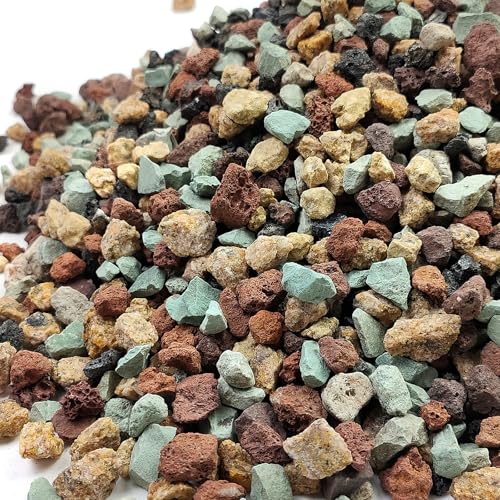
FANTIAN Succulent Cactus Soil Potting Mix 5 lb.

Duspro 7-in-1 Succulents & Cactus Soil Mix 1 qt.

Midwest Hearth Cactus & Succulent Potting Soil Mix 4 Dry Quarts
More Details On Our Top Picks
Indoor plant shelves tend to get watered a little too kindly, and that’s where this mix makes sense. The 16-quart bag gives you room for several pots, starter plants, or a refresh of a few houseplants without constantly restocking.
Compared with the more specialized cactus blends later in this list, this one leans broader and less gritty, so it suits mixed indoor containers better than desert-only setups. The honest read is that you’ll still want to watch watering habits, because no bag can fix a heavy hand with the watering can.
What We Like
- Organic indoor potting mix suited to houseplants and starter plants
- Container-friendly texture that helps daily watering feel more forgiving
- Large 16-quart size works well for several repots
- Useful for mixed indoor collections, not just one plant type
Points To Note
- Less specialized for cactus and succulent collectors than the grittier blends below
- Bulkier bag can take up shelf space in small apartments
Feature Snapshot
Who It Suits Best
Indoor plant keepers who want one bag for multiple houseplants will get the most out of it.
A Better Fit Elsewhere
Spike & Bloom High Drainage Cactus Soil Potting Mix fits succulent-heavy shelves more closely, especially for you if drainage matters more than general houseplant versatility.
This one leans into drainage more aggressively than Miracle-Gro’s broader indoor mix, and that matters for succulents that hate staying damp. The slightly acidic, gritty character is built for growers who want a more desert-like potting feel without assembling a custom blend from scratch.
The mycorrhizal fungi addition is worth a quick definition: it refers to beneficial fungi that form a relationship with roots and can support nutrient uptake. That’s attractive for new transplants and for pots that tend to dry unevenly, though the trade-off is that the mix may feel a little specialized for everyday foliage plants.
Strong Points
- High-drainage structure suits cactus and succulent roots
- Mycorrhizal fungi add a more specialized growing profile
- Slightly acidic profile suits many desert plants
- 4-quart volume is handy for several medium pots
- Gritty texture helps water move through fast
Small Caveats
- More niche than a general indoor potting mix
- The texture may feel coarse for mixed tropical containers
Details At A Glance
Made For
Succulent and cactus keepers who want a more specialized blend for indoor pots will appreciate the focus here.
Where A Sibling Pick Shines
Leaves & Soul Succulent Soil Mix 2.2 Qt fits smaller shelves better, especially for compact apartment setups that do not need the extra volume.
Leaves & Soul is the straightforward choice in this group, with a ready-to-use mix that keeps setup easy for small planters. The 2.2-quart size is especially useful for one or two repots on a windowsill, where storage space is usually at a premium.
The blend uses Canadian peat, coarse sand, and pine bark, so you get a classic airy structure without having to build one ingredient at a time. Compared with Spike & Bloom, this feels less specialized and more approachable, which suits casual indoor plant keepers well.
Highlights
- Ready-to-use mix saves you from assembling ingredients yourself
- Canadian peat, coarse sand, and pine bark support drainage
- Small size stores easily in tight spaces
- Works nicely for planters on shelves and counters
Minor Gripes
- Smaller bag means you may run out faster with multiple pots
- Less efficient for large repotting projects than the 10-quart and 16-quart picks
Core Details
Right Fit For
Apartment gardeners and casual succulent owners who only repot a few containers at a time will find this easy to live with.
Look Elsewhere When
Hoffman 10410 Organic Cactus and Succulent Soil Mix suits you better for larger repotting runs, especially when you want two bags in one order.
Hoffman’s two-bag format is useful for anyone repotting more than a couple of succulents in one weekend. You also get a classic cactus-and-succulent profile that aims to drain well, which is exactly the point for desert plants in pots that hold moisture too long.
The easy-pour bag is a small but real comfort during messy repotting days, especially in a garage or sink area. Compared with Leaves & Soul, this one gives you much more total material, so it fits household projects better than single-plant touchups.
Best Bits
- Two bags make larger repotting jobs easier to handle
- Built around the drainage needs of cactus and succulents
- Encourages root and bloom development according to the listing
- Pour-friendly packaging helps reduce mess during storage and use
Areas To Watch
- Bulkier than single-quart options, so storage takes more room
- The two-pack format is less handy for tiny apartment setups
Feature Rundown
Built With In Mind
Plant owners managing several cacti or succulents at once will get more practical use from this pack.
Swap It Out When
Leaves & Soul Succulent Soil Mix 2.2 Qt is the better fit for minimal storage and smaller one-pot repots.
This 1-quart bag is the kind of small-format soil that works well for a shelf, a starter pot, or a last-minute top-off. Because it’s framed for cactus, succulent, palm, and citrus containers, it has a broader household role than the more tightly focused desert mixes above.
The trade-off is simple: compact size means easy storage, but it also means you’ll be opening another bag sooner than you would with Hoffman or Miracle-Gro. That’s not a flaw so much as the natural cost of keeping things tidy and manageable.
Upsides
- Small 1-quart size suits light repotting tasks
- Works across several container plant types
- Easy to store in a utility cabinet
- Good for growers who prefer modest bag sizes
Room For Improvement
- Single-quart volume is limited for larger projects
- Not as purpose-built for gritty succulent setups as Molly’s or FANTIAN
Key Specs
The Right Fit
Home gardeners with only a few small containers to refresh will appreciate the low-commitment size.
Another Choice May Suit
Hoffman 10410 Organic Cactus and Succulent Soil Mix fits better for you if you prefer a larger two-bag setup and more total volume.
Where the previous Omitgoter bag takes a broader path, this one is pitched more around breathability and quick drainage. That makes it a neat fit for people who keep succulents on a bright shelf and want the soil to stay light rather than dense.
The 1-quart size again keeps storage simple, though you’ll want to plan on smaller projects rather than a full bench of pots. In a busy kitchen windowsill or office shelf, that compact footprint can feel more convenient than hauling a larger sack around.
Reasons To Buy
- Breathable texture helps keep the root zone airy
- Fast drainage suits many succulent arrangements
- Compact bag stores neatly near the pots
- Good match for small indoor repotting tasks
Softer Spots
- Small size is less efficient for larger collections
- Single-quart packs can add up quickly for frequent repotting
At A Glance
Whose Shelf It Belongs On
Minimalist indoor gardeners and small-space plant owners will get the most from this tidy little bag.
Reach For A Different Pick When
Spike & Bloom High Drainage Cactus Soil Potting Mix makes more sense for you if you want a larger, more specialized desert blend with mycorrhizal fungi included.
This is the most mineral-heavy feel in the lineup, which makes sense once you look at the ingredients: akadama, pumice, Hyuga, and lava rock. Akadama is a fired clay component often used in bonsai mixes, and together these pieces create a chunky structure that drains fast and stays open around the roots.
Compared with the softer, peat-based blends earlier in the list, Molly’s feels like a stronger choice for desert plants and bonsai owners who want more control over moisture. The trade-off is that the texture is less forgiving for general houseplant use, so it’s a specialist pick, not an all-purpose one.
Bright Spots
- Chunky mineral mix supports excellent airflow
- Akadama, pumice, Hyuga, and lava rock bring a serious bonsai feel
- Drainage-focused structure helps reduce lingering wet pockets
- 5 dry quarts suit several bonsai or succulent pots
Honest Caveats
- Chunky texture may feel unfamiliar for beginners
- Less suited to leafy indoor plants than the broader mixes
- Can be messy to pour in very small containers
Technical Sheet
Best Suited To
Experienced succulent hobbyists and bonsai keepers who prefer a gritty medium will feel at home with this one.
Skip It When
Leaves & Soul Succulent Soil Mix 2.2 Qt is easier to handle for casual repotting and a gentler learning curve.
FANTIAN stands apart because it behaves more like a particle mix than a classic soil blend. The 1/4-inch pieces, along with lava stone, Maifanitum stone, and green zeolite, are aimed at drainage, structure, and root aeration in plants that hate staying wet.
That makes it especially interesting for bonsai, orchids, and terrariums, where you often need a substrate that lets water move through without collapsing into mud. Compared with Molly’s, this feels more like a materials-first approach, so you may prefer it for specialty containers rather than everyday succulents alone.
Standout Traits
- Particle-based format supports strong airflow around roots
- Lava stone, Maifanitum stone, and green zeolite give it a specialized profile
- Useful for bonsai, orchids, and terrariums in addition to succulents
- 5-pound bag gives you decent coverage for several small setups
Worth Noting
- More like a planting medium than a traditional soil
- May feel too coarse for plant owners who want a softer blend
- Not as general-purpose as the broader indoor potting options
Feature Card
Who Should Grab It
Specialty plant hobbyists who want a mineral-driven medium for succulents and companion plants will get the most out of this pick.
Where Another Pick Suits Better
Midwest Hearth Cactus & Succulent Potting Soil Mix is the easier call for you if you want a more familiar peat-and-perlite blend.
Duspro aims for easy ownership, with a pre-mixed formula that skips the guesswork and keeps the texture airy. For beginners or anyone refreshing a shelf of small succulent pots, that kind of ready-made balance can be a relief.
The 1-quart bag is compact, so it suits small projects better than a full collection. Compared with the sharper, mineral-heavy feel of FANTIAN, this one sounds more approachable and more suited to everyday repotting in a home setting.
Positives
- Pre-mixed formula saves prep time
- Well-draining structure suits cactus and succulents
- Airy texture helps roots breathe between waterings
- Small bag stores neatly in a cabinet or drawer
Points To Note
- 1-quart volume is modest for multi-pot projects
- Less specialized than the gritty bonsai-oriented blends
Spec Overview
Perfect Match For
Beginners and casual plant owners who want a straightforward succulent mix with little setup work will appreciate this one.
Another Choice May Suit
Molly’s Succulent Potting Mix, Cactus and Bonsai Gritty Blend fits better for experienced hobbyists who want a chunkier, more mineral-forward substrate.
Midwest Hearth takes a classic route with peat moss, perlite, and vermiculite, which makes the blend easy to understand at a glance. Perlite is a lightweight volcanic material that opens up the mix, while vermiculite helps hold some moisture, so the result lands in a practical middle ground.
That middle ground is useful for mixed succulent collections, especially for households that want a familiar potting texture rather than a very gritty one. Compared with the more mineral-heavy Molly’s and FANTIAN picks, this option feels more conventional and easier to slot into a normal repotting routine.
Positives
- Peat moss, perlite, and vermiculite create a familiar potting profile
- Fast-draining blend suits many common desert plants
- Works well for aloe, jade, and Christmas cactus
- 4 dry quarts is a handy mid-size amount
Points To Note
- Less specialized than the gritty bonsai and mineral-focused picks
- May feel too moisture-retentive for growers who want a very lean mix
Core Details
Who Will Love This
Households with several common succulent types will appreciate the familiar texture and balanced ingredient list.
Look Elsewhere When
FANTIAN Succulent Cactus Soil Potting Mix is the better fit for you if your setup calls for a more mineral-heavy, particle-based medium.
How To Choose The Right Dirts For Succulents
Drainage Comes First
Succulents store water in their leaves and stems, so their soil needs to shed excess moisture quickly. A mix with perlite, pumice, lava rock, coarse sand, or similar open-texture ingredients usually fits that job better than dense all-purpose potting soil.
You’re really choosing how long water lingers around the roots. In a bright window or a warm patio pot, a fast-draining mix cuts down on the wet, heavy feel that can make succulent care harder than it needs to be.
Match The Blend To The Plant Shelf
General indoor mixes suit mixed houseplant spaces, but a cactus-heavy shelf usually benefits from a leaner, grittier formula. The sharper mineral blends in this list make more sense for desert plants, while the peat-based options stay friendlier for casual indoor containers.
That difference matters in real homes. A shelf of echeveria and jade can live in a very different potting medium than a kitchen window with one aloe and two leafy plants nearby.
Size Matters More Than It Seems
Small bags are easier to store and less awkward for one or two repots. Larger bags make more sense for a cluster of pots, a full seasonal refresh, or a gardener who doesn’t want to keep reordering soil for every project.
There’s a simple comfort in matching volume to your routine. A 1-quart bag feels neat and manageable, while a 10-quart or 16-quart bag can carry a whole weekend’s worth of work.
Texture Changes The Whole Experience
Gritty mixes drain quickly and keep air around the roots, but they also feel rougher to handle. Softer blends are easier to scoop and pour, though they usually ask for more careful watering habits.
The right choice depends on how hands-on you want to be. A bonsai hobbyist may welcome a chunky texture, while a casual apartment plant owner may prefer a soil that behaves more like a standard potting mix.
Things Worth Knowing First
Common Shopping Slip Ups
Many plant owners grab a general potting mix and expect it to behave like a cactus blend. That usually leads to soil that holds too much water, so the safer move is to check for drainage-focused ingredients before you fill the pot.
Another common miss is buying too little soil for a larger repotting day. A tiny bag works fine for one planter, but several pots can empty it faster than expected.
The Upgrade Payoff
More expensive mixes usually spend that extra cost on ingredient quality, ingredient variety, or a more specialized structure. Mineral-heavy components such as akadama, pumice, lava rock, or zeolite tend to push the price upward because they are more specialized than basic fillers.
The upgrade makes sense for bonsai owners, cactus collectors, and plant keepers who want tighter control over drainage and airflow. For a single shelf of common succulents, a mid-range blend often does the job without adding much fuss.
Frequently Asked Questions
What kind of soil works best for succulents?
A fast-draining mix with airy ingredients is the safest place to start. Succulents usually do better in soil that does not stay wet for long.
Can you use regular potting soil for succulents?
You can, but it usually needs help from drainage additives such as perlite or pumice. Plain potting soil often holds more moisture than succulents prefer.
How often should you repot succulents?
Repotting depends on plant growth, pot size, and how compact the mix becomes. Many plant owners wait until roots crowd the pot or the soil breaks down.
What size bag should you choose?
A small bag fits a few pots, while a larger bag suits a full repotting session. Your choice comes down to how many containers you plan to refresh.
Do gritty mixes work better than softer mixes?
They work better for many cactus and succulent setups because they drain quickly and stay open around the roots. Softer mixes are easier to handle, but they usually need more careful watering.