

Fence line trees need different kinds of support depending on the job. Some spaces call for a visible boundary, others need soft marking, rope handling, or deer deterrence along a long stretch. The right pick keeps your yard, trail, dock, or work zone organized without adding fuss.
This roundup covers seven practical options with very different strengths. You’ll see decorative fencing, rope, flagging tape, clothesline rope, and deer barrier mesh, so you can match the item to the space instead of forcing one product to do everything.
Quick Look At The Shortlist

OUSHENG Decorative Garden Fence Fencing 36in x 10ft

DEDU 1″ x 100′ Treated Manila Rope

Hubaow 6 Pack Orange Flagging Tape 1in x 600ft
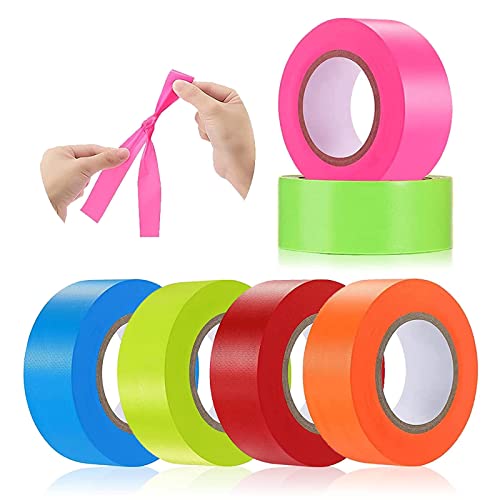
Hubaow 6 Pack Flagging Tape Assorted Colors 1in x 600ft
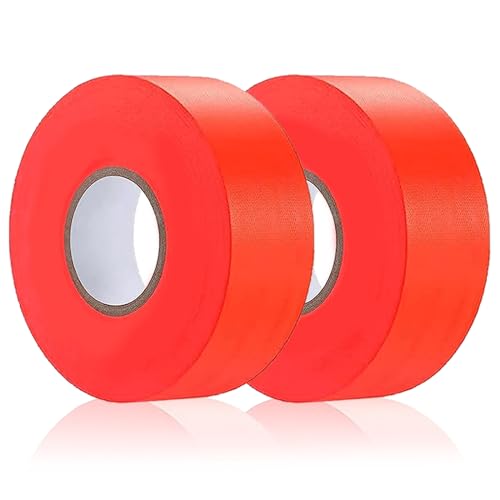
Hubaow 2 Pack Orange Flagging Tape 1in x 400ft
K Y KANGYUN 50 Ft Cotton Clothesline Rope
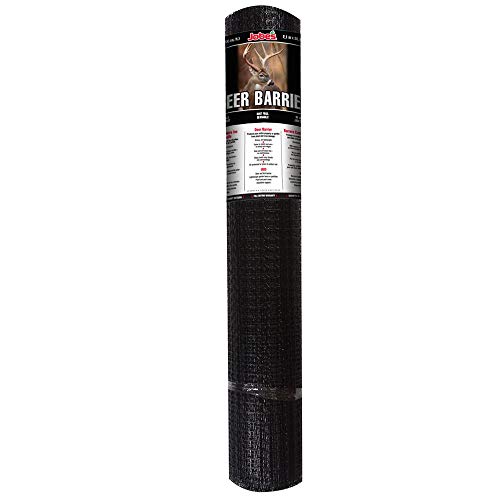
Jobe’s Organics LG400171 Deer Barrier Fencing 7 ft x 100 ft
More Details On Our Top Picks
Fence edging like this works best where you want a tidy line without making the yard feel boxed in. The 36-inch height and 10-panel layout give you a visible border for flower beds, patio edges, or a dog boundary along a walkway, and the arched top softens the look a bit.
Compared with the rope and tape picks later in the list, this one is the most visual. The trade-off is that metal panel fencing asks for more setup and more room than a roll of marking tape, so it suits a defined outdoor area rather than a quick job.
Strong Points
- Steel mesh panels create a clear edge for landscape beds and small pet zones.
- Rust-resistant finish suits outdoor placement better than untreated wire.
- Ten connected panels cover a longer border without constant re-positioning.
- Arched styling gives a neater look beside patios and front walkways.
Things To Consider
- Assembly takes more effort than unrolling rope or tape.
- The height works well for edging, though it stays modest for larger containment needs.
- Metal panels are less flexible around very tight curves.
Feature Snapshot
Who It Suits Best
You get the most from this pick in a home landscape where appearance matters as much as marking space, especially near beds, patios, or a neat side yard.
A Better Fit Elsewhere
Jobe’s Organics LG400171 Deer Barrier Fencing suits gardeners who need a much larger protective run, while this OUSHENG fence is the cleaner choice for decorative edging.
Rope like this makes sense where you need a natural-looking line that can also handle jobs around docks, posts, or tree work. Manila rope is a twisted natural-fiber rope, and that texture usually gives a steadier handhold and a less slick feel than many synthetic lines.
Compared with the metal fence above, this pick is far more adaptable but also less structured. You may find it better for tying, edging, or light boundary work than for a fixed visual barrier, especially in spaces that change through the season.
What We Like
- One-inch thickness gives it a substantial feel in hand.
- 100-foot length covers longer runs or multiple smaller tasks.
- Treated finish better suits outdoor placement than plain untreated rope.
- Works for docks, farm use, and tree-area tie-offs.
Room For Improvement
- Natural rope can need more care than plastic marking materials.
- It does not create the same visual boundary as fence mesh or tape.
- The look suits rustic settings more than polished modern spaces.
Technical Sheet
Who Will Love This
You’ll appreciate this rope most for dock work, farm tasks, or tree-area projects where grip and length matter more than a polished finish.
Another Choice May Suit
OUSHENG Decorative Garden Fence Fencing 36in x 10ft suits you better for a clearly defined yard edge, while this DEDU rope fits flexible tying and layout work.
Bright flagging tape works best as a fast visual signal on trees, trails, or job sites where plain rope would fade into the background. Because it’s non-adhesive, you can wrap, tie, and remove it without leaving sticky residue behind, which matters on temporary marking jobs.
Compared with the DEDU rope, this pick is lighter and easier to spot from a distance. The honest trade-off is that it’s for marking, not strength, so it suits location cues far more than load-bearing use.
Highlights
- Neon orange stands out well along tree lines and rough ground.
- 600-foot rolls give you plenty of marking material for large properties.
- Non-adhesive design keeps removal simple after the job ends.
- Six-pack format works for long projects or repeated use.
- Lightweight ribbon stores easily in a tool bag or truck box.
Points To Note
- Ribbon tape can tear sooner than rope or woven mesh.
- Orange is highly visible, though it is just one color option here.
- Wind exposure can make loose runs harder to keep neat.
Core Details
Made For
You’ll get the most value from this tape for surveying, trail marking, or tree identification on larger outdoor properties.
Where A Sibling Pick Shines
Hubaow 6 Pack Flagging Tape Assorted Colors fits better for color-coded jobs, while this orange-only set makes the most sense when one bright signal is enough.
Color variety gives this set an edge over the orange-only Hubaow rolls above, especially for projects where one shade means one task and another shade means something else. That matters on trails, job sites, or property lines where quick visual sorting saves time.
You may find the assorted colors more useful than you first expect, even in a modest garden or a large work yard. The trade-off is simple, though, because the tape still does the same temporary-marking job as other flagging rolls, just with more visual organization.
Upsides
- Multiple colors make sectioning and sorting easier.
- 600-foot rolls support large-scale marking runs.
- Non-adhesive ribbon removes cleanly after use.
- Six-pack format keeps different jobs separated.
Softer Spots
- The ribbon is for marking, not for structural use.
- Color choice helps organize work, but it does not add strength.
- Loose tape can look untidy in high wind.
At A Glance
Built With In Mind
This set suits property managers, trail crews, and home gardeners who want clear color-coding without moving up to heavier materials.
Look Elsewhere When
Hubaow 6 Pack Orange Flagging Tape fits better for one-color jobs, while this assorted set suits more complex marking plans.
This smaller two-pack makes sense for lighter-duty marking jobs where a huge supply would just sit in storage. The 400-foot rolls still give you useful reach, but the total package is easier to manage for home projects and occasional field use.
Compared with the 6-pack orange Hubaow tape, this one is the simpler, tighter option. The honest read is that you give up some total material, yet you also avoid keeping more ribbon than you actually need.
Bright Spots
- Two-roll format suits shorter jobs and smaller properties.
- Orange color stays easy to spot outdoors.
- Non-adhesive build makes cleanup straightforward.
- Roll size is easy to tuck into a tool box or truck compartment.
Small Caveats
- Less total length than the larger Hubaow tape sets.
- Like other ribbon tape, it is for marking rather than strength.
- Wind can pull light tape out of tidy alignment.
Details At A Glance
Who Should Grab It
You’ll fit this set best for home yard work, occasional trail marking, or quick tree tagging where compact storage matters.
Skip It When
Hubaow 6 Pack Flagging Tape Assorted Colors is the better choice for larger projects that need color-coded organization.
Natural cotton rope brings a softer, more versatile feel than the plastic marking items in the earlier picks. Because it’s made from unbleached, undyed cotton and keeps low stretch, it suits clotheslines, craft work, camping setups, and replacement cord tasks without looking overly utilitarian.
For a backyard, a cabin, or a travel kit, this rope feels like the sort of thing you keep reaching for. The trade-off is that cotton asks for more care than synthetic line, so it makes the most sense in steady-use setups rather than rough, all-weather abuse.
Best Bits
- Natural cotton construction gives it a familiar hand feel.
- Low stretch helps it stay useful for drying lines and simple tie-offs.
- 50-foot length supports home and travel tasks.
- Works for more than laundry, including craft and replacement cord uses.
Worth Noting
- Cotton can need more drying care than synthetic line.
- The softer finish is less weather-tough than coated rope.
- It suits utility work more than polished décor.
Quick Facts
The Right Fit
You’ll get the best match from this rope in homes, campsites, or craft spaces where a simple cotton line is enough.
Reach For A Different Pick When
DEDU 1″ x 100′ Treated Manila Rope suits dock and farm work better, while this K Y KANGYUN line fits lighter household and travel needs.
This is the most coverage-focused option in the list, and the 7-foot by 100-foot format makes that plain. It’s aimed at larger properties where you need a substantial barrier around crops, garden beds, or landscape sections rather than a decorative line or a temporary marker.
Compared with the OUSHENG fence, this one is built for scale first. You may find it especially useful on a broad perimeter, though the larger format also asks for more planning during installation and storage.
Reasons To Buy
- Large 7-foot height gives it a serious protective presence.
- 100-foot length covers a broad run of ground.
- Black finish blends into planting areas better than bright tape.
- Works for gardens, crops, and broader landscape boundaries.
Areas To Watch
- The larger roll takes more space to handle and store.
- Installation is more involved than with rope or marking tape.
- The black mesh is practical, though not decorative.
Spec Overview
Whose Shelf It Belongs On
You’ll appreciate this fencing most for larger gardens, crop rows, or open property edges that need broad coverage.
Swap It Out When
OUSHENG Decorative Garden Fence Fencing 36in x 10ft is the better fit for a smaller decorative boundary, while this Jobe’s fence suits bigger protective runs.
How To Choose The Right Fence Line Trees
Start With The Job, Not The Shape
Fence line trees can mean very different things in practice, so the first step is matching the product to the task. Decorative mesh helps define a garden edge, rope works better for tying or light perimeter work, and flagging tape is built for visibility rather than strength.
That distinction matters because the wrong material creates more hassle later. A neat metal panel looks better beside a patio, but a trail crew or tree marker needs something fast to apply and easy to remove.
Match Visibility To Distance
Bright orange tape stands out far better than natural cotton rope, and that’s the whole point for marking lines across a field or wooded lot. A black deer barrier fades into the background, which helps in a planted area where you want function without much visual noise.
Think about how far away the line needs to be seen. A short garden border can use something subtle, while a work zone usually benefits from a color that pops in daylight and shade.
Check Coverage And Storage Together
Long rolls save time on larger spaces, but they also take more room in storage and handling. A 100-foot rope or fence roll suits broad runs, while a 2-pack tape set feels easier to manage for lighter jobs.
That’s the trade-off in this category, because bigger coverage often means more bulk. For small yards, compact packaging is a real advantage, especially in sheds, trucks, or tool bins.
Think About Reuse And Maintenance
Non-adhesive tape is easy to move, but it is still a temporary marker. Cotton rope and treated manila rope bring a more natural look, yet they ask for a little more care than weather-tough mesh or tape.
For routine property work, the most practical choice is the one you can store cleanly and put back into service without much fuss. In that sense, the best match is the item that fits your season, your space, and how often you plan to reset the line.
Things Worth Knowing First
Common Shopping Slip Ups
Shoppers often mix up marking materials with barrier materials. Flagging tape is great for visibility, but it will not replace fencing when you need a physical line.
Another frequent miss is buying too much or too little length. Measure the run first, then match the roll size to the actual job so you are not left with excess clutter or an unfinished edge.
The Upgrade Payoff
Higher-tier options usually cost more because of longer coverage, sturdier materials, or a more finished design. That shows up in items like the Jobe’s barrier fencing and the OUSHENG decorative panel, where structure and presentation both matter.
Paying more makes sense when the line will stay up for a while or has to look clean from the house or road. For temporary marking, the simpler tape options keep the job practical without extra complexity.
Frequently Asked Questions
What makes a good fence line tree marker?
A good marker is visible, easy to place, and suited to the job’s length and environment. Rope, tape, and mesh each serve a different purpose.
Is flagging tape better than rope for tree marking?
Flagging tape is easier to spot from a distance. Rope is stronger and better for tying or light utility work.
Can decorative fence panels work along a property line?
They can, especially in smaller yard sections where appearance matters. They are less practical for quick temporary marking.
Why choose treated manila rope over cotton rope?
Treated manila rope is better for tougher outdoor jobs and longer runs. Cotton rope feels softer and fits lighter household use.
What size fencing suits a larger garden area?
A taller, longer barrier makes more sense for a broader perimeter. The Jobe’s Organics LG400171 Deer Barrier Fencing is the stronger fit in that case.
Closing Thoughts
The best fence line trees setup is the one that matches your space, not the one with the flashiest materials. Decorative fence panels suit neat yard edges, flagging tape handles quick marking, rope fills the middle ground, and deer barrier mesh covers broader garden runs. Once you sort out visibility, length, and how permanent the line needs to be, the choice gets much easier. Pick the material that fits the work you do most often, and the rest tends to fall into place.
