Your lawn usually tells you what it needs, and these fertilizers speak in different ways. Some lean liquid for quicker coverage, others stretch feeding across weeks or an entire season, which matters when you want less guesswork and fewer repeat applications. The right match depends on your grass type, your schedule, and how much lawn you actually need to cover.
That’s why this roundup separates fast-greening liquid options from slow-release granules and broader coverage bags. You’ll see which products suit small yards, larger lawns, and low-maintenance routines, along with the trade-offs that come with each style.
Quick Look At The Shortlist

Scotts Liquid Green Max Lawn Food 32 oz.
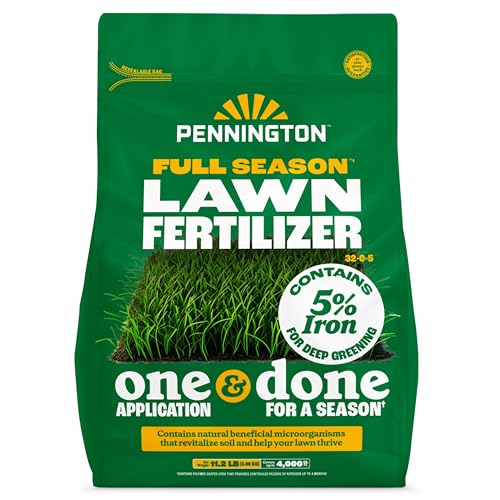
Pennington Full Season Lawn Fertilizer 32-0-5 4M 11.2lb

Slow Release Lawn Fertilizer 25-5-10 NPK 20kg 44lbs Bag

GreenView Lawn Food 16 lb. Bag 22-0-4

O.M. Scott & Sons Natural Grass Food 12.72 lbs.

Scotts Liquid Green Max Lawn Food 32 fl. oz.

Scotts Turf Builder Liquid Lawn Food 32 fl. oz.

Scotts Green Max Lawn Food 16.67 lbs.
More Details On Our Top Picks
Liquid formats like this suit lawns that need a quicker visual lift without a full bag of granules. The added iron supplement helps explain why this style shows up in yards where dull color is the main complaint, especially for busy homes that want a simple spray-on routine.
The trade-off is shorter coverage per application than a season-long granule, so you’ll use it more as a maintenance step than a set-it-and-forget-it plan. For most suburban yards, that’s still a sensible compromise, and the any-grass-type positioning keeps the fit broad.
Strong Points
- Two-in-one design combines fertilizer and iron support, so you’re covering two lawn needs in one pass.
- Liquid application helps you move quickly across patchy areas or front-yard sections that need attention.
- Works across grass types, which makes it easier to keep on hand for mixed lawns.
- Compact 32 oz. bottle stores neatly in a garage shelf or utility cabinet.
Things To Consider
- Liquid feeding usually fits touch-up work better than long-haul, low-maintenance lawn care.
- You’ll want a sprayer setup or application method that suits liquid use.
- Smaller bottle size means more frequent restocking for larger yards.
Feature Snapshot
Who It Suits Best
Homeowners who want a straightforward liquid option for routine greening will get the most from this bottle.
Where Another Pick Suits Better
Pennington Full Season Lawn Fertilizer 32-0-5 4M 11.2lb suits you better when you want a slower, less hands-on routine that stretches through the season.
This granule fits the kind of lawn care that favors planning over frequent touch-ups. The 32-0-5 analysis means it leans hard on nitrogen, while the 4M slow-release note points to a steadier feed pattern that can suit someone who wants one seasonal application instead of constant reminders.
Compared with Scotts Liquid Green Max, this one asks for more setup but rewards you with a calmer routine. In a larger yard, that can be the difference between dreading lawn day and finishing it before lunch.
What We Like
- Slow-release feeding helps stretch the value of a single application across the season.
- High nitrogen focus supports strong green-up for lawns that need visible recovery.
- Granular format works well with common spreaders and broad yard coverage.
- Seasonal approach reduces the need to keep returning to the same task.
Worth Noting
- Granules take more effort to spread evenly than a spray product.
- The seasonal style suits planners more than last-minute lawn fixes.
- Large-bag handling takes a bit more storage space than the liquid bottles in this roundup.
Core Details
Who Should Grab It
Busy homeowners with medium-to-large yards and a set seasonal routine will appreciate the reduced maintenance.
Swap It Out When
Scotts Turf Builder Liquid Lawn Food 32 fl. oz. fits better for smaller lawns or for anyone who prefers a spray-on product with quicker application.
This bag is built for people who prefer fewer top-ups and a deeper-feeding schedule. The 25-5-10 NPK blend gives you a nitrogen-heavy profile with some phosphorus and potassium in the mix, so it reads as a broad lawn-care option rather than a single-purpose quick fix.
Its 65% granular nitrogen formula and up-to-110-day feeding window make it feel more like a long arc than a short burst. For a large property, that can save time, though the 20 kg size is not especially light to move or store.
Highlights
- Long feeding window suits owners who want fewer application cycles.
- Large 44 lb. bag supports bigger lawns without constant restocking.
- Granular format spreads well for broad, even coverage.
- Kid and pet safety positioning may suit households that want that extra peace of mind in everyday use.
- High nitrogen content helps support denser, greener turf over time.
Small Caveats
- The bag is heavy enough that storage and moving it can feel like a chore.
- Deep-feeding schedules fit patient lawn care more than quick cosmetic fixes.
Technical Sheet
Whose Shelf It Belongs On
Homeowners with large lawns and a patient care routine will get the clearest benefit from this slow-release bag.
A Better Fit Elsewhere
GreenView Lawn Food 16 lb. Bag 22-0-4 is the easier lift for medium yards where you still want granular feeding but do not need such a large bag.
GreenView leans into a straightforward granular formula for lawns that need a dependable all-around feed. The 22-0-4 analysis gives you nitrogen plus potassium, which makes sense for people who want a familiar, balanced routine rather than a specialist bottle.
The 5,000 sq. ft. coverage claim is the detail that matters most for many homes, since it helps you judge whether a single bag suits the yard or only part of it. Compared with the heavier Eco Solutions bag, this one is easier to handle and feels more practical for weekly storage.
Best Bits
- Covers a large area, which helps for medium yards with broad open sections.
- Eight-week feeding window supports a calmer maintenance schedule.
- Granular format gives you a more even spread on standard lawns.
- 16 lb. bag is easier to move than the larger bulk options here.
Areas To Watch
- Granular spreading still asks for a spreader or careful hand application.
- The formula is more general-purpose than a highly targeted lawn treatment.
- Coverage depends on your yard layout, so tight spaces may use it less efficiently.
Quick Facts
Right Fit For
Shoppers with medium-size lawns who want a simple granular routine without a heavy bag will feel at home with this pick.
Look Elsewhere When
O.M. Scott & Sons Natural Grass Food 12.72 lbs. fits better for smaller yards where a lighter bag and a shorter coverage target make more sense.
This one fits the kind of lawn routine that values a lighter-touch feel over aggressive feeding. The 10-week span and 2,000 sq. ft. coverage make it a sensible match for smaller yards, side strips, or anyone who just wants the basics handled without a large bag in the garage.
Compared with GreenView, it covers less ground but asks less of your storage space. The honest read is that it suits smaller properties best, and that makes the bag size feel right rather than limiting.
Positives
- Natural grass food positioning fits a more straightforward lawn routine.
- 10-week feeding window reduces how often you need to revisit the same task.
- 2,000 sq. ft. coverage works well for compact lawns and partial sections.
- 12.72 lb. bag is easier to carry and tuck away.
Honest Caveats
- Smaller coverage means it is not the most efficient choice for broad yards.
- The lighter bag size means you may need a second bag sooner on larger properties.
- It reads as a steady maintenance option, not a dramatic quick-fix product.
At A Glance
Made For
Small-yard owners who want a simple feeding schedule and a manageable bag will appreciate this option most.
Reach For A Different Pick When
Scotts Green Max Lawn Food 16.67 lbs. suits a larger lawn better because its coverage target is built for broader turf areas.
This version of Green Max pushes harder on nitrogen than the first liquid Scotts entry, so it reads as the more growth-forward option. The 29-0-0 NPK formula makes the intent clear, especially for turf that needs a stronger green-up focus in one bottle.
Because it’s still a liquid, the convenience story stays the same, but the emphasis shifts toward feeding rather than the iron-assisted look of the earlier Scotts bottle. For lawns that already have decent structure and just need a stronger nutritional push, that balance makes sense.
Upsides
- High nitrogen formula supports a more aggressive greening approach.
- Liquid application makes it easier to treat smaller or irregular lawn sections.
- Any-grass-type fit gives you broad compatibility across common yards.
- 32 fl. oz. bottle stores cleanly and stays easy to handle.
Minor Gripes
- Liquid coverage is handy, but it still needs repeat use more often than slow-release granules.
- It focuses on feed strength more than a broad soil-building approach.
- The bottle size is modest for larger properties.
Details At A Glance
Best Suited To
Homeowners who want a liquid formula centered on stronger green-up will get the clearest value from this bottle.
Another Choice May Suit
Scotts Turf Builder Liquid Lawn Food 32 fl. oz. fits better for someone who wants a similar liquid format with a touch more potassium in the mix.
This liquid lands in a useful middle ground, because the 29-0-3 formula adds potassium, and that matters for lawns that need a more rounded feeding profile. Compared with the harder nitrogen focus of Scotts Liquid Green Max 32 fl. oz., this one feels a bit more balanced for general upkeep.
For a normal suburban yard, that extra flexibility can be more helpful than chasing a very narrow lawn goal. You may find it especially handy when you want one product that does a little of everything without feeling overly specialized.
Reasons To Buy
- Potassium in the formula broadens the feeding profile beyond nitrogen alone.
- Liquid format is convenient for smaller yards and irregular sections.
- Any-grass-type fit keeps the use case broad.
- 32 fl. oz. bottle is simple to store between uses.
Points To Note
- The bottle size still favors modest coverage rather than very large lawns.
- Liquid upkeep usually asks for more repeat handling than slow-release granules.
- It is more of a general maintenance option than a specialty treatment.
Feature Rundown
The Right Fit
You’ll like this most if you want a flexible liquid lawn food for routine maintenance rather than a narrowly targeted treatment.
Where A Sibling Pick Shines
Pennington Full Season Lawn Fertilizer 32-0-5 4M 11.2lb suits you better when a slow-release seasonal schedule matters more than liquid convenience.
This bag format sits in the middle of the lineup, and that gives it a broad appeal for people who want a coverage-minded lawn food without jumping to the largest bag here. The iron supplement is the notable extra, which helps it stand apart from simpler nitrogen-only granules.
Compared with the 32 oz. liquid Scotts Green Max, this one asks for more spreading work but gives you a bagged product that suits repeat yard care. For medium-size lawns, that balance can feel more practical than juggling a spray bottle every few weeks.
Standout Traits
- Covers 5,000 sq. ft., which makes it a strong match for medium lawns.
- Iron supplement adds another layer to the lawn-feeding approach.
- Bag format works well with standard granular spreading routines.
- 16.67 lb. size stays manageable compared with the heavier bulk option in this list.
Room For Improvement
- Granular spreading takes more setup than liquid application.
- The bag is still more storage-heavy than the small liquid bottles.
- It makes the most sense on lawns large enough to justify the coverage.
Core Details
Built With In Mind
Medium-yard owners who want a bagged lawn food with iron in the mix will get the clearest benefit here.
Skip It When
Scotts Liquid Green Max Lawn Food 32 oz. is the better call for you when fast, spray-on convenience matters more than bag coverage.
How To Choose The Right Fertilizers For Lawn
Match The Formula To Your Grass Routine
Nitrogen-heavy formulas lean into color and top growth, which is why they show up so often in lawn food. A 29-0-0 or 32-0-5 blend points you toward a more growth-focused routine, while a balanced granular option can feel steadier for maintenance. The right fit depends on whether your grass needs a quick visual lift or a slower seasonal plan.
Liquid products suit quick, smaller-area work because they’re easy to spread and easy to store. Granules usually make more sense for larger yards, especially when you want fewer applications and more even coverage. That simple split saves you from overbuying the wrong format.
Coverage And Package Size Matter More Than You Think
Coverage numbers matter because lawn food only helps when you apply enough of it in the right area. A 2,000 sq. ft. bag works for a modest yard, while 5,000 sq. ft. coverage suits a larger patch of grass or a more open front lawn.
Weight matters too, especially on delivery day or when you’re carrying the bag to storage. Smaller bottles and mid-size bags are easier to manage, but larger packages can be more efficient for bigger properties. That trade-off is usually worth it for homeowners who dislike frequent restocking.
Release Speed Changes The Whole Experience
Slow-release fertilizer feeds over time, which is useful when you want fewer repeat jobs. It tends to fit people who mow regularly and like a calmer routine. Quick liquid feed, by contrast, suits lawns that need more immediate attention or a simple mid-season boost.
The catch is that slower feeding can feel less dramatic up front. Faster formulas may show quicker visual change, but they often ask for more frequent attention. The best choice depends on whether you want convenience, speed, or a more measured approach.
Keep The Yard And The Calendar In Sync
Busy schedules call for products that reduce follow-up, especially in warm months when lawn chores pile up. A seasonal granule may be easier to live with than a bottle that wants repeat use every few weeks. Smaller lawns often give you more flexibility, so a liquid bottle can still make sense.
Storage and cleanup matter too. Bags need a dry place and some muscle, while bottles need a place where they won’t tip over or leak onto other supplies. The cleanest choice is the one you’ll actually use on time.
Things Worth Knowing First
Mistakes Worth Dodging
Plenty of people focus on coverage alone and ignore formula style, which can lead to a bag that’s too heavy or a liquid that runs out too soon. Matching package size to lawn size keeps the job manageable. It also stops you from paying for more material than your property can use at once.
Another common miss is treating every yard the same. Soil condition, grass type, and how often you want to fertilize all change the right pick. A slower seasonal bag makes sense for one yard, while a quick liquid bottle may work better for another.
Where The Extra Money Goes
Higher-tier fertilizer options usually spend more on feeding control, coverage planning, and special ingredient balance. Slow-release design, iron support, and larger bag formats are the kinds of details that raise the cost because they make the product easier to use in real life.
Paying more makes sense when your yard is large, your schedule is tight, or you want fewer application cycles. For a small lawn, a simpler formula often does the job without extra complexity. The upgrade is worth it only when the added convenience matches your routine.
Frequently Asked Questions
What’s the difference between liquid and granular lawn fertilizer?
Liquid fertilizer is easier to apply quickly and suits smaller areas or touch-up work. Granular fertilizer usually lasts longer and works better for broad, steady lawn care.
How do NPK numbers help you choose?
NPK shows the ratio of nitrogen, phosphorus, and potassium in the formula. Higher nitrogen usually points to greener growth, while potassium can support a more balanced feeding profile.
How much lawn coverage should you expect?
Coverage depends on the bag or bottle size and the product’s instructions. A smaller yard can work well with 2,000 sq. ft. coverage, while larger lawns often need 5,000 sq. ft. or more.
Are slow-release products better for busy routines?
Slow-release fertilizers usually fit busy schedules better because they stretch feeding across more time. That means fewer application days and less upkeep.
What should you store carefully after purchase?
Keep bags dry and sealed so the granules stay usable. Bottles should sit upright in a cool, stable storage spot so they don’t leak or tip.
Final Thoughts
The right lawn fertilizer depends less on hype and more on how you care for your yard. Liquid picks suit quick refreshes, slow-release bags suit steadier routines, and coverage numbers tell you whether the package fits your space. Once you match those three things to your lawn, the shortlist gets much easier to read. Choose the format that fits your weekend, your storage space, and the way your grass actually grows.