Spring lawn feeding gets easier once you match the fertilizer to your grass type, the condition of the yard, and how hands-on you want to be. Some products suit new seed, others make more sense for established turf, and a few are better for people who want slower feeding with less repeat work. The picks below focus on practical fit, not hype, so you can choose with fewer second guesses.
Quick Look At The Shortlist

Fertilome Centipede Lawn Fertilizer 15-0-15, 16 lbs
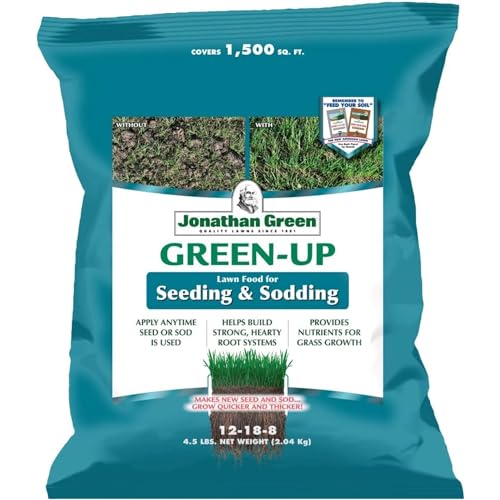
Jonathan Green Green-Up Lawn Food for Seeding & Sodding 12-18-8

Petramax Liquid Nitrogen Fertilizer 28-0-0 NPK 32 Oz

PetraMax Neighbor’s Envy Grass Fertilizer 1 Gallon

The Andersons Premium New Lawn Starter 20-27-5 18 lb

GreenView Fairway Formula Lawn Fertilizer 33 lb. Bag
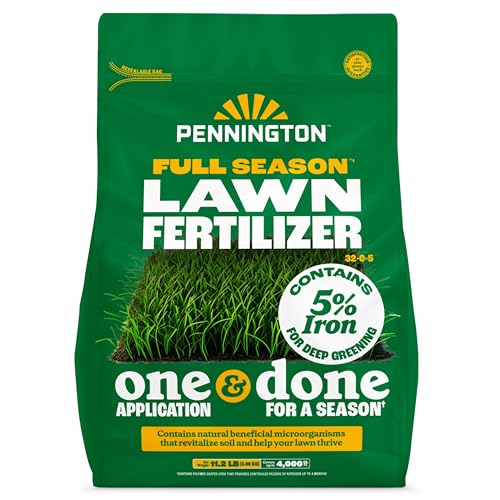
Pennington Full Season Lawn Fertilizer 32-0-5 4M 11.2lb
More Details On Our Top Picks
Centipede and St. Augustine lawns ask for a steadier hand, and this blend is shaped around that kind of yard care. The 15-0-15 analysis gives you a nitrogen-and-potassium lean, while the added iron supports a deeper green look without turning the focus into fast, flashy top growth.
That makes it a sensible spring option for warm-season turf in humid regions or sun-heavy backyards. The trade-off is simple: it’s more specialized than the starter blends later in this list, so it suits the right grass types best.
Strong Points
- Built for centipede and St. Augustine lawns, so the formula matches the turf instead of guessing at it.
- Slow-release nitrogen helps feeding stretch over time, which can mean fewer rushed follow-up applications.
- Iron in the mix supports color, useful for yards that need a cleaner green tone after winter.
- The 16 lb bag is manageable for typical home storage and easy to lift into a garage shelf.
Things To Consider
- It’s a narrower fit than the more general lawn foods in this roundup.
- Cool-season grass owners may find the specialization less useful.
- Bagged granules need a spreader and a bit of cleanup after use.
Feature Snapshot
Who It Suits Best
Warm-season lawn owners with centipede or St. Augustine grass will get the most from this formula.
Where A Sibling Pick Shines
Jonathan Green Green-Up Lawn Food for Seeding & Sodding 12-18-8 makes more sense for newly seeded yards that need root-building support.
New turf needs nutrients in the right proportion, not just more food, and this one leans into that idea with its 12-18-8 mix. The higher phosphorus content matters because phosphorus supports root formation, which is exactly what fresh seed, sod, and overseeded patches need.
For a front yard patch repair or a full reseed, that kind of structure can be easier to live with than a one-note green-up product. The catch is that it’s purpose-built, so established lawns without new grass work often have better options elsewhere in this list.
What We Like
- Designed for seeding and sodding, so the formula matches early turf growth.
- Phosphorus-rich analysis supports root development during the fragile start-up stage.
- Humates are included, which can help the soil handle nutrients more efficiently.
- Feeds for up to 2 months, so you are not rushing back into another application right away.
- Useful for overseeding jobs where new grass needs a more targeted start.
Room For Improvement
- Less useful for mature lawns that only need routine spring maintenance.
- The 1,500 sq. ft. coverage fits smaller projects better than wide-open yards.
- Granular fertilizer still means spreader setup and cleanup after application.
Core Details
Made For
Homeowners starting grass from seed or sod will get the clearest value from this formula.
Another Choice May Suit
The Andersons Premium New Lawn Starter 20-27-5 makes sense for larger new-lawn projects where a starter blend with broader coverage feels easier to manage.
Liquid fertilizer changes the routine because you skip the granule spreader and work with a spray-on format instead. This bottle leans heavily on nitrogen, the nutrient most tied to leafy growth, so it suits spring green-up chores where quick coverage matters more than a long, slow feed schedule.
In a busy yard, that can be easier than hauling bags around, especially for patch touch-ups or smaller lawns. The trade-off is that liquids usually ask for a little more attention to mixing and even spraying, so they reward a careful hand.
Bright Spots
- Liquid format makes application simpler for small tools and hose-end style routines.
- High nitrogen content suits spring green-up tasks where foliage color is the main goal.
- The 32 oz bottle stores neatly and takes little shelf space.
- Good for spot feeding areas that need a faster turnaround than a bagged product.
Softer Spots
- Liquid use calls for more care in spraying coverage than a spreader-based granule.
- Smaller bottle format may feel modest for large yards.
- Quick-feeding liquids usually fit active maintenance better than set-it-and-forget-it routines.
Details At A Glance
Built With In Mind
Homeowners who want quick spring feeding in a compact liquid format will appreciate the straightforward setup.
Look Elsewhere When
GreenView Fairway Formula Lawn Fertilizer 33 lb. Bag suits larger yards better when you want a granule that stretches across more square footage.
This concentrate takes a broader approach than the simpler nitrogen-only liquid above. With nitrogen, iron, humic ingredients, and sea kelp in the mix, it aims at overall lawn support instead of a single narrow job, which can suit mixed turf or a yard that needs more flexible spring care.
The big story is coverage, since one gallon can handle a lot of ground on paper. For large suburban yards, that can mean fewer refill moments, though concentrate use also asks you to follow dilution directions closely and keep your sprayer clean after each round.
Reasons To Buy
- Multi-ingredient formula gives you a broader lawn-care approach than a simple nitrogen feed.
- Large coverage capacity suits bigger yards and longer strip lawns.
- Liquid concentrate is useful for people who prefer mixing once and spraying across a lot of space.
- Iron and humic ingredients add extra support for lawn appearance and soil interaction.
Areas To Watch
- Concentrates need careful measuring, so setup matters more than with ready-to-spray products.
- Cleaning the sprayer after use adds a little maintenance time.
- The formula is broad, which may be more than you need for tiny patch jobs.
Feature Card
The Right Fit
Large-yard homeowners who want a liquid concentrate with extra ingredients will get the clearest benefit here.
Skip It When
Jonathan Green Green-Up Lawn Food for Seeding & Sodding 12-18-8 makes more sense for brand-new lawns, where root support matters more than broad turf feeding.
Starter fertilizer is built around root establishment, and this one uses a 20-27-5 analysis to lean into that job. The stronger phosphorus level matters most during seeding or installation, where young grass benefits from a formula that supports early root development instead of just surface color.
That makes it a practical spring pick for renovation work, new lawns, and patch repairs that need more than a generic green-up treatment. It’s less about maintaining a mature yard all season, more about helping new grass settle in with less guesswork.
Positives
- Starter-style nutrient mix is tuned for fresh grass rather than routine upkeep.
- Strong phosphorus level supports root building during early growth.
- 18 lb bag is manageable for home storage and transport.
- Coverage up to 5,000 sq. ft. works well for modest lawn projects.
Small Caveats
- Less relevant once the lawn is established and only needs regular spring feeding.
- Bagged granules still require a spreader and cleanup.
- For very large yards, you may need more than one bag.
Spec Overview
Best Suited To
New lawn projects and overseeding jobs suit this starter formula especially well.
A Better Fit Elsewhere
Pennington Full Season Lawn Fertilizer 32-0-5 4M 11.2lb fits owners who want a simpler, one-application seasonal routine for established turf.
This bag is aimed at people who want a longer-feeding granular option without overcomplicating spring lawn care. The 30-0-12 analysis leans hard on nitrogen, while the slow-release format is designed to keep feeding going for a stretch instead of fading quickly after application.
For a regular suburban lawn, that can feel like a calmer rhythm than mixing liquid concentrates every few weeks. The trade-off is that the 33 lb bag asks for more storage room, so it suits garage shelves and shed space better than cramped utility closets.
Upsides
- Slow-release nitrogen supports a steadier feeding pattern.
- Coverage up to 10,000 sq. ft. makes it a solid fit for medium-to-large yards.
- 12 weeks of feeding reduces how often you need to revisit the job.
- Granular format is familiar for most spreader-based lawn routines.
Points To Note
- The bag is larger, so storage space matters.
- Granules still require a spreader and a dry application day.
- Its broad feeding style is less targeted than a starter blend for new lawns.
Technical Sheet
Whose Shelf It Belongs On
Homeowners with medium or larger lawns who want a dependable granular feeder will find this easy to fit into their routine.
Reach For A Different Pick When
Petramax Liquid Nitrogen Fertilizer 28-0-0 NPK 32 Oz is the easier match for small yards or fast spray-on feeding.
Pennington takes the low-maintenance route with a slow-release formula meant to carry a full season’s routine in one application. The 32-0-5 analysis keeps the emphasis on nitrogen with some potassium support, and the 4M labeling points to a longer release profile that suits people who do not want to keep revisiting the same task.
That makes it feel especially useful for established lawns where steady greening matters more than starter-style root push. The honest read is that this kind of convenience can be a real help, but it works best on turf that already has a solid base.
Best Bits
- One-application seasonal approach is easy to plan around.
- Slow-release feeding supports steadier color over time.
- 11.2 lb size is lighter than some larger bagged options.
- Good fit for homeowners who want a simpler spring routine.
Worth Noting
- Less suited to new lawns that need a starter formula.
- Season-long feeding can feel too broad for spot repair jobs.
- Granular use still depends on even spreading for the best coverage.
Feature Rundown
Who Should Grab It
Established-lawn owners who want a simpler seasonal schedule will get the most out of this pick.
Where Shoppers Go Wrong
The Andersons Premium New Lawn Starter 20-27-5 is a better match for fresh turf and renovation work that needs stronger root support.
How To Choose The Right Fertilizers For Lawn In Spring
Match The Formula To The Grass Stage
Spring fertilizer choice starts with the lawn’s stage of growth. Newly seeded or newly sodded turf benefits from starter-style formulas with stronger phosphorus, since that nutrient supports early root formation, while established lawns usually do better with a more balanced or nitrogen-forward blend.
Warm-season grasses such as centipede and St. Augustine often need a different balance than cool-season turf. A specialized formula can be the safer fit than a broad, one-note product, especially in yards that stay hot and sunny for long stretches.
Granular Versus Liquid Matters More Than Many People Expect
Granular fertilizer works well for routine feeding, especially on larger lawns where a spreader makes sense. Liquid fertilizer suits faster touch-ups, smaller spaces, or situations where you want to skip the spreader and spray instead.
The trade-off is convenience versus control. Liquids can feel quicker, while granules often feel easier to distribute evenly across broad areas.
Look Closely At Coverage And Storage
Coverage matters because spring work gets frustrating fast when a bag or bottle falls short of the yard size. A smaller lawn can live happily with a compact bottle or 18 lb bag, while a bigger property may need a 33 lb bag or a large concentrate to avoid constant refills.
Storage matters too. In a crowded garage or shed, a lighter bag or small bottle can be much easier to keep organized than a bulky container that eats shelf space.
Feed Timing And Maintenance Fit Your Routine
Slow-release formulas suit you when you want fewer repeat applications and a steadier feeding pace. Shorter-feeding liquids or starter blends make more sense when the job is more immediate, such as a reseed, repair patch, or early spring green-up.
Think about your routine as much as the turf itself. A product that fits the time you actually have tends to be the one you keep using well.
A Quick Reality Check Before You Choose
Mistakes Worth Dodging
One common slip is matching the fertilizer to the season but not to the lawn’s stage. New grass, patch repair, and established turf all ask for different nutrient shapes, so a starter product is not the same thing as a maintenance product.
Another mistake is underestimating the work around application. Granules need even spreading, and liquids need careful mixing or spraying, so the format should fit your normal lawn routine.
The Case For Spending Up
Higher-tier lawn fertilizers usually cost more because they give you a more specific nutrient mix, a slower or more controlled release pattern, or extra ingredients such as iron, humic materials, or sea kelp. That added structure can be worth it for larger yards, delicate turf types, or new lawns that need better support early on.
Spending up also makes sense when convenience matters. A formula that feeds longer or covers more ground can save time, even when the front-end purchase feels heavier.
Frequently Asked Questions
Can You Use Spring Fertilizer On A Newly Seeded Lawn?
Yes, but starter formulas fit that job better than general lawn feeds. They support root growth more directly, which matters most during the first stage.
Is Liquid Fertilizer Easier Than Granular Fertilizer?
Liquid fertilizer is often quicker to apply, especially for small lawns or spot treatments. Granular fertilizer usually feels simpler for broad coverage with a spreader.
How Do You Choose Between A Starter And Maintenance Formula?
Starter fertilizer is made for new seed, sod, or repair work. Maintenance fertilizer makes more sense for an already established lawn that just needs spring feeding.
Does Slow-Release Fertilizer Make Sense For Spring?
Slow-release fertilizer fits spring well when you want steadier feeding and fewer repeat applications. It is especially handy for established lawns and larger yards.
What Should You Check Before Picking A Lawn Fertilizer?
Check the grass type, the lawn’s stage of growth, and the coverage amount. Those three details usually tell you more than the label front does.
Closing Thoughts
The right spring fertilizer depends less on the flash of the label and more on the job in front of you. New seed wants a starter blend, warm-season turf often benefits from a more specific formula, and larger established lawns usually lean toward slow-release convenience. Once you match the product to the grass, the yard, and the time you want to spend, the choice gets a lot easier. That’s the kind of fit that keeps spring lawn care feeling manageable.