Spring lawns need different help depending on the grass, the soil, and how much time you want to spend reapplying feed. Some yards want a quick green-up, others need slower, steadier nutrition, and starter formulas matter a lot for fresh seed or sod.
That’s where this shortlist helps. You get seven fertilizers with clearly different strengths, from liquid sprays for fast coverage to slow-release granules for a calmer, more hands-off routine.
Quick Look At The Shortlist

Fertilome Centipede Lawn Fertilizer 15-0-15, 16 lbs

Petramax Liquid Nitrogen Fertilizer 28-0-0 NPK, 32 Oz

PetraMax Neighbor’s Envy Grass Fertilizer, 1 Gallon

The Andersons Premium New Lawn Starter 20-27-5, 18 lb

GreenView Fairway Formula Lawn Fertilizer 33 lb. Bag
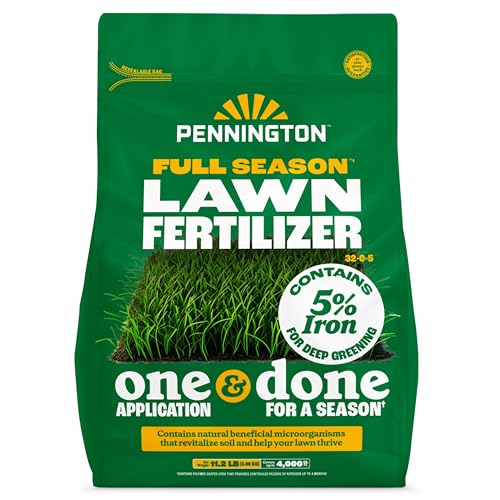
Pennington Full Season Lawn Fertilizer 32-0-5, 4M, 11.2 lb

Purely Organic Products Lawn Food 10-0-2, 15 lb
More Details On Our Top Picks
This one makes sense for warm-season lawns that need a calmer, more targeted feed. The 15-0-15 ratio means the nitrogen and potassium are balanced, while the added iron supports deeper color without turning the routine into a chase for fast results.
In a yard with centipede or St. Augustine grass, that slower-release approach can feel easier to live with than a quick-hit liquid. The trade-off is simple, it’s less about instant drama and more about steady maintenance, which suits homeowners who prefer a measured schedule.
Strong Points
- Suited to centipede and St. Augustine lawns, so the fit is more specific than generic turf food.
- Slow-release nitrogen helps feed over time, which can reduce the urge to reapply too often.
- Iron is a useful extra for lawns that need richer color without changing the whole feeding plan.
- The 16 lb bag stays manageable for storage and handling in a garage or shed.
Things To Consider
- It’s not the broadest match for every grass type, so cool-season lawns may want a different route.
- Granular fertilizer needs even spreading, which means a spreader helps more than hand scattering.
Feature Snapshot
Who It Suits Best
Homeowners with centipede or St. Augustine lawns will get the clearest fit here, especially in warm-weather climates.
Where A Sibling Pick Shines
The Andersons Premium New Lawn Starter 20-27-5 fits better for fresh seed or sod, where root support matters more than this formula’s warm-season focus.
Liquid feed changes the pace completely, and this bottle is built for people who want a quicker visual response from spring care. The 28-0-0 NPK mix is nitrogen-heavy, which usually means the emphasis is on greener growth rather than a broad all-purpose blend.
The spray-on format makes application straightforward in a busy yard, especially along borders, patchy spots, or places where a spreader feels clumsy. The honest read is that liquids can ask for more frequent attention than granular options like GreenView or Pennington, so it suits a hands-on routine.
What We Like
- High nitrogen content gives it a strong focus on leaf growth and color.
- The liquid format helps you cover uneven areas and smaller problem spots with less setup.
- 32 oz packaging is easy to store in a utility shelf or garden cabinet.
- Works well for homeowners who prefer spraying over hauling a broadcast spreader.
Worth Noting
- Liquid products usually move through a yard faster than slow-release granules.
- Sprayers need rinsing after use, so cleanup is part of the routine.
- It leans more toward quick greening than broad soil-building support.
At A Glance
Who Will Love This
Apartment-to-suburban homeowners with small to mid-size lawns and a sprayer setup will get the most convenience from it.
A Better Fit Elsewhere
GreenView Fairway Formula Lawn Fertilizer works better for someone who wants a slower, more hands-off feeding window across a larger area.
This concentrate stands out for coverage, and that matters a lot on bigger lawns where refills get old fast. A gallon covering up to 16,000 square feet is the sort of detail that changes your whole Saturday, especially if your yard stretches past the easy-to-manage range.
The mix brings nitrogen, iron, humic material, and sea kelp into one bottle, which makes it feel more layered than the simpler formulas in this list. You may find that the multi-ingredient approach suits a lawn care routine that aims for steady improvement instead of a single obvious effect.
Upsides
- Very large coverage potential makes it appealing for spacious yards.
- The liquid concentrate format gives you flexible mixing and application control.
- Iron, humic material, and sea kelp add depth beyond basic nitrogen feeding.
- One container can reduce how often you have to restock.
- Useful for homeowners who want a more involved lawn routine without juggling several separate products.
Room For Improvement
- Concentrates ask for careful measuring, so quick spray-and-go users may prefer a simpler bottle.
- The 1 gallon size takes more storage room than the smaller liquid option above.
Details At A Glance
The Right Fit
Large-yard homeowners who don’t mind mixing concentrate will get the most value from this bottle.
Skip It When
Petramax Liquid Nitrogen Fertilizer 28-0-0 NPK is the easier choice for smaller lawns and faster spray routines.
Fresh seed and new sod ask for a different kind of help, and this starter formula is aimed squarely at that job. The 20-27-5 ratio puts more weight on phosphorus, which matters because root development is the part that determines how well a young lawn settles in.
Compared with the more general feeds above, this one is less about maintaining an established yard and more about giving a start a steadier foundation. The bag size is still modest, so it’s a sensible choice for a defined project rather than a huge all-season program.
Reasons To Buy
- Starter nutrient balance suits seeding and sod work better than standard lawn food.
- 18 lb bag size is manageable for carrying, storing, and spreading in smaller projects.
- The focused formula helps you avoid using a one-size bag for a very specific job.
- Good match for homeowners starting a lawn from scratch or filling in larger bare areas.
Points To Note
- It’s a project fertilizer, so established lawns may not need this kind of phosphorus emphasis.
- The coverage range is narrower than the large-yard liquids and full-season granular picks.
Core Facts
Built With In Mind
New-lawn projects, patch jobs, and homeowners laying sod will get the clearest benefit here.
Another Choice May Suit
Fertilome Centipede Lawn Fertilizer is the better fit for established warm-season lawns that need maintenance rather than startup support.
For a lot of routine spring care, this is the kind of bag that keeps life simple. The 30-0-12 formula leans toward nitrogen with added potassium, and the slow-release design stretches feeding across a longer window, which is handy when your schedule is already full.
That 33 lb bag covers up to 10,000 square feet, so it fits medium to larger yards without feeling oversized. Compared with Petramax’s liquid options, it asks for less frequent attention, though it gives up some of the instant-spray convenience that smaller lawns often enjoy.
Highlights
- Slow-release feeding helps simplify spring upkeep across more than one mowing cycle.
- 10,000 square foot coverage suits many suburban lawns.
- The 33 lb bag is substantial without crossing into awkward, hard-to-store territory.
- Good middle ground for homeowners who want less fuss than a liquid program.
Softer Spots
- Granular application works best with a spreader, so setup takes a little more effort.
- It is less nimble than the liquid bottles for spot treatment.
Quick Facts
Whose Shelf It Belongs On
Homeowners who want a dependable, broad-use spring bag without fuss will feel at home with this one.
Look Elsewhere When
The Andersons Premium New Lawn Starter 20-27-5 is a smarter fit for new grass, especially during seeding or sod installation.
This Pennington bag is built for the person who wants to handle spring feeding once and move on. The 4M slow-release claim points to a longer nutrient release profile, so the appeal here is less about chasing fast color and more about a season-spanning routine.
With a 32-0-5 ratio, it stays nitrogen-forward while still including potassium, which gives the formula a more complete feel than a pure green-up product. The smaller 11.2 lb size is also easier to store, although the coverage trade-off means it suits modest lawns better than sprawling ones.
Best Bits
- One-application seasonal approach keeps the schedule simple.
- Slow-release design supports steadier feeding over time.
- Compact bag size fits tight storage spaces.
- Useful for homeowners who want fewer repeat lawn-care tasks.
Small Caveats
- The smaller bag is less suited to large properties.
- Single-application convenience depends on your lawn size and local growing pace.
Technical Sheet
Perfect Match For
Small to mid-size lawns that benefit from a low-maintenance feeding plan are the clearest fit.
Reach For A Different Pick When
GreenView Fairway Formula Lawn Fertilizer is the stronger choice for a larger yard that needs a broader coverage bag.
This bag keeps the formula straightforward, and that can be refreshing in a category that often piles on extra claims. The 10-0-2 mix is modest and practical, which makes it a good match for routine feeding on smaller lawns or for homeowners who want a lighter-touch spring program.
Coverage reaches 3,000 square feet, so it suits compact yards far better than wide suburban properties. Compared with the higher-output bags in this roundup, it asks less from storage space and handling, though that also means it is the least sprawling option here.
Positives
- Compact coverage range fits smaller lawns without leftover product piling up.
- The lower-key nutrient profile suits regular upkeep instead of aggressive feeding.
- 15 lb bag size is easy to move and store in tight spaces.
Areas To Watch
- It covers less ground than most of the other picks in this list.
- Homeowners with larger properties may need more than one bag.
Feature Card
Made For
Smaller yards and straightforward spring upkeep are the clearest match here.
Swap It Out When
Pennington Full Season Lawn Fertilizer fits better for someone who wants a longer feeding window with less repeat attention.
How To Choose The Right Fertilizers For Spring Lawn
NPK Balance Comes First
NPK stands for nitrogen, phosphorus, and potassium. Nitrogen pushes leafy growth, phosphorus supports root development, and potassium helps with overall plant function, so the right ratio depends on whether your lawn needs a spring boost, a starter formula, or steadier maintenance.
Warm-season grass like centipede or St. Augustine usually benefits from a more targeted formula, which is why Fertilome lands well in this roundup. For a new lawn, The Andersons starter bag makes more sense because the higher middle number is built for establishment rather than routine greening.
Liquid Or Granular Changes The Job
Liquid fertilizer spreads through a hose sprayer or tank sprayer, which is handy for spot work and quick coverage. Granular fertilizer goes down with a spreader and usually gives you a slower, more measured feeding pace.
Petramax’s liquid bottles suit a busy routine and uneven areas, while GreenView and Pennington fit better for people who want fewer applications. The trade-off is cleanup and mixing versus long, even release, so the right format depends on your storage space and patience level.
Coverage Should Match Your Yard
Bag or bottle size only matters once it lines up with your square footage. A 3,000 square foot product fits a compact yard cleanly, while 10,000 square feet or more makes more sense for a larger suburban property with open turf.
That’s why the coverage numbers on PetraMax Neighbor’s Envy and GreenView matter so much. A mismatch usually leads to either wasted product or a second purchase that should have been obvious from the start.
Release Speed Changes Maintenance
Slow-release formulas feed over time, which usually means fewer touch points during the season. Faster-release liquids can green a lawn more quickly, but they also tend to ask for more regular attention.
Pennington fits the set-it-and-follow-the-schedule style, while Petramax Liquid Nitrogen Fertilizer suits someone who prefers visible turnaround and doesn’t mind staying engaged. If your weekends are already full, that difference matters as much as the NPK ratio.
What To Weigh Before You Click
Where Shoppers Go Wrong
Many people grab the first spring bag that looks familiar, then realize the formula doesn’t match their grass type. Another common miss is ignoring coverage, which leads to a bottle that runs out halfway through the yard.
Spreader compatibility is another easy thing to overlook. Granular fertilizers work better when you’ve got the right tool, while liquid products need a sprayer and a little cleanup afterward.
The Upgrade Payoff
Higher-tier products usually cost more because they offer more specific fit, broader ingredient blends, or longer release windows. That extra spend makes sense when you want fewer applications, more coverage, or a formula tailored to a particular lawn type.
Liquid blends with added ingredients, like PetraMax Neighbor’s Envy, often ask for more formulation work and usually offer more flexibility in return. A simple maintenance bag can still be enough for smaller yards, so the upgrade only pays off when it solves a real problem in your routine.
Frequently Asked Questions
What NPK ratio works best for spring lawns?
A spring lawn usually benefits from a nitrogen-forward formula, since nitrogen supports green growth. Starter bags with a higher middle number work better for new seed or sod.
Are liquid fertilizers easier than granular ones?
Liquid fertilizers are easier for spot treatment and quick spraying. Granular options usually last longer and suit people who want fewer applications.
How do you choose fertilizer for new grass?
A starter fertilizer is the safer match for fresh seed or sod. The Andersons Premium New Lawn Starter is built for that kind of job.
Can one fertilizer work for every lawn type?
Not really, because grass type and yard size change the fit quite a bit. Fertilome makes more sense for centipede and St. Augustine, while other picks serve broader or different needs.
What matters more, coverage or package size?
Coverage matters more because it tells you how much lawn the product can actually handle. Package size matters too, but only after you know the square footage of your yard.