Flowering shrubs do a lot of quiet work in a yard. They can frame an entryway, soften a fence, and keep a landscape from looking bare after the first bloom flush fades.
This roundup focuses on plants that fit real spaces, from small patios to wide borders. You’ll find evergreen structure, repeat bloomers, fragrance, and a few choices that make sense for gardeners who want color without a fussy routine.
The Shortlist At A Glance

Southern Living Obsession Nandina Shrub

Proven Winners Blue Chiffon Rose of Sharon

Proven Winners Bloomerang Dark Purple Lilac

Proven Winners Center Stage Red Crape Myrtle

Perfect Plants Nanho Blue Butterfly Bush

60+ Mixed Color Hydrangea Seeds for Planting
Live Lavender 2-Pack Purple Fragrant Sun Herb
Obsession Nandina works well in the parts of a yard that need steady color without a lot of fuss. Its foliage is the main story, and that matters because a shrub like this carries the border long after a short bloom window would have faded.
The zone 6 to 10 range gives it a fairly broad home base, and sun to part shade keeps placement flexible. For front beds, entry corners, and foundation plantings, that kind of adaptability feels useful rather than flashy.
Strong Points
- Season-spanning leaf color keeps the planting bed from looking flat.
- The 2-gallon size gives you a sturdier starting point than tiny starts.
- Sun to part shade placement opens up more yard spots.
- Works as a tidy structure plant near walks or porches.
Small Caveats
- It leans more on foliage than showy flowers, so bloom-first shoppers may want a different style.
- Like many shrubs in containers, it still needs regular watering during establishment.
Feature Snapshot
Who It Suits Best
You benefit most from this pick if you want a dependable shrub for borders, foundation lines, or mixed plantings and prefer foliage interest over short-lived bloom drama.
Where A Sibling Pick Shines
Proven Winners Blue Chiffon Rose of Sharon fits you better when you want a taller, flower-forward shrub for a more visible backdrop.
This Rose of Sharon is built for yards that can handle height and want a long, upright presence. Its mature size is the big talking point, and that makes it useful where you need a flowering screen rather than a low accent.
Unlike the compact feel of the nandina, this one is more of a statement shrub, so the trade-off is footprint for drama. In a back border or along a fence, that trade makes sense for gardeners who want flowers in a bigger vertical sweep.
What We Like
- The large mature size can help fill open ground with presence.
- Zone 5 to 9 compatibility covers a wide stretch of climates.
- Deciduous growth means fresh spring leafing after winter dormancy.
- Useful for privacy layers, back borders, and anchor points.
Points To Note
- The height range can feel oversized in tight foundation beds.
- Winter leaf drop means you lose coverage during the cold season.
- Planting and pruning need a little more space planning than compact shrubs.
Core Details
Who Should Grab It
You fit this shrub best if you have room for height and want a plant that can act as a flowering screen or background layer.
Another Choice May Suit
Southern Living Obsession Nandina Shrub suits you better when you need year-round structure in a smaller bed.
Autumn Bonfire is the kind of azalea that makes sense for gardeners who want repeat color in a manageable footprint. The plant arrives in a 1-gallon pot, so it’s a smaller starting point than the 2-gallon shrubs above, but the upside is easier handling in beds and containers.
Its bloom cycle runs from spring into fall, which is where it earns attention in a mixed border. The honest read is that it asks for a bit of routine care, yet the compact habit and evergreen nature make that effort feel worth it for many front-yard plantings.
Bright Spots
- Reblooming habit gives the shrub more seasonal presence.
- Compact size works in tighter beds and smaller front yards.
- The 1-gallon pot is easier to place and transport.
- Can tolerate strong sun once established, which broadens placement options.
- The mature size stays relatively restrained for mixed landscapes.
Honest Caveats
- Smaller starter size means it needs time to fill in.
- Regular watering and light fertilizing are part of the routine.
- Sun exposure matters, so shaded corners are not the best match.
Details At A Glance
Best Suited To
You’ll get the most from this shrub in a sunny border, compact foundation bed, or small landscape where repeat bloom matters more than sheer size.
Swap It Out When
Perfect Plants Nanho Blue Butterfly Bush suits you better when you want a faster-filling shrub with a looser, pollinator-heavy look.
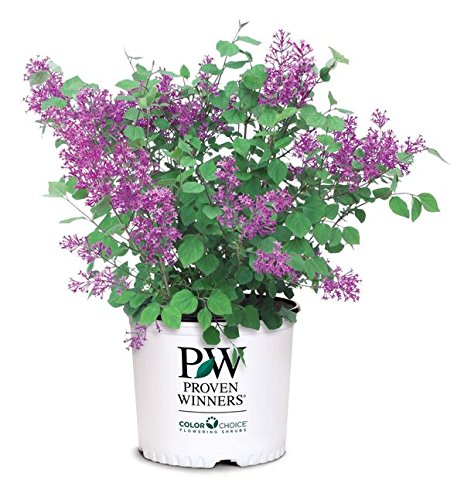
Bloomerang Dark Purple Lilac brings a more classic garden feel than the azalea above, and the appeal starts with its reblooming habit. That matters because lilacs often get remembered for a short season, while this one is meant to keep the interest going longer.
The listed color selection also points to a stronger ornamental presence, especially in spaces where scent and flower shape are part of the plan. For cottage-style borders or a walkway planting, it feels like a shrub that rewards patience with a more established look.
Highlights
- Reblooming behavior extends the lilac season beyond a single burst.
- Dark purple flowers add rich contrast in mixed plantings.
- The #3 container gives you a more developed starting plant.
- Works well where you want a traditional shrub with a fresher rhythm.
Areas To Watch
- Lilacs can be particular about placement, so site choice matters.
- It still needs enough room to breathe in the landscape.
- The flowering habit rewards a little seasonal care and patience.
Feature Rundown
Who Will Love This
You’ll like this shrub most if you want a more traditional flowering look with a richer color palette and room for it to settle in.
Where A Sibling Pick Shines
Encore Azalea Autumn Bonfire is the better fit for tighter spaces that need a smaller, easier-to-place flowering shrub.
Center Stage Red Crape Myrtle is the showier option in this group, especially for gardeners who want a shrub that reads as a focal point rather than background fill. Its mature size is broad enough to matter, so it works best where the planting plan has some breathing room.
Compared with the lilac and azalea picks, this one leans more into summer presence and a stronger seasonal profile. In a sunny mixed bed, it can anchor the design without looking stiff, though the deciduous habit means winter coverage disappears.
Upsides
- Large mature dimensions make it useful as a focal plant.
- Full sun to partial shade placement adds flexibility.
- Deciduous growth creates a clean spring reset each year.
- The 2-gallon container gives you a head start over seed-grown options.
Worth Noting
- The mature width asks for generous spacing.
- Winter leaf drop leaves the bed less screened.
- It can feel too large for small foundation areas.
Spec Overview
Perfect Match For
You’ll get the most from this shrub in a larger sunny yard where you want strong shape and a more dramatic planting moment.
Look Elsewhere When
Southern Living Obsession Nandina Shrub is the easier pick for compact beds that need steadier year-round structure.
Nanho Blue Butterfly Bush is aimed at gardeners who want quick visual fill and a looser, more natural look along a border. The fragrant purple blooms are the headline, and that makes sense in a space where you want the planting to feel active rather than clipped.
The drought-tolerant note matters most once the shrub is established, especially in warm southern yards where summer heat can make watering routines feel relentless. Compared with the crape myrtle, this one feels less architectural and more informal, which is exactly the point for many cottage-style or pollinator-focused spaces.
Reasons To Buy
- Fragrant purple flowers add scent as well as color.
- Zone 5 to 9 hardiness fits a wide range of gardens.
- Established plants handle heat and dry spells with less fuss.
- The 1-gallon size is easy to slot into new borders.
- Good choice for adding motion and softness to the edge of a bed.
Room For Improvement
- It needs time to settle before drought tolerance really shows up.
- The looser habit may feel less formal than clipped shrubs.
- Regular shaping can help keep the plant looking tidy in narrow beds.
Technical Sheet
The Right Fit
You’ll like this shrub most for sunny borders, pollinator plantings, and yards where a softer, faster-filling look feels right.
Skip It When
Proven Winners Center Stage Red Crape Myrtle suits you better if you need a larger, more formal focal plant with a stronger architectural shape.
This hydrangea seed pack is a different kind of project from the rooted shrubs above. You are not getting a finished landscape specimen here, so the appeal sits squarely with gardeners who enjoy starting earlier and shaping the result over time.
The mixed-color angle adds variety, and the Hydrangea macrophylla type is familiar to anyone who likes that rounded, abundant bloom style. The trade-off is patience, because seeds ask for more waiting and more attention than a container plant.
Best Bits
- Pack size gives you multiple planting attempts or a larger bed plan.
- Hydrangea macrophylla is a familiar garden favorite with broad appeal.
- Mixed-color planting can create a more varied display over time.
- Good fit for gardeners who enjoy starting from seed.
Softer Spots
- Seeds take longer to turn into a visible shrub.
- Results depend more on patience and growing conditions.
- The listing leans into gardening project language more than finished-plant convenience.
Quick Facts
Built With In Mind
You’re the right match for this pack if you enjoy starting from seed and can wait for a shrub to develop into its full shape.
Where Shoppers Go Wrong
The Three Company Live Lavender 2-Pack is the better fit when you want an established plant with immediate presence and less waiting.
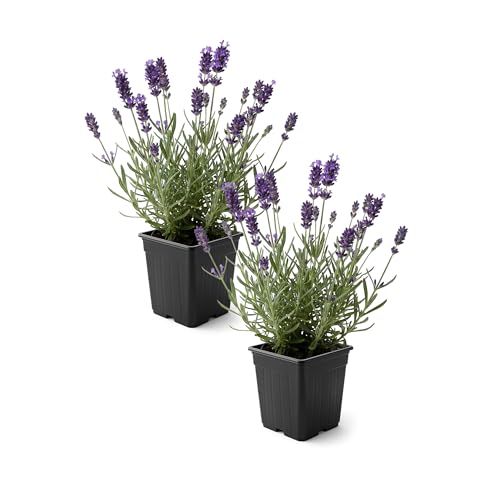
Lavender is a smart small-space plant when you want fragrance, purple flowers, and a compact footprint. This 2-pack gives you a tidy way to place matching plants along a walkway, patio edge, or sunny container grouping without crowding the bed.
The 10-inch height and 1-pint pot size keep the starting point modest, which is useful in tight spaces or mixed herb corners. Compared with the hydrangea seeds, this choice is far more immediate, and that immediacy matters when you want the space to feel finished sooner.
Positives
- Classic purple blooms bring a familiar lavender look.
- The scent is a big part of the appeal in small sitting areas.
- Two plants make it easier to balance a container or border pair.
- Compact height suits patios, sunny windows, and modest beds.
Things To Consider
- The small starter size means it will not fill a bed instantly.
- Sun exposure matters, so shady corners are a poor match.
- Container plants still need routine watering and basic upkeep.
Core Details
Whose Shelf It Belongs On
You’ll appreciate this pick most if you want a compact, fragrant plant for sunny spots and prefer a pair of plants instead of a single filler piece.
A Better Fit Elsewhere
Proven Winners Blue Chiffon Rose of Sharon suits you better when you need a much larger flowering shrub for a wide border or screen.
How To Choose The Right Flowering Shrubs
Start With Space, Not Color
Size decides whether a shrub feels graceful or cramped. A plant like Proven Winners Blue Chiffon Rose of Sharon wants room to stretch, while Southern Living Obsession Nandina and Encore Azalea Autumn Bonfire suit tighter beds more naturally.
Measure the spot with the mature width in mind, not just the nursery pot. That simple habit prevents the common mistake of filling a walkway edge with a shrub that quickly outgrows the path beside it.
Match Bloom Style To Your Garden Job
Some flowering shrubs are meant to be seen from far away, and others work best up close. Center Stage Red Crape Myrtle reads as a focal plant, while lavender and butterfly bush feel better along paths, patios, or informal borders.
Color alone does not tell the whole story. Scent, bloom timing, leaf texture, and whether the plant stays evergreen all change how it performs in daily use.
Think About Care, Not Just First Impression
Established shrubs with broader climate ranges tend to be easier to live with. The Butterfly Bush and Nandina picks give you more forgiving placement, while the hydrangea seeds ask for patience and a longer runway.
Watering needs, pruning style, and seasonal leaf drop all matter once the plant is in the ground. A flowering shrub that fits your routine is usually the one that looks good longer.
Use Hardiness Zones As A Reality Check
USDA hardiness zones help you separate plants that merely look appealing from plants that can stay healthy in your region. Rose of Sharon covers zones 5 to 9, while Center Stage Red Crape Myrtle leans warmer at zones 7 to 9.
That detail matters just as much as flower color. A beautiful shrub in the wrong climate becomes extra work, and sometimes that work never pays off.
Things Worth Knowing Before You Choose
Hidden Buying Traps
Many shoppers focus on bloom color and forget mature size, sun exposure, or whether the plant drops leaves in winter. Those details shape the daily experience far more than a pretty label.
Seed packs deserve extra caution because they are projects, not instant landscape pieces. A finished shrub and a packet of seeds solve very different problems.
When Paying More Pays Off
Higher-tier shrubs usually bring a more developed container size, clearer plant identity, or a stronger habit for landscape use. A 2-gallon or #3 container often gives you a better head start than a tiny starter, which can matter in a busy yard.
The upgrade makes sense when you want faster visual impact or need a plant that anchors a bed right away. For experimenters, seed packs stay the cheaper route, but they ask for more patience and a looser timeline.
Frequently Asked Questions
What makes a shrub a good flowering choice for a yard?
You want a plant that fits your space, climate, and maintenance routine first. Bloom color matters, but mature size and light needs usually decide long-term success.
Do flowering shrubs need full sun?
Not all of them do, since some handle partial shade well. Southern Living Obsession Nandina, for example, allows both sun and part shade.
Are small shrubs better for front yards?
Smaller shrubs are often easier to place near entryways and foundations. Encore Azalea Autumn Bonfire and the lavender pair both suit tighter spots well.
Should you choose seeds or a live plant?
A live plant gives you a much faster start and more predictable shape. Seeds make sense when you enjoy the process and can wait for the shrub to develop.
What matters most for a long-lasting flowering shrub?
Climate match, sun exposure, and planting space matter more than flower color alone. A shrub that fits those basics usually becomes easier to maintain over time.