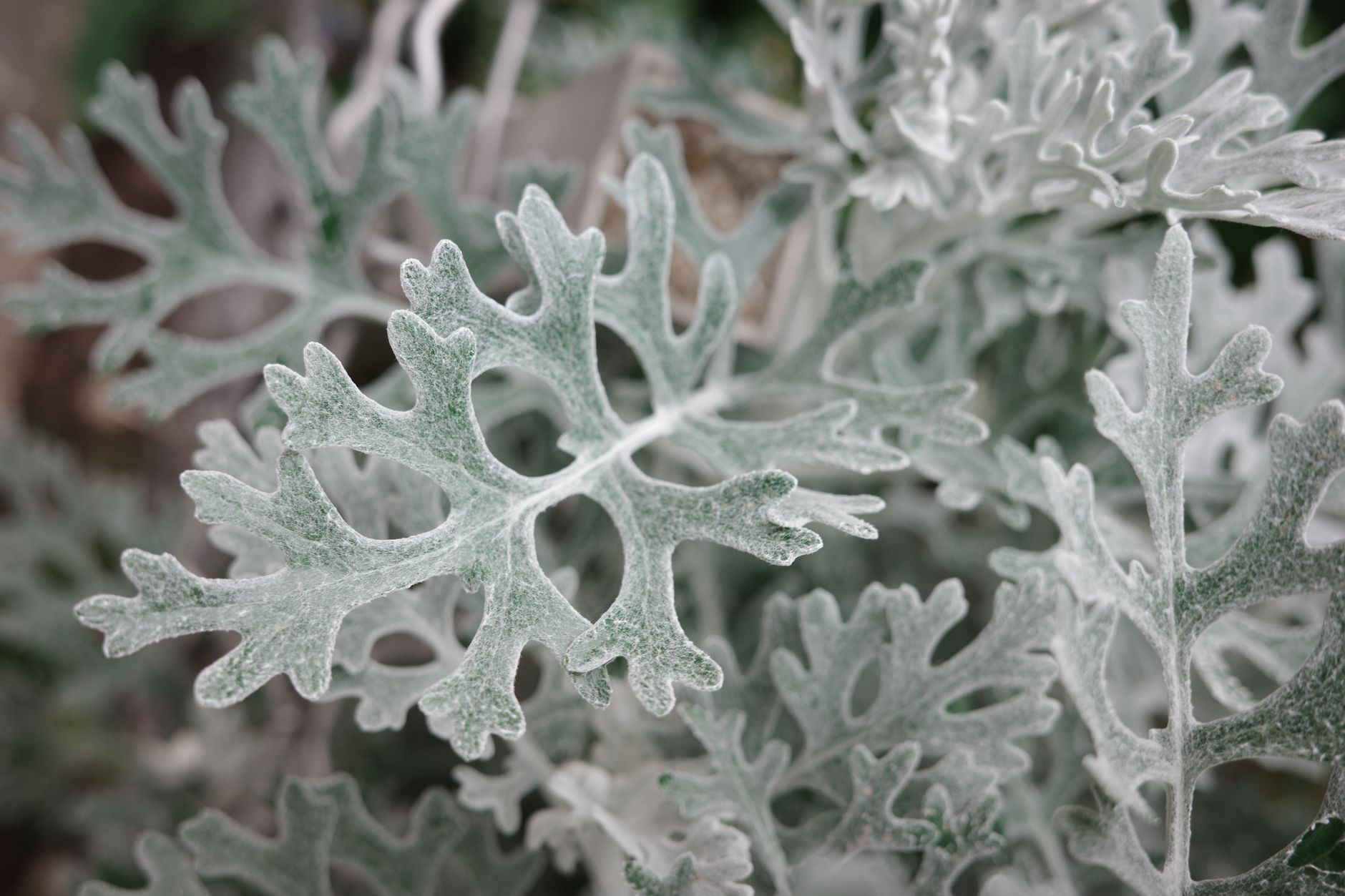

Soft gray foliage brightens beds, borders, and containers, giving this silver-leaf ornamental a gentle contrast instead of showy blooms. Its leaves carry the display, so the planting looks cleaner, cooler, and more finished with very little fuss.
This overview covers where it fits, how it grows, and the care it needs in beds, borders, and containers for gardeners who want a reliable accent plant.
The Silver-Foliage Plant Gardeners Reach For
One glance explains the appeal: silver-gray leaves calm busy color combinations and make nearby flowers pop. Cultivars range from finely cut, lacy blades to broad, fuzzy foliage that feels soft from a short distance.
That color does more than brighten a border. Silver foliage cools hot flower combinations, separates dark plants from one another, and keeps a mixed bed from looking heavy. Jacobaea maritima is the name many catalogs now use, and the Asteraceae family explains the small daisy-like flowers that appear later without taking over the show.
Foliage Comes Before Flowers
In garden beds and containers, the silver foliage takes center stage, so flower stems remain secondary to the leaf display. Shape, texture, and color do most of the work through the growing season.
Senecio cineraria is still common on seed packets and in older garden books. Current nursery labeling often uses Jacobaea maritima, and that shift helps you match plants across catalogs, tags, and regional names without guessing.
Texture Changes The Whole Effect
Fine-cut forms look airy beside coarse leaves, while plush cultivars read quieter and softer. A lacy selection near orange marigolds feels crisp and bright, while a fuzzy form beside deep burgundy coleus creates a muted edge.
You are not only buying color when you choose this plant. Texture changes how the planting feels, and that becomes a key design choice once you start placing it in the bed.
That texture effect is strongest where the plant can frame edges and soften hard lines in the bed.
Where Dusty Miller Fits In Beds And Borders
That design value shows up fastest at the front edge of a planting. Dusty miller works as border planting along paths, as edging in formal layouts, and as a soft filler where taller stems meet low annuals.
It also works as a visual bridge. A dusty miller companion plant beside scarlet salvia, purple petunia, or chartreuse coleus keeps the color shift from feeling abrupt, which makes the whole bed look planned instead of crowded.
Edging That Reads Clean From The Path
Front borders benefit from the compact form because the silver edge stays visible even when nearby blooms spill outward. Along a walkway, the plant gives you a neat line without the stiffness of clipped shrubs.
In a cottage border, the same plant feels gentler. The edge softens beside daisies, zinnias, or dusty pink annuals, so you keep shape without boxing in the rest of the planting.
Filler Between Tall Stems And Low Color
Taller plants leave a gap at knee level, and dusty miller fills that space without adding visual weight. A single row can soften the shift from upright snapdragons to mounded begonias or alyssum.
That middle layer is where many beds lose balance. The silver leaves prevent a bare zone, and the result is a smoother line across the planting. Once placement is set, light and drainage decide how well the plant holds that shape.
Those clean lines depend on a site that offers steady sun and sharply draining soil.
Growing Conditions That Keep It Looking Clean
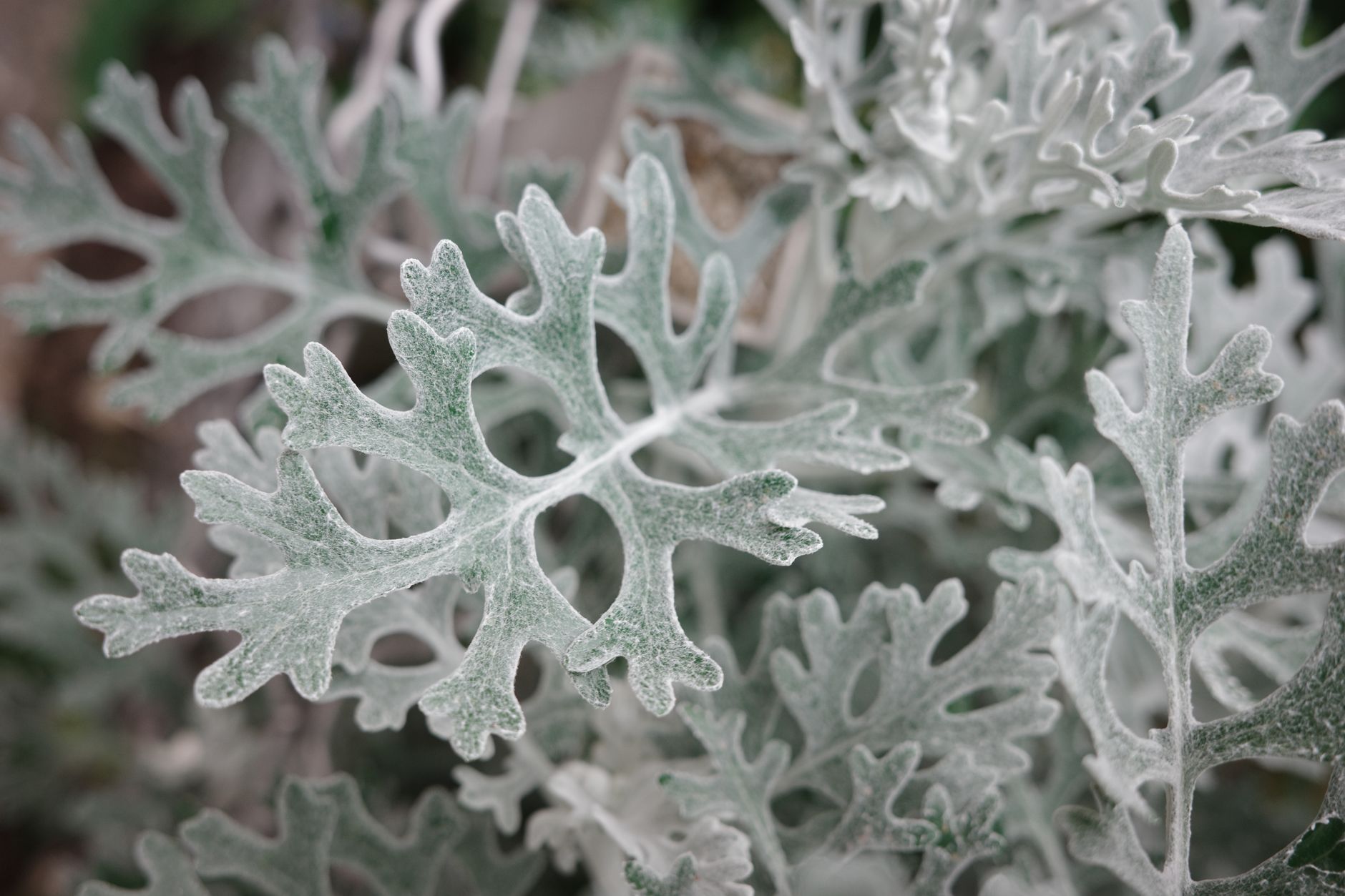
The strongest silver color comes in full sun, where growth stays tight and compact. In partial shade, stems stretch more and the leaf coating can look duller, which changes the whole effect of the planting.
Well-drained soil matters just as much. Heavy, wet ground slows the roots and invites weak growth, and overwatering causes the most trouble, especially in clay soil or beds that stay soggy after rain.
Drainage Sets The Pace
Roots need air as much as water, and saturated soil pushes air out of the spaces around them. That drop in oxygen slows root respiration, so the plant takes in less water and fewer minerals even though the soil looks wet.
Loose soil, raised beds, or a site that sheds water quickly gives you better results. A gritty mix around the root zone helps more than a heavy dose of fertilizer, because soft growth in wet ground collapses fast.
Sunlight Keeps The Habit Compact
Bright exposure shortens internodes, the small spaces between leaves on the stem. Short internodes make the plant denser, and that density gives the foliage its clipped, finished look in a border or container.
A shaded plant can still survive, but the stems loosen and the silver effect looks less crisp. That is why the dusty miller plant performs best in open beds, at the front of a sunny foundation planting, or in a pot that gets direct light most of the day.
With those conditions in place, the plant mainly needs light touch maintenance to stay attractive.
Let the soil dry a bit between waterings once roots are settled. Wet feet do more harm than a short dry spell, especially in clay-based beds and crowded containers.
Dusty Miller Care Through The Season
After transplanting, routine care stays simple throughout the season. A deep soak works better than frequent splashes, and you can water only after the top layer of soil begins to dry, especially in warm weather.
The plant tolerates heat and drought once rooted in place, which is why it stays useful in summer annual beds. In colder parts of the country, gardeners often treat it as a dusty miller annual or perennial depending on the zone, but frost-sensitive foliage usually pushes it into annual use.
Water Less Than You Think
Established plants handle dry soil far better than damp soil. The leaves stay cleaner, the stems stay firmer, and the root system pushes deeper instead of sitting near the surface.
- Check the top inch. Water only after the surface dries, especially in clay-heavy beds.
- Skip shallow sprinkling. A light splash encourages shallow roots and weak stems.
- Rinse foliage gently. A quick wash can remove dust that dulls the silver leaves.
- Watch after rain. Standing water around the crown signals drainage trouble.
Pinching Back Keeps The Shape Tight
Pinching back the tips early in the season can push branching and stop lanky growth before it starts. That small pruning step is especially useful in beds where the plant has room to sprawl.
Deadheading matters less here because the flowers are not the feature, but removing spent stems can keep the plant tidy and send energy back to the foliage. That habit matters even more when you move the plant into pots.
That same trimming rhythm becomes especially useful when foliage has to hold its shape in a confined space.
Dusty Miller In Containers And Mixed Displays
Silver foliage softens the shock of hot pink, orange, and red blooms in a pot. Dusty miller in containers works like a cool backdrop that ties several colors together without stealing the scene.
That role is useful in porch tubs, window boxes, and mixed annual bowls. Pair it with trailing annuals such as sweet potato vine or bacopa, then add compact fillers like begonias, calibrachoa, or coleus for a layered look that stays balanced through summer.
Mix Bright Blooms With A Calm Anchor
A container with only vivid flowers can feel loud. Add one silver mound and the arrangement settles down, almost like a gray frame around a bright painting.
Dusty miller companion plant combinations work well with warm-toned blooms such as marigolds, lantana, and petunias. The cool foliage makes those colors look cleaner, and the contrast stands out most in black, terracotta, or white pots.
Drainage Matters More In Pots
Container roots have less room to escape excess water, so drainage holes and a fast-draining mix matter from day one. Potting mix that holds too much moisture can lead to root rot long before the top of the plant shows clear warning signs.
A shallow cachepot without drainage is a poor match. A pot with open holes, a coarse mix, and a saucer that does not hold runoff keeps the plant healthier through summer heat, especially on a hot deck where evaporation moves fast.
In hot, exposed spots, container success still hinges on drainage, spacing, and a mix that dries evenly.
Choose a pot that drains freely, then raise it slightly on feet or small spacers. That small gap keeps runoff moving instead of pooling under the root ball.
Cultivars That Change The Look Entirely
Two dusty miller cultivars can look like different plants at arm’s length. Finely cut selections read lacy and delicate, while broader forms carry a thicker, fuzzier surface that softens the silver and the outline.
That difference matters in design. A fine form suits formal edging or a small pot where you want airiness, while a plush form fills space quickly and hides the soil line better in larger beds.
Lacy Forms For Lightness
Fine-textured cultivars throw a delicate shadow and let nearby flowers stay visible. They work well where you want silver without bulk, such as along a narrow walk or at the front of a mixed annual bed.
These forms also pair well with spiky plants because the line contrast is sharper. A narrow blue salvia beside a lacy silver plant creates a cleaner rhythm than either plant would give alone.
Fuzzy Forms For Mass And Softness
Broader, fuzzier cultivars read as a soft gray cushion. They work well where you want a planting to fill out fast or where the soil surface needs to disappear under foliage.
Choose by job, not by label alone. Texture, form, and the amount of space you need to cover matter more than the name on the tag, and the right selection saves you from awkward gaps later in the season.
Some varieties alter the whole effect, which is why choosing for habit and scale matters just as much as appearance.
What To Remember
Dusty miller works because its silver leaves do steady design work all season. Give it full sun, lean toward well-drained soil, and keep water on the dry side after roots settle, and you get the clean, bright contrast that makes beds and containers feel finished.
FAQ
How do you care for a dusty miller plant?
Give it full sun, well-drained soil, and light watering after the top inch dries. Dusty miller care stays simple once established, and crowded, wet soil causes more trouble than dry weather.
Is dusty miller an annual or a perennial?
It depends on your climate and the plant’s frost tolerance. In colder USDA hardiness zones, gardeners often grow it as an annual because cold snaps damage the foliage, while warmer areas may keep it longer.
Can dusty miller grow in full sun?
Yes, full sun is the best exposure for tight growth and strong silver color. Partial shade is possible, but the stems can stretch and the foliage may lose some of its crisp look.
Does dusty miller need to be deadheaded?
Deadheading is not essential because the plant is grown for foliage, not bloom. Removing spent flower stems can keep the plant neat and redirect energy toward leaf growth.
How tall does dusty miller get?
Most garden forms stay compact, often around 6 to 18 inches tall, depending on cultivar and growing conditions. Wider forms may spread more than they rise, which is useful in edging and containers.
What makes dusty miller a good companion plant?
Its silver leaves cool down vivid flowers and make bright colors look sharper. That contrast works especially well with reds, oranges, purples, and hot pinks in beds, borders, and pots.