Berry planting gets easier when you match the plant to your space, your climate, and how much patience you have for establishment. Some of these picks are true shrubs, some arrive as cuttings or starter plants, and a few shine because they fit small yards, container setups, or a long harvest window. You get a clearer path to fruit without sorting through a lot of filler.
This roundup focuses on practical fit: pollination needs, mature size, hardiness, and the kind of garden life each plant supports. That means you can pick something that works for a sunny fence line, a mixed edible border, or a compact patio corner without guessing.
The Shortlist At A Glance

Perfect Plants Rabbiteye Blueberry Bush 1 Gallon

Live Elderberry Cuttings for Planting

Perfect Plants Apache BlackBerry Bush 1 Gallon

Mulberry Dwarf Everbearing Plant 4 Pack

Goji Berry Wolfberry Plants 4 Pack
Blueberry Plants Collection 4 Pack

Live Chandler Blueberry Bushes 4 Pack

Pink Lemonade Blueberry Bushes 4 Pack

PERFECT PLANTS PrimeArk Freedom BlackBerry Bush 1 Gallon

Perfect Plants Bushel & Berry Jelly Bean Blueberry Bush 1 Gallon
More Details On Our Top Picks
Rabbiteye blueberries make more sense in warm regions than a lot of people expect, and this 1-gallon plant fits that lane well. The listing points to cross pollination, so your fruiting setup works best with another compatible variety nearby, not as a lone shrub at the edge of the yard.
The mature size can reach several feet in both height and spread, so this is more of a real planting than a tiny pot accent. You get a plant that suits sunny spaces, and the pruning note gives you some control if you want to keep growth in check along a fence or driveway.
Strong Points
- Suited to full sun, which helps in open yards with steady light.
- Cross pollination can support a fuller summer berry set.
- Pruning flexibility makes it easier to manage height over time.
- Heat and drought tolerance fit Southern plantings better than many cooler-climate options.
Things To Consider
- You need another compatible blueberry nearby for fruiting to really happen.
- The larger mature size asks for space you may not have in a narrow bed.
- Like most blueberries, it benefits from regular attention to soil and watering habits during establishment.
Feature Snapshot
Who It Suits Best
You get the most from this pick in a sunny Southern garden where you can place it near another blueberry for pollination.
Where A Sibling Pick Shines
Perfect Plants Bushel & Berry Jelly Bean Blueberry Bush 1 Gallon fits tighter spaces better because its dwarf habit is easier to manage.
Elderberry cuttings are a different sort of project, since you’re starting from propagation sticks rather than a potted shrub. That makes this set a good fit for gardeners who like building a hedge or berry patch from the ground up, especially in a homestead setup where patience is part of the plan.
The floral and wildlife angle matters too, because elderberry brings spring bloom interest before the dark fruit arrives. The trade-off is simple, you’re buying starting material, not a finished plant, so rooting success and early care depend more on your setup than on instant curb appeal.
Highlights
- Gives you multiple live cuttings for a larger propagation project.
- Works well for gardeners who want to shape their own elderberry shrubs.
- Spring flowers and later fruit add two seasons of interest.
- Attracts pollinators, which helps mixed garden beds feel more active.
Points To Note
- Rooting takes more attention than planting a ready-grown shrub.
- The finished size is not spelled out, so planning depends on the elderberry type you grow into.
- Cuttings need a steady hand with moisture and handling during the early stage.
Core Details
Who Will Love This
You’re the right match for this set when you enjoy propagation projects and want to grow elderberry on your own timeline.
Skip It When
Perfect Plants Rabbiteye Blueberry Bush 1 Gallon fits better for someone who wants a more direct path to a finished shrub with clearer space needs.
Apache blackberry leans into the classic backyard fruit patch role, and the thornless habit makes that role easier to live with. You get a plant that suits family harvests, where grabbing berries without a lot of snagging matters more than a fancy-looking ornamental shrub.
The zones 6 to 9 range and drought tolerance after establishment point toward warmer, sun-filled gardens, though any young berry plant still needs regular attention at first. Compared with the rabbiteye blueberry above, this one is simpler if you want blackberries rather than a multi-plant blueberry setup for pollination.
Best Bits
- Thornless canes make harvest time easier to manage.
- First-year fruiting language makes it appealing for impatient gardeners.
- Warm-climate hardiness supports Southern backyards well.
- The long-term harvest framing suits a small homestead row.
Areas To Watch
- Fruit set and cane growth still depend on sun and care.
- Blackberries can spread more than a casual planter expects.
- Young plants need watering discipline before drought tolerance really matters.
Technical Sheet
The Right Fit
You’ll like this most in a sunny family garden where harvest ease matters as much as yield.
A Better Fit Elsewhere
Live Chandler Blueberry Bushes 4 Pack suits you better when you want a longer blueberry harvest and a more compact berry shape for baking.
Some berry plants need a big footprint, and this mulberry set goes the other way with a mature height listed at 6 to 10 feet. That makes it feel friendlier for container planting or a smaller in-ground space where you still want a real fruiting plant instead of a sprawling thicket.
The self-pollinating habit is a practical plus, because you do not have to plan a second tree just to get fruit. The everbearing style also stretches the season from late spring into summer, which is handy for anyone who prefers smaller, repeated harvests over one short flush.
Upsides
- Smaller mature height suits tight yards and larger pots.
- Self-pollination keeps the setup simpler than multi-plant blueberry rows.
- Everbearing fruiting gives your garden more than one harvest window.
- Good fit for edible landscaping with a tidy growth target.
Softer Spots
- Container growers still need to watch watering and root space.
- The 4-pack takes more room than a single starter plant.
- Fruit timing can stretch across the season rather than all at once.
Details At A Glance
Built With In Mind
This is a strong fit for small gardens, patio edges, and home growers who want a manageable fruit tree-style plant.
Reach For A Different Pick When
Perfect Plants Rabbiteye Blueberry Bush 1 Gallon makes more sense if your yard gets full sun and you’re building a blueberry patch with companion plants.
Goji plants stand out because they bring a hardy, dry-site attitude to the berry patch. The listed cold tolerance down to -10°F and the drought-tolerant note make them appealing for gardeners who live with weather swings or lean watering schedules.
Self-fertility simplifies things, since each plant can fruit on its own without a second companion for pollination. The trade-off is that the berry itself is more niche than a standard blueberry or blackberry, so this set fits better when you want variety as much as quantity.
Reasons To Buy
- Cold-hardy enough for far more than mild-climate gardens.
- Self-fertile growth keeps the setup simple.
- Drought tolerance helps mature plants in drier yards.
- Works well as a conversation piece in mixed edible beds.
Small Caveats
- The berry flavor profile is more specialized than mainstream berries.
- Young plants still need regular watering while they settle in.
- Like most starter shrubs, early care matters more than the label suggests.
Core Details
Whose Shelf It Belongs On
This fits gardeners who want a hardy berry shrub with less dependence on perfect weather or companion plants.
Look Elsewhere When
Fam Plants Dwarf Everbearing Mulberry 4 Pack suits you better if you want a more familiar fruiting pattern in a smaller yard.
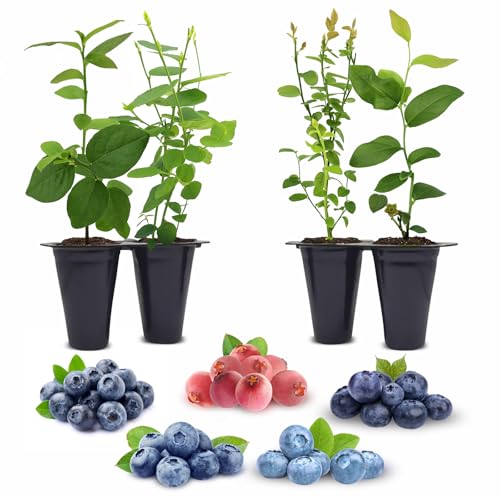
This collection is useful because it removes some of the guessing from a blueberry project. The assortment can include several named varieties, so your plantings can be a little more adaptable to local conditions and harvest preferences than a single-variety order.
That flexibility also means you should expect seasonal variation in what arrives, which is normal for an assorted pack. Compared with the Chandler or Jelly Bean picks, this one is less about a single fruit personality and more about building a mixed blueberry bed with some room to adapt.
Best Bits
- Assorted plants give you variety in a single order.
- Helpful for gardeners building a mixed blueberry patch.
- Different cultivars can suit different taste or climate preferences.
- Works well for edible landscaping where variety matters.
Honest Caveats
- The specific cultivars vary with season and stock.
- You give up some control over exact variety selection.
- Assorted plantings still need the same soil and sun care as any blueberry set.
Feature Rundown
Made For
You’ll appreciate this pack most when you want variety and are comfortable letting the season decide the exact mix.
Another Choice May Suit
Live Chandler Blueberry Bushes 4 Pack is the better match if you want one named variety with clearer harvest expectations.
Chandler is the kind of blueberry that gets attention because of berry size and a longer picking window. For home cooks, that matters more than a lot of flashy claims, since bigger berries and several weeks of ripening can make fresh eating and baking feel less rushed.
The bushes reach 4 to 6 feet tall, so they still feel manageable while giving you a real presence in the yard. Compared with the assorted collection above, this one is more straightforward, since you know the variety and the harvest shape before it ever goes in the ground.
Positives
- Large fruit size is useful for snacking and kitchen prep.
- Extended ripening spreads harvest across several weeks.
- Moderate height keeps the shrubs within a practical garden scale.
- Named variety makes planning easier than with assorted packs.
Room For Improvement
- The pack size may be more plant than a tiny yard needs.
- Large berries still need the same soil and sun support as any blueberry.
- Like most shrubs, it rewards steady pruning and care over time.
Quick Facts
Perfect Match For
This fits you well when you want a named blueberry with a long harvest and fruit size that stands out in the kitchen.
Swap It Out When
Perfect Plants Bushel & Berry Jelly Bean Blueberry Bush 1 Gallon makes more sense for tighter gardens that need a dwarf habit.
Pink Lemonade blueberry is the ornamental-minded choice in this group, because the pink fruit and glossy leaves do a lot of visual work. You still get a berry plant, but the appeal reaches beyond harvest season, which makes it nice for a front planting or a mixed edible border.
The mid to late season ripening and medium-sized fruit make it a patient gardener’s pick rather than an instant yield machine. Compared with Chandler, this one trades some pure fruit emphasis for color and landscape character, and that trade feels intentional rather than accidental.
Bright Spots
- Pink berries add unusual color to the edible landscape.
- Glossy foliage and winter twig color boost visual interest.
- Medium fruit size works for fresh use and casual picking.
- Good option when you want berries that also look decorative.
Worth Noting
- Fruit color is the main draw, so yield-only shoppers may prefer Chandler.
- Season timing leans mid to late rather than early.
- The plant still needs the same blueberry soil care as other varieties.
Spec Overview
Who Should Grab It
This is the right fit for you when you want a berry planting that doubles as a landscape feature.
Where A Sibling Pick Shines
Live Chandler Blueberry Bushes 4 Pack is the better choice for a more straightforward fruit-first planting.
PrimeArk Freedom keeps the blackberry lane simple, with a thornless form and a 1-gallon starting point that feels approachable for home planting. That combination helps if you want a clean berry row without wrestling with brambles every time you prune or pick.
The source data here is thinner than on some other plants, so the real appeal comes from the core idea, a thornless blackberry for outdoor planting with large fruit. For most backyards, that’s enough to make it a sensible berry shrub, especially beside the earlier Apache pick.
Standout Traits
- Thornless growth keeps harvest and maintenance more comfortable.
- Large-fruit emphasis fits fresh eating and kitchen use.
- 1-gallon size gives you a practical planting start.
- Works well for people who want a classic blackberry patch.
Minor Gripes
- The listing gives less detail than several other picks here.
- Space planning still matters, since blackberries can spread with age.
- Like any young shrub, it needs proper sun and establishment care.
Core Details
Right Fit For
You’ll like this most for a straightforward blackberry planting where easy handling matters.
Not Your Match When
Perfect Plants Apache BlackBerry Bush 1 Gallon suits you better if you want a clearer set of zone and drought details.
Jelly Bean is the tidy blueberry choice in this list, and the dwarf, self-pollinating habit makes that clear right away. You don’t need a large planting area or a second shrub to get moving, which is a relief for patio growers and compact suburban beds alike.
The hardiness range from zones 4 to 8 gives it a wider comfort zone than the rabbiteye blueberry above, so cooler climates get a stronger look here. The state restriction note also matters, because availability can shape the plan before you ever get to planting day.
What We Like
- Dwarf growth keeps the shrub easy to place.
- Self-pollinating habit reduces setup complexity.
- Cold-hardy range helps it fit more northern gardens.
- 1-gallon pot is simple to handle and transplant.
Room For Improvement
- State restrictions limit where you can order it.
- Dwarf plants can be less dramatic than larger blueberry shrubs.
- Like other blueberries, it still needs the right soil conditions.
At A Glance
Who It Suits Best
This is the easiest fit for you if your yard is modest in size and you want a blueberry that stays compact.
A Better Fit Elsewhere
Perfect Plants Rabbiteye Blueberry Bush 1 Gallon suits warmer southern plantings better, especially where cross pollination is already part of the plan.
How To Choose The Right Berry Bushes
Start With Climate And Chill Needs
Hardiness zone matters because berry shrubs do not all want the same weather. The rabbiteye blueberry above prefers warmer zones, while Jelly Bean stretches into cooler territory, so your local winters should guide the first cut.
Drought tolerance also deserves attention, especially in dry regions or for yards where watering is inconsistent. A shrub that settles in well after establishment can save you a lot of upkeep later, but young plants still need care while roots spread.
Match Pollination To Your Space
Some berry plants fruit on their own, and some need a companion. Jelly Bean and mulberry are self-pollinating, while the rabbiteye blueberry needs another variety nearby, so your plant count and layout should follow that fact.
That detail changes everything in a small yard. A self-fertile shrub keeps the plan simpler, but a cross-pollinating blueberry bed can reward you with a stronger harvest if you have room for more than one plant.
Think About Mature Size And Maintenance
Mature height and width are not side notes, they decide whether a plant fits a patio, a hedge line, or a full fruit bed. Chandler stays around 4 to 6 feet, while the rabbiteye blueberry can become much larger, so space planning comes before wishful thinking.
Pruning matters too, because several of these shrubs respond well to it. That gives you some control over shape and access, but it also means you should expect regular upkeep rather than a plant-and-forget routine.
Choose Fruit Style For Your Household
Some households want berries for snacking, some want baking fruit, and some want a plant that looks good even before harvest. Chandler leans kitchen-friendly, Pink Lemonade brings ornamental color, and elderberry supports a more varied use case through its flowers and fruit.
The honest read is that the right shrub is the one you’ll enjoy caring for all season, not just the one with the biggest fruit claim. A berry bush that suits your cooking habits and yard layout will feel like a better investment than a flashy mismatch.
A Quick Reality Check
Common Shopping Slip Ups
Many first-time berry growers skip the pollination details and end up with a lonely shrub that looks healthy but stays quiet. Others underestimate mature spread, especially with blackberries and larger blueberries, so the planting starts neat and later crowds the bed.
Soil and water also get overlooked. Blueberries in particular reward careful site prep, and cuttings like elderberry ask for more patience than a finished potted shrub.
The Upgrade Payoff
Higher-tier berry plants usually cost more because of the extra development time, plant form, or the number of plants included. A 4-pack, a named cultivar, or a compact self-pollinating habit often gives you more control and less setup friction.
That upgrade makes sense for gardeners who want a clearer harvest plan or a more polished landscape fit. It’s less useful when you just want a single starter to tuck into a mixed bed and let it grow.
Frequently Asked Questions
Do berry shrubs need more than one plant?
Some do, and some do not. Rabbiteye blueberries often need a second variety nearby, while self-pollinating picks such as Jelly Bean and mulberry can fruit on their own.
Which berry plant works best in a small yard?
Jelly Bean and dwarf mulberry are the easiest compact fits in this list. Their smaller size makes planning simpler near patios, fences, and narrow beds.
Are berry cuttings harder than potted plants?
Yes, because cuttings are starting material rather than a ready shrub. They reward gardeners who are comfortable with propagation and early-stage care.
Which option is easiest for a warmer climate?
Rabbiteye blueberry and Apache blackberry both suit warmer growing zones well. The right one depends on whether you want blueberries or blackberries in the final harvest.
Can you mix ornamental value with fruiting?
Pink Lemonade does that especially well because of its unusual berry color and shiny foliage. Elderberry also brings flowers before fruit, which adds another layer of garden interest.
Closing Thoughts
You have a solid spread here, from compact self-pollinating shrubs to larger fruiting plants that need a little more room and planning. The best match comes down to your climate, your pollination setup, and how much space you can spare without crowding the rest of the garden. A careful choice now saves you from a lot of replanting later, and that matters more than chasing the flashiest listing. Pick the shrub that fits your yard and your routine, then let the season do the rest.