Steep banks, rain-washed slopes, and fresh seed beds all need a little help staying in place. The right blanket slows surface runoff, holds soil together, and gives grass seed a calmer start, whether you’re working behind a house, along a driveway, or on a larger landscape job.
Some options are built for quick roll-out on short runs, while others make more sense for long spans, rougher grades, or paired use with stakes. You’ll also see real differences in fiber type, roll length, and how much coverage you get from each box, which matters more than the product name on the label.
The Shortlist At A Glance
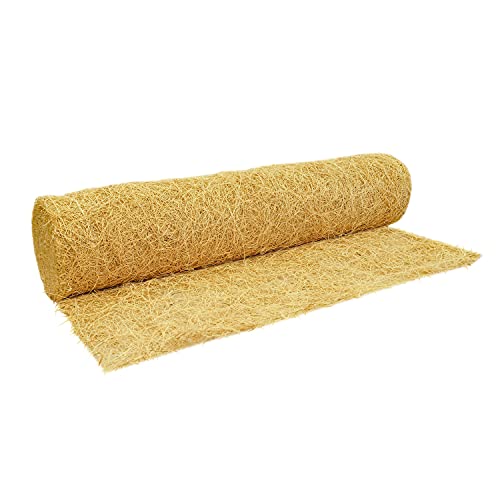
American Excelsior QuickGrass Pro Erosion Control Blanket Landscape Roll

Farm Plastic Supply 100% Biodegradable Coir Mat 6′ x 164′
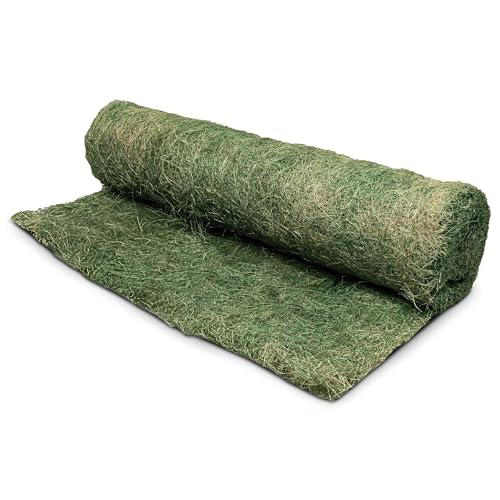
Dewitt Single Net Excelsior Soil Erosion Control Blanket Roll 4 x 112.5 Feet

American Excelsior QuickGrass Pro 4′ x 50′
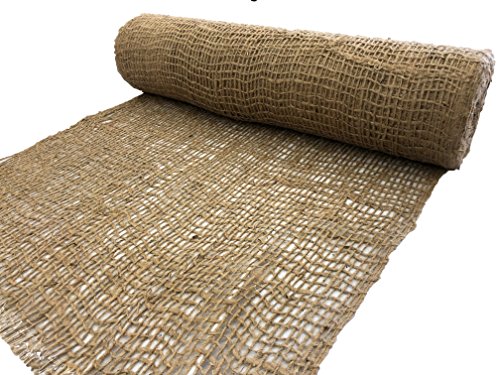
Jute Erosion Control Soil Saver Mesh Blanket 48′ Wide x 20 Yards
AK Trading CO. Jute Erosion Control Soil Saver Mesh Blanket 48′ Wide x 5 Yards

Farm Plastic Supply Erosion Control Blanket Straw Garden and Landscape Cover
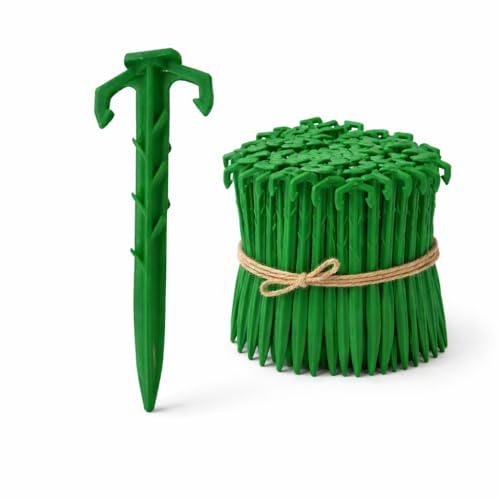
100 ct. Contractor Grade 4 Inch Biodegradable Stakes

Jute Mesh Blanket 225′ Length x 4′ Width

American Excelsior QuickGrass Pro 4′ x 112.5′
More Details On Our Top Picks
For a smaller slope or a tight run beside a path, this roll keeps the job simple. The 2-1/2 foot by 50 foot size is easier to handle than wider commercial rolls, yet it still aims to hold seed and soil in place while vegetation starts.
The manufacturer says it helps seed germination and plant establishment, and that makes sense for fresh grading or rain-prone spots around a yard. The trade-off is obvious: you get less coverage per roll than the wider options later in the list, so bigger jobs may need more pieces.
Strong Points
- Compact roll size is easier to carry through narrow side yards.
- Designed to slow erosion on hillsides and concentrated flow areas.
- Fits smaller landscaping repairs without a lot of leftover material.
- Made in the USA, which may matter for some project specs.
Points To Note
- Shorter length means larger projects need more than one roll.
- It works best when you can secure it well at the edges.
- Storage is straightforward, but any rolled material needs a dry spot.
Feature Snapshot
Who It Suits Best
You benefit most from this roll when your project is modest in scale and the layout has a few awkward corners.
A Better Fit Elsewhere
Farm Plastic Supply Erosion Control Blanket Straw Garden and Landscape Cover suits you better when you need a wider, more general-purpose cover for a larger patch of ground.
A long coir roll like this makes sense on broader garden edges, drainage lines, or a project where you want fewer seams. Coir is coconut fiber, so the mat has a denser, textured feel than a light straw blanket, and that usually appeals to people covering bare soil that needs steady contact.
The 6 foot by 164 foot format gives you a lot of coverage in one line, which can simplify layout on long runs. The trade-off is handling, because big rolls are less nimble around tight corners and awkward plant beds.
What We Like
- Long roll length helps reduce joining points across a run.
- Coconut fiber build gives it a firm, substantial feel.
- Biodegradable material keeps the project in the natural-fiber category.
- Works well for broad soil coverage around landscaping work.
- Useful for homeowners who want one roll for a bigger stretch.
Small Caveats
- The long roll can be cumbersome in tighter yards.
- Coir tends to suit flatter, more continuous areas better than cramped corners.
- Moving and storing a roll this size takes some space.
Core Details
Made For
You’re the right fit for this mat when your project spans a long stretch of bare ground and you want fewer interruptions in the run.
Look Elsewhere When
AK Trading CO. Jute Erosion Control, Soil Saver Mesh Blanket makes more sense for smaller patch work where a shorter, more manageable roll is easier to handle.
This one sits in the middle of the pack for a lot of yard projects because the 4 foot width is easy to plan around. The single net construction means the fiber mat is held together with one layer of netting, which keeps the profile relatively straightforward for seed establishment and ground cover work.
Compared with the heavier coir roll above, this feels more tailored to lawn repair and landscaping where you want a simple layout. In most backyards, that balance is a virtue, though you still need good anchoring so wind or water doesn’t shift the edges.
Highlights
- 4 foot width is manageable for common residential runs.
- Excelsior fiber suits seed and grass establishment work.
- Green color blends into landscaped areas more quietly.
- Single-net build keeps the structure straightforward.
Worth Noting
- Single-net blankets usually need secure fastening at the perimeter.
- The narrower width can mean more seams on bigger jobs.
- Fiber mats are easier to place than to move once anchored, so plan the path first.
Details At A Glance
Right Fit For
You’ll get the most from this blanket in a yard project where grass seed needs help settling into a shaped or sloped area.
Where A Sibling Pick Shines
American Excelsior QuickGrass Pro 4′ x 112.5′ is the better match for you when you want a similar size from the same brand family and prefer that line’s broader landscape roll styling.
Shorter runs around a driveway edge or side yard often need a roll that won’t feel oversized, and this one fits that role neatly. It keeps the same 4 foot width as the Dewitt blanket, but the 50 foot length makes it easier to manage for quick repairs and smaller grading projects.
That shorter format also makes storage and transport less awkward, which matters more than people expect once a roll starts bouncing around the back of a truck. The honest read is that it’s not built for sprawling sites, yet for tidy residential jobs it keeps the work clean and straightforward.
Best Bits
- Compact length is convenient for patch repairs.
- 4 foot width still gives decent ground coverage.
- Useful for homeowners handling a small slope.
- Less cumbersome than the longer landscape rolls in this list.
Areas To Watch
- Shorter roll means you may need more than one for larger ground runs.
- For broad hillside work, wider or longer picks are easier.
- It still needs proper anchoring to stay put through weather.
Quick Facts
Whose Shelf It Belongs On
This belongs with you if you care more about manageable roll size than about covering a huge area in one pass.
Swap It Out When
Farm Plastic Supply – Erosion Control Blanket – Straw Garden and Landscape Cover fits better when you want a broader straw-based cover for a longer landscape strip.
Jute brings a different feel from the excelsior options above, with a woven surface that suits soil retention and general slope work. At 48 inches wide and 20 yards long, it gives you a broad sheet of coverage that can help on garden beds, berms, and mid-sized landscape repairs.
The 240 square feet of coverage is the part many people notice first, because it can cover a meaningful stretch without moving from roll to roll too often. The catch is that jute mesh is still a natural-fiber blanket, so proper staking and sensible storage matter more than with a rigid material.
Positives
- Generous coverage suits mid-size jobs.
- Woven jute texture works well for soil hold.
- Handy for garden edges and sloped strips.
- Single roll reduces the need for frequent joins.
Minor Gripes
- Large roll size takes room in storage.
- Jute blankets need careful fastening along the edges.
- For very small repairs, the coverage may be more than you need.
Feature Rundown
Best Suited To
You’ll appreciate this blanket most on a garden or yard project where a single long roll saves you from piecing together many short sections.
Consider Something Else When
AK Trading CO. Jute Erosion Control, Soil Saver Mesh Blanket is the more practical match for small patch jobs, since its shorter roll is easier to move and place.
This shorter jute roll is built for spots where a full-size blanket would feel like too much material. The 48 inch width is the same as the larger AK Trading roll, but the 5 yard length makes it easier to move through a yard, lay out on a patch, and store afterward.
That smaller footprint is a real advantage for spot repairs, newly disturbed corners, or smaller beds after trench work. The trade-off is simple: you get only 60 square feet of coverage, so it’s not the pick for long slopes or broad grading runs.
Reasons To Buy
- Short roll is easier to handle than larger landscape blankets.
- Good fit for patch repairs and small erosion spots.
- Same natural jute structure as the longer version.
- Simple to store in a shed or garage.
Trade Offs
- Coverage is limited, so larger projects need a different roll.
- Still needs staples or stakes to stay anchored.
- The short length is efficient, but it leaves less room for overlap.
Core Details
Who Should Grab It
You should look at this one for small home projects where convenience matters more than sheer coverage.
Reach For A Different Pick When
Jute Erosion Control Soil Saver Mesh Blanket 48′ Wide x 20 Yards is the stronger fit for you when the project stretches beyond a small repair zone.
Straw blankets are a familiar route for basic slope protection, and this Farm Plastic Supply roll stays focused on that familiar job. The length listed in the source data is inconsistent, so the safer read is that you’re looking at a larger-format straw cover meant for soil retention, moisture support, and seed protection rather than a tiny patch kit.
That makes it useful on general landscaping work where the goal is to calm rainfall impact and help seedlings settle in. Compare it with the jute options above, and you’ll notice the straw style usually feels lighter in character, which is nice on broad runs but less dense than coir.
Upsides
- Straw format is familiar and easy to understand.
- Helps hold moisture around newly seeded soil.
- Useful for erosion-prone areas in ordinary yard work.
- Fits the kind of job most homeowners picture first.
Honest Caveats
- Straw blankets can feel less substantial than coir or thicker jute.
- As with most rolled blankets, edge fastening matters.
- Source data includes inconsistent sizing details, so double-check the listing before you plan coverage.
Spec Overview
Built With In Mind
You fit this pick well when you want a familiar straw cover for a backyard slope, seeded patch, or a simple landscaping repair.
A Better Fit Elsewhere
American Excelsior QuickGrass Pro 4′ x 112.5′ is a better match for you when you want a more clearly sized landscape roll from the same broad category.
Blankets do their job better when they stay in place, and these 4 inch stakes are meant for exactly that kind of work. They’re useful for anchoring weed fabric, landscape fabric, netting, and erosion blankets, so they fit naturally into the same project workflow as the rolls above.
The biodegradable part matters for some cleanup plans, though it’s still smart to think about soil type and how firmly the material needs to be held down. In loose ground or on windier spots, using enough stakes usually makes the difference between a neat install and a shift-prone one.
Highlights
- Useful across several landscape materials, not just erosion blankets.
- 4 inch length gives you a standard anchoring option.
- Count of 100 supports larger installs or repeated projects.
- Biodegradable construction can suit more natural cleanup plans.
Areas To Watch
- Anchors are an add-on, so you still need the blanket itself.
- Hard ground may call for more effort during installation.
- For very heavy-duty holding, some jobs need denser fastening patterns.
Feature Card
Whose Shelf It Belongs On
These belong with you if you already have a blanket or fabric and need a straightforward way to keep the material fixed to the ground.
Not Your Match When
American Excelsior QuickGrass Pro Erosion Control Blanket Landscape Roll is the better starting point when you still need the actual erosion blanket rather than the fasteners.
Long, continuous coverage is the story here, and that matters on larger landscape runs where short rolls would create too many seams. The 4 foot width keeps it broadly usable, while the 225 foot length gives you a serious stretch of material for broad erosion-prone strips.
Compared with the shorter jute blanket from AK Trading, this one is better suited to bigger properties or contractor-style work. The downside is plain enough: a long roll takes more room to move, stage, and store, so it fits organized projects better than casual one-off fixes.
Reasons To Buy
- Long length reduces the need for repeated joins.
- Useful for large stretches of exposed ground.
- 4 foot width stays practical for broad layout work.
- Natural jute construction suits erosion-control basics well.
Worth Noting
- Large roll can be awkward in a small shed or garage.
- Installation still depends on good staking and planning.
- The size is more than many small repairs require.
Feature Rundown
The Right Fit
You fit this roll best when your project is large enough that every extra seam starts to feel like wasted time.
Swap It Out When
AK Trading CO. Jute Erosion Control, Soil Saver Mesh Blanket is easier to live with when your job is small enough that a shorter roll keeps the install simple.
This version sits in a sweet spot for many mixed landscape jobs because the 4 foot width is manageable while the 112.5 foot length gives real reach. The source also notes a photo-degradable or biodegradable netting layer, which means the top netting is meant to break down over time rather than stay as a permanent feature.
Excelsior fibers swell when wet and knit together into a denser matrix, so the blanket is aimed at protecting topsoil from wind and water while supporting seedbed conditions. That makes it a strong fit for road edges, drainage work, and residential or commercial sites where you want one roll to handle several common conditions.
Positives
- Balanced size works for a wide range of projects.
- Biodegradable top netting aligns with natural-fiber erosion control.
- Excelsior fibers create a more connected mat when wet.
- Useful for landscaping, road work, and drainage areas.
- Longer than short yard rolls without feeling oversized.
Softer Spots
- Not as compact as the shorter 50 foot roll in this list.
- Like most blankets in this category, good anchoring still matters.
- The broader use case can tempt overbuying for tiny repairs.
Technical Sheet
Perfect Match For
You’ll like this roll most when your project needs a middle ground between a small residential blanket and a long contractor spool.
Another Choice May Suit
American Excelsior QuickGrass Pro Erosion Control Blanket Landscape Roll 2-1/2'x50' is the better fit when you only need a short, narrow run and want less material to manage.
How To Choose The Right Biodegradable Erosion Control Blankets
Match The Roll To The Ground
Width and length matter because they decide how many seams you’ll have to create. A 4 foot by 50 foot roll works for smaller residential fixes, while longer runs suit drainage swales, slope lines, and contractor-style coverage.
Steeper ground usually benefits from more frequent fastening and a blanket that stays in close contact with the soil. On gentler beds, a lighter roll can be easier to place and trim without wasting material.
Choose Fiber Type With Purpose
Jute, coir, straw, and excelsior all handle surface erosion, but they don’t feel the same in use. Coir tends to feel denser, jute sits in the middle, straw is usually lighter, and excelsior often gives that curled-wood fiber look that works well for seed support.
That choice matters most on exposed soil, drainage edges, and freshly graded spots where rain can move fast. A thicker-feeling mat usually suits longer exposure, while a lighter blanket can make sense for short-term garden work.
Think About Installation Before Ordering
Anchoring is part of the job, not an afterthought. Stakes, staples, and a sensible overlap pattern help the blanket stay where you put it, especially on windy slopes or loose fill.
Maintenance is simple, but placement needs patience. Measure the run, allow for overlap at the edges, and keep the roll you’re not using in a dry spot so the fibers stay easier to handle.
Buy For The Project You Actually Have
A short roll is more convenient for patch repairs, small hillsides, and backyard touchups. Bigger properties, road-adjacent work, and drainage runs make better use of longer blankets that reduce the number of joins.
That’s the main filter to keep in mind. The right blanket is the one that fits your layout, your slope, and the amount of soil you want to protect without turning the install into a tangle.
Things Worth Knowing First
Mistakes Worth Dodging
Shoppers often start with the wrong roll length and end up with too many seams. Another common miss is forgetting to pair the blanket with enough stakes, which can leave edges loose after the first strong rain.
People also skip over coverage math and buy for the label instead of the project size. A small repair needs a different approach than a long embankment, and the blanket that feels convenient in the cart may be too short once you lay it out.
The Upgrade Payoff
Higher-tier blankets usually pay for denser fiber, longer coverage, or a more specialized netting structure. That extra material often helps on larger slopes, harsher runoff zones, or projects where you want fewer joins and less ongoing adjustment.
Spending up makes sense when the site is more demanding than a basic backyard patch. For a tiny repair, the added material can be more than you need, but for bigger work it often saves time during layout and fastening.
Frequently Asked Questions
What size blanket works for a small slope?
A shorter roll around 50 feet long usually suits small slopes and narrow strips beside paths or driveways. Wider jobs need longer coverage so you do not end up stitching together too many sections.
Do biodegradable blankets still need stakes?
Yes, they usually do, especially on loose soil or wind-exposed ground. Fasteners help the blanket stay flat while the fibers settle in.
Which fiber feels strongest for a landscape project?
Coir usually feels denser, while jute sits in a good middle zone and straw feels lighter. The better choice depends on how much coverage and surface contact your project needs.
Can you use these blankets around newly seeded grass?
Yes, that is one of the main use cases. The blanket helps hold soil in place while the seed starts to settle.
What matters more, width or length?
Length matters for long runs, while width matters for coverage across a slope or bed. The right balance depends on how your ground is shaped.
Closing Thoughts
The best blanket for your project is the one that matches your soil, your slope, and the amount of ground you need to cover without making the install awkward. Smaller backyard jobs favor shorter rolls, while longer runs make better use of wider or more extended options. Jute, coir, straw, and excelsior each bring a slightly different feel, so the material should match the site rather than the other way around. Once you choose the right length and anchor it well, the rest of the job gets much easier.