Black rocks can pull a yard, planter, or pathway together without asking for much upkeep. You may want polished river stones for a tidy border, lava rock for a drier planting bed, or a binder to keep loose gravel in place. This roundup focuses on the shapes, sizes, and use cases that matter most so you can match the rock to the job, not the other way around.
Quick Look At The Shortlist

Anothera 18 lb Polished Black River Rock for Plants
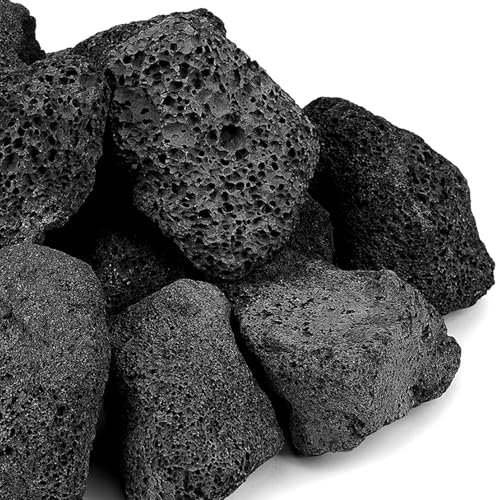
Onlyfire 10 lbs Large Black Lava Rock for Fire Pit

FANTIAN 10 lb Natural Black Pebbles Rocks for Plants

YISZM 40 lbs Black Rocks for Landscaping, 2-3 Inch River Rocks

Pulovin 30 lbs Decorative Garden Rocks for Flower Pots

Teexpert 1 Gallon Rock Glue for Landscaping

FANTIAN 20 lbs Black Rocks for Landscaping, 2-3 Inch Pebbles

Anothera 3 lb Black Lava Rock for Plant

Anothera 14 lb Red Lava Rock for Plant

NUPICK 16 lb Black River Rocks, 1-2 Inch Pebbles
The 1/2-inch size gives this Anothera bag a tidy look that works well in planters, vase displays, and small landscape borders. In a busy patio setup, that smaller stone size helps you fill gaps without making the surface feel clunky.
The honest read is that this kind of pebble is about finish and flexibility more than drama. Compared with the larger lava rock options from Onlyfire or Anothera, this one suits polished, softer-looking layouts where you want the stone to disappear into the design rather than steal it.
What We Like
- The polished finish gives containers a cleaner, more dressed-up look.
- The 1/2-inch size spreads neatly in tight planter spaces.
- It can move between indoor décor and outdoor accents without looking out of place.
- The 18 lb bag fits smaller projects without feeling oversized.
Things To Consider
- Smaller stones can shift more easily in areas with strong water flow.
- The bag size suits accents better than broad ground coverage.
- Polished stone can show dust more readily in very dry spots.
Feature Snapshot
Who It Suits Best
You get the most from this pick in containers, tabletop arrangements, and compact garden edges where a clean, polished surface matters more than bulk.
A Better Fit Elsewhere
YISZM 40lbs Black Rocks for Landscaping, 2-3 Inch River Rocks makes more sense for larger borders or wider yard areas that need heavier coverage.
Onlyfire moves away from smooth river pebble territory and into a rougher, more open lava shape that suits fire pits, fireplaces, and gas log setups. That coarse texture matters because it gives you a sturdier visual profile around heat features, and the 2.75 to 5 inch range is large enough to read clearly from a distance.
In a backyard with a fire bowl or grill surround, this kind of stone feels more purposeful than decorative filler. Compared with the polished Anothera and FANTIAN river rocks, it has a rawer look, so it works best where you want structure rather than shine.
Highlights
- The larger lava shape gives fire features a strong, grounded look.
- The 2.75 to 5 inch range works well for visible coverage around burners.
- It can also pull duty in landscape beds where a rugged finish fits.
- The 10 lb bag suits smaller fire projects or touch-up work.
Worth Noting
- The coarse shape is less suited to polished planter displays.
- Coverage is more focused, so large beds will need more than one bag.
- Loose lava rock can feel visually busy in very formal yard designs.
Feature Rundown
Made For
You get the best fit here around fire pits, fireplace surrounds, and outdoor cooking zones where a heavier visual texture makes sense.
Where A Sibling Pick Shines
Anothera 3 lb Black Lava Rock for Plant is the calmer choice for small bonsai trays, succulent pots, and fine top-dressing work.
This FANTIAN bag sits in a useful middle lane, because the 2 to 3 inch stones are large enough to show up as design pieces but not so huge that they dominate a planter. That size also helps around fountains, paving accents, and yard borders where you want more texture than the smaller 1/2-inch style from Anothera.
For a home that mixes indoor planters with outdoor décor, the look stays fairly versatile. The catch is that bigger pebbles take more visual space, so they suit open beds and wider containers better than cramped pots.
Strong Points
- The 2 to 3 inch size creates visible contrast in garden layouts.
- It works across planters, fountains, paving edges, and decorative spaces.
- The natural black finish pairs well with both light pots and dark stone.
- Ten pounds gives you enough material for modest accent areas.
Areas To Watch
- The larger pebble size can feel bulky in shallow containers.
- Coverage is limited for broader landscaping jobs.
- Rock size may need more careful placement to keep a neat surface.
Details At A Glance
Built With In Mind
You’ll like this most for accent beds, fountain surrounds, and mixed décor projects that need visible stone without a heavy industrial feel.
Another Choice May Suit
NUPICK 16 lb Black River Rocks, 1-2 Inch Pebbles fits smaller indoor plant setups better when you want a neater, slightly tighter stone profile.
YISZM stands out because it gives you a larger quantity in a 2 to 3 inch polished river rock, which makes it a practical option for broader landscape zones. In a driveway edge, foundation bed, or larger planter strip, that extra volume means fewer gaps and fewer top-off runs later.
The polished finish keeps the look cleaner than the rougher lava rock picks, so the stones feel more decorative than utilitarian. Still, the bigger size means you’ll want enough depth in the bed to keep the surface stable, especially in areas that get frequent water movement.
Reasons To Buy
- The 40 lb bag gives you broader coverage for bigger projects.
- The polished surface looks tidy in visible front-yard spaces.
- The 2 to 3 inch size adds weight and presence to beds.
- It suits both outdoor landscape use and indoor decorative settings.
- The format works well for larger containers and border fills.
Small Caveats
- The stone size is better for wider spaces than tiny pots.
- Heavier coverage can take more time to arrange neatly.
- The polished finish may look too formal for rustic gardens.
Core Details
Right Fit For
You get the most value here in larger yards, wide borders, and landscaping projects that need steady coverage rather than just accent detail.
Swap It Out When
Anothera 18 lb Polished Black River Rock for Plants works better for compact containers or smaller decorative touches where bulk would feel excessive.
Pulovin lands in a useful in-between zone, because the 1 to 2 inch stones give you more presence than small pebbles while staying easier to manage than oversized rocks. That balance works nicely along walkways, in flower pots, and in yard edges where a tidy surface matters.
Compared with YISZM’s larger 2 to 3 inch stones, this bag feels a little easier to spread across mixed projects. The trade-off is that it won’t create quite as bold a visual statement, though that restraint helps in containers that already have a lot going on.
Upsides
- The 1 to 2 inch size is versatile across pots, paths, and borders.
- The polished finish helps give planting areas a cleaner edge.
- The 30 lb bag offers useful coverage without feeling unmanageable.
- It can move between decorative and practical outdoor roles easily.
Room For Improvement
- The size is less dramatic than the larger 2 to 3 inch picks.
- Some projects will need more than one bag for full coverage.
- Polished stones can be less forgiving in very rustic settings.
Quick Facts
Perfect Match For
You’ll appreciate this most in flower pots, simple borders, and walkway edges where you want order without a heavy look.
Look Elsewhere When
FANTIAN 10 lb Natural Black Pebbles Rocks for Plants suits decorative focal points better when you want larger stones that stand out more strongly.
Teexpert is the outlier in this roundup, because it is not stone at all, it is the binder that helps pea gravel, pebbles, and small rocks stay where you put them. That makes it useful for walkways, patio edges, and decorative driveway borders where loose material tends to wander after rain or foot traffic.
The dilution ratio and coverage notes matter because this is the kind of product you use with a plan, not as a casual sprinkle. Compared with the rest of the list, it solves a different problem altogether, so it belongs with anyone who wants a cleaner, more fixed-in-place gravel surface.
Best Bits
- It helps small stone stay locked into place along paths and borders.
- The 1 gallon format suits medium landscaping jobs.
- Weather-resistant performance is useful in exposed outdoor areas.
- It dries clear, so the finish stays visually quiet.
- The 1:1 dilution guidance gives you a clearer starting point.
Honest Caveats
- This is a surface-treatment product, not a decorative stone.
- Coverage depends on how heavily you apply it and how many coats you use.
- It works best with pebble and gravel projects rather than large cobble layouts.
Spec Overview
Whose Shelf It Belongs On
You benefit most from this if you are building gravel paths, decorative borders, or other stone areas that need extra hold after install.
Where Shoppers Go Wrong
YISZM 40lbs Black Rocks for Landscaping is the better fit when you need actual decorative stone rather than a binding product for existing gravel.
This FANTIAN option is a solid middle-ground pick for people who want the visual weight of 2 to 3 inch stones without jumping all the way to a large coverage bag. It works well in garden beds, fountain edges, paving accents, and walkways where the stone itself becomes part of the look.
Compared with the 10 lb FANTIAN bag, this 20 lb version gives you more reach for larger projects. The size still makes it a touch too bold for tiny containers, but for outdoor landscaping it has a steady, easy-to-understand presence.
Plus Points
- The 20 lb size gives you more flexibility than smaller accent bags.
- The 2 to 3 inch stones stand out clearly in open garden beds.
- It fits a broad mix of outdoor uses, from walkways to fountains.
- The natural black tone pairs easily with stone, wood, and metal features.
Minor Gripes
- The larger stone size is not the neatest fit for shallow pots.
- Some layouts will need extra sorting to keep the surface even.
- The look is strong, so it may overpower very delicate décor.
Technical Sheet
Best Suited To
You’ll get the most from this bag in landscaping beds, water features, and walkway accents where medium-large stones feel intentional.
Where Another Pick Suits Better
Pulovin 30 lbs Decorative Garden Rocks for Flower Pots fits more compact mixed-use projects where you want the same family of look with a slightly easier hand in containers.
This Anothera bag is tuned for smaller plant work, because the 1/8 to 1/4 inch volcanic pieces sit lightly on top of the soil instead of acting like landscape filler. That makes it a sensible top dressing for bonsai, cacti, and succulents, especially in containers where moisture control and visual neatness both matter.
Compared with the larger river rocks in this roundup, the tiny lava pieces feel more like a finishing layer than a design statement. One thing worth considering is that the small size looks best in shallow pots and controlled plant displays, not in broad outdoor beds.
Bright Spots
- The small grain size works neatly as a top dressing.
- It suits bonsai, cacti, and succulent containers well.
- The volcanic texture gives soil surfaces a cleaner, more finished look.
- The 3 lb bag is easy to store and handle for small jobs.
Points To Note
- The small quantity is aimed at compact container use.
- Very small pieces can shift during watering if applied too lightly.
- It is not the right scale for wide landscaping coverage.
Core Details
Who Should Grab It
You’ll find this most useful for bonsai trays, cactus pots, and succulent containers that need a neat finish without bulky stone.
Not Your Match When
YISZM 40lbs Black Rocks for Landscaping is the better route for larger outdoor beds that need true ground coverage instead of top dressing.
This Anothera pick brings the same volcanic-rock idea as the black version, but the red color gives you a warmer visual contrast in plant displays and decorative beds. For spaces with stone pavers, terracotta pots, or darker foliage, that color shift can feel more deliberate than standard black top dressing.
It works best where you want the rock to contribute to the design instead of hiding in the background. The trade-off is simple, though, because the stronger color can feel less neutral than black, so it suits some layouts better than others.
Standout Traits
- The red color adds a warm accent beside plants and containers.
- The volcanic texture gives surfaces a tidy, finished feel.
- It can work in bonsai, cactus, and succulent displays.
- The 14 lb bag offers enough material for multiple small areas.
Softer Spots
- The color is more assertive than the black stone options.
- It is better for décor-focused spaces than quiet background fill.
- Some layouts will call for color matching across nearby pots.
At A Glance
The Right Fit
You get the most from this bag in decorative plant groupings, styled patios, and plant shelves where color is part of the design plan.
Skip It When
Anothera 18 lb Polished Black River Rock for Plants is the quieter choice for spaces that need a more neutral finish.
NUPICK lands in a very useful middle zone, because the 1 to 2 inch stones are large enough to read clearly but not so large that they take over a small display. That makes this bag a strong match for indoor plants, bird baths, vases, and outdoor accent spots that need a clean black stone look.
Compared with the bigger 2 to 3 inch options from FANTIAN and YISZM, this size is a little easier to place in tighter settings. You may find it especially handy in containers where you want a polished surface without the rougher feel of lava rock.
Positives
- The 1 to 2 inch size works across many display styles.
- The polished finish gives bowls and planters a neat surface.
- It suits indoor plant setups, bird baths, and decorative fills.
- The 16 lb bag is a manageable size for home projects.
Areas To Watch
- The size may feel a little large for very small pots.
- Coverage is modest for broader landscaping jobs.
- Polished stones need a bit of visual tidying in open display areas.
Key Specs
Built For
You’ll get the most value from this in indoor plant displays, decorative bowls, and garden accents that benefit from a tidy black stone surface.
Reach For A Different Pick When
Anothera 3 lb Black Lava Rock for Plant suits fine top-dressing work better when the goal is a smaller, more granular finish.
How To Choose The Right Black Rocks For Landscaping
Stone Size Sets The Tone
The first thing to settle is stone size, because it changes both the look and the handling. Smaller pieces, such as the 1/8 to 1/4 inch Anothera lava rock, work like a finishing layer on soil, while 2 to 3 inch pebbles read more like a feature element.
That difference matters in real yards and planters. Compact containers usually need smaller stone so the surface does not feel crowded, while open beds and edging zones can handle larger pieces with more visual weight.
Match The Material To The Job
River rock and lava rock do different kinds of work. River rock is smoother and more decorative, which suits polished borders, vases, and calm planting beds, while lava rock has a rougher surface that fits fire pits and top dressing around plants.
Think about maintenance too. Smooth stones are easier to wipe down and rearrange, while lava rock tends to stay visually grounded in place but can look busier in formal spaces.
Weight And Coverage Affect Everyday Use
Bag weight tells you more than the listing title alone. A 3 lb bag like Anothera’s fine lava rock is made for small containers, while 30 lb and 40 lb bags make more sense for wider projects, long borders, or several pots at once.
Higher weight usually saves you from running short halfway through a project, but it also means more storage space and more lifting. For a front-yard refresh, coverage often matters more than decorative style, so the larger bags earn their keep quickly.
Consider Stability And Finish
Some landscaping jobs need loose stone, while others need help keeping gravel from shifting. Teexpert’s binder belongs in the second group, especially on paths and decorative edges that see rain or foot traffic.
Finish matters as much as hold. Polished rock gives you a clean, tailored look, while rough lava stone feels more natural and can fit rustic spaces better, so the right choice usually comes down to how formal you want the area to feel.
Things Worth Knowing First
Mistakes Worth Dodging
Many people pick stone size before thinking about the surface it will cover, and that usually causes the mismatch. Tiny pots and narrow planters need smaller pieces, while wide beds can carry heavier stones without looking crowded.
Another easy miss is choosing decorative rock for a spot that actually needs hold. Loose gravel on a path often benefits from a binder, otherwise the neat look can drift after a few storms.
The Upgrade Payoff
Higher-tier options in this category usually cost more because of volume, finish, or a more specialized shape. A 40 lb polished river rock bag gives you broader coverage and a cleaner visual result than a smaller accent bag, while a purpose-made lava rock for fire features handles a different kind of setup altogether.
Spending more makes sense when the area is large, visible, or annoying to revisit. For small décor jobs, a lighter bag is often enough, but for a front border you want to finish once and leave alone, the larger format earns the extra outlay in practical terms.
Frequently Asked Questions
What Are Black Rocks For Landscaping Used For?
They’re used for plant tops, borders, decorative beds, vases, and outdoor accents. Some versions also fit fire features or gravel stabilization.
Which Size Works Best For Small Pots?
Smaller stones usually work best in compact containers because they sit neatly on the surface. The 1/8 to 1/4 inch lava rock is a good example of that fit.
Are Polished Rocks Better Than Lava Rock?
Polished rock looks cleaner and more formal, while lava rock feels rougher and more natural. The better choice depends on whether you want a dressed-up finish or a textured one.
How Do You Keep Landscape Rocks In Place?
Edging, a firm base, and careful spreading help, but loose gravel on paths often needs a binder for steadier placement. That is where a product like Teexpert can help.
Can The Same Rocks Be Used Indoors And Outdoors?
Yes, many of these stones move between indoor planters, bowls, and outdoor beds. The main question is size, because larger stones can overwhelm small indoor setups.
Final Thoughts
Black rocks for landscaping work best when you match the stone to the setting instead of chasing one universal answer. Smaller polished pieces suit planters and clean accents, larger river rocks carry bigger beds, and lava rock earns its place in fire areas or plant top dressing. For most homes, the smartest choice is the one that fits the scale of the space and the amount of upkeep you want to manage. Keep that in mind, and your yard will feel more finished with less effort.