Blackberry patches can take over fence lines, ditches, and neglected corners faster than many yards can keep up. You need a product that matches the job, whether that means spot-treating vines near turf, clearing a broad brushy edge, or handling larger acreage without wasting concentrate. The right choice depends on plant type, surrounding grass, and how much regrowth you want to manage later. This roundup focuses on that real-world fit, so you can narrow the field without guessing.
Quick Look At The Shortlist

Hi-Yield (35261) Triclopyr Ester 8 oz

Hi-Yield Super Concentrate Killzall II 2.5 gal
Hi-Yield Super Concentrate Killzall Weed & Grass Killer 32 oz

Hi-Yield Killzall 365 32 oz
Fertilome Brush Killer & Stump Killer Woody Plant Control 32 oz

Southern AG 01113 Brush Weed Killer 1 Quart

Roundup Poison Ivy Plus Tough Brush Killer2 Concentrate 32 fl. oz.
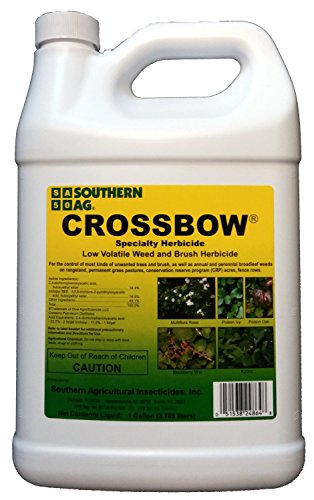
Southern Ag Crossbow Specialty Herbicide Low Volatile Weed & Brush Herbicide 128oz
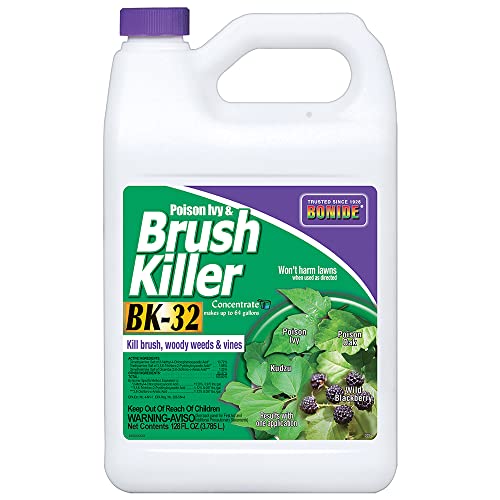
Bonide 332 Herbicide Poison Ivy & Brush Killer Bk-32 Concentrate 128 oz

Bonide Vine & Stump Killer With Applicator Concentrate 8 Oz 2 Pack
More Details On Our Top Picks
Brushy edges around turf call for a selective formula, and this Hi-Yield concentrate leans into that job. It’s aimed at actively growing broadleaf weeds, plus woody growth in non-crop areas, so it fits property lines and rough perimeter work better than a broad lawn cleaner.
The useful detail here is compatibility with perennial bluegrass, perennial ryegrass, and tall fescue ornamental turf, which matters around established grass you want to keep. The trade-off is just as important, since it should stay away from several warm-season grasses, and that makes label reading non-negotiable.
Strong Points
- Selective use around several cool-season turf types.
- Works on actively growing annual and perennial broadleaf weeds.
- Useful for oxalis and wild violet patches.
- Compact 8 oz size suits spot treatment jobs.
Things To Consider
- Not a fit for bahiagrass, bentgrass, bermudagrass, centipedegrass, St. Augustine, or zoysiagrass.
- The small bottle is better for targeted work than wide-open acreage.
- Careful storage matters because concentrate products need clean measuring and a sealed cap.
Feature Snapshot
Who It Suits Best
You’ll get the most out of it for selective brush control around cool-season turf, especially on property borders and ornamentals.
Where A Sibling Pick Shines
Hi-Yield Super Concentrate Killzall II 2.5 gal suits acreage work better, because it’s built for much larger treatment areas than this small selective bottle.
Large acreage changes the math fast, and a 2.5-gallon concentrate makes more sense than a small bottle for repeated spraying. This Hi-Yield formula is meant for annual and perennial grasses, broadleaf weeds, and woody brush species, so it covers the kind of mixed overgrowth that shows up along roadsides, field edges, and outbuildings.
The catch is simple, it should stay off lawns. That limitation is the trade-off for its broader clearing power, and property owners who need total vegetation removal in non-lawn areas will probably find the larger jug more sensible than the smaller Killzall 32 oz bottle.
Highlights
- Large 2.5-gallon format suits repeat treatments.
- Handles grasses, broadleaf weeds, and woody brush.
- Better fit for acreage than a small bottle.
- Concentrate format helps cover wide properties efficiently.
Room For Improvement
- Not for lawns, so it’s a non-turf solution.
- Storage takes more shelf space than compact containers.
- Mixing and application discipline matter more with high-volume concentrate.
Core Details
Who Should Grab It
You’ll appreciate it most on acreage, roadside borders, and open utility spaces where you need volume more than portability.
Another Choice May Suit
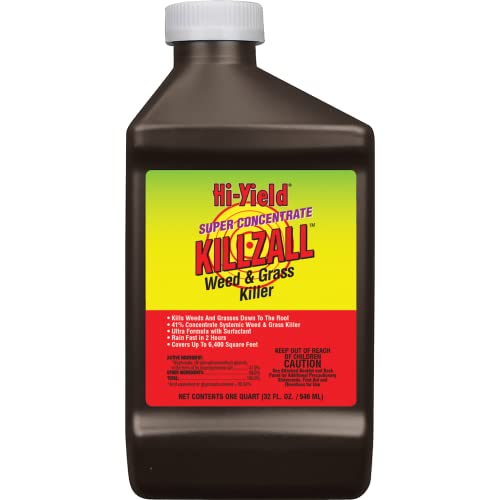
Hi-Yield Super Concentrate Killzall Weed & Grass Killer 32 oz is a better fit for smaller DIY jobs, since it keeps the same broad clearing idea in a more manageable bottle.
For most DIY users, the 32 oz size lands in a useful middle zone, big enough for real projects but still easier to store than a jug. The product is built around glyphosate, a non-selective herbicide, which means it’s meant to clear the plants you spray rather than spare nearby growth.
That non-selective behavior makes it a fit for driveways, fence rows, and patchy overgrowth where you want a clean reset. It’s less forgiving near ornamental beds or lawn patches, so a careful hand matters, and the smaller bottle is a fair match for that sort of controlled work.
Best Bits
- Manageable bottle size for home projects.
- Non-selective action suits full-area clearing.
- Easy to store on a garage shelf.
- Useful for paths, edges, and rough spots.
Points To Note
- It does not belong on lawn areas you want to keep.
- Near ornamentals, overspray control becomes very important.
- Concentrate handling asks for careful measuring and cleanup.
Quick Facts
The Right Fit
You’re in the sweet spot here for routine driveway, fence-line, and outbuilding maintenance that needs a straightforward concentrate.
Swap It Out When
Hi-Yield Killzall 365 32 oz makes more sense for longer-term regrowth control, especially on sites where repeat sprouting is the bigger headache.
This one is aimed at people who want more than a quick cleanout. With glyphosate and imazapic, an extended-control herbicide, the formula is set up to kill existing growth and discourage new growth for longer than a simple burn-down product.
That longer horizon helps around gravel pads, fence lines, and utility strips where weeds keep returning like clockwork. The trade-off is that the approach is less about quick cosmetic cleanup and more about planning ahead, so it suits steady maintenance better than last-minute spot fixes.
Reasons To Buy
- Extended control is the main draw here.
- Good fit for repeat-prone problem areas.
- 32 oz size stays easy to store.
- Useful where regrowth is the real issue.
Areas To Watch
- Longer control makes it less of a quick cosmetic fix.
- Not as focused on simple one-pass freshness as basic burn-down products.
- Careful application matters around spaces you want to keep clear of herbicide drift.
Details At A Glance
Best Suited To
You’ll likely like this most on gravel, fencelines, and hardscape edges where return growth keeps draining your time.
Look Elsewhere When
Hi-Yield Super Concentrate Killzall Weed & Grass Killer 32 oz is the simpler choice for basic knockdown work without the longer-control angle.
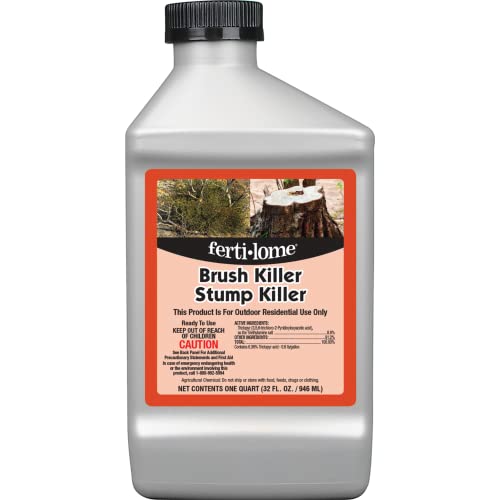
Woody overgrowth and stump problems call for a more specific tool than a general weed clearout. This Fertilome concentrate uses triclopyr ester, and that makes it well suited to brush, vines, and stump treatment in non-crop areas where you need a stronger woody-plant focus.
Compared with the smaller Hi-Yield triclopyr bottle, this one feels more aimed at repeated property maintenance than occasional edging. The honest read is that it’s a better match for established brush lines than for broad lawn-style weed control, which is exactly where many home projects get messy.
What We Like
- Triclopyr ester gives it a woody-plant focus.
- Good fit for brush, vines, and stumps.
- 32 oz size supports repeat property work.
- Useful in non-crop spaces around neglected edges.
Softer Spots
- Not built for general lawn treatment.
- Best results depend on matching the formula to woody growth, not grassy weeds.
- Cleanup and storage need the same care as any concentrate.
Spec Overview
Perfect Match For
You’re in the right zone here for brushy property edges, invasive vines, and stump cleanup around larger yards.
A Better Fit Elsewhere
Hi-Yield Killzall 365 32 oz suits people who care more about extended regrowth control than woody-plant specificity.
A one-quart bottle makes sense for smaller yards, spot patches, and occasional brush work where a larger jug would just sit around. Southern Ag keeps this simple, which many home owners appreciate when the job is a narrow strip, not a full property overhaul.
The upside of that compact format is easier handling and storage, especially in a packed garage. The trade-off is volume, so large acreage users will likely move through it quickly, while targeted spot treaters may find the size about right.
Upsides
- Quart size is easy to store and carry.
- Good fit for spot treatment work.
- Simple format reduces bulk in the garage.
- Nice match for small brush patches.
Minor Gripes
- Smaller volume means less coverage per container.
- Large properties may need a bigger format.
- Concentrate care still matters during mixing and cleanup.
Core Details
Built With In Mind
You’ll get the cleanest fit from it in modest yards, around fence lines, and for touchups that don’t need bulk volume.
Reach For A Different Pick
Southern Ag Crossbow Specialty Herbicide Low Volatile Weed & Brush Herbicide suits bigger spray jobs better, because the gallon format covers far more ground.
Fence lines tangled with poison ivy and blackberry shoots need a formula that handles mixed brush without making the job feel piecemeal. This Roundup concentrate is aimed at poison ivy, poison oak, poison sumac, wild blackberry, and kudzu, which gives it a useful spread for common overgrowth around paths and property edges.
The visible-results-in-hours angle makes sense for people who want to see the plant response without waiting around for weeks. The trade-off is that fast knockdown still doesn’t replace careful spraying, so it suits controlled spot work better than broad, careless coverage.
Positives
- Broad brush and vine coverage.
- Targets wild blackberry along with other problem plants.
- Good fit for fence lines and overgrown borders.
- Useful when you want a faster visible response.
Honest Caveats
- Fast response still depends on careful application.
- Not a substitute for ongoing trimming in heavy growth.
- Concentrate handling means measuring and cleanup are part of the job.
Feature Rundown
Whose Shelf It Belongs On
This belongs with people who face mixed vine pressure and want a straightforward concentrate for common brushy trouble spots.
Skip It When
Hi-Yield Killzall 365 32 oz is the smarter match for longer regrowth control, especially in places where repeat sprouting is the main annoyance.
Big treatment areas often need a gallon jug, not a compact bottle. Southern Ag Crossbow is built for broad weed and brush control, and the source details say it can make up to 96 gallons of spray solution, which gives a clear hint about the scale it’s meant to cover.
That kind of volume suits property borders, long drives, and wide cleanup zones where repeated mixing would get old fast. The formula uses Garlon and 2,4-D, so it sits in the more serious end of the category, and the larger size is the obvious trade-off for that reach.
Bright Spots
- Gallon format suits wide-area work.
- Can produce up to 96 gallons of spray solution.
- Targets unwanted trees, brush, and broadleaf weeds.
- Good fit for larger property maintenance.
Worth Noting
- Large container takes more storage room.
- Mixing scale is better suited to bigger projects than tiny touchups.
- Low-volatile herbicide handling still calls for careful spraying around desirable plants.
At A Glance
Made For
You’re looking at a strong fit for large properties, roadside growth, and broad cleanup work where gallon sizing saves effort.
Consider Something Else When
Southern AG 01113 Brush Weed Killer 1 Quart is easier to live with for small spot jobs, since it keeps the format much more compact.
Bonide goes after the kind of stubborn mix that shows up in neglected corners, poison ivy one season and woody weeds the next. The product’s listed plant range is broad, with poison ivy, poison oak, kudzu, wild blackberries, chickweed, dandelion, clover, thistle, and many others in the mix, so it fits uneven cleanup work well.
That broad coverage is handy for yards that never seem to settle into one weed type. The flip side is that a broad tool can feel less specialized than the triclopyr-focused picks earlier in the list, so it’s strongest when variety matters more than a single-target formula.
What We Like
- Very broad plant list for mixed infestations.
- Good for poison ivy and wild blackberry patches.
- Gallon format helps with larger projects.
- Works well for irregular, neglected spaces.
Small Caveats
- Broad coverage can feel less specialized than a woody-plant-focused formula.
- The larger container needs more storage room.
- Mixing care still matters on uneven ground and edges.
Technical Sheet
Best Suited To
You’ll like this most where the problem is messy and mixed, especially on older properties with several weed types in one place.
Another Choice May Suit
Fertilome Brush Killer & Stump Killer Woody Plant Control 32 oz is the sharper fit for people who want a more woody-plant-centered concentrate.
Some yard jobs are about precision more than volume, and this Bonide two-pack leans in that direction. The applicator included in the package makes it feel suited to targeted vine and stump work, which is helpful around fence posts, cut stumps, and tight spots where a broad spray would be clumsy.
Compared with the gallon-size picks earlier, this is the neat, targeted option rather than the heavy-coverage one. That makes it attractive for smaller properties or for owners who want a controlled application approach, though the small 8 oz bottles won’t suit big overgrowth projects for long.
Plus Points
- Applicator included for more targeted use.
- Two-pack format helps keep a spare bottle on hand.
- Compact size is easier to store than gallon jugs.
- Good fit for stumps and vine spots.
Trade Offs
- Small bottles are not built for large acreage.
- More specialized than the broader mixed-weed picks.
- Precision use still asks for careful cleanup and storage.
Feature Card
Right Fit
You’re best matched here if you want a targeted stump and vine treatment for smaller spaces or precise cleanup work.
Where A Sibling Pick Shines
Bonide 332 Herbicide Poison Ivy & Brush Killer Bk-32 Concentrate is the better fit for larger, messier patches that need a broader plant range.
How To Choose The Right Blackberry Killers
Match The Formula To The Plant Type
Blackberry control starts with knowing what’s mixed into the patch. Triclopyr ester suits woody plants and brushy growth, while glyphosate-based concentrates are broader and better for full-area clearing.
That difference matters around turf, ornamentals, and fence lines. A selective formula can spare the surrounding grass, while a non-selective one clears whatever it touches.
Think About The Space You’re Treating
Small yards and spot jobs usually call for 8 oz or 32 oz containers. Acreage, roadside strips, and large brush zones make gallon-sized concentrates feel far more practical.
Storage matters too, especially in a crowded garage. A compact bottle is easier to keep organized, but a larger jug reduces repeat runs to the shed.
Decide Whether You Want Quick Knockdown Or Longer Control
Basic knockdown formulas focus on what’s already growing. Extended-control products add another layer by helping reduce regrowth pressure in treated zones.
That extra control tends to fit gravel pads, fence lines, and utility strips better than decorative edges. It costs more because the formulation is doing more work, not because the bottle looks fancier.
Keep Safety And Cleanup In Mind
Concentrates ask for measuring, mixing, and careful storage. A spill-proof routine and a clean sprayer matter just as much as the formula itself.
Also check where the product can and cannot be used, especially near turf types you want to keep. That small step saves a lot of frustration later.
A Quick Reality Check Before You Choose
Common Shopping Slip Ups
Many people start with the wrong plant match, especially when blackberry is tangled with brush or vines. A formula that handles one type of growth well may be poor at another.
Another common miss is container size. A small bottle feels convenient, then disappears fast on a wide lot.
The Upgrade Payoff
Higher-tier products usually cost more because they cover a larger area, bring broader plant control, or add longer regrowth management. You’re paying for less repetition and more job fit.
That upgrade makes sense on acreage, repeated problem spots, or dense woody overgrowth. For a tiny patch beside a walkway, a simpler bottle is often enough.
Frequently Asked Questions
What works best for blackberry along a fence line?
A selective triclopyr formula usually fits fence-line blackberry well when nearby turf needs protection. Broad non-selective products work better when you want the whole strip cleared.
Can you use these products on a lawn?
Some are made for turf-adjacent use, while others should stay off lawns entirely. The label matters more than the bottle size.
Why do some blackberry killers mention stump control?
That usually points to a woody-plant focus, which matters after you cut canes down. It helps you choose a product that fits more than just leafy growth.
Is a larger jug always better?
No, size only helps when the job is large enough to need it. Small yards often do better with a bottle that’s easier to handle and store.
What matters more, quick results or regrowth control?
That depends on how often the patch comes back. Quick knockdown helps you clear the surface, while longer control is better for recurring trouble spots.
Closing Thoughts
The best blackberry control choice depends on where the patch lives, how woody it has become, and how much surrounding growth you want to protect. A selective triclopyr bottle makes sense near turf, while a broader glyphosate concentrate fits rough cleanup jobs and larger areas. For recurring growth, extended-control options are worth a closer look. Pick the format that matches your space, and the work gets a lot more manageable.