Blooming shrubs can do a lot of quiet work in a yard, from softening a fence line to giving a front entry a little structure without looking stiff. This roundup is for you if you want live shrubs that match real garden jobs, not just pretty flowers on paper.
You’ll see compact plants for tighter beds, taller choices for screening, and a few flowering shrubs that suit pollinator-friendly spaces. The trade-off is simple, each pick leans a little differently on bloom style, growth habit, and climate fit.
The Shortlist At A Glance

Encore Azalea Autumn Bravo Shrub 1 Gal

Lynwood Gold Forsythia Bush by DAS Farms

Perfect Plants Bridal Wreath Spirea 1 Gallon Pot

Pink Weigela Shrub 10 to 16 in Quart Pot

Proven Winners Double Play Doozie Spirea 2 Gal.
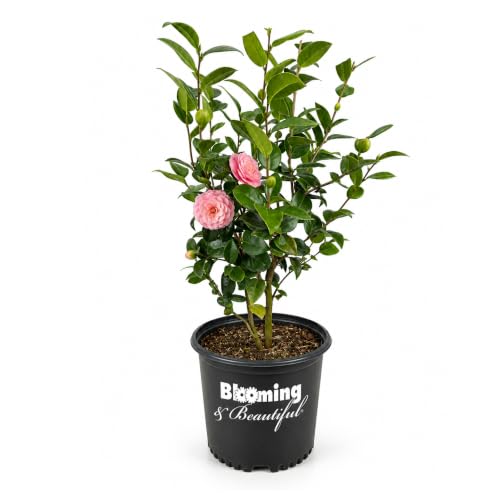
Blooming & Beautiful Pink Perfection Camellia 3 Gallon

Proven Winners White Pillar Rose of Sharon 2 Gal.
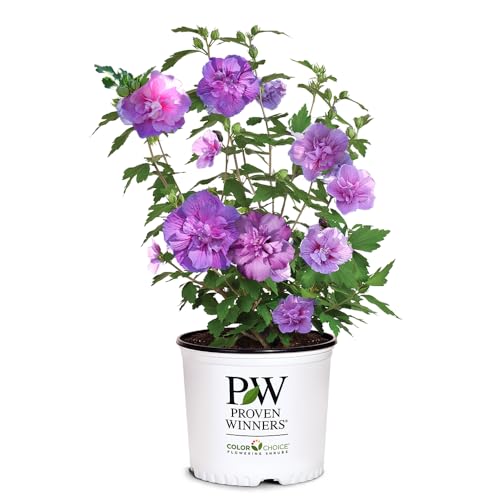
Proven Winners Dark Lavender Chiffon Rose of Sharon 2 Gal.

Southern Living Hydrangea Heart Throb 2 Gallon

Proven Winners Weigela Spilled Wine 2 Gallon
More Details On Our Top Picks
Rich red azalea color gives this shrub a strong front-yard presence without needing a huge footprint. A 1-gallon start makes sense for gardeners who want to build a border over time, and the plant page points to solid seller support and dependable delivery handling.
Compared with the taller rose of Sharon picks later in this list, Encore Azalea Autumn Bravo stays more restrained and easier to work into beds near a porch or walkway. You may find that smaller starting size handy in a yard where you want bloom impact now, but not a bulky shrub that crowds the space too quickly.
Strong Points
- Deep red flowers bring a clear color anchor to entry beds.
- Smaller starter size helps you place it in tighter planting areas.
- Useful for layered borders where lower shrubs sit in front of taller ones.
- Seller notes point to responsive service, which matters with live plants.
Points To Note
- The compact start means you are planning for growth, not an instant full hedge.
- Azaleas usually need the right soil and siting, so placement matters.
Feature Rundown
Who It Suits Best
You are the right fit for this one if you want a compact flowering shrub for a front border, porch bed, or foundation planting.
Where Another Pick Suits Better
Proven Winners Weigela Spilled Wine works better for you if you want a similar sized shrub with a different color story and a more casual hedge feel.
Forsythia earns its place by arriving with a clear seasonal job, bright yellow bloom coverage that wakes up a yard fast. This one comes as a live plant in the 1 to 2 foot range, so you can tuck it into a new hedge line or let it establish as a starter shrub without much drama.
Relative to the azalea above, Lynwood Gold leans more into broad spring color than refined flower texture. In a busy side yard or along a property edge, that bolder habit can be exactly what you want, though the trade-off is less formal polish.
What We Like
- Bright yellow bloom display gives fast spring impact.
- Starter height works well for hedge planning and row planting.
- Flexible use in borders, edges, and open foundation beds.
Worth Noting
- The plant arrives young, so you need patience for a fuller screen.
- Its look is more exuberant than refined, which is the point for many yards.
Technical Sheet
Made For
You are the best match for this shrub if you want a fast-color spring plant for a hedge start, driveway edge, or open bed.
A Better Fit Elsewhere
Southern Living Hydrangea Heart Throb suits you better if you want a fuller, softer look with a different bloom character for a more settled garden bed.
Bridal wreath spirea has a softer, more draping look than the upright shrubs above it, and that arching branch structure matters in a mixed garden. The spring bloom display of double white flowers gives you a classic cottage-garden feel, while the 1-gallon pot keeps it approachable for smaller projects.
For a side yard, border edge, or specimen planting, the shape does a lot of the visual work on its own. The deer-resistant note and pollinator-friendly appeal are both useful, though you still want the right sun and spacing to help the shrub settle in well.
Highlights
- Arching branches carry clusters of white spring flowers.
- Useful in borders, hedges, and standalone spots.
- Pollinator-friendly planting can add more garden activity around bloom time.
- Deer resistance is a practical plus in many suburban yards.
Small Caveats
- The airy shape gives beauty, not a dense screening wall.
- Live shrubs need regular watering early on, especially after planting.
Core Details
Built With In Mind
You are the right fit if you want a graceful flowering shrub for a mixed border, cottage-style bed, or a soft hedge line.
Look Elsewhere When
Encore Azalea Autumn Bravo fits better for you if you want a tighter shrub with stronger red color and a more compact visual profile.
Quart-pot weigela is a sensible starting point for a smaller garden bed where you still want visible spring flowers. The 10 to 16 inch height keeps the plant easy to place, and the pink trumpet-shaped blooms bring the kind of color that feels friendly without crowding a walkway.
Compared with Bridal Wreath Spirea, this weigela reads a little more upright and a little less airy. That makes it a comfortable fit for foundation plantings and beginner-friendly landscape spots, though you will need patience while it fills out.
Bright Spots
- Pink flower clusters add a clear spring highlight.
- Quart-pot size makes handling and placement simpler.
- Works well in small beds where taller shrubs would feel heavy.
- Pollinator appeal adds extra garden activity around bloom time.
Areas To Watch
- The shrub starts small, so the full effect takes time.
- A quart pot can dry out faster than larger nursery containers.
- It is less useful for privacy than the taller rose of Sharon picks.
Feature Card
Right Fit For
You are the best match if you want a modest starter shrub for a tight border, cottage bed, or front foundation strip.
Where A Sibling Pick Shines
Proven Winners Double Play Doozie Spirea suits you better if you want a more established container size and a shrub that leans into broader landscape use.
This spirea feels like a useful middle ground, especially for gardens that need shape without too much fuss. The 2-gallon container gives you a more established start than the quart-pot weigela, and the listed mature size stays compact enough for borders, courtyards, or low foundation plantings.
Full sun to partial shade gives you placement flexibility, which matters in yards where the light shifts across the day. Deciduous foliage means it will lose leaves in winter and push fresh growth back in spring, so the trade-off is seasonal rest rather than year-round greenery.
Upsides
- Compact mature size suits smaller landscape footprints.
- 2-gallon start feels more established than tiny starter plants.
- Sun to partial shade flexibility helps with mixed-light yards.
- Deciduous habit gives a clean winter reset.
- Easy to work into layered beds with other shrubs.
Things To Consider
- Leaf drop in winter means you will not get full coverage year-round.
- Container plants still need consistent watering after planting.
Quick Facts
Who Should Grab It
You are the right fit if you want a compact, flexible shrub for mixed light and a controlled mature footprint.
Another Choice May Suit
Blooming & Beautiful Pink Perfection Camellia suits you better if you want evergreen structure instead of a seasonal leaf drop.
Pink Perfection camellia brings a more formal look than the spirea and weigela picks above it, thanks to its evergreen habit and double, peony-like bloom style. That makes it feel at home near an entry, beside a walkway, or in a garden where you want structure even before the flowers open.
Zones 7 to 9 keep the fit fairly specific, so this is less of a universal yard shrub and more of a climate-matched statement plant. The honest read is that it rewards a garden with a polished, steady look, but it asks for the right region and space planning.
Best Bits
- Evergreen foliage helps the shrub hold structure across seasons.
- Formal double blooms give a polished garden feel.
- 3-gallon size offers a stronger starting presence.
- Works well where entry planting needs a more intentional look.
Room For Improvement
- Climate range is narrower than several other shrubs here.
- Formal appearance can feel less relaxed in very casual yards.
- Evergreen shrubs need enough room to avoid looking cramped as they mature.
Details At A Glance
Perfect Match For
You are the right fit if you want an evergreen flowering shrub for a sheltered entry, formal border, or southern garden bed.
Skip It When
Proven Winners White Pillar Rose of Sharon fits you better if you need a taller shrub for screen-like height and broader zone flexibility.
White Pillar is the tallest plant in this roundup, so it shifts the job from accent planting toward vertical screening. With a mature height listed between 120 and 192 inches, it suits a yard where you want floral height along a fence, patio edge, or property boundary.
That scale is the trade-off and the advantage. Compared with the camellia and compact weigela options, this shrub brings much more reach, but you need enough vertical room and a little patience as it grows into that role.
Reasons To Buy
- Very tall mature height supports privacy-style planting.
- White blooms keep the look clean and versatile.
- 2-gallon container offers a stronger start than the tiniest options.
- Full sun to partial shade adds placement flexibility.
Minor Gripes
- The tall habit needs room overhead and around the base.
- It is less suited to compact foundation beds than shorter shrubs.
- Big vertical growth means you are planning for the long view.
Spec Overview
Whose Shelf It Belongs On
You are the right fit if you want a tall flowering shrub for vertical structure, screening, or a long border that needs height.
Swap It Out When
Proven Winners Dark Lavender Chiffon suits you better if you want a similar rose of Sharon form with a softer color statement and a wider growth habit.
Dark Lavender Chiffon keeps the rose of Sharon form but softens the palette, which gives you a more decorative effect than the white pillar version. The wide mature spread, paired with the recommended 48-inch spacing, makes it easier to think in terms of individual statement plants rather than a tight row.
That spacing note matters in real yards, especially where shrubs need breathing room to show off their shape. For a mixed bed or a stand-alone focal point, this one lands between showy and controlled, though it is not the narrowest choice here.
Standout Traits
- Lavender-toned blooms create a softer focal point.
- Wide mature spread suits stand-alone garden planting.
- Full sun to part shade helps with placement choices.
- Spacing guidance makes layout planning easier.
Softer Spots
- The broader footprint needs more room than the pillar form.
- It works best where the shrub can be seen from multiple angles.
- Like many live shrubs, early care matters while roots settle.
Feature Snapshot
Who Will Love This
You are the right fit if you want a flowering shrub with a softer color story and enough room to show off its full shape.
Reach For A Different Pick When
Proven Winners White Pillar Rose of Sharon suits you better if the space is narrow and you want height more than width.
Hydrangea Heart Throb brings the kind of full, familiar flowering shape many yards can use near an entry or along a porch line. The 2-gallon size usually feels more grounded than the tiniest starter shrubs, so it works well when you want a plant that already has some presence.
The listing details are lighter than some others here, which means the exact climate and mature footprint deserve a careful look before planting. Still, for a garden that wants a classic flowering shrub with a fuller look, this one feels easy to place in a lot of everyday settings.
Positives
- Hydrangea form gives a broad, familiar garden look.
- 2-gallon size offers a more established start.
- Good fit for porches, front beds, and casual borders.
- Easy to imagine in a range of home landscapes.
Honest Caveats
- The source details do not spell out climate or light needs here.
- Hydrangeas can ask for attentive watering during establishment.
Core Details
Who It Suits Best
You are the best match if you want a familiar flowering shrub for a porch bed, entry planting, or an easygoing mixed border.
Not Your Match When
Proven Winners White Pillar Rose of Sharon works better if you need a much taller shrub for screening or vertical emphasis.
Spilled Wine weigela closes the list with a balanced shape that suits many border jobs without demanding much visual explanation. The mature size lines up with the compact end of the roundup, so it can sit beside paths, in mixed shrub beds, or near a front foundation without taking over the scene.
Compared with the pink weigela starter above, this 2-gallon plant gives you a stronger starting point and a bit more confidence in placement. It still keeps the same broad, manageable footprint, which is why it feels so practical for home gardeners who want color and structure together.
Plus Points
- Compact mature size works well in modest garden beds.
- 2-gallon container gives a steadier starting presence.
- Full sun to partial shade keeps placement flexible.
- Deciduous habit allows a seasonal reset each year.
Areas To Watch
- Leaf drop in winter means the shrub will not hold fullness year-round.
- It will not give the same screening height as the rose of Sharon options.
Quick Facts
Who It Suits Best
You are the right fit if you want a compact flowering shrub that feels easy to place in a mixed border or front bed.
Consider Something Else When
Encore Azalea Autumn Bravo suits you better if your goal is a tighter accent plant with stronger red flower impact.
How To Choose The Right Blooming Shrubs
Match The Shrub To The Job
A flowering shrub should solve a real space problem, not just fill a hole in the yard. Compact plants like the Pink Weigela and Proven Winners Weigela Spilled Wine fit lower borders, while taller choices like White Pillar Rose of Sharon work better for screening or a fence line. That first split matters more than flower color, because the wrong mature size turns into extra pruning or awkward spacing later.
Think In Seasons, Not Just Bloom Day
Some shrubs give you a short, bright burst, and others stay useful because of structure or evergreen foliage. Encore Azalea Autumn Bravo and Bridal Wreath Spirea are stronger seasonal bloom plays, while Pink Perfection Camellia keeps visual presence even outside bloom windows. For yards that look plain in winter, an evergreen option can carry more weight, though it usually asks for stricter climate fit.
Check Light, Space, And Patience
Full sun, partial shade, and part shade are not interchangeable, especially once shrubs start filling out. Proven Winners Double Play Doozie Spirea and Spilled Wine weigela both give you manageable size ranges, but their final shape only works well when the planting bed has room to breathe. A 2-gallon container usually feels more established than a quart pot, yet smaller plants can be smarter for budgets and tighter layouts.
Buy For Your Climate Zone First
Zone range is one of the clearest filters in this category. Pink Perfection Camellia is much more climate-specific than the broader-range spireas and weigelas, while the rose of Sharon picks open the door to a wider set of gardens. That simple check can save you from placing a beautiful shrub in a spot where it never really settles in.
A Quick Reality Check Before You Commit
Mistakes Worth Dodging
A common misstep is chasing bloom color before checking mature size and light. Another is choosing a tiny starter plant for a spot that really needs visual weight now, which can leave the bed looking unfinished for a long time.
The Upgrade Payoff
Higher-tier shrubs often cost more because of container size, branding, and the maturity of the plant you receive. A 3-gallon camellia or a larger rose of Sharon usually gives you a stronger starting shape, which matters most in entry beds and focal spots where waiting two seasons feels like too much.
Frequently Asked Questions
How do you choose between azaleas and weigelas?
Azaleas often bring denser flower color and a more refined edge, while weigelas feel a bit more relaxed in mixed landscapes. The better choice depends on whether you want a neat accent or a softer, easygoing shrub line.
Are rose of Sharon shrubs good for screening?
Yes, the taller rose of Sharon picks in this list suit screening better than the compact shrubs. White Pillar, in particular, is built for height rather than low borders.
Do live shrubs need special handling after delivery?
They need careful unpacking, watering, and a quick move into the ground or a container. That early attention matters more than most shoppers expect, especially in warmer weather.
Which shrubs here work best for smaller yards?
Encore Azalea Autumn Bravo, Pink Weigela, and Spilled Wine weigela are the easiest fits for tighter spaces. Their mature sizes stay more controlled than the tall rose of Sharon options.
Which pick gives the most formal look?
Pink Perfection Camellia brings the most polished, structured feel thanks to its evergreen habit and double blooms. It suits an entry or formal bed better than the looser spirea forms.
Closing Thoughts
You have a lot of good directions in this list, and the best choice comes down to the job your yard needs done. For a compact accent, Encore Azalea Autumn Bravo and Spilled Wine weigela make sense. For height, White Pillar Rose of Sharon stands out, while Pink Perfection Camellia is the polished option for climate-matched spaces. Pick the shrub that fits your bed size, your light, and the amount of patience you want to give it.