Choosing bonsai soil gets easier once you stop thinking in terms of “potting mix” and start looking at drainage, grain size, and root balance. That matters whether you’re repotting a tree on the patio, refreshing a tropical bonsai on a windowsill, or building a gritty mix for succulents that share the same shelf. The right pick keeps water moving without turning the pot into a swamp, and it can make routine watering feel far less fussy.
Quick Look At The Shortlist


Avalution Lava Rock Pebbles Pumice 18lb Mix
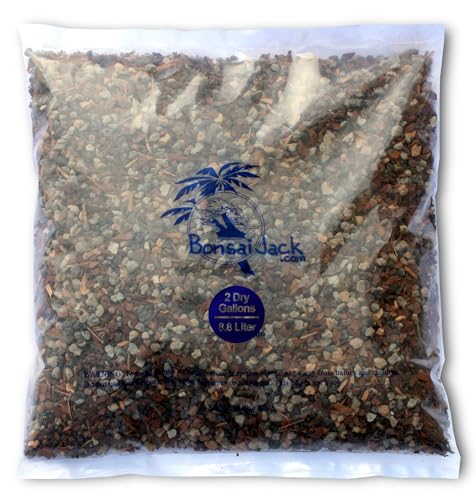
Bonsai Jack Universal Organic Bonsai Soil Mix #221

HARRIS Bonsai Soil 2qt

Hoffman 10708 Bonsai Soil Mix

The Bonsai Supply Bonsai Soil 4qts
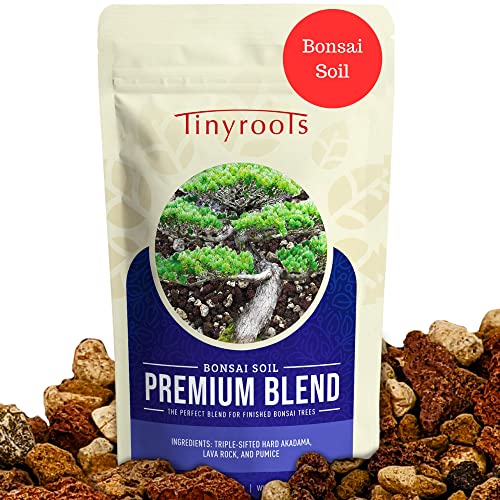
Tinyroots Premium Bonsai Soil 2.25 Quart


Tinyroots Tropical Bonsai Soil 2.25 Quarts

Bonsai Outlet Deciduous Bonsai Soil Blend 2 Quarts
More Details On Our Top Picks
Tinyroots’ akadama leans into a very specific role, clean particle structure for bonsai pots that need steady airflow around the roots. Because the material is sifted through two mesh sizes, you get a more uniform grade than the loose, mixed-grain style that shows up in some broader blends like Hoffman’s or HARRIS’s. That makes it a sensible match for anyone who wants tighter control over watering rather than a kitchen-sink mix.
The honest trade-off is that akadama asks for a little more attention than a premixed bag. You benefit most in shallow containers, training pots, and trees that reward careful moisture management, especially on a patio or balcony where rain and sun can swing the soil fast. It’s not the easiest shortcut, but it’s a disciplined base layer that can feel very deliberate under a well-kept tree.
Strong Points
- Two-stage sifting helps keep the grain size consistent.
- The cleaner texture supports better air movement around roots.
- Works well as a base for custom mixes.
- Helpful for growers who want tighter watering control.
Things To Consider
- Needs more attention than a ready-mixed product.
- Best results depend on your watering habits and local weather.
Feature Snapshot
Who It Suits Best
Tree keepers who like a tidy, controlled soil structure will get the most from this bag.
A Better Fit Elsewhere
Bonsai Jack Universal Organic Bonsai Soil Mix #221 suits you better when you want a broader ready-made blend with a more forgiving starting point.
This one is less a finished bonsai soil and more a gritty building block, which is exactly why it stands apart from the akadama above. Lava rock and pumice are both porous mineral materials, so they help create air pockets and improve drainage inside a mix that otherwise might pack down too tightly. For a cactus shelf, a succulent tray, or a bonsai that hates wet feet, that extra grit can be useful.
The trade-off is simple, you’re doing more of the mixing yourself. An 18 lb bag gives you plenty of material for custom recipes, but it also asks you to know what your tree needs before you start scooping. That makes it better for hands-on growers than for anyone who wants a pour-and-go soil.
Highlights
- Large bag size supports multiple repots or custom blends.
- Mineral texture helps keep mixes loose and airy.
- Useful for drainage in shallow containers.
- Fits bonsai, cacti, succulents, and mixed craft uses.
Worth Noting
- You’ll need to blend it with other ingredients for a full soil recipe.
- The coarse feel means storage and pouring can be a little messy.
Core Details
Built With In Mind
Custom-mix gardeners and people managing coarse drainage needs will get the most value here.
Where A Sibling Pick Shines
Tinyroots Tropical Bonsai Soil 2.25 Quarts is the easier path for anyone who wants a ready-made blend instead of separate mineral ingredients.
This is the most straightforward broad-use blend in the group, and the 2 gallon size makes that plain. The mix is screened and pre-washed, so you’re starting with cleaner material than a bag that still carries extra dust, and the stated pH of 6.4 gives a useful target for growers who care about soil reaction. For a bench of mixed bonsai, that kind of middle-ground setup is reassuring.
Compared with the rock-heavy Avalution bag, this one feels more like a finished base than an ingredient pile. It still leaves room for your own watering style, but it’s the kind of package that makes repotting weekend feel less like a chemistry project. The only real catch is that a broad blend will always be less tailored than a species-specific mix.
Upsides
- Pre-washed material keeps stray dust down.
- Screened mix helps the texture stay more even.
- 2 gallon volume is handy for multiple small trees.
- Stated pH gives you a clearer starting point.
Areas To Watch
- General-purpose blends do not fine-tune a single tree type as tightly as a specialty recipe.
- Larger volume means you’ll want a dry storage spot after opening.
Details At A Glance
Whose Shelf It Belongs On
You’ll appreciate this most if you keep several bonsai types and want one dependable, ready-made blend.
Look Elsewhere When
Bonsai Outlet Deciduous Bonsai Soil Blend 2 Quarts fits better for Japanese maple, elm, and other deciduous trees that benefit from a more targeted formula.
HARRIS goes after the common middle ground, a compact 2 qt bag that suits basic repotting jobs and smaller bonsai containers. The wording around an all-purpose premium blend tells you what this is aiming for, a soil that should feel simpler than custom mineral recipes yet more focused than a generic houseplant mix. For a first proper repot, that balance can be comforting.
Compared with Bonsai Jack’s broader 2 gallon bag, this one makes more sense for a single tree or a small handful of pots. The trade-off is the small format, because you may need a second bag sooner than you would with larger-volume options. Still, the bag size keeps storage easy in a utility closet or potting bench drawer.
Best Bits
- Compact size is easy to handle and store.
- All-purpose blend reduces the guesswork for simple repots.
- Good fit for one-tree projects.
- Premium blend language signals a more focused formulation than basic filler soil.
Small Caveats
- Smaller volume means less value for multi-pot work.
- For tree-specific care, a specialty blend may suit you better.
Quick Facts
Right Fit For
Newer bonsai keepers and anyone repotting a single small tree will likely find this the easiest place to start.
Swap It Out When
Tinyroots Premium Bonsai Soil 2.25 Quart is the better match for finished trees that benefit from a more refined ingredient mix.
Hoffman keeps things simple with a 2 quart bag and a no-nonsense soil mix format. That compact size is handy for a single repot, a small tray, or a quick refresh in a crowded plant shelf where storage space is already tight. It doesn’t try to be the fanciest bag in this roundup, and that restraint is part of the appeal.
Compared with HARRIS, Hoffman feels like the more modest, utility-first option. You may find it easier to keep on hand for smaller jobs, but the trade-off is that the bag size does little for larger collection work. The brown tone also makes the contents easier to sort visually while you’re filling pots, which is a nice little convenience on a messy bench.
Reasons To Buy
- Small format suits spot repotting.
- Easy to store in tight work areas.
- Works for quick maintenance jobs.
Points To Note
- Limited volume means it’s less efficient for larger collections.
- A simple mix may not satisfy growers who want a highly specialized recipe.
Feature Rundown
Made For
Space-conscious growers handling one or two small trees at a time will get the most from this bag.
A Better Fit Elsewhere
Bonsai Jack Universal Organic Bonsai Soil Mix #221 makes more sense for growers who want a larger all-round blend in a single purchase.
This bag sits in a useful middle lane, larger than the 2 quart picks but still manageable on a potting bench. The ready-to-use description matters because it points to less prep before you get to the tree, and that’s practical for anyone juggling several species at once. It’s the sort of soil that makes repotting feel less like a supply run and more like a single task.
Compared with Hoffman’s smaller bag, this one makes more sense for gardeners with multiple bonsai or a couple of larger containers to fill. The trade-off is straightforward, more volume usually means a little more to store after opening. Still, for growers who keep a rotating bench, that extra fill can be worth it.
Plus Points
- 4 qt capacity supports more than one repot.
- Ready-to-use format saves prep time.
- Suitable for many bonsai types, not just one species.
- Handy middle-size bag for a working collection.
Room For Improvement
- Larger bag means more storage space after opening.
- Broad use can be less tailored than a species-specific blend.
Spec Overview
The Right Fit
You’ll like this most if you keep a few bonsai on a bench and want one bag that covers several tasks.
Another Choice May Suit
Akadama 2.25qt Bonsai Soil suits growers who want a more specialized, graded medium for tighter root control.
This blend is built for finished bonsai, so it reads a little more specialized than the broader mixes earlier in the list. The ingredient list, genuine akadama, red lava rock, and pumice, gives you a classic mineral-heavy structure that supports drainage while still holding useful moisture around the roots. For an established tree that already has its shape, that kind of balance matters.
Compared with the plain akadama bag, this one does more of the mixing work for you. The trade-off is that you surrender some customization, but many growers prefer that for mature trees where consistency matters more than experimentation. In a home collection, it’s a calm, confident middle path.
Standout Traits
- Uses akadama, red lava rock, and pumice together.
- Suited to finished bonsai rather than rough starter stock.
- Balances drainage with moisture holding.
- Smaller bag is easier to store than bulk mineral sacks.
Honest Caveats
- Less room for custom formulation than raw components.
- 2.25 qt may feel modest for larger repotting sessions.
Feature Card
Perfect Match For
Established bonsai keepers who want a ready-made mineral blend will get the most out of this mix.
Reach For A Different Pick When
Bonsai Outlet Deciduous Bonsai Soil Blend 2 Quarts fits better for deciduous trees that need a more species-focused recipe.
NOHOBE keeps the focus narrow, hard akadama in a small 1/8 to 1/4 inch grain range. That size range helps explain the use case, because finer particles often suit small containers, succulent amendments, and bonsai top layers that need a controlled feel without turning powdery. For compact pots on a shelf, the 2.5 lb format is easy to handle.
Compared with Tinyroots’ sifted akadama above, this version feels more like a small-batch amendment than a primary fill material. The trade-off is obvious, it won’t go as far in larger projects, but the smaller bag can be easier to keep tidy and portion out. It’s a good fit for growers who like precise control in tight spaces.
What We Like
- Small grain size suits compact containers.
- Hard akadama gives the mix a firmer structure.
- Useful as an amendment for cacti and succulents.
- Easy to measure for small repots.
Points To Note
- Smaller package size suits light use more than big collections.
- Fine grain means cleanup around the bench may take a little more care.
Quick Facts
Who Should Grab It
Small-pot bonsai growers and cactus keepers who value precise portioning will find this bag especially handy.
Where Another Pick Fits Better
Avalution Lava Rock Pebbles Pumice 18lb Mix is the stronger fit for large custom blends that need more bulk mineral material.
This mix is aimed at tropical bonsai, and the fast-draining pre-mixed format makes that clear. Tropical trees often do better with consistent moisture management rather than heavy, compact soil, so a ready-made blend like this can remove some of the guesswork from a windowsill or greenhouse setup. It feels friendlier than building a mineral mix from scratch.
Compared with The Bonsai Supply’s broader 4 qt bag, this one is more specific about its use case and a little more compact. The trade-off is that the narrower focus may not suit a collection of mixed species, but tropical growers usually want that narrower focus anyway. For a warm indoor collection, it’s a sensible fit.
Best Points
- Designed with tropical bonsai in mind.
- Ready-mixed format reduces setup work.
- Fast drainage helps keep the pot from staying soggy.
- Compact bag is easy to keep on hand.
Minor Gripes
- Narrower use case than a broad all-purpose blend.
- Smaller bag means repeat purchases for larger collections.
Technical Sheet
The Right Fit
Indoor tropical bonsai keepers and greenhouse growers will get the clearest benefit from this blend.
Skip It When
Bonsai Jack Universal Organic Bonsai Soil Mix #221 makes more sense for mixed collections that need a broader-purpose soil.
This is the most targeted blend in the roundup, and that specificity is the point. Japanese maple, hornbeam, elm, and other deciduous bonsai usually appreciate a medium that suits their seasonal rhythm better than a generic soil, so a species-focused bag can feel more reassuring during repotting season. It’s the opposite of a one-bag-fits-everything approach.
Compared with the tropical mix above, this one is built around a different growth pattern, so the fit changes with your collection. The trade-off is that a specialized formula helps a narrower set of trees, yet that narrowness is exactly what many deciduous growers want. For a shelf of leaf-drop trees, it makes a lot of sense.
Positives
- Formulated for deciduous bonsai species.
- Good match for Japanese maple, hornbeam, and elm.
- Small 2 quart bag is easy to store.
- More targeted than a broad all-purpose mix.
Honest Caveats
- Specialized use means it serves a narrower group of trees.
- Smaller volume may not suit larger repotting jobs.
Core Details
Who Will Love This
Deciduous bonsai keepers who want a species-specific blend will appreciate the clear focus here.
Look Elsewhere When
Tinyroots Tropical Bonsai Soil 2.25 Quarts is a better fit for tropical trees that need a different moisture rhythm.
How To Choose The Right Bonsai Soils
Drainage Comes First
Your soil has to move water through the pot fast enough that roots can breathe. Akadama, lava rock, pumice, and pre-screened blends all serve that goal in different ways, but they do not behave the same in a shallow container.
Coarser mixes help in rainy climates and for growers who water often. Finer, more uniform mixes can suit smaller pots and trees that need steadier moisture.
Match The Mix To The Tree
Deciduous trees, tropical bonsai, finished trees, and starter stock often want different soil behavior. Bonsai Outlet’s deciduous blend, for example, speaks to a narrower use than a broad all-purpose bag like Bonsai Jack #221.
A species-specific mix usually costs more because it narrows the formula and narrows the target use. That can be worth it when you keep one type of tree and want a more deliberate setup.
Think About Bag Size And Storage
Small 2 qt bags suit a single repot or limited shelf space. Larger bags, such as the 2 gallon Bonsai Jack option or the 18 lb mineral mix, make more sense for collections, custom blending, or repeated use.
The trade-off is storage after opening. A dry, sealed container matters almost as much as the soil itself.
Things Worth Knowing First
Common Shopping Slip Ups
One common mistake is treating every bonsai soil like a universal fix. A tropical mix, a deciduous blend, and a gritty amendment each solve a different problem, so the label matters as much as the size.
Another easy miss is buying too little for a repotting run. Small bags are tidy, but a few trees can empty them quickly.
The Upgrade Payoff
Higher-tier soil often uses cleaner, more specialized ingredients, and that usually means better control over drainage and moisture. Akadama graded for consistency or a mixed mineral recipe with lava rock and pumice gives you more predictable results than a generic filler-heavy bag.
You usually pay for cleaner processing, more targeted particle sizes, and a formula aimed at a specific tree type. That is most worthwhile when you keep mature bonsai or you’re trying to fine-tune watering in a climate that swings hard.
Frequently Asked Questions
What Makes Akadama Useful In Bonsai Soil?
Akadama is a clay-based granular medium that helps create structure around bonsai roots. Its value lies in the way it supports airflow and water control inside a shallow pot.
Can You Use One Mix For Every Tree?
You can, but a broad mix is always a compromise. Tropical, deciduous, and finished bonsai often do better with a soil tailored to their growth pattern.
Why Do Some Mixes Include Lava Rock And Pumice?
Those mineral ingredients add porosity, which helps water move and creates space around roots. They’re useful in mixes that need to stay airy instead of packing down.
How Much Soil Do You Need For A Repot?
That depends on pot size, root mass, and how much old material you remove. Small 2 qt bags suit single trees, while larger bags make more sense for several containers.
What Should A Beginner Start With?
A ready-made all-purpose blend is the easiest entry point. It gives you a simpler setup than building a custom mix from separate ingredients.
Closing Thoughts
The best bonsai soils are the ones that match your tree, your watering habits, and your patience level. A clean akadama bag rewards control, a mineral-heavy mix gives you more drainage, and a species-specific blend trims guesswork where that matters most. For most home collections, the smartest move is to choose the soil that fits the tree you actually keep, not the soil that sounds most impressive on paper. That approach keeps repotting practical, and your bonsai usually feel the difference.