Good border edges can make a yard feel organized without turning it into a project that eats your weekend. You’re usually balancing curb appeal, soil hold, and how much installation hassle you can live with, whether you’re lining a flower bed, a tree ring, or a gravel path. The picks below cover rigid brick-style blocks, flexible plastic, and metal profiles, so you can match the edge to your layout instead of forcing one material to do everything.
The Shortlist At A Glance

Beuta Landscape Edging Polyrock Bricks, 4 Packs, Greystone

shsyue Landscape Edging 33FT, Extra Tall 4IN High

Orgrimmar Garden Edging Kit 40PCS Black
SnugNiture Corrugated Metal Garden Edging, 6″ x 50′
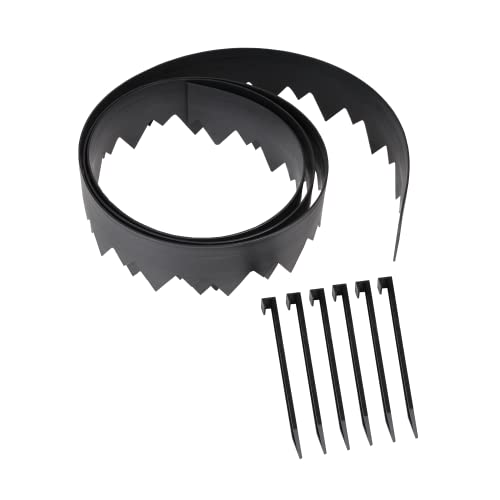
EasyFlex Pound-In Landscape Edging with Anchoring Stakes

Beuta Landscape Edging Polyrock Blocks, 1 Pack, Greystone

GTSABWAY Corrugated Garden Edging, 6″ x 40′, Pre-Rusted

AMURS 6 Inch Tall White Landscape Edging Border, 20 Ft

AggFencer Landscape Edging 4in Tall, 33 Ft

MIXC Garden Edging Border, 100FT, 2 Inch Tall
Polyrock gives your border a more finished, masonry-like look without committing to real stone. In a front bed or along a straight path, that matters because the edge reads as part of the hardscape instead of an afterthought, and the 48-inch sections help you cover ground in clean runs.
The trade-off is weight and planning, since block-style edging usually asks for a more deliberate layout than flexible plastic. You’ll appreciate it most around formal beds, entrances, and places where visual order matters as much as containment.
Strong Points
- Block styling gives your yard a tidier, more built-in look.
- Each 4-pack covers longer stretches without lots of tiny pieces.
- Spikes are included, which helps anchor the sections during setup.
- The 4-inch width suits visible borders around beds and paths.
Things To Consider
- Rigid sections ask for more layout care than bendy edging.
- Heavier parts can feel less convenient to move around after placement.
- The greystone tone works best with neutral hardscape materials.
Feature Snapshot
Who It Suits Best
You’ll get the most from this around front-yard beds, pathways, and tidy garden plans where a brick-style edge feels right.
A Better Fit Elsewhere
EasyFlex Pound-In Landscape Edging with Bonus Anchoring Stakes suits you better when you want a faster, more flexible layout for casual beds.
Flexible edging earns its keep in yards with curves, split beds, and awkward corners, and this one leans into that use case. The 4-inch height gives you a more noticeable line than low-profile edging, while the 50 stakes should help keep a long run in place once you map it out.
Compared with the Beuta brick-style pick, this is less about a built-in look and more about getting a continuous line around changing shapes. For most backyards, that makes installation easier to adapt, though you’ll still want a bit of patience on uneven soil.
What We Like
- Flexible strip follows curves without fighting the layout.
- The 4-inch height gives the border clearer visibility.
- Fifty stakes support longer sections and more contact points.
- Black finish blends well with mulch and dark soil.
Minor Gripes
- Flexible material can take more time to line up cleanly.
- Installation gets easier on soil that is already prepared and level.
- The look is functional rather than decorative.
Feature Rundown
Built With In Mind
You’ll likely prefer this for winding beds, tree surrounds, and yard lines that need a little give.
Where A Sibling Pick Shines
Beuta Landscape Edging Polyrock Bricks, 4 Packs, Greystone fits better for formal front-yard runs that call for a more structured finish.
No-dig edging removes one of the biggest setup headaches, and that’s the real appeal here. The interlocking format should help the pieces stay aligned in a standard garden bed, especially around areas where you want a cleaner boundary without trenching.
Compared with the flexible shsyue kit, this one gives you a more segmented structure while still staying lightweight enough for everyday yard work. You may find it especially useful for seasonal refreshes, since rearranging a no-dig layout tends to be less of a job than resetting buried edging.
Highlights
- No-dig installation saves time during setup.
- Interlocking pieces help keep the run organized.
- Black plastic blends into mulch and darker beds.
- Forty pieces give you plenty of modular flexibility.
Room For Improvement
- Plastic edging can feel less substantial than metal or block styles.
- Interlocking layouts work best on a fairly even edge line.
Core Details
Whose Shelf It Belongs On
This suits you best for quick border updates, especially in yards where you want simple maintenance and a neat outline.
Swap It Out When
SnugNiture Corrugated Metal Garden Edging, 6″ x 50′, Brown with White fits better for a larger yard that needs a stronger visual frame.
Metal edging brings a firmer line to large beds, especially where you want the border to feel more permanent than plastic. The 50-foot length gives you room to work on bigger sections of the yard, and the corrugated shape adds stiffness that often suits straight runs and broader curves.
Compared with the Orgrimmar plastic kit, this one is a stronger fit for homeowners who care about a more substantial feel and less visual softness. The honest read is that metal asks a bit more care during handling, but it pays back with a cleaner presence in wide open spaces.
Upsides
- Metal construction adds a firmer, more grounded border.
- Corrugated shape helps the strip hold its form.
- Long run suits large beds and wider perimeter jobs.
- Brown with white coloring gives a distinct garden outline.
Points To Note
- Metal edging usually calls for more careful handling during installation.
- Long runs can be more manageable with a helper nearby.
- The style may feel bold in smaller cottage-style gardens.
Technical Sheet
Best Suited To
You’ll like this most for bigger gardens, long straight borders, and spaces where a stronger frame feels right.
Look Elsewhere When
AMURS 6 Inch Tall White Landscape Edging Border, 20 Ft works better for a smaller layout that needs lighter visual weight.
This is the kind of border that fits into ordinary yard maintenance without much drama. The 4.5-inch straight top gives the line a tidy edge, and the included anchoring stakes should help with keeping the strip planted along a bed or lawn line.
Compared with the SnugNiture metal roll, EasyFlex feels more approachable for casual landscaping work and smaller weekend projects. Depending on your soil, you may still want to spend a little extra time setting the line straight, but the overall shape is straightforward.
Best Bits
- Straight-top profile makes the border look orderly.
- Bonus stakes give you extra securing hardware.
- Plastic material keeps handling simpler than metal edging.
- Twenty feet suits common home garden runs.
Small Caveats
- Shorter length may not cover larger perimeter jobs.
- Plastic won’t feel as weighty as metal or block edging.
- Uneven ground can slow setup a little.
Details At A Glance
Made For
You’ll get the most value from this in routine flower beds, simple lawn borders, and tidy backyard outlines.
A Better Fit Elsewhere
MIXC Garden Edging Border, 100FT, 2 Inch Tall suits you better for a much longer layout that needs broader coverage.
The taller polyrock profile gives you a more pronounced border than the flatter block-style approach in the 4-pack version. That makes this a smart accent piece for corners, smaller beds, or any spot where you want the edge to feel more deliberate without covering a huge span.
One thing worth considering is the smaller pack size, because this is less about broad coverage and more about a targeted finish. Compared with the Beuta 4-pack, it suits tighter spaces and spot upgrades where visual definition matters more than length.
Bright Spots
- Taller profile makes the border stand out more.
- Single-pack format works well for spot projects.
- Greystone finish matches many neutral yard materials.
- Polyrock styling keeps the look cohesive with the larger Beuta set.
Softer Spots
- One pack is better for accents than major perimeter work.
- Block-style edging takes more planning than a flexible roll.
Feature Card
Right Fit For
You’ll appreciate this most for corners, entry details, and compact garden accents where height matters more than reach.
Reach For A Different Pick When
Beuta Landscape Edging Polyrock Bricks, 4 Packs, Greystone fits better for a wider front-yard outline or longer path border.
The pre-rusted finish gives this edging a weathered look that can work especially well around raised beds and rustic planting areas. With 40 feet of coverage and a 6-inch height, it’s built for people who want the border to feel like part of the landscape design, not just a trim line.
Compared with the SnugNiture metal pick, this one feels a little more style-forward and slightly more compact in total length. You’ll like it most in gardens where a softer, aged metal look fits the rest of the yard more naturally than a bright or plain finish.
Reasons To Buy
- Pre-rusted look adds character to planted areas.
- Corrugated metal profile gives the run more structure.
- Forty feet covers a meaningful stretch of garden space.
- Works well around raised beds and tree surrounds.
Areas To Watch
- Rustic styling won’t suit every yard theme.
- Metal handling usually asks for a little more care.
Core Details
The Right Fit
You’ll get the best match here for rustic gardens, raised beds, and homeowners who want a decorative metal outline.
Another Choice May Suit
EasyFlex Pound-In Landscape Edging with Bonus Anchoring Stakes is the easier route for a simpler, more casual garden border.
White edging changes the visual feel fast, especially in tidy lawns and bright garden layouts. The 6-inch height gives it a noticeable profile, and the 7.8-inch stakes should help with anchoring a 20-foot border in a straightforward way.
Compared with the darker plastic and metal options in this roundup, this one is more visible and a little more decorative by nature. You may find it especially useful where you want the border itself to stand out against grass, stones, or darker mulch.
Positives
- White color creates a crisp line in the yard.
- Six-inch height gives the border clear presence.
- Twenty pieces keep the layout manageable.
- Stakes are sized for basic outdoor anchoring.
Worth Noting
- Light color may show dirt sooner than darker edging.
- Shorter coverage suits smaller areas more naturally.
Feature Rundown
Who Should Grab It
This fits you best for smaller lawns, bright borders, and garden lines where a white finish suits the design.
Where Shoppers Go Wrong
GTSABWAY Corrugated Garden Edging, 6″ x 40′, Pre-Rusted is the better match when you want a more rustic look and a longer run.
Some edging kits stand out because they keep the balance between reach, height, and install effort, and this one lands in that middle ground. The 33-foot length and 61 spikes give you a lot of room for shaping beds, while the no-dig format helps keep the job approachable.
Compared with the shsyue edging, this feels like the more grounded choice for homeowners who want broad coverage without moving into a heavier material. You’ll likely appreciate it in yards that need a dependable outline rather than a decorative statement.
Standout Traits
- No-dig format keeps setup relatively simple.
- Thirty-three feet covers a useful stretch of yard.
- Sixty-one spikes give you plenty of anchoring points.
- Four-inch height offers clear separation from lawn edges.
Honest Caveats
- Flexible edging still depends on careful line placement.
- The look is more functional than decorative.
- Installation goes smoother on already-prepared ground.
Quick Facts
Who Will Love This
You’ll like this best for practical yard outlines, flower-bed shaping, and medium-length borders.
Another Choice May Suit
Beuta Landscape Edging Polyrock Bricks, 4 Packs, Greystone suits you better if you want a more structured, masonry-style finish.
Long coverage is the story here, and that can be a real advantage in wider yards or multi-bed layouts. With 100 feet of edging, 150 stakes, and a tool-free setup, this one is built for shoppers who want to cover a lot of ground without collecting a pile of extra hardware.
Compared with the EasyFlex 20-foot border, MIXC makes more sense for bigger plans where you’d rather install one longer run than several short sections. The 2-inch height is modest, so you’re buying reach and simplicity more than visual drama.
Best Points
- One hundred feet suits large borders and wider layouts.
- Tool-free setup keeps the process straightforward.
- One hundred fifty stakes give you ample anchoring pieces.
- The low 2-inch profile stays visually light.
Points To Note
- Low height may not suit people wanting a bold edge.
- Large coverage still takes time to lay out neatly.
- Plastic construction is more practical than decorative.
Core Details
Whose Shelf It Belongs On
This is a strong fit for large yards, broad flower beds, and anyone who wants a long, practical border run.
Skip It When
EasyFlex Pound-In Landscape Edging with Bonus Anchoring Stakes fits better for a shorter, more visible border with a taller profile.
How To Choose The Right Border Edges For Gardens
Match The Material To The Job
Plastic edging works well for curved runs, quicker installs, and yards where you want the border to disappear into the background. Metal brings more visual structure and usually suits larger, straighter lines, while block-style edging gives you a more architectural finish around front beds or walkways.
The right material also affects maintenance. Plastic is easier to reposition, metal tends to feel sturdier, and block designs usually ask for more planning up front.
Check Height Before You Check Style
Height changes how visible the border feels and how much separation it creates between bed and lawn. A 2-inch edge stays subtle, while 4-inch and 6-inch options are easier to spot from the street or patio.
Taller edging makes sense where mulch, gravel, or soil needs a clearer boundary. Lower edging works better in tidy yards that already have a strong shape.
Think About Layout, Not Just Length
Long straight runs favor rigid or reinforced edging, while winding beds usually benefit from flexible strip designs. A 100-foot roll sounds impressive, but it only helps when the yard actually needs that much continuous coverage.
Shorter packs and modular sections can be smarter around corners, tree rings, and narrow side yards. The cleanest result usually comes from matching the edging form to the ground plan, not the other way around.
Don’t Skip Installation Hardware
Stakes, spikes, and anchoring pieces matter because they keep the border seated once the ground shifts. More hardware often means better support, though it can also add time during setup.
For packed soil or uneven ground, stronger anchoring usually helps the edge stay aligned. For softer beds, lighter hardware may be enough, especially on shorter runs.
What To Weigh Before You Choose
Common Shopping Slip Ups
Many people focus on length and ignore height, then end up with a border that looks too low for mulch or too tall for the garden style. Another common miss is buying rigid edging for a curved layout, which usually makes installation harder than it needs to be.
Stake count matters too. A long strip with too little anchoring can wander over time, especially along softer soil or a busy lawn edge.
What The Higher Tier Buys
Higher-tier edging usually pays for stronger materials, cleaner finishes, and more substantial shapes. That matters in front yards, visible beds, and spaces where the border is part of the design, not just a divider.
That extra spend often makes sense for larger projects because better rigidity can mean less fuss during setup and fewer visual compromises afterward.
Frequently Asked Questions
What height works best for border edges for gardens?
Four inches is a versatile middle ground for many home beds. Taller options suit more visible borders, while shorter ones stay subtle.
Are plastic or metal borders easier to install?
Plastic usually feels easier for quick setup and curved layouts. Metal tends to take more care, but it can create a firmer line.
Do no-dig borders work well in ordinary yards?
They work well for many standard beds and lawn lines. They’re especially handy when you want to skip trenching.
How much stake support should you look for?
More stakes usually help on longer runs and softer ground. Short, simple borders can get by with less hardware.
What style suits a front yard best?
Block-style or neatly finished metal edging often looks most polished near the house. Flexible plastic suits a more casual garden outline.
Closing Thoughts
The best border edges for gardens are the ones that fit your yard’s shape, your comfort with installation, and the look you want to live with every day. A flexible plastic strip makes sense for curves and quick work, while metal or block edging feels steadier in more visible spaces. Pick the profile that matches your space, and your beds will look more settled without asking for constant attention.