Sticky evenings call for something that works without turning your patio into a project. You want a zapper that fits your space, handles the bugs you actually see, and doesn’t ask for much beyond sensible placement and basic upkeep.
This roundup focuses on cordless, solar, and plug-in styles for patios, backyards, camping setups, garages, and larger outdoor areas. You’ll also see where a compact model makes sense, where a broad-coverage unit earns its keep, and where a heavier-duty design is the steadier choice.
The Shortlist At A Glance
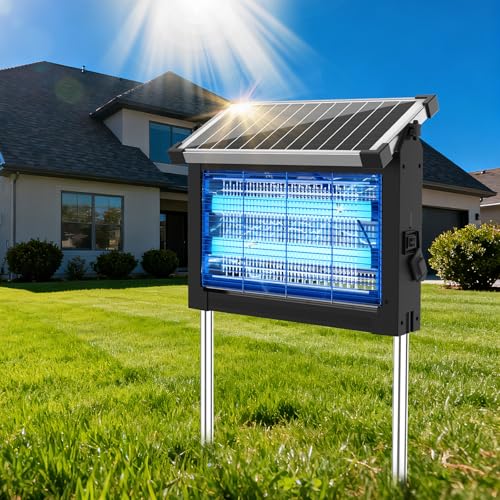
OnBeam Solar Bug Zapper Outdoor 4500V Mosquito Zapper Fly Trap

Solar Bug Zapper Outdoor 4500V Cordless Waterproof

Flowtron Bug Zapper 2 Acres Outdoor 120W UV 5600V Octenol

Solar Bug Zapper Outdoor 4500V Solar Mosquito Zapper

Bug Zapper Outdoor Indoor Cordless Portable Mosquito Zapper
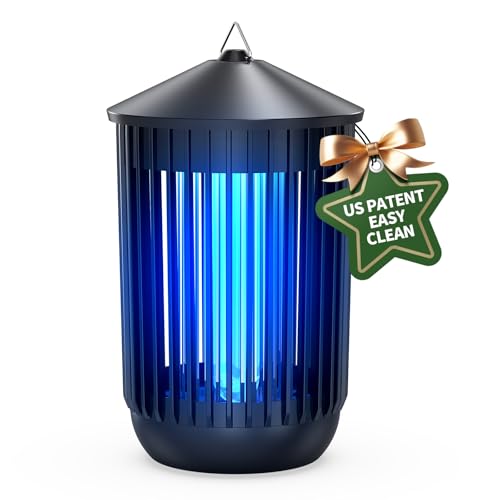
Bug Zapper Outdoor Indoor Mosquito Zapper Electric Fly Traps

Cordless Bug Zapper Outdoor 4200V Electric Mosquito Zapper

Solar Bug Zapper Outdoor 4500V Cordless Mosquito Zapper

TYPEC 2 Pack Solar Bug Zapper 3 Solar Charging Panels
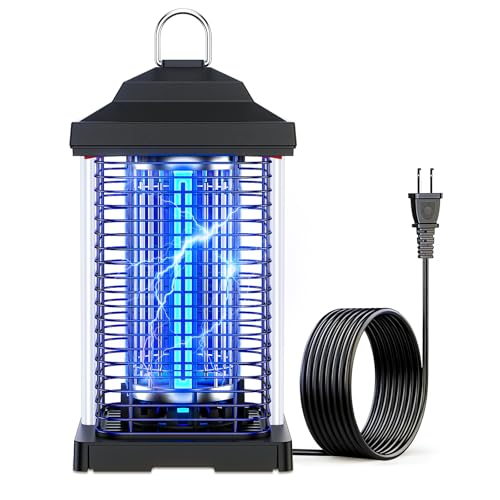
Bug Zapper Outdoor Dual Wavelength UV 50000H Lifespan
More Details On Our Top Picks
OnBeam leans into outdoor flexibility, which makes sense for patios that see both bright daytime hours and darker evening use. The 10W solar panel gives you a cleaner setup than a cord-only unit, while USB-C charging adds a practical backup for cloudy stretches.
IPX5 water resistance helps it handle splashes and weather better than lighter-duty units like the PhatroyYee and Xriba picks. For someone who wants a low-fuss patio fixture, that mix of solar input, rechargeable power, and auto mode keeps the routine simple.
Reasons To Buy
- Solar charging reduces reliance on wall outlets for routine outdoor placement.
- USB-C backup charging helps on dim days or during seasonal stretches with less sun.
- IPX5 protection gives you more confidence around damp patios and garden setups.
- Auto mode suits hands-off use, especially near seating areas you don’t want to check constantly.
Points To Note
- Solar output depends on placement, so shaded corners may need more frequent USB-C top-ups.
- The outdoor-first design makes it less compelling for a purely indoor setup.
- As with most zappers, regular cleaning matters so the grid and housing don’t collect debris.
Feature Snapshot
Who It Suits Best
You get the most from this model in a backyard or patio setup where mixed charging options matter more than raw size.
A Better Fit Elsewhere
Flowtron Bug Zapper is the stronger match for a large yard or acreage, because its wider reach is built for bigger spaces than OnBeam’s patio-first layout.
This PhatroyYee model stays straightforward, which helps in camping setups or smaller backyard corners where you want less fuss and more portability. Solar input and Type-C charging give you two ways to keep it ready, and the cordless layout means fewer placement limits than a plug-in unit.
Compared with OnBeam, it feels a touch simpler and a bit more travel-friendly, though the trade-off is that you’re leaning less on a feature set and more on basic convenience. That makes it a sensible pick for seasonal use, not a permanent statement piece on the patio.
What We Like
- Cordless construction makes it easy to move between porch, yard, and campsite.
- Solar and Type-C charging give you backup flexibility in changing weather.
- Auto on/off behavior suits people who want less daily attention.
- Waterproof design fits outdoor storage better than more delicate indoor-leaning units.
Small Caveats
- Portable builds can feel less substantial than larger fixed outdoor zappers.
- Solar charging still depends on useful sunlight and sensible placement.
- For broad property coverage, bigger units like Flowtron make more sense.
Core Details
Made For
You’ll get the most value from this one for camping trips, backyard dinners, or any setup that changes location often.
Another Choice May Suit
ZWiran Solar Bug Zapper is the more useful pick for someone who wants stated half-acre coverage and a more fixed patio role.
Flowtron moves into a different class of use, with enough stated reach for farms, commercial yards, and large open properties. The 120W UV setup and 5600V grid signal a more forceful design than the smaller solar units above, and the octenol lure adds another attraction element for mosquito-heavy spaces.
That extra scale brings a trade-off, of course, because a unit built for acreage is not the one you choose for a compact balcony. Still, for someone managing a wide outdoor area, this is the kind of product that feels properly sized instead of oversized.
Strong Points
- Two-acre coverage suits larger properties better than patio-sized units.
- 120W UV output gives the design a more substantial lure profile.
- 5600V grid is higher than the 4200V and 4500V models in this roundup.
- Weatherproof housing fits year-round outdoor placement more comfortably.
- Made in the USA may matter to shoppers who value domestic production.
Areas To Watch
- Large-scale capability comes with a bigger footprint and less casual portability.
- It is not the most natural fit for an apartment patio or small deck.
- Outdoor housings still benefit from routine cleaning and sensible placement.
Details At A Glance
Best Suited To
You’ll appreciate this most on larger properties, especially where a standard patio unit would feel underpowered.
Where A Sibling Pick Shines
AVAXO Bug Zapper Outdoor is easier to live with for a patio or backyard office area, since its 1/2 acre coverage is more manageable for everyday household use.
Zwiran sits in a useful middle zone, with half-acre coverage that makes sense for many suburban yards without drifting into overkill. The solar setup keeps the install simple, and the cordless design helps you place it where insects are most active instead of where an outlet happens to sit.
Compared with the more travel-ready PhatroyYee, this feels better anchored to a home yard, and it is easier to justify than a full acreage unit for most households. That makes it a strong everyday outdoor choice for people who want reach without the sprawl.
Best Bits
- Half-acre coverage fits many backyards and patio edges well.
- Solar power keeps setup tidy and cuts down on cord routing.
- Cordless format makes relocation simple during seasonal furniture changes.
- Rechargeable design adds flexibility for cloudy days or evening use.
Room For Improvement
- The larger coverage claim still means best results come from open placement.
- Solar charging can slow down in shaded yards or under covered decks.
- Outdoor owners often need to empty and clean bug residue regularly.
Core Details
Who Will Love This
You’ll likely appreciate this most if you want a patio-friendly unit with enough stated reach for a typical backyard.
Swap It Out When
Flowtron Bug Zapper makes more sense for huge acreage, while OnBeam Solar Bug Zapper Outdoor is the easier pick when solar backup and IPX5 resistance matter more than coverage size.
otlotrte leans into portability without dropping the indoor-outdoor versatility that makes a zapper useful in real life. The rechargeable 4800mAh battery gives it a steadier cordless role than tiny novelty units, and the auto on/off behavior fits daily use around kitchens, patios, and campground tables.
Compared with the more specialized Flowtron and the acreage-oriented AVAXO unit, this one is easier to keep nearby and move around. The trade-off is that its broader convenience story matters more than any single heavy-duty headline number.
What We Like
- Indoor and outdoor placement gives you more ways to use it.
- 4800mAh battery supports longer cordless sessions between charges.
- Auto on/off behavior reduces daily handling.
- Portable design works well for kitchen corners, decks, and camp tables.
Trade Offs
- Portable units can feel less substantial than larger outdoor fixtures.
- Owners usually still need to clean the grid and body after use.
- For very large yards, bigger coverage claims from Flowtron are more persuasive.
Feature Rundown
Who Should Grab It
You’ll get the most from this model in a mixed-use home where one zapper needs to move from patio to kitchen to campsite.
Look Elsewhere When
TYPEC 2 Pack Solar Bug Zapper fits better for someone covering several zones at once, while Flowtron suits much larger properties.
Flyghost feels like the steady middle-ground choice in this list, especially for porches and garages where you want a mix of indoor and outdoor suitability. The 20W lamp and 4200V grid give it familiar category specs, while IPX4 protection adds a little peace of mind around splashes and damp weather.
Compared with otlotrte’s portable battery-first style, this one reads more like a fixed household helper. That suits busy homes that want a zapper to stay in place near the porch door or back entry.
Highlights
- Indoor and outdoor compatibility makes placement easier across common household spaces.
- 20W UV lamp gives the unit a more substantial lure setup than very small models.
- IPX4 protection is useful around porches, garages, and covered outdoor corners.
- Coverage up to 2100 square feet fits many everyday home setups.
Honest Caveats
- IPX4 is useful, though it is a lighter protection level than higher-rated outdoor models.
- For truly portable use, cordless battery units in this roundup are easier to move.
- Regular cleaning still matters, since residue buildup can interfere with upkeep.
Quick Facts
The Right Fit
You’ll appreciate this most in a home where the zapper stays near the porch, garage, or a covered hangout area.
A Better Fit Elsewhere
OnBeam Solar Bug Zapper Outdoor is more appealing for a patio that needs solar charging and IPX5 protection, while Xriba Cordless Bug Zapper Outdoor suits more mobile use.
Xriba is the sort of zapper that makes sense when you want something easy to carry from deck to garage to a short camping setup. The 4800mAh battery and USB recharge window of 2 to 3 hours give it a practical rhythm, and the 395nm dual LED layout is aimed at low-light evening use.
Compared with otlotrte, it feels a little more travel-ready and less house-bound. The honest read is that this is the pick for convenience first, not for someone chasing the biggest coverage claims in the list.
Bright Spots
- Compact cordless format makes the unit easy to move and store.
- 4800mAh battery supports real portable use between USB charges.
- Dual 395nm LEDs are tuned for evening insect attraction.
- 360-degree mesh helps expose flying insects from more angles.
Minor Gripes
- Portable size can mean less presence than a larger yard fixture.
- Best results tend to come after sundown, not in bright daylight.
- Battery devices still need routine charging and periodic cleaning.
Feature Card
Built With In Mind
You’ll likely prefer this for short trips, small patios, and places where carrying one device from spot to spot matters.
Where Another Pick Suits Better
TYPEC 2 Pack Solar Bug Zapper is the smarter choice for covering multiple outdoor zones, while Flowtron makes more sense for acreage or commercial ground.
jepwe packs in the kinds of extras that help a zapper feel less fussy over time, especially in a backyard that sees changing light and changing weather. Solar charging, USB charging, a smart light sensor, and IPX5 protection give it a fuller feature set than the leaner cordless units in this roundup.
That extra tooling matters most for households that want the zapper to think a little for itself. Compared with the simpler PhatroyYee model, this one feels more refined for regular outdoor placement.
Standout Traits
- Smart light sensor supports dusk-to-dawn style operation.
- Solar and USB charging give you backup paths for power.
- IPX5 protection is a strong match for outdoor exposure.
- Outdoor-friendly cordless format keeps placement flexible.
- The feature mix suits homeowners who want less day-to-day attention.
Worth Noting
- More features usually mean more things to think about during setup.
- Solar performance still depends on how much useful sun the unit gets.
- Outdoor gear like this works better when you clean it on a regular schedule.
At A Glance
Whose Shelf It Belongs On
You’ll get the most value from this model if you want a backyard zapper with more automation and less daily intervention.
Skip It When
Solar Bug Zapper Outdoor by PhatroyYee is the simpler pick for travel use, while AVAXO Bug Zapper Outdoor fits better for a fixed half-acre coverage goal.
TYPEC is built for coverage across more than one spot, which is why the two-pack format stands out immediately. Three solar charging panels, USB-C backup charging, and IP67 waterproofing make the setup feel sturdier and more weather-aware than many basic solar zappers.
Compared with the single-unit outdoor picks, this is the one that makes sense for a yard plus patio, or for two separate trouble spots around the home. The trade-off is simple, because dual units suit broader use but ask for a little more planning up front.
Positives
- Two-pack format helps cover more than one outdoor zone at once.
- Three solar panels speed up charging compared with single-panel designs.
- USB-C backup charging helps during cloudy stretches.
- IP67 waterproofing is a stronger weather rating than many outdoor rivals here.
- Easy-rinse design can make cleanup less of a chore after use.
Areas To Watch
- Two units take a little more planning for placement and storage.
- Solar charging still depends on usable daylight and panel exposure.
- Family-friendly use still means routine cleaning and sensible positioning.
Spec Overview
The Right Fit
You’ll appreciate this most if you want two outdoor zappers for different corners of a yard, patio, or garden path.
Another Choice May Suit
AVAXO Bug Zapper Outdoor is the cleaner match for a single large zone, while Xriba Cordless Bug Zapper Outdoor suits someone who values one compact carry-anywhere unit.
AVAXO closes the list with a polished feature mix, starting with dual 365nm and 395nm UV output and a stated 50,000-hour bulb lifespan. That combination matters because dual wavelengths can broaden the lure profile, while the long-life bulb reduces how often you need to think about replacement planning.
The 1/2 acre coverage and IPX4 protection keep it firmly in the practical outdoor camp, and the 5 zaps per second spec gives it a more aggressive pitch than many basic models. Compared with the simpler cordless options, this is the one for a backyard that needs a little more structure and staying power.
Positives
- Dual 365nm and 395nm wavelengths give the lure a broader attraction profile.
- 50,000-hour lifespan suggests less frequent bulb planning over time.
- 1/2 acre coverage fits many patios, yards, and garden edges.
- 5 zaps per second signals a faster-response grid design.
Points To Note
- Outdoor fixtures still need routine cleaning to stay effective in daily use.
- IPX4 is useful, though some users will want stronger water protection.
- For pure portability, the Xriba and PhatroyYee models are easier to carry.
Details At A Glance
Perfect Match For
You’ll get the best fit here for a backyard, patio, or garden that benefits from more coverage and a longer-lived light source.
Reach For A Different Pick When
Flowtron Bug Zapper is the stronger option for acreage, while OnBeam Solar Bug Zapper Outdoor fits better for a solar-first patio setup.
How To Choose The Right Bug And Mosquito Zappers
Match Coverage To The Space
Coverage should be the first filter, because a zapper built for half an acre feels very different from one meant for a deck table. Smaller patios, garages, and camping setups usually do better with portable units, while larger yards and acreage call for wider stated reach.
That difference shows up in daily ownership, too. A compact cordless model is easier to move, but a heavy-duty unit usually makes more sense when you want one location to stay covered night after night.
Choose Your Power Style With Intent
Solar zappers suit places with decent sun exposure and a patient setup routine, while USB-C and battery charging help during cloudy stretches or mobile use. Plug-in and mains-powered designs still have a place for steady locations where you want less charging management.
For a patio with changing sunlight, dual-charge units are easier to live with than solar-only models. For camping or a backyard that changes layout often, cordless convenience matters more than raw charging speed.
Look Closely At Build And Weather Protection
Outdoor zappers face moisture, dust, and storage wear, so the housing rating matters more than the marketing language around it. IPX4, IPX5, and IP67 each point to different levels of water resistance, and that affects where you can leave the unit and how relaxed you feel during a damp evening.
Higher protection usually costs more, but it also gives you more placement freedom. The trade-off is weight, size, or a more involved setup, which is fair enough for a device that sits outside.
Use The Light And Grid Specs As Clues
UV wavelength numbers and voltage ratings can help you compare units, but they should never be read in isolation. Dual wavelengths, higher voltages, and higher zap rates usually hint at a more assertive design, yet real-world usefulness still depends on where the unit sits and how much space it serves.
For everyday home use, the best choice is often the one with the right mix of lure, coverage, and upkeep, not the highest number on the page. That balance matters more than one bold spec on its own.
Before You Click Buy
Wrong Turns To Avoid
Shoppers often choose a zapper by voltage alone, then end up with a unit that doesn’t match the yard size or mounting spot. Another common miss is ignoring charging access, which becomes annoying fast on a shady deck or in a covered corner.
Cleaning matters, too. A grid that is hard to access turns a simple upkeep job into a nuisance, and that gets old quickly in mosquito season.
The Upgrade Payoff
Higher-tier zappers usually cost more because of stronger housings, wider coverage claims, smarter sensors, or dual charging paths. Those extras matter most in exposed outdoor spaces, larger yards, or homes that want less hands-on management.
The upgrade is worth it when the unit will stay outside often and needs to cope with weather, not just occasional evenings. For a casual patio setup, a simpler model often makes more sense.
Frequently Asked Questions
Do solar bug zappers need direct sunlight?
Direct sun helps solar panels recharge faster and more reliably. Shaded patios often work better with USB-C backup charging or a mains-powered option.
What size zapper suits a typical backyard?
A backyard usually does well with a model that lists clear yard or acreage coverage, not just voltage. Half-acre designs fit many homes, while larger properties benefit from acreage-class units.
Are cordless zappers useful indoors?
Cordless models can work in garages, mudrooms, or indoor-outdoor transition spaces. A true indoor room usually benefits most from a unit placed where airflow and access are simple.
How often should you clean a bug zapper?
Cleaning depends on use, but regular upkeep keeps residue from building up around the grid and housing. A quick wipe or empty-out routine is easier than waiting until debris piles up.
What matters more, UV or voltage?
Both matter, but they solve different parts of the job. UV helps attract flying insects, while voltage tells you about the contact grid’s punch once they reach it.
Closing Thoughts
The best choice here depends on your space, your power access, and how often you want to move the unit around. For a patio, a solar-friendly cordless model feels natural, while a larger property calls for more coverage and a sturdier build. The good news is that this category has a clear fit for almost every setting. Choose the one that matches your space, and the rest gets a lot simpler.