Bulb planting gets old fast when the soil fights back, the hole depth wanders, or your hands take the strain. You get a smoother job from tools that match your garden, whether you prefer a compact hand tool, a long handle for standing work, or an auger bit for powered digging. The list below focuses on shape, reach, soil release, and the small details that matter once you’re in the beds for real.
Some picks suit tight borders and raised beds, while others make more sense for larger yards or repeat planting sessions. You’ll also see a few tools that do more than bulb duty, which can be handy for cleanup and light turf work.
Quick Look At Our Shortlist

Fiskars Bulb Planter, Spring-Loaded Handle, Depth Marks

Bulb Planter Tool Long Handle, Serrated Base, Soft Grip
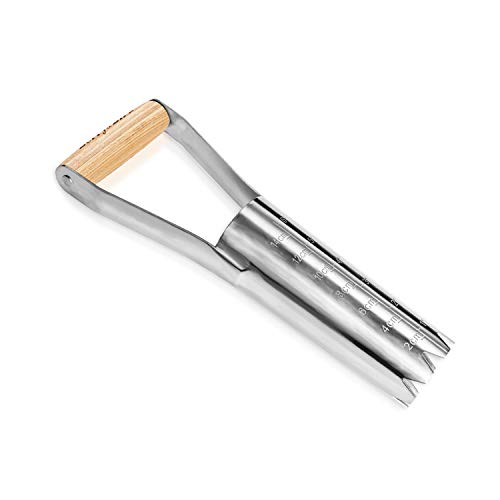
Berry&Bird Garden Bulb Planter with 6 Inches Depth Mark

Berry&Bird Garden Bulb Planter with 4 Inches Depth Mark

Altdorff Bulb Planter Tool Long Handle, Sod Plugger

Garden Auger Drill Bit for Planting 1.6×16.5 Inch

Omesata Sod Plugger, Bulb Planter Grass Plug Tool
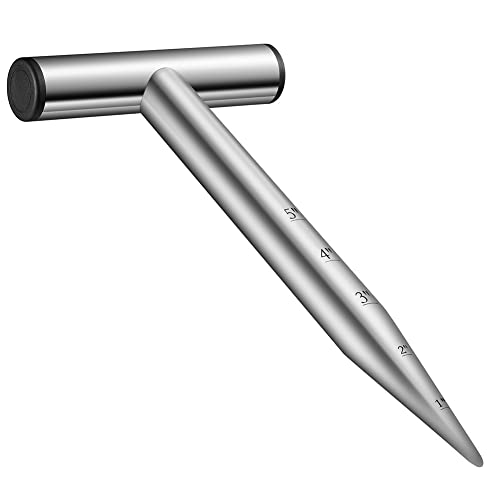
Sukiise Hand Dibber, Seed Dibber, Bulb Planter Tool
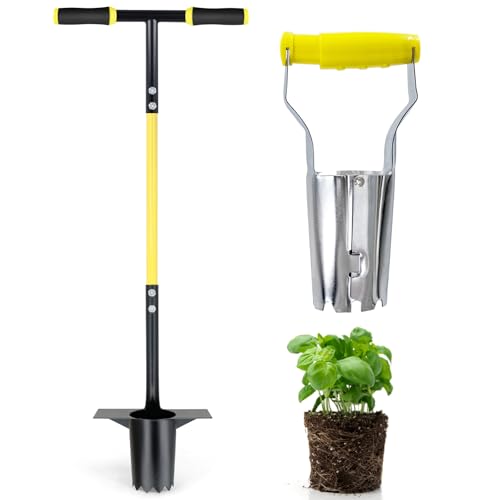
Bulb Planter Tool, Long Handle Sod Plugger, Serrated Base
More Details On Our Top Picks
For small bulb jobs, this Fiskars hand tool keeps the process simple. The spring-loaded handle helps you lift soil without a lot of wrist strain, and the depth marks make spacing more consistent in beds that need a tidy look.
The 2.25-inch diameter suits many common bulbs, though very dense clay can still slow any hand planter down. Compared with the long-handle Colwelt and Jardineer options below, this one makes more sense for close work, container planting, and short sessions.
Strong Points
- Spring action reduces the repetitive squeeze that can wear on your hand during a row of bulbs.
- Depth gradation marks help you keep planting depth more even across a bed.
- Compact size is handy around edging, pots, and narrow borders.
- Rust-resistant steel is easier to trust for outdoor storage than plain bare metal.
Things To Consider
- Hand planting still asks more from your grip than a long-handle tool.
- Tough, rocky soil can make the digging feel slower than the name suggests.
- The smaller format suits precision work more than large planting runs.
Feature Snapshot
Who It Suits Best
You’ll appreciate this most for patio pots, border beds, and modest spring planting jobs where speed and compact handling both matter.
A Better Fit Elsewhere
Colwelt’s long-handle bulb planter suits gardeners who want to stay upright while working larger beds, and that extra reach can feel easier on the back.
This Colwelt planter leans toward comfort and reach, which matters in a real yard more than it sounds on paper. The long handle lets you work from a standing position, and the serrated base helps the tool bite into soil while you press down.
The listed hole size and depth make it a better fit for tulips, irises, daffodils, and similar planting tasks than tiny precision jobs. Compared with the Fiskars hand model, you trade pocket-size convenience for less bending and a steadier rhythm across larger beds.
What We Like
- Long handle reduces crouching during repeat planting.
- Serrated bottom helps the tool get purchase in soil.
- Soft grip is welcome for longer sessions in the garden.
- Large hole size suits common spring bulbs and bedding plants.
- Good fit for gardeners who prefer a standing workflow.
Room For Improvement
- The longer shaft takes more storage space than a hand tool.
- Dense, dry ground can still need pre-watering or extra effort.
- The larger opening is less suited to very small bulbs.
Core Details
Built With In Mind
You’ll get the most from this in medium to larger beds where a standing posture keeps the work moving without as much strain.
Another Choice May Suit
Fiskars’ spring-loaded bulb planter fits better for close, precise planting in containers or narrow borders where a long handle feels bulky.
Berry&Bird gives you a more traditional feel, with a wooden handle and stainless steel body that suit gardeners who like simple tools with a cleaner finish. The 6-inch depth mark is the detail that stands out, because it helps you keep bulbs planted deep enough without guessing.
That kind of depth control is useful in mixed beds where different bulbs sit at different levels. Compared with the Fiskars model, this one feels a touch more old-school, while the long-handle Colwelt covers larger areas with less bending.
Upsides
- 6-inch depth mark helps with more deliberate planting.
- Wooden handle gives the tool a classic, comfortable feel.
- Stainless steel body supports everyday garden use.
- Good fit for transplanting as well as bulb planting.
- The soil-release design should make cleanup less fussy after use.
Points To Note
- Wooden handles can benefit from dry storage and basic care.
- Hand tools like this still ask for more bending than long handles.
Details At A Glance
Whose Shelf It Belongs On
You’ll like this most if you plant bulbs by hand and value a calm, measured pace over sheer speed.
Where A Sibling Pick Shines
Berry&Bird’s shorter 4-inch version suits gardeners working shallow beds or tighter border spaces a bit better.
This Berry&Bird version keeps the same plain, sturdy idea as the 6-inch model, but the shorter depth mark makes it a little easier to use for shallower planting. The short wooden handle gives you close control, which helps in compact beds, edging, and spots near existing roots.
The trade-off is simple, you get less reach and less depth headroom, so it’s not the one for deeper or larger holes. For people who want a hand tool that stays light in use and easy to guide, that’s a fair exchange.
Highlights
- 4-inch mark supports shallower, more exact planting.
- Short handle improves control in tight spaces.
- Stainless steel construction suits regular garden chores.
- Good for bulbs, flowers, and transplanting small starts.
Small Caveats
- Short handle means more crouching during longer sessions.
- Less depth range than the 6-inch Berry&Bird version.
- Hand cleaning is part of ownership after muddy use.
Feature Card
Right Fit For
You’ll get the most from this in narrow beds, edging strips, or container work where a compact hand tool feels easier to place.
Skip It When
Colwelt’s long-handle bulb planter suits larger gardens better, especially where standing reach matters more than close-up control.
Altdorff goes beyond bulb planting and starts to look like a yard cleanup helper. The serrated base, soft-grip handle, and 5-in-1 design make it attractive for grass plug work and other hole-digging tasks, especially in lawns that need patching as well as seasonal planting.
That broader role comes with a size trade-off, because tools built for more jobs can feel less specialized than a simple hand planter. Compared with the Colwelt model, this one aims a little more at turf repair and mixed-use chores, not just bulbs.
Reasons To Buy
- Long handle helps you stay upright during lawn work.
- Serrated base can improve bite in the soil.
- Soft grip adds comfort during repeated plug removal.
- Useful for grass repair alongside bulb planting.
- Fits a multi-task garden shed without taking the place of a full tool kit.
Worth Noting
- Multi-use tools can feel less focused than a dedicated bulb planter.
- Long-handled storage takes more room in a shed or garage.
- Soil or turf buildup may need a quick clean after use.
Feature Rundown
The Right Fit
You’ll like this most if your garden work includes both planting bulbs and patching lawn spots.
Swap It Out When
Berry&Bird’s short-hand bulb planter is the cleaner match for gardeners who want a compact, single-purpose planting tool.
This Sproot auger is for powered digging, not hand squeezing, which changes the rhythm completely. The spiral shape, 3/8-inch hex drive, and two included sizes make it useful for planting jobs where your drill can do the heavy lifting.
That matters in bulk work, but it also means the auger belongs in the right soil and with the right drill setup. Compared with the hand tools above, it’s faster for repeat holes, while the trade-off is less finesse around roots, rocks, and very tight spaces.
Standout Traits
- Powered use can speed up repeated planting.
- Two-bit set gives you more flexibility in hole size.
- Hex drive compatibility helps with common drill setups.
- Spiral form is useful for digging in loose garden soil.
Areas To Watch
- Powered digging is less controlled than a hand planter near roots or hardscape.
- Drill-based tools need the right equipment on hand.
- Clay, stones, and compacted beds can slow the work.
Spec Overview
Built With In Mind
You’ll get the most from this on larger planting runs, especially where a drill-driven tool is already part of your routine.
Look Elsewhere When
Fiskars’ hand planter is the better match for close, careful work around containers, borders, and established stems.
Omesata is the sort of long-handle tool that makes more sense once a garden session stretches past a few holes. The source note points you toward moist soil and ground without rocks or roots, which is honest guidance, since that kind of setup lets the tool work with less fuss.
Compared with Altdorff, it sounds a bit more focused on straightforward plug digging rather than a broader feature stack. For lawn repair and seasonal bulb work in decent soil, that narrow focus is often enough.
Best Bits
- Long handle helps reduce bending during repeated digging.
- Serrated base should help the tool enter softer ground.
- Works well for bulb planting and grass plug tasks.
- Moist-soil guidance is practical and honest for real yard conditions.
Minor Gripes
- Stony beds and root-heavy spots are poor terrain for this style of tool.
- Long-handled storage and handling take more room.
- Soil buildup after lawn work can mean a quick rinse or wipe-down.
Technical Sheet
Who Should Grab It
You’ll appreciate this most for lawn patching, plug removal, and bulb planting in softer beds where reach matters.
Reach For A Different Pick
Berry&Bird’s 6-inch bulb planter suits gardeners who want finer depth control for traditional flower beds.
Sukiise is the smallest, most precise-feeling option in this group, and that makes it useful for seed starting, bulb placement, and label or stake holes. Stainless steel construction keeps the design simple, while the dibber shape gives you a narrow opening instead of the broader scoop you get from the other hand tools.
That narrowness is the whole point, of course, though it also means this is not the tool for bigger bulbs or fast bed turnover. For tray work, labels, and delicate spacing around seedlings, it fits the job nicely.
Positives
- Narrow shape gives you very controlled hole placement.
- Hand size is convenient for tray work and quick garden tasks.
- Stainless steel body suits regular use outdoors.
- Useful beyond bulbs, including labels and self-watering stake placement.
Honest Caveats
- Small format is not meant for larger holes.
- Best use is precision, not speed.
- Hand tools still need basic cleaning after muddy work.
Quick Facts
Perfect Match For
You’ll like this most for seed trays, small bulbs, and detail work in a tidy home garden.
A Better Fit Elsewhere
Fiskars’ spring-loaded bulb planter is the stronger choice for gardeners who want a wider hole and more planting speed.
Jardineer’s long-handle planter stands out because it adds automatic soil release to the usual plug-digging setup. That matters more than it sounds, since soil release can spare you some extra shaking and poking when you’re moving from one hole to the next.
The serrated base keeps it in the same family as the other long-handled models, but the automatic release detail gives it a bit more convenience in repeated use. Compared with Omesata, it feels slightly better suited to someone who wants the post-hole rhythm to stay cleaner between plants.
Plus Points
- Automatic soil release simplifies the reset between holes.
- Long handle makes standing work easier.
- Serrated base helps with soil entry.
- Good middle ground between plain hand tools and more specialized equipment.
Softer Spots
- Long-handled tools still take more storage room than compact hand models.
- Heavier garden soil can reduce the ease of soil release.
- Best use remains straightforward planting, not fine-detail work.
Core Details
Whose Shelf It Belongs On
You’ll get the most from this if you want a practical long-handled planter with one convenience feature that helps in repeated use.
Where A Sibling Pick Shines
Colwelt’s long-handle bulb planter suits gardeners who care more about a broad digging opening and a straightforward build.
How To Choose The Right Bulb Planter Tools
Handle Style And Working Posture
The first thing to sort out is how you want to work. A hand planter like Fiskars or Berry&Bird gives you close control, while a long-handle tool from Colwelt, Omesata, Altdorff, or Jardineer keeps you more upright and can save your knees and lower back during longer sessions.
That choice matters more than most specs because posture shapes how long you can keep going. Compact tools suit borders, pots, and scattered plantings, while standing tools fit broader beds and repetitive jobs better.
Depth Control And Hole Size
Depth marks sound minor until you’re trying to keep bulbs even across a bed. Berry&Bird’s 4-inch and 6-inch marks, plus Fiskars’ depth gradation marks, help with consistency, which matters for a neat finish and a more orderly planting layout.
Hole diameter matters just as much. The Fiskars hand tool is narrower, Colwelt lists a larger 3-1/2-inch opening, and the Sproot auger shifts the question entirely by pairing drill power with a defined bit size.
Soil Type And Real Garden Conditions
Soil decides a lot. Rocky ground, dry clay, and root-heavy beds make any planter work harder, while moist, cleaner soil lets serrated bases and release systems do more of the work.
That’s why Omesata’s note about moist, rock-free soil is useful rather than decorative. You get a better match when the tool and the ground agree with each other.
Versatility Versus Specialization
Some tools stick to one job, and some pull double duty. Sukiise handles seeds, labels, and stakes, while Altdorff and Jardineer stretch into grass plug or turf repair work, which can be handy in a busy yard.
The trade-off is focus. A dedicated bulb planter usually feels cleaner for one task, while a multi-use tool can earn its keep only when you actually need the extra range.
Things Worth Knowing First
Common Shopping Slip Ups
One common mistake is choosing a tool by looks alone and ignoring handle style. A long planter sounds convenient, but in a tiny bed it can feel awkward, while a compact hand tool can become tiring in a large patch.
Another miss is skipping the soil check. Dense clay, stones, and roots change the job fast, so the tool should match the ground you already have, not the ground you wish you had.
What The Higher Tier Buys
More expensive models usually add comfort, cleaner soil release, or a wider set of uses. That can mean softer grips, more durable materials, clearer depth marks, or a design that handles both bulbs and lawn repair with less fuss.
The upgrade is worth it when you plant often, work larger areas, or want a tool that reduces small annoyances over time. For a few spring bulbs in containers, a simpler model can still make more sense.
Frequently Asked Questions
What size bulb planter works for most gardens?
A mid-sized hand tool suits many common bulbs, especially in borders and containers. Larger long-handle tools fit broader planting runs and bigger bulbs better.
Do long-handle bulb planters save effort?
They often reduce crouching, which can help during longer sessions. The trade-off is more storage space and less finesse in tight spots.
Are depth marks actually useful?
Yes, depth marks help you keep planting depth more even from hole to hole. That matters when you want a tidy layout and fewer guesswork moments.
Can an auger replace a hand bulb planter?
Not always, because drill augers are better for speed than for precision near edges, roots, or hardscape. They work best as a powered option for larger digging jobs.
What should you do after using a bulb planter?
Brush off soil right away, especially around serrated bases and release points. Dry storage also helps wooden handles and steel parts hold up better over time.
Closing Thoughts
The right bulb planter tool depends less on trends and more on your garden’s shape, soil, and how you like to work. A compact hand planter suits careful border work, a long-handle model eases repetitive digging, and a drill auger pays off when the planting list gets longer. Pick the tool that matches your space first, then the one that adds comfort where you need it most.