You want grass that fills in cleanly, keeps color through the season, and does it without turning lawn care into a second job. These cheap lawn fertilizers cover different needs, from starter feed for bare spots to slow-release formulas for steady growth and seasonal upkeep.
That matters in real yards, because a patchy front strip, a tired fall lawn, and a newly seeded back corner all ask for different nutrients. The picks below help you match the formula to the job, so you spend less time guessing and more time getting a lawn that looks cared for.
Quick Shortlist for Budget Lawn Feeding

Hi-Yield (32020) New Process Premium Lawn Fertilizer 15-5-10

Fertilome (13767) Centipede Lawn Fertilizer 15-0-15

Ironite Plus Shrubs, Trees Plant Food Bag Granular 12-10-10 3lb

GreenView Fall Lawn Food 16 lb. Bag, Covers 5,000 sq. ft.

Greenview Starter Fertilizer 8 lb. Bag, Covers 2,500 sq. ft.
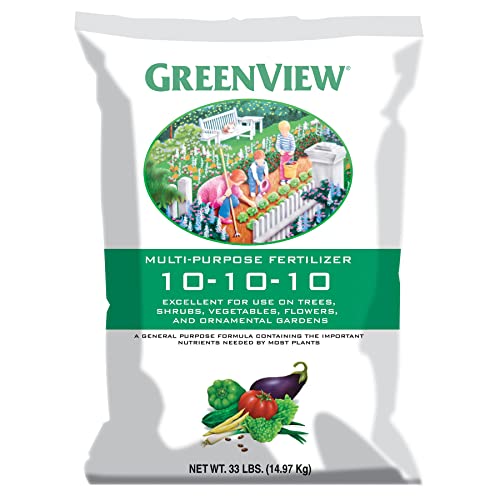
GreenView Multi-Purpose Fertilizer NPK 10-10-10, 33 lb. Covers 3300 sq. ft.

GreenView Fairway Formula Lawn Fertilizer 33 lb. Bag, Covers 10,000 sq. ft.
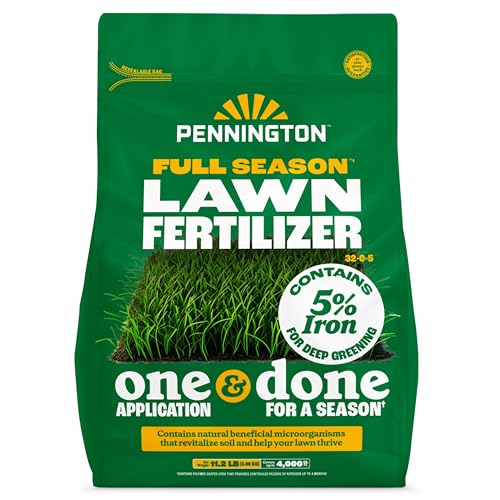
Pennington Full Season Lawn Fertilizer 4M 32-0-5 RF 3/11.2Lb
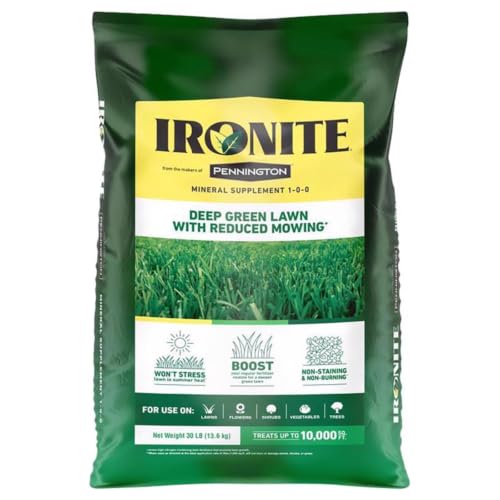
Ironite 100519461 1-0-1 Mineral Supplement/Fertilizer, 30 lb

GreenView Lawn Food 16 lb. Bag, Covers 5,000 sq. ft.
More Details On Our Top Picks
Hi-Yield sits in the middle of the road in a useful way, with a 15-5-10 NPK blend that leans toward nitrogen for turf growth while still giving phosphorous and potassium a role. The slow-release nitrogen matters for a yard that needs steadier feeding instead of a quick burst that fades fast.
That makes it a practical choice for routine spring or summer care, especially in yards where you want thicker coverage without fussing over separate specialty bags. Compared with the more targeted ferti-lome and starter formulas later in this list, this one is the cleaner all-purpose call.
Strong Points
- 15-5-10 analysis gives you a broad turf feed that fits regular maintenance.
- Slow-release nitrogen helps stretch feeding over time, so the lawn is less likely to look spiky and then tired.
- Granular format works well with a broadcast spreader in a standard suburban yard.
- The 20 lb bag is easy to store in a garage or shed without taking much space.
Things To Consider
- It is a general lawn formula, so very specific grass types may still do better with a targeted pick.
- Granular products call for even application, so a good spreader pattern matters more than speed.
Feature Snapshot
Who It Suits Best
It suits you best for everyday lawn upkeep in a typical yard where you want one dependable bag rather than a specialized lineup.
Where A Sibling Pick Shines
GreenView Fairway Formula Lawn Fertilizer 33 lb. Bag makes more sense for larger lawns that benefit from longer coverage between feedings.
Grass-type formulas matter, and this ferti-lome bag is built with that in mind. The 15-0-15 analysis, plus the listed iron, makes it better suited to centipede and St. Augustine lawns than a generic feed like Hi-Yield.
For warm-season turf, that narrower focus can be the whole point, because you are not paying for features you will not use. The trade-off is simple, it is less flexible than a general lawn product, but more precise for the right yard.
What We Like
- The 15-0-15 ratio lines up with turf that benefits from feeding without extra phosphorous.
- Added iron gives the lawn a stronger color-support angle, which many warm-season yards appreciate.
- Slow-release nitrogen supports more even feeding through the growth period.
- The 16 lb bag stays manageable for homeowners who do not want a bulky sack.
Worth Noting
- It is purpose-built, so it is not the broadest fit for mixed grass types.
- Warm-season lawns tend to benefit most, which narrows the use case a bit.
- Like most granular fertilizers, cleanup around sidewalks and driveways needs a little care.
Feature Rundown
Who Will Love This
You will get the most from it in a warm-season lawn where centipede or St. Augustine needs a more tailored formula than a general-purpose bag.
Another Choice May Suit
Hi-Yield (32020) New Process Premium Lawn Fertilizer 15-5-10 fits better for mixed lawns or anyone who wants a simpler everyday bag.
Ironite Plus is smaller and more garden-focused than the lawn-only bags above, which makes it useful around shrubs, trees, and ornamental beds. The 12-10-10 analysis gives you a more even nutrient spread, and the product page calls out fast action and plant minerals.
That combination suits tight spaces or mixed plantings where you do not want to haul a giant sack for a modest job. Compared with GreenView Lawn Food, this is the better little helper for beds and border plantings, though it is not built as a pure turf workhorse.
Highlights
- Granular form gives you a straightforward way to feed shrubs and trees.
- 12-10-10 analysis offers balanced nutrient support for a variety of garden plants.
- The 3 lb bag is easy to store and easy to handle for small jobs.
- Fast-action positioning makes it a sensible fit for gardeners who want a quicker-feeling feed cycle.
Areas To Watch
- The small bag is handy, but it will not suit larger lawns or broad beds.
- It is less specialized for turf than the lawn-first options in this roundup.
Core Details
Perfect Match For
It fits you best for a small yard with shrubs, trees, and flower beds where a compact bag is easier to live with than a large lawn sack.
Swap It Out When
GreenView Multi-Purpose Fertilizer NPK 10-10-10 suits broader garden feeding better, especially for mixed edible and ornamental spaces.
This GreenView bag is tuned for fall work, with a 20-0-10 analysis and coverage that suits a medium-size yard. The appeal is less about fast cosmetic drama and more about preparing turf for colder weather and an easier spring wake-up.
For most yards, that makes it a practical seasonal step rather than an all-year product. Compared with Pennington Full Season Lawn Fertilizer, this one is more about timing your feeding around autumn instead of stretching the same bag across the whole season.
Positives
- Fall-focused formula gives your lawn a more season-aware nutrient profile.
- The 20-0-10 ratio keeps the emphasis on turf support instead of a broad garden mix.
- Eight weeks of feeding helps reduce how often you need to reapply during the season.
- The 5,000 sq. ft. coverage figure makes planning simple for a standard suburban lot.
Small Caveats
- It is built for a specific season, so it is less flexible than a general lawn feed.
- A 16 lb bag is manageable, but larger properties may need multiple bags.
Details At A Glance
Whose Shelf It Belongs On
It belongs on your shelf if you want a fall-specific lawn bag for a normal backyard and prefer a slower, steadier seasonal plan.
Reach For A Different Pick When
Hi-Yield (32020) New Process Premium Lawn Fertilizer 15-5-10 is the better fit for regular maintenance across the whole growing season.
Starter fertilizer is about helping new grass settle in, and this GreenView bag is built for that narrow job. The 10-18-10 blend puts more weight on phosphorous, which supports root development in seed starts and bare patches.
That makes it more relevant to renovation work than the other lawn foods here. Compared with Hi-Yield, which works as a general maintenance bag, this one is the smarter choice for a freshly seeded front lawn or patch repair in the side yard.
Reasons To Buy
- The higher phosphorous level gives new turf a more seed-start friendly nutrient profile.
- Coverage for 2,500 sq. ft. suits small renovation projects and patch work.
- The 8 lb bag is easy to carry, store, and use up without waste.
- Up to 8 weeks of feeding adds some breathing room during early establishment.
Points To Note
- It is best suited to new seeding work, so routine lawn upkeep may call for a different bag.
- Small coverage means larger lawns will need more than one package.
Quick Facts
Built With In Mind
You will get the most from it around newly seeded lawns, bare spots, and small renovation areas where root support matters more than fast top growth.
Look Elsewhere When
GreenView Lawn Food 16 lb. Bag makes more sense for ongoing maintenance once the lawn is already established.
This GreenView formula stretches beyond turf, which is useful for yards that mix vegetables, shrubs, flowers, and ornamentals. A 10-10-10 analysis is the classic even-handed style, so you are not steering the feed too heavily in one direction.
That makes it more flexible than the lawn-only bags above, though the trade-off is that it is not specially tuned for one grass type. For a busy home garden, that versatility is a real advantage, especially around mixed planting beds where one product needs to do a lot.
Upsides
- The 10-10-10 blend is easy to understand and easy to apply across different plantings.
- It covers vegetables, flowers, trees, shrubs, and ornamental spaces, so the bag can earn its keep in more than one part of the yard.
- 33 lb of material is useful for larger garden routines.
- The 3,300 sq. ft. coverage helps you plan garden-area applications with less guesswork.
Minor Gripes
- It is broad by design, so a turf specialist may want a lawn-first formula instead.
- The larger bag is less convenient to move around than the smaller starter or shrub options.
Spec Overview
The Right Fit
It belongs in your garage or shed if you care for a mixed yard and want one fertilizer that can move between lawn, garden, and ornamentals.
Where Shoppers Go Wrong
Ironite Plus Shrubs, Trees Plant Food Bag Granular 12-10-10 3lb is the better match for very small beds and lighter spot feeding.
Fairway Formula is the big-yard option in this lineup, with 30-0-12 nutrition and coverage that stretches to 10,000 sq. ft. The slow-release nitrogen and 12-week feeding window make it a fit for homeowners who would rather spread less often than keep revisiting the lawn.
Compared with GreenView Lawn Food, this one is more about longer spacing and larger coverage. That matters in sprawling yards, where a longer feeding interval can feel like a small mercy during a busy season.
Best Bits
- 10,000 sq. ft. coverage is practical for large properties.
- 30-0-12 analysis gives the formula a turf-first focus.
- Slow-release nitrogen helps the feeding last longer between applications.
- The 12-week feed span is a strong fit for lower-touch lawn routines.
- A 33 lb bag is efficient for covering more ground in one go.
Ongoing Caveats
- The larger bag takes more storage space than the compact options earlier in the list.
- It is more lawn-specific than a general garden feed.
Feature Card
Who Should Grab It
It fits you best for a larger lawn where longer feed spacing matters more than compact packaging.
Another Choice May Suit
GreenView Lawn Food 16 lb. Bag is easier to handle for a standard-size yard that does not need such broad coverage.
Pennington is aimed at set-it-and-manage lawn care, with a 32-0-5 analysis and a slow-release profile meant to carry a season’s worth of feeding. The product page frames it as a one-application-per-season option, which is appealing for shoppers who want fewer lawn chores on the calendar.
That convenience does not make it a universal answer, but it does make a lot of sense for busy households with decent turf already in place. Compared with the more general Hi-Yield bag, this one leans harder into extended scheduling rather than broad everyday flexibility.
Positives
- The one-application seasonal approach can simplify your lawn routine.
- Slow-release feeding supports a steadier look through the growing period.
- 32-0-5 gives the formula a turf-centered nutrient profile.
- The bag size stays modest enough for home storage.
Softer Spots
- It is built around a longer feeding cycle, so it is less flexible than a more general bag.
- Shoppers who prefer frequent adjustment may want a formula with a shorter planning horizon.
Core Details
Made For
It is made for you if you want a single seasonal feeding step for established grass and prefer not to revisit the job often.
Consider Something Else When
GreenView Fairway Formula Lawn Fertilizer 33 lb. Bag is a better fit for larger yards that need more total coverage.
Ironite 1-0-1 is the odd one out in a useful way, because it focuses more on mineral support than on pushing a classic high-nutrient lawn feed. The low NPK ratio makes it feel less like a main meal and more like a support piece for grass that needs a little extra help looking even.
In yards that already get regular feeding, that can make sense as a supplemental step. Compared with GreenView Lawn Food, this is the more specialized route, so it suits a gardener who already has the basics covered.
Bright Spots
- The 1-0-1 analysis keeps the formula focused on mineral-style support.
- A 30 lb bag gives you substantial material for larger areas.
- Useful as a supplement in a lawn routine that already has another primary feed.
- The simple profile makes it easier to understand than more layered specialty blends.
Room For Improvement
- It is not a full, rich feeding bag, so it is less suited to standing alone as your only lawn fertilizer.
- The large bag takes more room than the smaller garden options.
At A Glance
Whose Shelf It Belongs On
It belongs on your shelf if you want a mineral supplement style bag for an already established lawn or mixed turf plan.
Skip It When
Pennington Full Season Lawn Fertilizer 4M 32-0-5 RF 3/11.2Lb is the better fit when you want a fuller seasonal feeding plan.
GreenView Lawn Food rounds out the list as a straightforward maintenance bag with a 22-0-4 formula and 8 weeks of continuous feeding. The coverage figure, 5,000 sq. ft., puts it in a sweet spot for many standard home lawns, where you want dependable coverage without an oversized sack.
It is less specialized than the fall, starter, or grass-type formulas, and that is exactly why it earns a place here. For a typical weekend lawn routine, it feels easy to understand and easy to slot into the calendar.
Best Bits
- 22-0-4 gives the formula a clean lawn-first balance.
- Eight weeks of feeding helps reduce repeat applications through part of the season.
- 5,000 sq. ft. coverage works well for many average-size yards.
- The 16 lb bag is simple to store and carry.
Hidden Buying Traps
- It is a general lawn food, so it is less tailored than the grass-specific and starter formulas in this roundup.
- Shoppers with very large properties may want a bag with broader coverage.
Feature Rundown
The Right Fit
It suits you best for regular lawn maintenance when you want a plain, dependable bag that covers a normal yard size.
The Upgrade Payoff
GreenView Fairway Formula Lawn Fertilizer 33 lb. Bag is worth the move up for larger lawns that need longer coverage and fewer repeat applications.
How To Choose The Right Cheap Lawn Fertilizers
NPK Numbers And What They Mean
NPK stands for nitrogen, phosphorous, and potassium, the three numbers you see on fertilizer bags. Nitrogen drives leafy growth, phosphorous supports roots, and potassium helps the plant handle stress and general vigor.
That balance matters because a starter formula like 10-18-10 serves a different job than a maintenance blend like 22-0-4 or 30-0-12. You save money when you match the ratio to the lawn’s actual stage instead of guessing at the shelf.
Match The Formula To The Grass And Season
Centipede and St. Augustine lawns often benefit from a more tailored product like ferti-lome 15-0-15, while a fall bag such as GreenView Fall Lawn Food makes more sense during autumn prep. A general turf bag works fine for routine upkeep, but a seasonal formula can feel more thoughtful in a yard that changes through the year.
That same logic applies to size, since a 5,000 sq. ft. bag suits a standard lot while a 10,000 sq. ft. bag fits a broader property. The right choice saves storage space, reduces waste, and keeps the application plan simple.
Look At Release Speed And Coverage
Slow-release nitrogen is valuable because it spreads feeding over time instead of pushing a quick surge that fades fast. For a busy home, that means fewer repeat applications and less chance of creating a sharp growth swing.
Coverage numbers matter just as much, because a good formula still wastes money if you buy the wrong amount. A compact 3 lb bag can be perfect for border shrubs, while a 33 lb lawn bag makes more sense for larger ground to cover.
Think About The Job, Not Just The Bag
New seed, established turf, shrubs, and mixed beds each ask for something different. Starter fertilizer, broad lawn feed, and mineral supplement are not interchangeable, even when they sit in the same aisle.
The easier path is to name the job first, then choose the bag that fits it. That approach keeps you from overbuying a specialized product or underbuying a general one.
What To Weigh Before You Shop
Mistakes Worth Dodging
Shoppers often reach for a general lawn food when the lawn actually needs a starter blend or a grass-specific formula. Another common miss is buying a bag that covers too little ground, which turns a simple task into a second trip and a second application.
It also helps to think about how the product stores and spreads. Granular formulas need even distribution, so a spreader and a little care around pavement can matter as much as the nutrient ratio.
Where The Extra Money Goes
Higher-tier fertilizer usually costs more because the formula is more specialized, the feeding lasts longer, or the coverage is broader. Bags like GreenView Fairway Formula and Pennington Full Season tend to reward that extra spend with longer intervals between applications.
That upgrade makes sense for large lawns, busy schedules, or yards that need a more precise nutrient plan. For a small patch or a simple spring refresh, a basic balanced bag can be enough.
Frequently Asked Questions
What does the first number on a fertilizer bag do?
The first number is nitrogen, which supports leafy turf growth and greener coverage. A higher number usually points to a more growth-focused lawn formula.
Is a starter fertilizer different from lawn food?
Yes, starter fertilizer is built for new seed and bare spots, so it often leans harder on root support. Lawn food is usually better for established grass that already has a root system in place.
Why do some formulas leave phosphorous at zero?
Some lawn products are built to focus on nitrogen and potassium instead of adding more phosphorous. That design can make sense for established turf that does not need a root-start boost.
Can one fertilizer work for lawns and gardens?
A balanced product like 10-10-10 can cover a lot of ground across lawn and garden use. Still, a grass-specific or starter formula usually fits one job more cleanly.
How do you choose the right bag size?
Start with your square footage and match it to the coverage number on the label. A right-sized bag keeps storage easier and lowers the chance of buying more than you need.
Final Thoughts
The right cheap lawn fertilizer depends less on price alone and more on the job sitting in front of you. A starter formula helps new grass, a slow-release turf bag keeps routine upkeep calmer, and a seasonal blend can fit fall work better than a generic product. Once you match the bag to the yard, the whole task gets simpler. That is the kind of lawn decision that feels sensible long after the spreader is put away.