Cheap potting soils only work well when the mix matches the plant and the pot. Your money goes further when you can spot the difference between dense topsoil, airy perlite, and small-batch indoor blends that drain without leaving roots thirsty.
This roundup is built for apartment shelves, herb windowsills, patio containers, and the kind of busy household where watering habits are not always perfect. You get ten options with different textures and bag sizes, so you can match the mix to your space instead of guessing.
The Shortlist At A Glance

Miracle-Gro Organic Indoor Potting Mix 16 qt.

Back to the Roots 100% Organic Perlite
Doter Houseplant Potting Mix Fertilized 1 qt

Doter Organic Potting Soil Mix 1 qt

Organic Potting Soil Mix for Indoor Plants Herb Gardens 1qt

Doter Organic Pothos Soil Mix 1qt

Scotts Organic Group 0.75 cu.ft. Proom Top Soil

3QT Potting Soil Mix for Indoor Plants

Michigan Peat Garden Magic General Purpose Potting Soil Mix 40 lb
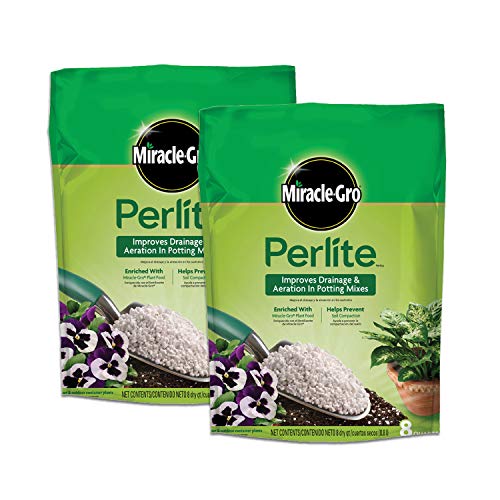
Miracle-Gro Perlite 8 qt. (2-Pack)
More Details On Our Top Picks
This indoor mix is built for containers where watering habits are a little imperfect. The 16-quart size gives you enough material for several medium pots, starter plants, or a round of refreshing tired houseplant soil.
Compared with the lighter amendment picks later in the list, this one behaves more like a ready-to-use base. That makes it a sensible choice for apartment gardeners, plant parents with mixed species, and anyone who wants less guesswork around moisture.
Strong Points
- Organic indoor formula suits houseplants without adding extra mixing steps.
- Works well for starter plants, so new transplants settle into a familiar medium.
- The larger bag covers several pots, which helps you avoid repeat top-ups.
- Moisture management is a useful fit for busy homes where watering timing slips.
Things To Consider
- It is aimed at indoor containers, so outdoor beds are a weaker match.
- The bag size may take more storage room than the small 1-quart options.
Feature Snapshot
Who It Suits Best
Indoor plant owners who want one bag for several pots will get the most from this mix.
A Better Fit Elsewhere
Back to the Roots 100% Organic Perlite suits you better when your goal is loosening a heavy mix rather than replacing the mix itself.
Perlite is the airy, mineral-like ingredient gardeners add to improve drainage and keep soil from packing down. This Back to the Roots bag is a simple utility piece, especially handy in a cramped potting area where you only need a small amendment for a few containers.
Unlike the ready-made soil blends above, this one is for mixing, not filling a pot on its own. That makes it a sharper fit for hands-on plant owners, and the smaller footprint is easier to stash beside other supplies.
What We Like
- Pure perlite keeps the job focused on loosening dense soil.
- Useful for both indoor and outdoor containers, so the bag has broad utility.
- The smaller format suits quick mix-ins without buying a large amendment sack.
- Good match for pots that stay too wet after watering.
Points To Note
- You still need a base mix, since perlite is an additive rather than a full soil.
- It can be dusty to pour, so a steady hand helps keep the work area tidy.
Details At A Glance
Right Fit For
You will like this most when you already have a potting mix and want more drainage control.
Swap It Out When
Miracle-Gro Organic Indoor Potting Mix 16 qt. is the better call when you want a ready-to-use soil instead of a mixing ingredient.
A 1-quart bag makes sense for small repotting jobs, especially on a windowsill or shelf where a giant sack would be annoying to store. This Doter mix is aimed at indoor houseplants and tropical varieties, so it sits in a very usable middle zone between a pure amendment and a large household bag.
Compared with the Miracle-Gro indoor mix, this one feels more compact and task-specific. It is a practical fit for plant owners who only refresh one or two pots at a time, though the smaller size means you may need several bags for bigger projects.
Best Bits
- Small size is easy to store and carry around the house.
- Fertilized mix gives you a more complete starting medium for houseplants.
- Works across many indoor plant types, including tropical houseplants.
- Useful for quick pot refreshes without leftover bulk crowding a closet.
Room For Improvement
- The 1-quart size is modest, so larger pots will need more than one bag.
- You may want to check texture and moisture fit against your plant’s current needs.
Quick Facts
Built With In Mind
Small-space plant owners who repot a few containers at a time will appreciate the easy handling here.
Another Choice May Suit
Michigan Peat Garden Magic General Purpose Potting Soil Mix 40 lb works better for larger planting jobs that need far more material.
This one leans into small containers, which is helpful for herb pots, flower starts, and little indoor planters that do not need a huge bag of material. The 1-quart size also means less waste for spot repotting, and that is a nice fit in busy kitchens or on apartment balconies.
It differs from the Doter houseplant mix above by broadening the use case to indoor and outdoor small containers. That wider reach makes it a sensible everyday option, though the small bag still keeps it in the light-duty lane.
Upsides
- Useful for herbs, vegetables, and flowers in smaller pots.
- Indoor and outdoor compatibility gives you more placement flexibility.
- Small package size helps you avoid storing excess soil.
- Good fit for quick top-offs and starter containers.
Worth Noting
- It suits smaller containers best, so bigger planters may feel under-supplied.
- One-quart packaging calls for careful planning during larger repotting sessions.
Feature Rundown
Whose Shelf It Belongs On
This belongs with casual gardeners who keep a few small edible or decorative pots going at once.
Reach For A Different Pick When
Miracle-Gro Organic Indoor Potting Mix 16 qt is the better match for a stack of houseplant pots that need more volume in one bag.
Herb gardens usually need a potting mix that stays light enough for containers but still feels nourishing enough for frequent cutting. This 1-quart bag is compact, and that makes it a neat fit for herb shelves, small starter planters, and the kind of kitchen setup where storage space is already spoken for.
Compared with Doter’s broader small-container mix, this one keeps the focus tighter on indoor plants and herbs. The honest read is that narrower positioning can help when you want a simple choice, though it gives you less flexibility than the more general blends.
Reasons To Buy
- Compact bag suits small herb gardens and indoor pots.
- All-purpose positioning makes it easy to use for simple repotting tasks.
- Natural soil blend is a clean fit for kitchen herb setups.
- Small size reduces leftover material after modest planting jobs.
Softer Spots
- It is sized for small projects, so larger planters need more than one bag.
- The tighter herb-and-indoor focus leaves less room for wider outdoor use.
Core Details
Perfect Match For
Herb growers and new indoor plant keepers who want a simple small bag will feel at home here.
Where Shoppers Go Wrong
Back to the Roots 100% Organic Perlite is not a replacement for soil, so it fits better when you are adjusting drainage rather than filling pots.
Pothos plants usually do best in a mix that drains cleanly but still holds enough structure for roots to settle in. This Doter bag is aimed squarely at potted pothos, so it reads as a more specialized option than the broader blends earlier in the list.
For trailing vines on shelves or hanging spots, that specificity can be useful. The trade-off is obvious, though, since you are choosing a focused mix rather than something that plays a role across many plant types.
Highlights
- Targeted for potted pothos, so the label matches the use case closely.
- Compact 1-quart pack is easy to store beside houseplant tools.
- Useful for indoor setups where drainage balance matters.
- Good choice for plant owners who prefer a species-specific mix.
Small Caveats
- It is specialized, so it is less versatile than a general houseplant mix.
- The small bag size suits a few pots, not a room full of plants.
At A Glance
The Right Fit
You will appreciate this most if your home already leans heavily on pothos and similar trailing plants.
Look Elsewhere When
Doter Houseplant Potting Mix Fertilized 1 qt works better for a more general indoor collection that needs one bag for several plant types.
Top soil serves a different job from the smaller potting mixes in this roundup. This Scotts bag is meant for leveling, filling holes, and handling outdoor patchwork, so it belongs with yard work rather than delicate windowsill planting.
That makes it the clear heavy-duty option here, especially for homeowners who need bulk material for lawns and garden beds. One thing worth considering is that top soil is denser than a houseplant mix, so it is not the right texture for most indoor containers.
Positives
- Works well for leveling uneven spots in a lawn.
- Useful for filling holes and patching outdoor areas.
- The lighter organic blend is easier to handle than heavier topsoil.
- Peat moss in the blend adds a more workable texture for garden tasks.
Areas To Watch
- Top soil is not the same as a houseplant potting mix, so indoor use is limited.
- The bag is better for yard jobs than for small shelf pots.
Feature Card
Built For In Mind
Yard owners who need one bag for patching and leveling will get the strongest match here.
A Better Fit Elsewhere
Michigan Peat Garden Magic General Purpose Potting Soil Mix 40 lb is the better choice for broad container planting across indoor and outdoor spaces.
This mix is built around a lighter, airier texture, which matters a lot for indoor pots that stay wet longer than outdoor beds. The ingredient list points to perlite, peat moss, coco coir, and rice charcoal, so you are getting a blend that leans toward drainage, structure, and a cleaner-feeling medium.
Compared with the simpler small-bag mixes earlier in the list, this one has a more layered recipe. That can suit plant owners who are picky about root environment, though the more detailed blend may feel unnecessary for basic countertop herbs.
Bright Spots
- Airy texture is a strong fit for indoor root zones that need breathing room.
- Perlite, coco coir, peat moss, and rice charcoal create a varied blend.
- The 3-quart size lands in a helpful middle ground between tiny and bulky bags.
- Good for plants that dislike heavy, waterlogged soil.
Minor Gripes
- The blend is more specialized, so simple repotting jobs may not need this much complexity.
- Some shoppers will want to compare texture with a current potting setup before switching fully.
Spec Overview
Who Should Grab It
You will like this most if your houseplants need a lighter mix and you want more than a tiny one-quart bag.
Where Another Pick Shines
Miracle-Gro Organic Indoor Potting Mix 16 qt is a better match for large-scale repotting when you want a ready-to-use base in a bigger bag.
A 40-pound bag changes the equation right away, because it makes sense for gardeners who fill many containers or keep both indoor and outdoor plants moving. This Michigan Peat mix is described as moisture retaining, so it aims for a broader general-purpose role rather than a narrow indoor specialty.
Compared with the 1-quart blends, this is the bulk option that saves you from repeated restocking. The catch is storage and handling, since a large bag is less convenient in a small apartment or a narrow shed.
Standout Traits
- Large 40-pound format suits frequent planting and larger container runs.
- General-purpose formula works across indoor and outdoor uses.
- Moisture-retaining blend helps in plantings that need steadier moisture balance.
- Good for gardeners who want one larger bag instead of several small ones.
Honest Caveats
- The large bag needs more storage room than the small-format picks.
- Bulk handling is less convenient for quick one-pot refreshes.
Technical Sheet
Built For In Mind
Home gardeners with several pots to fill will benefit most from the larger format and broader use range.
Skip It When
Doter Houseplant Potting Mix Fertilized 1 qt makes more sense for a tiny indoor repotting job with less storage pressure.
Perlite again plays the supporting role, but this larger 2-pack gives you more room to build custom potting blends. It improves drainage and aeration, which matters in containers where compacted soil can leave roots short on air and water movement.
Compared with the Back to the Roots perlite bag, this format is more about stocking up than keeping a tiny stash on hand. That makes it a better fit for people who mix soil often, even though it is still only one ingredient in the larger planting recipe.
Best Bits
- Two-pack format gives you a larger supply for repeated mixing jobs.
- Helps open up potting mixes that feel dense or slow to drain.
- Useful for container plants that need more air around the roots.
- Good stocking choice for gardeners who amend soil often.
Areas To Watch
- It is an additive, so you still need a base potting mix.
- The bigger supply can be more than casual plant owners really need.
Core Details
The Right Fit
You should grab this when you regularly build your own potting mixes and want a bigger amendment supply.
Look Elsewhere When
Back to the Roots 100% Organic Perlite is easier to keep on hand for a smaller number of pots or tighter storage.
How To Choose The Right Cheap Potting Soils
Match The Mix To The Plant
The first decision is whether you need a full potting mix or just an amendment like perlite. Potting mix fills the pot on its own, while perlite is the loose, white volcanic mineral that opens soil up and helps water move through it.
Houseplants, herbs, and tropicals usually want a lighter container blend, while lawn patching calls for a denser topsoil. That difference matters because the wrong texture can leave roots sitting wet too long or drying out too fast.
Pay Attention To Bag Size
Small 1-quart bags make sense for shelf plants, starter pots, and tight storage spaces. Larger bags, like 16 quarts or 40 pounds, fit better when you repot often or fill several containers at once.
The right size also cuts down on waste. A bag that matches your project keeps you from storing half-used mix in a hallway closet for months.
Look For Texture Cues
Light blends with coco coir, peat moss, or perlite usually give roots more breathing room than heavy garden soil. Coco coir is a fiber from coconut husks, and it helps create a softer structure that many container plants prefer.
For moisture-sensitive plants, airy texture is worth more than a long ingredient list. For thirsty plants or large beds, a moisture-retaining mix can make more sense, especially in warmer rooms or sunnier spots.
Choose By How Much Effort You Want
Some mixes are ready to use straight from the bag, while perlite and similar ingredients ask you to do the blending yourself. Ready-to-use soil is easier for beginners and busy plant owners, while add-ins suit gardeners who want more control.
The honest trade-off is simple, convenience costs less thought, and customization costs more time. Pick the version that matches how often you repot and how hands-on you like to be.
What To Weigh Before You Click
Wrong Turns To Avoid
A common mistake is buying soil that sounds broad but behaves too heavy for containers. Yard soil and potting mix are not the same job, and indoor pots usually need more air space than a lawn patch does.
Another slip-up is grabbing a tiny bag for a bigger repotting session. You end up short halfway through, which turns a simple job into a second store run.
The Upgrade Payoff
Higher-tier mixes usually cost more because they blend more ingredients, keep texture more consistent, or come in larger, more convenient formats. That extra structure can matter a lot for fussy houseplants or custom blends.
Paying up makes sense when you are protecting valuable plants, repotting often, or trying to avoid soggy soil in a bright window. For a simple herb pot, a basic mix is usually enough.
Frequently Asked Questions
What makes potting soil different from topsoil?
Potting soil is made for containers, so it tends to stay lighter and drain better. Topsoil is denser and fits yard work, lawn patching, and filling holes.
Do you need perlite in every potting mix?
No, many ready-made mixes already include enough air space for common houseplants. Perlite helps most when the soil stays wet too long or feels packed down.
Which bag size works best for a few houseplants?
A 1-quart or 3-quart bag usually suits a small indoor collection. Larger bags make more sense only when you are repotting several pots at once.
Can herb plants use the same mix as houseplants?
Many herbs do fine in a light, well-draining potting mix. The important part is keeping the container from staying soggy after watering.
How do you store leftover potting soil?
Keep the bag sealed and dry so it does not clump or pick up debris. A cool closet, garage shelf, or storage bin usually works better than leaving it open in a damp corner.
Final Thoughts
The best cheap potting soils are the ones that match your plant and your space, not just the lowest-stakes bag on the shelf. For indoor pots, a ready-to-use mix usually saves more trouble than a bare-bones blend, while perlite earns its keep when drainage is the real issue. Larger bags make sense for regular repotting, and smaller bags are easier for herbs, starter plants, and tight storage. Choose the texture that fits your routine, and the rest gets much easier.