Chemical sprayers sound simple until you’re hauling a tank across a yard, cleaning a garage floor, or trying to cover a fence line without constant pumping. The right one saves effort, keeps output steadier, and matches the job instead of fighting it. That’s why this roundup leans on tank size, wand length, nozzle variety, battery setup, and chemical compatibility. You’ll see where a compact hand sprayer makes sense and where a backpack model earns its keep.
Quick Look At Our Top Chemical Sprayers

SYITCUN 1.35 Gallon Battery Powered Sprayer

SideKing 4 Gallon Battery Powered Backpack Sprayer
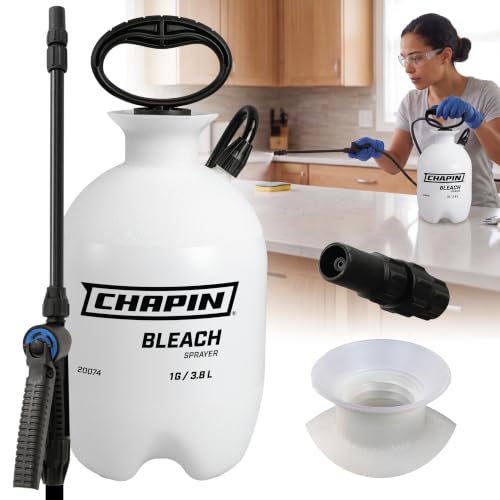
Chapin 1-Gallon Bleach Sprayer
VEVOR 4 Gallon Battery Powered Backpack Sprayer

Chapin 48-Oz Industrial Cleaner & Degreaser Hand Sprayer

SideKing Battery Powered Sprayer 2 Gallon
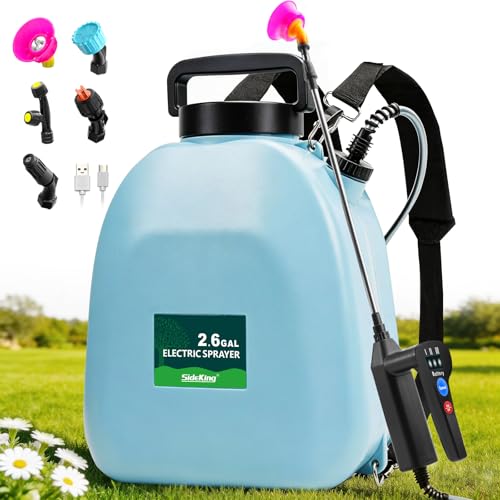
SideKing 2.6 Gallon Battery Powered Backpack Sprayer

Chapin G5502 32-Ounce Foaming Hose End Sprayer
Hand fatigue is the whole reason this SYITCUN model matters. The 2200mAh battery powers continuous spray for roughly 2.5 to 3 hours, so you’re not stopping every few minutes to pump, which helps a lot during edging, spot-weeding, or patio work.
The 1.35-gallon tank is a sensible middle ground for small yards, and the three nozzle choices make it easier to move from a wider fan to a tighter stream. Compared with the bigger backpack picks later in the list, this one stays lighter and simpler, though the smaller tank means more refill breaks on larger properties.
Strong Points
- Battery-powered spray keeps your hand out of the pumping routine.
- The 1.35-gallon size is easier to carry around beds and fences.
- Three nozzle choices give you more control over coverage shape.
- The shoulder strap helps spread the weight during longer passes.
Things To Consider
- The smaller tank means more refills on bigger yards.
- Battery runtime matters most for longer weekend jobs, so plan around that window.
- Like most handheld sprayers, rinsing the tank and nozzle after chemical use keeps maintenance simpler.
Feature Snapshot
Who It Suits Best
You get the most from this pick in a small to medium yard where cordless convenience matters more than large capacity.
Where A Sibling Pick Shines
SideKing’s 4 Gallon Battery Powered Backpack Sprayer fits larger properties better, especially when you want fewer refills and more reach.
Large lawns usually expose the weak spots in smaller sprayers, and this 4-gallon backpack format is built for that kind of job. The 100 PSI ceiling gives you more spray force than the lighter handheld option above, which helps with broader coverage and stubborn weed work.
Makita 18V battery compatibility also matters, because it can simplify tool sharing for households already using that battery platform. The included battery and charger reduce setup friction, though the full backpack load is still more demanding than a 1.35-gallon sprayer when you’re moving across uneven ground.
What We Like
- The 4-gallon tank cuts down on refill trips in large areas.
- Backpack carry keeps the weight off your hands and steadies movement.
- Adjustable pressure helps you match output to the job.
- Five nozzles give you room to shift between coverage styles.
- Battery and charger being included makes the setup easier to start.
Points To Note
- A full 4-gallon load is heavier to manage than smaller tank options.
- Backpack style can feel warm during long sessions in humid weather.
- Rinsing the tank, hose, and nozzles after use helps avoid clogging.
At A Glance
Made For
You’ll appreciate this most for larger yards, garden rows, and weed treatment where capacity matters as much as control.
Another Choice May Suit
SYITCUN’s 1.35 Gallon Battery Powered Sprayer suits lighter-duty yard care better, especially for smaller spaces and quicker storage.
This Chapin model stands out because it’s aimed at harsher cleaning jobs rather than general lawn care. The chemical-resistant tank and seals matter here, since bleach and similar cleaners can be harder on ordinary sprayers, and the 40-inch hose gives you more reach around tubs, walls, or exterior surfaces.
That narrower focus is the trade-off. You gain a purpose-built tool for disinfecting and mold-related work, but you don’t get the capacity or backpack comfort of the larger battery options, so this fits best in a cleaning closet rather than beside garden gear.
Highlights
- The tank and seals are built with stronger chemical resistance in mind.
- The 40-inch hose helps you reach awkward spots without crouching as much.
- The 1-gallon size is easy to store in a utility shelf or cart.
- It suits cleaning tasks better than general-purpose lawn spraying.
Room For Improvement
- The smaller tank is better for spot work than large-area coverage.
- It’s a more specialized tool, so it won’t replace a broad garden sprayer.
- After bleach or cleaner use, thorough rinsing helps preserve seals and hose life.
Core Details
Who Will Love This
You’ll get the most value from this in a home that needs a dedicated sprayer for cleaning, mold treatment, or similar chemical tasks.
Where A Sibling Pick Shines
VEVOR’s 4 Gallon Battery Powered Backpack Sprayer is the broader choice for yard work, especially when you want more capacity and more nozzle options.
Some sprayers stay simple, and some come packed with options. This VEVOR leans into the second camp with a wheeled cart, a 13-foot hose, two wands, six nozzles, and a wide-mouth lid, so you can adapt it to weeds, surface cleaning, or longer reach without juggling accessories.
The adjustable 0 to 94 PSI range gives you more control over spray intensity, which matters when one task needs a lighter mist and another needs stronger output. The wheeled cart is the most practical part for longer sessions, though the extra hardware also means more parts to store and rinse after use.
Reasons To Buy
- The wheeled cart eases transport when a full backpack would feel tiring.
- A 13-foot hose extends reach for large garden beds and distant corners.
- Six nozzles and two wands make it adaptable across several tasks.
- The wide-mouth lid can make filling less awkward.
Small Caveats
- All the extra parts mean more pieces to keep track of.
- The cart helps movement, but it still takes space in storage.
- More fittings usually mean more cleanup time after chemical use.
Details At A Glance
The Right Fit
This suits you best for bigger yards, mixed-use spraying, and anyone who wants more attachment choices in one setup.
Swap It Out When
Chapin’s 1-Gallon Bleach Sprayer is the cleaner choice for small, chemical-specific tasks where a compact tank makes more sense.
This is the kind of sprayer that earns shelf space for specific cleanup work. The 48-ounce size keeps it nimble, and the chemical-resistant seals are the real reason to consider it for degreasers, disinfectants, sanitizers, and industrial cleaners.
Compared with the backpack and battery units above, this one is for tighter, more focused jobs where portability matters more than coverage speed. The pack of two also helps in a practical way, though it means you’re managing more than one bottle, so cleaning and labeling matter more.
Positives
- The compact bottle is easy to keep near sinks, workbenches, or janitorial carts.
- It suits several cleaning liquids without forcing you into a large tank.
- A two-pack works well for separating different task areas.
- The format is simple, so storage stays uncomplicated.
Worth Noting
- The smaller volume is meant for targeted work, not wide coverage.
- Using multiple chemical types calls for careful rinsing between fills.
- For lawn jobs, the larger battery sprayers in this list make more sense.
Quick Facts
Whose Shelf It Belongs On
You’ll be happiest with this in a garage, workshop, or cleaning cabinet where compact size and chemical-focused use matter most.
Look Elsewhere When
SYITCUN’s 1.35 Gallon Battery Powered Sprayer is the better all-around yard choice, especially for grass, weeds, and broader outdoor coverage.
This SideKing lands in a very sensible middle zone. The 2-gallon tank is large enough to reduce refill breaks, but it still stays easier to handle than the 4-gallon backpack units, and the battery indicator is useful when you want a clearer sense of remaining charge.
Three spray pressures and four nozzles give you enough range for yard care, plants, and lighter weed control. The telescopic wand helps with reach, though the real appeal is balance, since you get more capacity than a compact handheld without stepping all the way up to a bigger carry system.
Best Bits
- The 2-gallon capacity sits in a practical middle ground for home use.
- Battery indicator feedback helps you plan longer sessions with fewer surprises.
- Three pressure settings make the spray feel more adaptable.
- The telescopic wand adds reach for beds, edges, and hard-to-reach spots.
Areas To Watch
- It still weighs more than a compact 1-gallon unit once filled.
- More settings can take a little getting used to at first.
- Regular rinsing after plant or chemical use helps keep the wand and nozzles clear.
Spec Overview
Best Suited To
You’ll appreciate this most for routine lawn care, mixed garden spraying, and households that want a practical cordless middle ground.
Reach For A Different Pick When
VEVOR’s 4 Gallon Battery Powered Backpack Sprayer makes more sense for large properties that need longer coverage and more accessories.
This 2.6-gallon backpack sprayer is a nice step up from the 2-gallon SideKing because it gives you more capacity without jumping straight to the bulk of the 4-gallon model. The 40-inch telescopic wand and five nozzles add useful reach and pattern variety, especially around shrubs, fence lines, and beds.
The battery indicator and three pressure settings keep the controls straightforward, which matters when a job stretches longer than expected. You may find the backpack fit more comfortable than carrying a full handheld tank, although the filled unit still asks more of your shoulders than the lighter SYITCUN option.
Upsides
- The 2.6-gallon size gives you more coverage than a compact sprayer.
- Backpack carry spreads weight more evenly during longer sessions.
- A 40-inch telescopic wand improves reach around taller plants.
- Five nozzles offer flexibility across a range of garden tasks.
- The battery indicator helps you stay aware of power levels.
Honest Caveats
- It’s still a carry system, so full-tank weight deserves respect.
- Backpack straps can feel less convenient than a wheeled cart for some jobs.
- Cleaning the wand and nozzle set after use keeps performance more consistent.
Feature Card
Built With In Mind
This suits you well for medium to large yards where battery convenience matters and a backpack format feels manageable.
Where A Sibling Pick Shines
SideKing’s 4 Gallon Battery Powered Backpack Sprayer is the better fit for even bigger properties, while the 2-gallon SideKing stays a touch easier to carry.
This Chapin takes a different path from the tank sprayers above. It connects to a hose, so the spray setup feels more suited to foaming cleaning jobs than to carrying liquid around the yard, and that foaming action can help you cover outdoor surfaces more evenly.
The 32-ounce size keeps the body compact, which is handy for home cleaning or lighter garden tasks. The trade-off is obvious, though, since hose-end use ties you to the water source and makes it less portable than the battery-powered picks in this list.
Positive Points
- The hose-end format keeps the spraying setup simple for outdoor cleaning.
- Foam delivery is useful when you want visible coverage on surfaces.
- The compact bottle is easy to store with garden tools.
- It works well for homeowners who prefer a straightforward attachment-style sprayer.
Softer Spots
- You’ll need a hose nearby, so mobility is more limited.
- It’s better for surface cleaning than for moving around large properties.
- Rinsing after use helps keep the spray path clear for the next job.
Core Details
Perfect Match For
You’ll like this most for exterior washing tasks, patio cleaning, and garden work that starts at the hose bib.
Skip It When
SideKing’s 2.6 Gallon Battery Powered Backpack Sprayer suits mobile yard work far better when you need to move away from the hose.
How To Choose The Right Chemical Sprayers
Match Capacity To The Job
Tank size shapes how often you stop to refill, and that matters more than most people expect. A 1 to 1.35-gallon sprayer suits spot work, edging, and smaller yards, while 2 to 4 gallons make more sense for broad lawn care or longer cleaning sessions.
Weight rises with capacity, so a larger tank can feel like a backpack full of water by the time you finish filling it. That’s why the compact Chapin hand sprayers stay useful for cleaning closets, while the SideKing and VEVOR backpack units make more sense for bigger outdoor areas.
Look Closely At Spray Control
Nozzles and pressure settings decide whether you get a fine mist, a broader fan, or a more focused stream. That control matters for delicate plants, fence lines, and surfaces that need even coverage rather than a heavy blast.
A model with multiple nozzle choices gives you more room to adapt without swapping tools. Adjustable pressure adds another layer, and that’s where the 100 PSI SideKing and the 0 to 94 PSI VEVOR separate themselves from simpler handheld options.
Think About Carry Style And Reach
Backpack sprayers spread weight across your shoulders, which helps during longer sessions, but they also demand more space and more cleanup. Handheld units are easier to store and rinse, yet they can get tiring sooner on larger properties.
Wand length matters too, especially around shrubs, raised beds, and hard-to-reach corners. A longer telescopic wand or hose can save awkward bending, and it often means cleaner coverage along the edges where a shorter tube falls short.
Plan For Chemical Compatibility
Not every sprayer handles the same liquids with the same ease. Bleach, degreasers, and industrial cleaners can be harder on seals and tanks, so a chemical-resistant design earns its place fast in a cleaning routine.
For general lawn use, a standard garden sprayer is usually enough, but a purpose-built cleaning model belongs in homes that deal with mildew, workshop grime, or disinfecting tasks. The honest read is that choosing the wrong material mix creates more hassle later than spending a little more on the right build.
Things Worth Knowing First
Common Shopping Slip Ups
One easy mistake is choosing tank size by guesswork instead of by yard size or cleaning area. Another is overlooking the hose, wand, or nozzle setup, then ending up with a sprayer that feels awkward for your usual task.
Cleaning chemistry is another place where people go wrong. A sprayer meant for lawn feed doesn’t always belong with bleach or degreaser, and cross-use without thorough rinsing can make maintenance harder than it needs to be.
What The Higher Tier Buys
More money in this category usually buys pressure control, more attachments, better carry comfort, or a build that’s better suited to harsh liquids. Backpack systems, longer hoses, and extra nozzles are common reasons the price climbs.
That upgrade makes sense for larger yards, frequent use, or jobs that keep changing from one surface to another. For occasional spot spraying, a simpler unit often does the same job with less to store and fewer parts to clean.
Frequently Asked Questions
What size chemical sprayer works for a small yard?
A 1 to 1.35-gallon sprayer usually fits small yards well. It stays light enough for spot work without feeling oversized.
Are battery-powered sprayers worth it?
They make sense when you spray often or cover more ground. The steady output saves you from repeated pumping.
Can one sprayer handle both lawn care and cleaning jobs?
Some can, but chemical compatibility matters a lot. A dedicated cleaning sprayer is the safer choice for bleach, degreasers, and similar liquids.
What makes a backpack sprayer useful?
A backpack design spreads weight across your shoulders and frees up your hands. It’s a practical shape for longer yard sessions.
Why does nozzle variety matter?
Different nozzles change the spray pattern, so you can shift between broader coverage and more focused output. That flexibility helps with plants, weeds, and surface work.