Poison ivy gets messy fast, especially along fence lines, brushy corners, and edges where mowing falls short. You need a chemical that matches the job, whether that means a spot treatment for a few vines, a broad brush killer for neglected ground, or a wipe that keeps oils off your skin before the itch starts.
This roundup keeps the focus on real use, not marketing noise. You’ll see where triclopyr, glyphosate, and barrier wipes fit best, plus the trade-offs that matter once the bottle is open or the property line runs long.
The Shortlist At A Glance
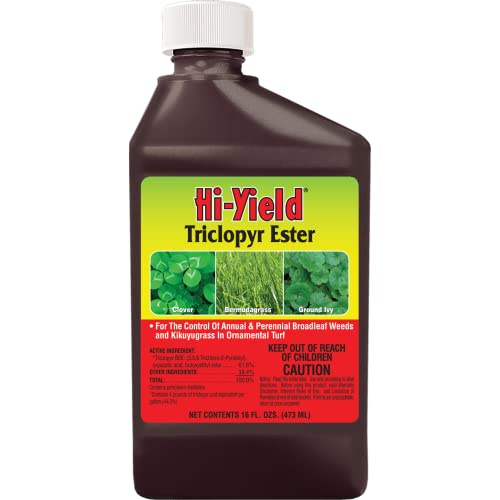
Hi-Yield (35262) Triclopyr Ester 16 oz

Hi-Yield (33701) Super Concentrate Killzall II 2.5 gal

Hi-Yield (32170) Killzall 365 32 oz

Roundup Dual Action 365 Weed & Grass Killer + 12 Mo. Preventer Concentrate

Southern AG 01113 Brush Weed Killer 1 Quart
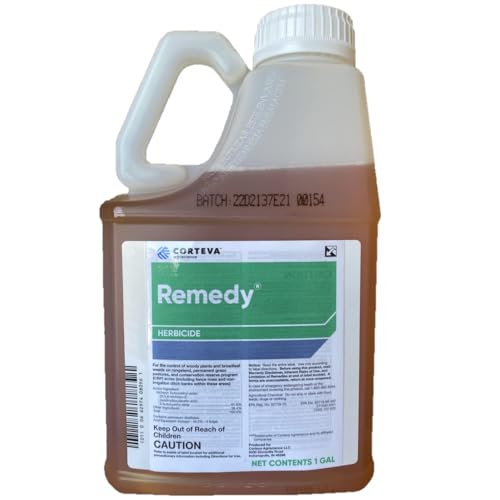
Remedy Specialty Herbicide Weed Killer & Brush Control 1 Gallon

CoreTex Ivy X Pre-Contact Poison Ivy Wipes Pack of 25
More Details On Our Top Picks
Triclopyr ester is the kind of active ingredient that makes sense around brushy edges, not lawn-wide guesswork. This 16 oz concentrate fits property owners dealing with woody growth, vines, and broadleaf weeds in non-crop areas, and it can also be used on perennial bluegrass, perennial ryegrass, and tall fescue ornamental turf.
The honest trade-off is that it asks you to know your grass first. It should stay away from bahiagrass, bentgrass, bermudagrass, centipedegrass, St. Augustine, and zoysiagrass, so it suits careful spot treatment more than casual spraying.
Highlights
- Targets actively growing broadleaf weeds with a selective approach.
- Fits ornamental turf where precise control matters more than blanket spraying.
- Works well for property edges with vines and brushy patches.
- Compact bottle size is easier to store than a bulk jug.
Points To Note
- Grass compatibility is narrow, so label reading matters before every use.
- Not a general-purpose lawn option for mixed turf areas.
- Smaller volume may mean more frequent restocking on larger lots.
Feature Rundown
Who Should Grab It
You’re the best match for this one if your yard has brushy edges, vines, and turf that calls for selective treatment rather than broad cleanup.
Where A Sibling Pick Shines
Hi-Yield (32170) Killzall 365 32 oz suits you better when you want longer residual control across bare ground instead of grass-safe spot work.
This 2.5 gallon glyphosate concentrate is built for broad, repeated coverage, not small edging jobs. Glyphosate is a non-selective herbicide, which means it controls many grasses, broadleaf weeds, and woody brush species, so it fits acreage work and other areas where you do not want any living growth left behind.
That same strength is the catch, because it should stay off lawns and any spot you want to keep green. For long drives, fence strips, and overgrown property lines, the larger jug makes the most sense among this group.
What We Like
- Large container suits wide coverage without constant refills.
- Handles grasses, broadleaf weeds, and woody brush in one broad pass.
- Works well for acreage owners managing open ground.
- Simple concentrate format keeps mixing straightforward for routine jobs.
Softer Spots
- Not for lawn use, so it needs clear separation from planted areas.
- The large jug can feel bulky in smaller storage spaces.
- Best reserved for open areas where total control is the goal.
Core Details
Built With In Mind
You’ll appreciate this most on acreage, fence lines, and other wide-open spaces where the job is removal, not preservation.
Swap It Out When
Southern AG 01113 Brush Weed Killer fits you better for smaller, more controlled spot treatments around the yard.
Glyphosate paired with imazapic gives this one a longer-running role than a basic knockdown concentrate. That matters around driveways, gravel edges, and neglected corners where you want weeds gone now and regrowth slowed down later.
The trade-off is the usual one for extended-control formulas, since it belongs in places where bare ground is acceptable. For property owners tired of repeat spraying, this has a practical edge over the shorter-term options above.
Reasons To Buy
- Extended control reduces the need for frequent retreatment.
- 32 oz size is manageable for spot and border work.
- Useful for areas where bare ground is fine after treatment.
- Combines knockdown and follow-up suppression in one bottle.
Areas To Watch
- Not a fit for lawn or planted beds.
- Extended control makes careful placement important around wanted plants.
- Smaller bottle means less coverage than the larger jug in item 2.
Feature Snapshot
Whose Shelf It Belongs On
You’re a strong match for this bottle if you deal with recurring weed pressure along hardscape, gravel, or other bare areas.
Look Elsewhere When
Roundup Dual Action 365 Weed & Grass Killer + 12 Mo. Preventer Concentrate makes more sense for you when you want a familiar all-in-one format with a similar preventive angle.
This concentrate leans into a simple idea, kill what’s there and make the spot harder to reclaim later. For bare strips, patio cracks, and other no-turf areas, that dual action can be more convenient than buying one product for knockdown and another for prevention.
The pack-of-6 note points to repeat use or broader property upkeep, though the format still asks for careful placement. Compared with Hi-Yield (32170) Killzall 365, this one sits closer to a familiar mainstream formula, while still aiming at the same kind of long-view control.
Best Bits
- Kills existing growth and helps block new growth afterward.
- Good fit for bare zones that stay troublesome all season.
- Concentrate format can stretch well for repeated upkeep.
- Works as a straightforward choice for general property maintenance.
Small Caveats
- Not meant for areas where you want turf to recover quickly.
- Concentrate handling takes a careful mix and measured application.
- Pack-of-6 format may be more than casual spot users need.
Technical Sheet
Who Will Love This
You’ll like this most if you handle recurring bare-ground maintenance and want one bottle to do more than a simple cleanout.
A Better Fit Elsewhere
Hi-Yield (33701) Super Concentrate Killzall II 2.5 gal works better for you when the job is acreage-scale and coverage volume matters more than preventive convenience.
A quart-size brush killer like this makes sense for homeowners who want a straightforward bottle without extra bulk. It suits targeted applications around the yard, especially where you’re dealing with brush and poison ivy in contained spots rather than wide, open acreage.
Compared with the larger jug in Hi-Yield (33701) Super Concentrate Killzall II, this is easier to store and easier to handle for short jobs. The honest catch is that small packaging can mean more trips back to the shelf for bigger properties.
Bright Spots
- Compact quart size stores neatly in tight utility spaces.
- Good fit for spot work where precision matters.
- Brush-focused format suits rough corners and fence edges.
- Less intimidating for occasional use than a large jug.
Worth Noting
- Smaller volume is less convenient for broad property cleanup.
- Spot-use focus means it’s not the right answer for every yard.
- Careful application still matters around plants you want to keep.
Details At A Glance
Made For
You’re the right match if you want a compact bottle for occasional brush cleanup and fence-line work.
Another Choice May Suit
Remedy Specialty Herbicide Weed Killer & Brush Control fits better for larger pasture or rangeland work that needs a gallon-size supply.
This gallon-size triclopyr concentrate is aimed at bigger brush-control jobs, especially pasture, rangeland, and fence-line upkeep. Its low-odor profile and flexible use as a stand-alone treatment or tank mix option make it a serious step up for landowners who manage problem growth over long runs.
Used according to the label, it’s described for use around children and pets, though that still calls for ordinary care and careful timing. Compared with Southern AG 01113, this one belongs in a more demanding setting where volume and reach matter more than convenience.
Standout Traits
- Gallon size suits larger brush-control projects.
- Useful for pasture restoration and fence-row maintenance.
- Low-odor profile is easier to live with during outdoor work.
- Can be used alone or as part of a tank mix.
- Works on top growth and roots for more complete brush control.
Room For Improvement
- Large volume is more than many small-yard owners need.
- Best suited to specific land-management tasks, not casual lawn use.
- Mixing options add flexibility, but also ask for more attention.
Core Details
Right Fit For
You’re the best match if your work stretches beyond the home yard and into pasture, fence rows, or brush-heavy land.
Where Shoppers Go Wrong
Hi-Yield (35262) Triclopyr Ester 16 oz suits tighter ornamental-turf jobs where a smaller selective bottle is enough.
These are not a weed killer, they’re a pre-contact wipe for skin protection before brushy work begins. For trail clearing, yard cleanup, or any day spent around poison ivy, poison oak, or poison sumac oils, the quick-dry and chalk-free format feels more practical than carrying a messy cream or extra gear.
The trade-off is simple: they support prevention habits, but they do not remove plants from the ground. That makes them a smart companion for anyone already using one of the chemical treatments above and wanting a cleaner pre-work routine.
Positives
- Single-use wipes are easy to stash in a tool bag or glove box.
- Quick-dry format helps you get back to work sooner.
- Chalk-free finish is less messy on hands and tools.
- Also suited to poison oak and poison sumac oil exposure.
Honest Caveats
- Not a plant-killing product, so it serves a different job than the herbicides above.
- Pack size may feel small for long workdays.
- Single-use format means regular restocking for frequent field work.
Feature Card
The Right Fit
You’re the best match if you spend time on trails, brush clearing, or yard work where exposure prevention matters before the task starts.
A Better Fit Elsewhere
Remedy Specialty Herbicide Weed Killer & Brush Control is the better choice when your priority is clearing large patches of brush rather than prepping your skin.
How To Choose The Right Chemicals For Killing Poison Ivy
Match The Active Ingredient To The Job
Triclopyr is the better fit for brushy growth, woody stems, and selective treatment near turf. Glyphosate is broader and less selective, so it suits bare ground, fence lines, gravel shoulders, and areas where you want everything green to disappear.
That split matters more than brand names. A selective formula protects certain grasses, while a broad-spectrum one gives you a cleaner reset in open areas.
Think About Regrowth, Not Just Knockdown
Some formulas only burn down what you see, and others add longer control that slows the return of weeds. In spots that get overrun every season, a preventer or extended-control product can save you from repeated spraying.
For a small patch near landscaping, a shorter-term option often makes more sense. For neglected edges or gravel strips, longer control earns its keep.
Choose By Surface And Surroundings
Lawns, ornamental turf, pasture, rangeland, and non-crop areas all need different handling. The label should match the ground you actually have, not the area you wish you had.
That’s where many problems start. A brush killer can be right for a fence row and wrong for a lawn, while a lawn-safe selective treatment may be too gentle for woody ivy vines.
Don’t Skip The Practical Details
Container size changes the experience more than many people expect. A quart is easier for spot work and storage, while a gallon or larger jug makes sense for acreage or repeated maintenance.
Also pay attention to how you’ll mix and apply it. Concentrates reward careful measuring, and barrier wipes only help when you keep them handy before outdoor work begins.
Things Worth Knowing First
Mistakes Worth Dodging
One common slip is treating poison ivy like every other weed. The plant’s growth habit can be vine-like and woody, so a product that works on ordinary broadleaf weeds may not be enough on its own.
Another mistake is ignoring turf compatibility. A selective triclopyr product can fit certain grasses, while a broad glyphosate product should stay away from lawns entirely.
When Paying More Pays Off
Higher-tier formulas usually bring more specific active ingredients, longer control windows, or larger container sizes. Those details raise cost because they solve a narrower problem more completely.
That upgrade makes sense for larger properties, repeated maintenance, or hard-to-manage edges where rework is the real expense. For a tiny patch, a simpler bottle is often enough.
Frequently Asked Questions
What chemical works best on poison ivy vines?
Triclopyr-based products are often a stronger fit for woody vines and brushy growth. They suit selective treatment better than a broad spray meant for open ground.
Can you use these products on a lawn?
Only some selective formulas belong near turf, and the label matters here more than the brand name. Glyphosate products belong away from lawns because they affect many living plants.
What’s the difference between glyphosate and triclopyr?
Glyphosate is broad and non-selective, so it clears many grasses and weeds. Triclopyr is more selective and often fits brush, vines, and certain broadleaf weeds.
Do poison ivy wipes replace herbicides?
No, wipes help before contact by creating a barrier on skin. Herbicides handle the plant itself, so the two products serve different jobs.
How do you choose between a quart and a gallon?
A quart suits spot work, storage, and lighter maintenance. A gallon makes more sense for fence rows, pasture, or larger properties with repeat growth.