You want a compost setup that fits your space instead of taking over the kitchen or yard. That usually means choosing between a countertop caddy, an electric unit, a tumbling drum, or a large outdoor bin that can sit quietly in a corner and do its job.
This roundup keeps the choices practical. You’ll see compact bins for food scraps, larger outdoor models for yard waste, and a few in-between options for people who want composting to feel straightforward rather than fussy.
Quick Look at the Shortlist

F2C 80-Gallon Compost Bin, Black

Perfnique 1.3-Gallon Kitchen Compost Bin

Ouaken 4L Electric Kitchen Composter

Hourleey 43-Gallon Dual Chamber Compost Bin
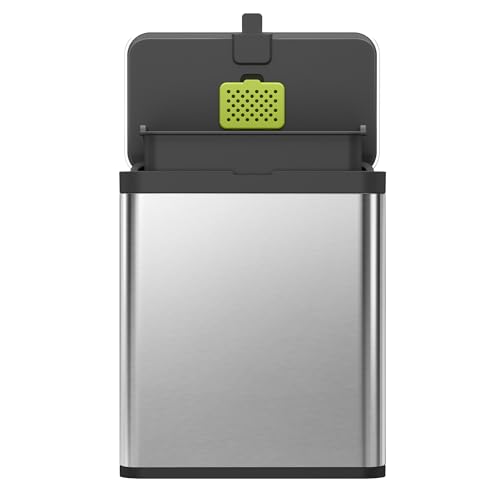
EKO Kitchen Compost Bin 7L Stainless Steel

VIVOSUN 300-Gallon Outdoor Compost Bin, Black

VEVOR Garden Compost Bin 80-Gallon

KIBAGA Kitchen Compost Bin 1.1-Gallon
More Details On Our Top Picks
This bin makes sense for a backyard where scraps, leaves, and small garden trimmings build up fast. The 80-gallon body gives you room to keep going without filling the container every other day, and the black PP plastic helps hold warmth while staying suited to outdoor use.
The 80 air vents and deep fins matter because airflow shapes how evenly material breaks down, and that can save you from the stale, compacted feel some basic bins get. The trade-off is simple, though, this size asks for a yard corner and a bit more feedstock, so it fits households that generate enough compostable waste to keep it active.
Bright Spots
- Large 80-gallon capacity suits steady yard waste from a busy home garden.
- Black plastic helps retain warmth, which supports faster breakdown in cooler weather.
- 80 vent openings encourage air movement, which is useful for more even composting.
- Top latch lid and bottom door make loading and harvesting less awkward.
- Included gloves are a handy extra for routine bin handling.
Small Caveats
- Its size can feel oversized for tiny patios or narrow side yards.
- Outdoor placement means you’ll still need a spot that stays reasonably level.
- Like most large bins, it works best with a mix of greens and browns rather than scraps alone.
Core Details
Who It Suits Best
Home gardeners with a steady stream of yard waste and enough outdoor space for a large stationary bin will get the most from this setup.
A Better Fit Elsewhere
Perfnique 1.3 Gal Kitchen Compost Bin with Lid is a better match for apartment kitchens where countertop storage matters more than outdoor volume.
A small countertop caddy like this suits everyday food prep better than a giant yard bin sitting in the kitchen. The 1.3-gallon size keeps the footprint manageable, and the inner bucket liner helps the interior feel easier to empty and reset between uses.
The carbon filter is the detail that matters most for indoor use, because it helps the bin feel more at home next to a sink or coffee station. The honest read is that compact bins still need regular emptying, so this one fits households that generate a modest amount of scraps rather than a week’s worth of dinner prep every night.
What We Like
- Countertop size keeps it easy to place near food prep.
- Inner bucket liner makes cleanup and emptying less fussy.
- Carbon filter helps the bin work better for indoor kitchens.
- Farmhouse styling blends into a visible kitchen counter.
Areas To Watch
- The smaller capacity means frequent trips to an outdoor compost system or trash pickup.
- For bigger households, the bin can fill quickly during heavy cooking days.
- Indoor filters usually need ongoing attention, so upkeep stays part of the routine.
Feature Rundown
Whose Shelf It Belongs On
Apartment dwellers, small households, and anyone who wants a neat compost caddy beside the sink will find the size and style easy to live with.
Another Choice May Suit
KIBAGA Kitchen Compost Bin with Smell Proof Lid is a better match for shoppers who want a more decorative countertop look with a stronger emphasis on closed-lid presentation.
Countertop composting feels very different once the bin starts doing more of the work for you, and that is the point here. A 4-liter electric unit suits a kitchen where scraps pile up during cooking, then need a compact machine that can sit out of the way.
The low-noise note matters in a shared home because loud appliances become annoying fast, and the auto-clean feature adds convenience that a simple caddy can’t match. The trade-off is that electric convenience tends to suit people who want a plugged-in routine rather than a hands-off, outdoor compost pile.
Upsides
- Electric operation reduces the manual handling typical of basic countertop bins.
- 4-liter capacity gives you a useful middle ground for daily food scraps.
- Low-noise design is easier to live with in an open kitchen.
- Auto-clean function cuts down on the kind of cleanup chores people often postpone.
- Compact form keeps it practical for kitchens with limited counter space.
Worth Noting
- It needs power, so placement depends on outlet access.
- Electric composters usually suit a more specific routine than a plain caddy.
- The machine approach may feel like more than you need for light scrap volume.
Details At A Glance
Built With In Mind
Busy households that cook often and want a more automated kitchen compost setup will get the most from this style of machine.
Where A Sibling Pick Shines
Perfnique 1.3 Gal Kitchen Compost Bin with Lid is the simpler path for small kitchens that want no-plug convenience and a lighter footprint.
A tumbler changes the rhythm of composting because the batch can be turned instead of left untouched in a fixed box. That makes this 43-gallon dual-chamber design attractive for gardeners who want a more active system and prefer one side to keep maturing while the other gets loaded.
The sliding doors matter in daily use because they give you a more controlled way to add material and access the finished batch. The trade-off shows up in the learning curve, since tumblers ask for a bit more attention than a static bin like the F2C or VEVOR picks.
Highlights
- Dual chambers help separate newer material from compost that’s farther along.
- Rotating drum design makes turning easier than handling a pile by hand.
- Sliding doors make loading and harvesting feel more orderly.
- 43-gallon size suits a substantial home garden without jumping to huge-bin territory.
Points To Note
- Batch composting takes a little more routine than a simple drop-in bin.
- The rotating format can feel like extra machinery for casual kitchen scraps.
- Outdoor placement still needs enough room to access both sides comfortably.
Technical Sheet
Right Fit For
Home gardeners who like a more structured compost cycle and have space for a rotating outdoor unit will appreciate the layout.
Skip It When
VEVOR Garden Compost Bin 80 Gallon is the easier choice for a first outdoor setup that leans more toward simple stationary use.
Stainless steel gives this bin a cleaner, more finished look than the plastic caddies in the roundup, and that matters on a kitchen counter you see every day. The 7-liter size sits in a useful middle zone, large enough for regular scraps but still compact enough for a prep area or sink side.
The removable inner bucket is the detail that makes routine cleanup easier, while the deodorizer compartment adds another layer of indoor practicality. The honest trade-off is that polished materials tend to show fingerprints more readily, so this suits shoppers who care about appearance and don’t mind a little upkeep.
Positives
- Stainless steel build gives the bin a more polished countertop presence.
- Removable inner bucket simplifies emptying and rinsing.
- Deodorizer compartment helps the bin stay more kitchen-friendly indoors.
- 7-liter size offers a solid middle ground for everyday scraps.
Honest Caveats
- Stainless surfaces usually need a bit of wiping to stay looking neat.
- The styling is more about appearance than sheer capacity.
- For very heavy cooking days, it may fill faster than a larger caddy.
Core Details
Who Will Love This
Style-conscious kitchens and households that want a sturdy countertop bin with a cleaner visual profile will get the most from it.
Reach For A Different Pick When
Perfnique 1.3 Gal Kitchen Compost Bin is better for very small countertops where a lighter, smaller caddy feels easier to place.
Capacity is the story here, and 300 gallons is a serious amount of room for leaves, trimmings, and larger backyard loads. That makes the VIVOSUN a strong fit for properties with more yard than patio, especially when you want one expandable bin instead of several smaller containers scattered around.
The easy-setup claim matters because large outdoor gear can become a chore before it’s even in use. The flip side is plain: this is not a kitchen-corner solution, and its scale makes the most sense for people who already generate enough yard material to fill it steadily.
Reasons To Buy
- 300-gallon capacity handles heavy seasonal yard output.
- Expandable design gives it flexibility for large outdoor spaces.
- Simple setup is helpful for homeowners who want less assembly friction.
- Black finish keeps the look subdued for a visible yard area.
- Included gloves are a practical touch for outdoor handling.
Room For Improvement
- The sheer size can overwhelm smaller gardens or compact yards.
- Large capacity only pays off when you have enough waste to feed it.
- Expandable bins usually depend on a good spot with enough clearance.
Spec Overview
The Right Fit
Homes with large lawns, frequent yard cleanup, and enough space to house a very large compost system are the natural match.
Look Elsewhere When
F2C Compost Bin 80 Gallon is the smarter choice for a more compact backyard where a huge expandable bin would be overkill.
This one sits close to the F2C pick in size, but it reads as a slightly more straightforward outdoor bin for someone starting with backyard composting. The 80-gallon capacity gives you room for garden waste, while the top lid and bottom door keep the loading and harvesting routine familiar.
The lightweight build and easy-assembly note matter because beginner-friendly gear should not feel like a weekend project. One thing worth considering, though, is that a simple outdoor bin still relies on your mix, moisture, and turning habits, so the container helps but doesn’t do the whole job.
Strong Points
- 80-gallon capacity gives you enough room for consistent yard composting.
- Top lid and bottom door make everyday use feel more manageable.
- Lightweight build is easier to move during setup.
- Easy assembly lowers the barrier for first-time composting at home.
Things To Consider
- Large outdoor bins need a sensible placement spot and a little routine attention.
- Composting still depends on balancing wet and dry material.
- It works best outdoors, so it won’t suit a kitchen-only setup.
Feature Snapshot
Perfect Match For
Beginners who want a large, simple yard bin and prefer a familiar stationary setup will feel comfortable with this model.
Where A Sibling Pick Shines
Hourleey Compost Bin Outdoor 43 Gallon works better for gardeners who want a rotating drum and a more hands-on batch system.
Some countertop bins are built to disappear, and this one is built to look intentional while it sits in plain sight. The 1.1-gallon size makes sense for small kitchens, where you want a tidy spot for scraps without dedicating much counter real estate.
The smell-proof lid is the headline feature, and the rust-proof construction gives it a more durable feel for daily kitchen use. The trade-off is the small capacity, so it’s best for modest scrap output rather than longer gaps between emptying trips.
Best Bits
- Compact 1.1-gallon size fits small countertops cleanly.
- Smell-proof lid suits indoor food scrap storage.
- Rust-proof build is practical for everyday kitchen handling.
- Simple shape keeps cleaning and wiping easy.
Minor Gripes
- Small capacity means more frequent emptying for active cooks.
- The decorative angle matters more than raw volume.
- It works best for light to moderate daily scraps.
Core Details
Who Should Grab It
Small kitchens and style-minded households that want a neat compost bin in view will appreciate the tidy footprint.
Swap It Out When
EKO Kitchen Compost Bin 7L Stainless Steel is the better choice for a larger countertop caddy with a more substantial feel.
How To Choose The Right Compost Bins For Beginners
Start With Where The Bin Will Live
Countertop bins work for daily kitchen scraps, while outdoor bins suit yard waste and larger volumes. That split sounds obvious, but plenty of first-time composting setups go wrong because the bin is sized for the wrong room.
Kitchen caddies need a footprint that stays out of the way near a sink or prep area. Outdoor bins need ground space, access for loading, and a spot you won’t mind visiting regularly.
Match Capacity To Your Waste Stream
Capacity matters less as a number than as a match to your routine. A 1.1-gallon or 1.3-gallon caddy works for small households, while 43-gallon to 300-gallon outdoor bins make sense when yard trimmings and food scraps build up quickly.
The wrong size creates friction fast. Too small means constant emptying, and too large can sit underused long enough to make composting feel like a chore.
Choose The Right Style Of Composting
Static outdoor bins are simple and forgiving, which suits people who want a steady place to drop material. Tumbling bins add turning convenience, and electric countertop units handle more of the processing for you.
That extra convenience usually means more structure, more parts, or more upkeep. A basic caddy stays the easiest path for many beginners, while a machine like the Ouaken unit fits people who want a more guided setup.
Look Beyond The Lid
Features such as airflow vents, inner buckets, bottom doors, and removable liners change how the bin feels in daily use. They can make emptying easier, improve handling, or keep the interior cleaner between cycles.
Material matters too. Plastic tends to keep weight down, stainless steel brings a more finished countertop look, and electric units bring convenience at the cost of a more involved routine.
Things Worth Knowing First
Hidden Buying Traps
Do not let a big capacity number distract you from space constraints. A large outdoor bin can be the wrong choice for a narrow patio, just as a tiny caddy can be frustrating for a family that cooks every night.
Another common miss is ignoring upkeep. Filters, inner buckets, and lid surfaces all need regular attention, so the easiest-looking bin is not always the easiest one to live with.
Why Top Tier Costs More
Higher-tier compost bins usually pay for better materials, easier access, and more thoughtful handling features. Stainless steel, dual chambers, expandable frames, and electric processing all add convenience that simple plastic bins do not offer.
That upgrade makes sense when you compost often or want the bin to sit in plain view. For light scrap volumes, a simpler container often makes more sense and keeps the routine easier to maintain.
Frequently Asked Questions
What size compost bin works best for a beginner?
A small countertop caddy suits modest kitchen scraps, while an 80-gallon outdoor bin fits a larger yard routine. Your waste volume and available space matter more than chasing the biggest number.
Are electric composters worth it for home use?
They suit you best when convenience matters and you want a more automated kitchen routine. A simple bin still makes more sense for low-volume scrap collection.
Do countertop compost bins need a filter?
A filter helps indoor bins feel more comfortable beside food prep areas. It does not replace regular emptying and cleaning.
Is a tumbling compost bin easier than a fixed one?
A tumbler makes turning the contents simpler, which helps with batch-style composting. A fixed bin stays easier to understand and usually asks for less attention.
Which material is easiest to live with?
Plastic keeps things light and practical for outdoor use, while stainless steel adds a cleaner look on the counter. The better choice depends on where the bin sits and how much visual polish you want.