Grass seed needs more than water and hope. You need compost that helps new roots settle, keeps the surface from crusting, and fits the space you’re working with, whether that’s a patchy front lawn, a fresh overseed, or a backyard repair after a rough season.
This roundup focuses on composts and worm castings that make sense for starter beds, lawn touch-ups, and soil prep around grass seed. You’ll see the trade-offs plainly, so you can choose a lighter amendment for topdressing or a richer mix for planting spots that need more support.
Quick Shortlist For Grass Seed Prep

Back to the Roots Worm Castings 5 lb
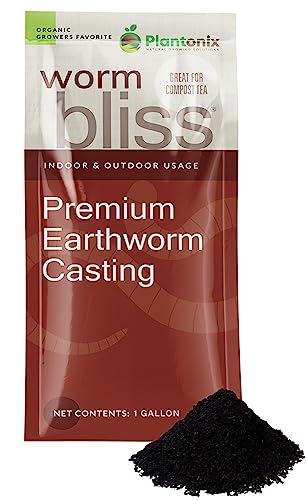
Worm Bliss Worm Castings 1 Gallon

The Andersons Dirt Booster Plus 20 lb

Ribbon Organics OMRI Certified Compost 7.9 Gallons

Old Potters Organic Compost 24 Quarts

Coast of Maine Organic Planting Soil 20 Qt

R&M Organics Compost Soil Amendment 10 lb

Mountain Valley Seed Earth Worm Castings .13 Cubic Foot
Worm castings like this fit neatly into grass-seed prep because they’re gentle and easy to blend into the top layer. The 5-pound bag suits small repairs, bare spots along a walkway, or a backyard patch where you want a softer soil texture without hauling a giant sack.
Compared with the heavier compost bags below, this one feels more like a fine amendment than a full soil replacement, which is useful around fresh seed. The honest trade-off is coverage, since a compact bag makes sense for spot work more than full-lawn spreading.
What We Like
- Fine texture works well around tender seed beds
- Easy to mix into topsoil or a starter blend
- Compact bag stores neatly in a garage shelf
- Good fit for small repairs and overseeding zones
Things To Consider
- Smaller fill size means less coverage for broad lawns
- Pure castings can feel narrow in scope for heavy soil fixes
- Works best as an amendment, not a full base layer
Feature Snapshot
Who It Suits Best
You’re the right fit for small-yard reseeding, balcony planters, or a few thin spots along a lawn edge.
Where A Sibling Pick Shines
The Andersons Dirt Booster Plus All-Natural Super Compost Starter and Soil Amendment fits you better for a broader overseed where starter coverage matters more than a compact bag.
This one stands out for gardeners who want worm castings in a larger everyday format. The gallon size makes sense for seed-starting trays, potting benches, and lawn touch-ups where you plan to blend a little organic matter into the top inch rather than rebuild the whole bed.
Relative to Back to the Roots Worm Castings 5 lb, you get a more substantial supply for repeated use around the yard. The trade-off is simple, since a larger container takes more storage space and suits regular use better than one-off repairs.
Highlights
- Larger format supports repeat seed prep
- Good match for potting soil blends and starter mixes
- Fits gardeners who spread amendments in small batches
- OMRI-listed status will matter to organic-focused shoppers
Small Caveats
- Bulkier container needs more shelf room
- Better for blending than for straight spreading
- May feel like more product than a tiny patch needs
Core Details
Made For
You’ll get the most value from this size when you work on seed trays, transplant pots, or a series of small lawn fixes.
Another Choice May Suit
R&M Organics Compost Soil Amendment Fertilizer for Garden Plants & Lawns fits better for gardeners who want a manure-based compost with a lawn-friendly moisture angle.
This pick leans into starter work, which makes it easy to place around fresh grass seed. A 20-pound bag sits in a useful middle ground, large enough for a meaningful lawn project but still manageable for a weekend spreader session.
Compared with the worm castings above, Dirt Booster Plus feels more like a lawn-prep helper than a small-dose soil additive. The honest read is that it suits people who want a straightforward compost starter rather than a delicate amendment for tiny containers.
Upsides
- Starter-focused formula matches grass-seed prep well
- Mid-size bag works for more than a patch repair
- Useful for loosening up tired soil before overseeding
- Easy to think through for weekend lawn work
Points To Note
- Heavier bag takes more effort to move and store
- Best used as part of a full prep routine
- Less specialized than the worm castings for delicate mixes
Details At A Glance
Best Suited To
You’re in the right place for overseeding, lawn repair, and soil refresh work where you want a compost starter with some substance.
Look Elsewhere When
Back to the Roots Worm Castings 5 lb is the easier reach for a few bare spots, since it’s lighter and simpler to store.
This bag is built for broader compost coverage, which is useful when you’re treating a larger stretch of lawn seed. The 7.9-gallon size and 32 to 35 pound range make it feel more like a serious garden load than a casual top-up, so it suits bigger projects and fewer trips back to storage.
Unlike the smaller worm castings picks, this one leans toward mass and spreadability rather than fine amendment work. That can be a plus on open ground, though you’ll want room for handling and a plan for cleanup after spreading.
Reasons To Buy
- Large bag covers a wider patch of soil
- OMRI certification will matter in organic-minded gardens
- Solid fit for lawn prep plus general composting tasks
- Good option when you want one bag to do more work
Areas To Watch
- Bulk and weight make it less handy for tiny jobs
- Storage space matters more than with the smaller picks
- Less convenient to carry up steps or across long yards
Quick Facts
Whose Shelf It Belongs On
You’ll appreciate this most for larger lawn prep jobs where a substantial compost bag is easier than stacking several small ones.
Swap It Out When
Old Potters Organic Compost 24 Quarts makes more sense for smaller raised-bed work or tighter storage space.
Plant-based compost tends to make sense where you want a lighter, soil-building mix for seedlings and lawn repairs. This 24-quart format fits raised beds, smaller garden runs, and container setups where you need compost that spreads without taking over the whole bed.
Compared with Ribbon Organics OMRI Certified Compost 7.9 Gallons, this one is easier to store and move around tight spaces. The trade-off is plain, since the smaller volume works better for focused projects than for large turf jobs.
Positives
- Plant-based blend suits soil-building tasks
- Handy size for raised beds and containers
- Good fit for gardeners with limited storage room
- Works across indoor and outdoor growing setups
Worth Noting
- Smaller format won’t stretch across a large lawn
- Better for blending than for heavy topdressing
- Loose bag size may feel modest for broad renovation work
Spec Overview
The Right Fit
This suits you best for seed-starting trays, small raised beds, or container work where you want a compost that’s easy to store and mix.
Reach For A Different Pick When
Coast of Maine Organic Planting Soil 20 Qt fits better for gardeners who want a moisture-aware planting soil with more defined drainage support.
This is less of a straight compost and more of a planting soil built around composted manure and sphagnum peat moss. That mix matters around grass seed because it can support moisture balance in containers, garden rows, and smaller bed sections where plain compost feels too loose.
Compared with Old Potters Organic Compost 24 Quarts, this one pushes harder toward planting-soil behavior and drainage. The honest caveat is that it’s a better match for mixed planting jobs than for very large turf topdressing, so the right use case really matters.
Best Bits
- Composted manure adds a richer soil structure
- Sphagnum peat moss helps with moisture balance
- Useful in both containers and ground planting
- Good choice for targeted seed and transplant work
Room For Improvement
- Smaller 20-quart bag suits focused projects more than big lawns
- Feels more specialized than a plain compost bag
- May be more soil than some simple overseeding jobs need
Technical Sheet
Perfect Match For
You’ll like this for containers, garden rows, and seed work where drainage and moisture balance matter more than sheer bag size.
Where Shoppers Go Wrong
R&M Organics Compost Soil Amendment Fertilizer for Garden Plants & Lawns is the simpler match for broad lawn use, since it leans less into a specialized planting-soil blend.
This compost amendment sits in a very workable middle lane for lawns, beds, and mixed garden spaces. The manure-based formula and moisture-holding angle make it easy to imagine under fresh seed, especially where soil dries out fast after a light rain.
Compared with Coast of Maine Organic Planting Soil 20 Qt, this one leans more toward a broad soil amendment than a container-style planting mix. You may find it especially useful around beds and turf edges where you want compost behavior without a fancy blend.
Bright Spots
- Moisture retention helps support drying soil
- Low-odor profile is friendlier for close-in yard work
- Works across vegetables, flowers, herbs, and lawns
- 10-pound bag keeps handling simple
Minor Gripes
- Not as specialized as a dedicated seed-starting mix
- Smaller bag may not cover a broad renovation
- Best paired with a clear spreading plan
Feature Card
Built With In Mind
You’re a strong match here for routine lawn refreshes, border beds, and vegetable spaces where a moisture-aware amendment makes sense.
Skip It When
Ribbon Organics OMRI Certified Compost 7.9 Gallons fits better for larger ground coverage and a heavier compost load.
Small-batch worm castings can be exactly right for a careful grass-seed routine, especially around patches or starter trays. The .13 cubic foot size, roughly 6 pounds, keeps the package manageable and makes spot feeding feel less like a storage project.
Compared with R&M Organics Compost Soil Amendment Fertilizer for Garden Plants & Lawns, this is more of a concentrated amendment than a general compost spread. The trade-off is coverage, since you get convenience and precision instead of broad area volume.
Reasons To Buy
- Compact size suits small seed jobs
- Easy to stash on a shelf or in a potting area
- Useful for greenhouse work and garden maintenance
- Good for mixing into small starter batches
Softer Spots
- Not built for wide turf coverage
- Small size means more packages for larger projects
- Best used where precision matters more than volume
Core Details
Who Should Grab It
This fits you best for tiny reseeding spots, greenhouse trays, or a careful seed-starting routine that calls for small amounts.
A Better Fit Elsewhere
The Andersons Dirt Booster Plus All-Natural Super Compost Starter and Soil Amendment suits broader yard work better, since it brings a larger bag to the table.
How To Choose The Right Composts For Grass Seed
Match The Blend To The Job
Grass seed wants a surface that holds moisture without turning heavy and sealed. Worm castings work well for smaller spots because they’re fine-textured and easy to mix, while broader compost bags help when you need to cover more ground before seeding.
The key question is whether you’re feeding a patch, a bed edge, or a bigger lawn section. A concentrated amendment can be perfect for a few bare areas, but a larger compost bag makes more sense for overseeding a wider run.
Think About Bag Size And Storage
Bag size matters more than it first looks. A compact 5-pound or 6-pound option slides onto a shelf and suits spot repairs, while 20-pound and larger bags are better for weekend projects and can be awkward in a cramped shed.
Storage also affects freshness in the practical sense of convenience, because a bag you can reach and reseal is easier to use well. For many homeowners, the right fit is the one that matches yard size and the path from storage to lawn.
Look At Soil Behavior, Not Just The Label
Some picks here are true composts, while others are planting soils or compost amendments. That difference matters because a planting soil with peat moss or composted manure can hold water and structure differently than straight worm castings.
For grass seed, that means you’re choosing between a gentle topdress, a soil-building amendment, or a broader planting mix. The better option depends on whether your soil already feels workable or needs more help with texture and moisture balance.
Choose For Your Yard, Not The Largest Bag
A small side yard, a few thin spots, or a raised-bed lawn patch usually calls for precision. A larger open lawn asks for coverage and easier spreading, even if the compost is less specialized.
That’s why the shortlist mixes compact castings, mid-size amendments, and heavier compost bags. The right one is the one that fits your space, your storage, and how much effort you want to spend before the seed even goes down.
What To Weigh Before You Order
Mistakes Worth Dodging
One common slip is treating every compost like the same thing. Worm castings, planting soil, and compost amendment each play a different role, so the label alone can send you toward a bag that’s too specialized or too broad.
Another is grabbing a large bag for a tiny repair job. That usually leaves you with extra material to store, lift, and move later, which is a chore nobody asked for.
The Upgrade Payoff
Higher-tier composts often cost more because the mix is more specific, the bag is larger, or the ingredients are better aligned with controlled planting. In this category, that can mean better moisture balance, a cleaner blend for seed-starting, or less guesswork in a mixed garden bed.
Pay up when you’re working on a larger lawn section, a recurring seed-start routine, or a bed where soil texture really matters. For tiny touch-ups, a simpler bag usually does the job without extra bulk.
Frequently Asked Questions
Can Compost Help Grass Seed Take Root?
Compost can improve the top layer around seed by giving it a softer, more workable texture. It also helps the surface hold moisture more evenly.
Are Worm Castings Enough On Their Own?
Worm castings work best as an amendment, not as the whole growing base. You’ll usually get better results mixing them with topsoil or another planting medium.
Which Pick Fits A Small Lawn Repair Best?
Back to the Roots Worm Castings 5 lb and Mountain Valley Seed Earth Worm Castings .13 Cubic Foot both make sense for small patches. They’re easier to handle than the larger bags.
What Works Better For Larger Overseeding Jobs?
The Andersons Dirt Booster Plus 20 lb and Ribbon Organics OMRI Certified Compost 7.9 Gallons suit broader coverage. Their larger sizes make repeated spreading more practical.
Should You Use Compost Or Planting Soil For Seed?
Compost supports soil structure, while planting soil brings a more complete mix. For grass seed, the better choice depends on whether you need a light amendment or a fuller bed-prep blend.