Thatch can choke a lawn slowly, which is why the right dethatcher matters more than it first seems. Some yards need a simple steel rake, while others need a powered scarifier that pulls up felted grass, loosens surface buildup, and leaves the soil breathing again. You get the best match by choosing for yard size, arm effort, and how much cleanup you want after the job.
The Shortlist At A Glance

Walensee Thatch Rake for Lawn with Adjustable Handle

WEN 15-Inch 13-Amp 2-in-1 Electric Dethatcher (DT1315)

BlumeTrec Thatch Rake for Lawn with 74inch Handle

Westinghouse 16 15-Amp 2-in-1 Electric Dethatcher
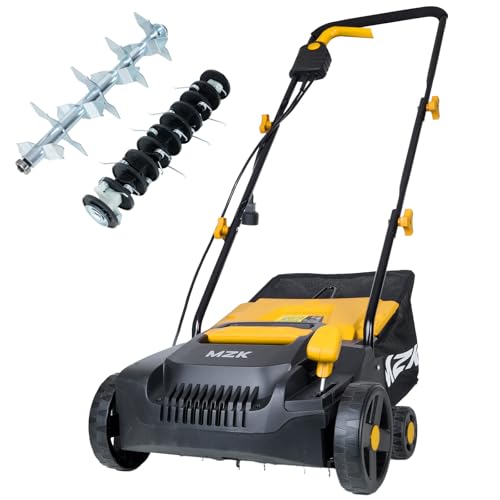
MZK 13-Inch Electric Dethatcher Scarifier, 13-Amp
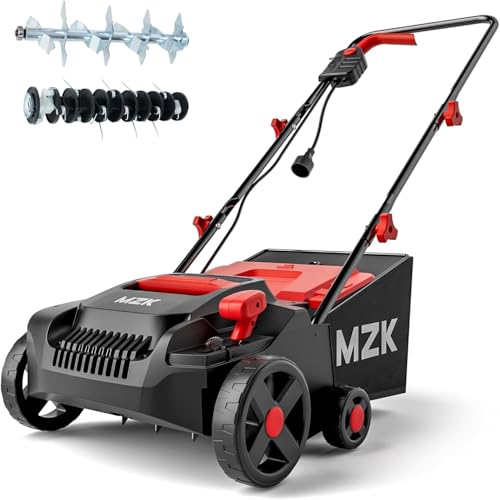
MZK 15-Inch Lawn Dethatcher, Electric Scarifier with Bag

Danero Cordless Lawn Dethatcher and Scarifier Compatible with Dewalt 20V Battery

EWORK Electric Dethatcher and Scarifier 14-Inch 12 Amp
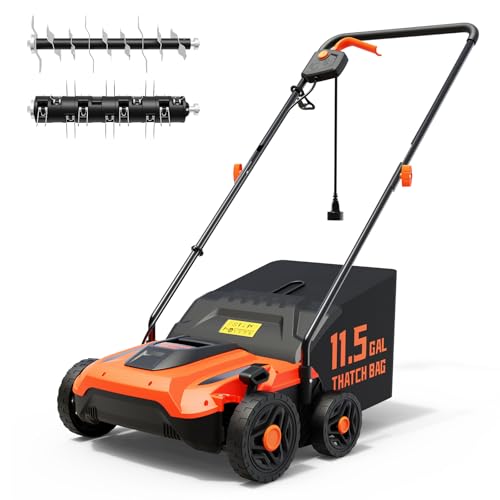
TIECTOWN 14-Inch 13.5 Amp 2-in-1 Electric Dethatcher and Scarifier, Orange

TIECTOWN 14-Inch 13.5 Amp 2-in-1 Electric Dethatcher and Scarifier, Green
More Details On Our Top Picks
For a small yard or a spot treatment job, a steel thatch rake still makes sense. The adjustable handle helps you match reach to your height, and that matters more than it sounds like once you’re moving over the lawn in steady passes.
Compared with the powered picks later in this list, this one keeps the job quieter and more deliberate. The trade-off is plain, you supply the muscle, so it suits you best when the lawn needs light-to-moderate cleanup rather than a full seasonal overhaul.
Strong Points
- Steel construction suits regular outdoor use and gives you a firmer feel than many light-duty rakes.
- The adjustable handle helps reduce awkward bending during longer passes across the yard.
- Manual control makes it easier to work around borders, beds, and corners.
- No cord or battery keeps storage simple and keeps setup fast for quick touch-ups.
Things To Consider
- Arm effort rises fast on thick thatch, so bigger lawns can feel tiring.
- Cleanup is a separate step, since loosened material stays on the ground until you collect it.
- The steel build is solid, but it still benefits from basic drying and storage care after use.
Feature Snapshot
Who It Suits Best
Weekend gardeners with smaller lawns or patchy thatch buildup get the most from this style of tool.
A Better Fit Elsewhere
WEN’s DT1315 suits you better when you want powered cleanup for a mid-size lawn and less manual strain.
The 15-inch working width gives this WEN model a quicker rhythm across open stretches, and the 13-amp motor points it toward more demanding yard cleanup than a hand rake can cover. The included 12-gallon bag matters in real use, because less stopping means less time dragging debris around the lawn.
That setup feels especially useful for a suburban yard with enough square footage to make manual raking feel endless. The honest read is that it asks for storage space and a power outlet, so compact sheds and awkward cord routes can make the day a little less smooth.
Highlights
- 2-in-1 design handles dethatching and scarifying, so you can tackle surface buildup and heavier grooming with one tool.
- 15-inch width covers ground faster than the smaller hand tools in this roundup.
- 12-gallon collection bag reduces trips to empty debris during a typical pass.
- The electric setup avoids fuel handling and keeps routine start-up simple.
- It fits well for homeowners who want a stronger step up from manual rakes.
Worth Noting
- It needs a power connection, so cord handling becomes part of the job.
- Bulkier storage is the trade-off for that wider deck and larger collection bag.
- Like most electric yard tools, it rewards keeping the cord clear of the work path.
Core Details
Right Fit For
Homeowners with medium lawns and a nearby outlet will get the most practical value from this setup.
Look Elsewhere When
Walensee’s adjustable-handled rake suits you better for tiny lawns, tight corners, or low-noise work near patios.
This BlumeTrec rake leans into reach, with a 74-inch handle that helps you stay upright while you work. For longer sessions around a fence line or a broader patch of grass, that extra length can make the motion feel less cramped than shorter hand tools.
It sits close to the Walensee rake in purpose, but the longer handle gives it a different feel for taller users or anyone who dislikes hunching. The trade-off is the usual one for manual tools, you still need patience and energy, especially once the thatch layer gets thick.
Best Bits
- 74-inch handle gives you more reach and can reduce stooping during cleanup.
- 15-inch rake head covers a decent path for a hand tool.
- Steel construction should hold up well to regular outdoor use.
- Good match for spot work along edges, beds, and narrower lawn sections.
Small Caveats
- Manual raking still takes time, especially on dense thatch.
- Longer storage space may be needed than with shorter-handled yard tools.
- Loose grass still needs to be gathered afterward, so cleanup is a separate chore.
Details At A Glance
Who Will Love This
You’ll appreciate this rake most in a medium yard where reach and comfort matter more than speed.
Swap It Out When
MZK’s 13-inch electric dethatcher makes more sense for homeowners who want less physical effort and a built-in collection bag.
A 16-inch deck makes this Westinghouse model feel built for covering ground with fewer passes, and the 15-amp motor pushes it toward the heavier end of the electric group here. That combination suits large lawns where the job is less about finesse and more about clearing space efficiently.
Compared with the WEN machine, this one offers a broader cutting path, which can help on open turf, but it still asks for cord management and storage room. For most backyards, that’s a fair bargain, though small sheds and narrow side yards may feel the difference right away.
Bright Spots
- 16-inch width helps you cover larger sections quickly.
- 15-amp power gives it a serious feel for tougher lawn buildup.
- The 2-in-1 format handles both dethatching and scarifying tasks.
- Collection bag support keeps debris handling more organized than hand raking.
Areas To Watch
- The wider deck can feel less handy in tight passages or narrow storage spots.
- Electric setup means you still need to manage a cord carefully.
- Assembly and seasonal cleaning are part of owning any powered yard tool.
Technical Sheet
Built With In Mind
This suits homeowners with larger grass areas who want a more forceful pass without moving up to gas equipment.
Where A Sibling Pick Shines
WEN’s DT1315 is the gentler fit for mid-size lawns where a 15-inch deck feels easier to store and steer.
At 13 inches, this MZK model is the most space-friendly powered pick in the group so far. That narrower footprint helps in smaller yards, and the 8-gallon bag gives you a place to collect debris without dragging a separate catcher behind the job.
The 4 height settings add a useful bit of control, especially for lawns that need a lighter pass in spring and a deeper touch later in the season. The trade-off is coverage speed, because a narrower deck takes more passes across the same ground than the 15- or 16-inch options.
Upsides
- 13-inch width keeps the machine nimble in tighter lawn sections.
- 4 height settings help you tune the touch to lawn condition.
- 8-gallon bag supports cleaner collection during routine maintenance.
- 2-in-1 design gives you both dethatching and scarifying in one unit.
Points To Note
- Smaller width means more passes on broader lawns.
- The bag will need emptying during bigger cleanup sessions.
- Powered tools reward basic cord care and seasonal storage planning.
Spec Overview
Made For
Small to mid-size yards and homeowners who want a lighter, easier-to-store powered machine fit this model well.
Another Choice May Suit
MZK’s 15-inch dethatcher works better for you when faster coverage matters more than compact handling.
This MZK version stretches to a 15-inch path, so it covers ground faster than the 13-inch sibling just above it. The adjustable height and 8-gallon bag round out a package that feels aimed at routine yard upkeep rather than heavy rehab work.
For a lawn that gets regular seasonal attention, that balance can be exactly right. The honest trade-off is that the wider deck is less nimble around narrow borders, so tight side yards may still call for a hand tool like the Walensee rake.
Standout Traits
- 15-inch width gives you better coverage than compact models.
- Adjustable height helps you tune the pass to lawn condition.
- 8-gallon bag keeps debris handling more orderly.
- Good middle ground for homeowners who want speed without a huge machine.
Softer Spots
- It asks for a bit more storage room than the 13-inch MZK model.
- The bag size is useful, but larger lawns will still need emptying breaks.
- Powered lawn tools like this work best with basic cleaning after use.
Feature Rundown
The Right Fit
You’ll like this best for a medium lawn that gets steady care through the season.
Reach For A Different Pick When
Westinghouse’s 16-inch dethatcher suits larger spaces better, where extra width matters more than compact handling.
Battery compatibility is the headline here, and that changes the feel of lawn cleanup right away. You’re not tied to a cord, which makes this Danero unit attractive for yards with obstacles, awkward corners, or stretch-out work along a driveway.
It also comes as tool only, so the purchase makes the most sense for someone already in the Dewalt 20V ecosystem or comfortable with a dual-battery setup. The flip side is simple, battery planning now becomes part of your workflow, so this is less plug-and-play than the corded machines above.
Reasons To Buy
- Cordless operation gives you more freedom around trees, beds, and fence lines.
- Brushless motor design usually points to efficient operation and lower routine wear.
- 15-inch width keeps the pass size competitive with several corded options.
- 12-gallon collection bag supports a cleaner cleanup routine.
- Five depth settings help you match the cut to different lawn conditions.
Room For Improvement
- Tool-only packaging means batteries and charger planning sit outside the purchase.
- Cordless convenience depends on battery runtime, so large jobs need some planning.
- Storage and charging habits matter more with any battery-driven yard tool.
Core Details
Who Should Grab It
Battery-system users and homeowners with awkward lawn layouts will benefit most from this cordless design.
Skip It When
WEN’s DT1315 is the more straightforward choice for long, uninterrupted sessions where corded power is fine.
Tool-free blade replacement is the detail that stands out here, because it reduces the fuss of routine maintenance and makes seasonal changes less annoying. The 14-inch deck and 12-amp motor keep it in the useful middle ground, wide enough for decent coverage, but still less bulky than the 15- and 16-inch units.
That balance works well for homeowners who want a machine that feels more adaptable than the bare-bones rake options. The 9.2-gallon collection bag helps too, though the bag size still asks for periodic emptying on larger lawns.
Plus Points
- Tool-free blade changes make upkeep quicker and less fiddly.
- 14-inch width gives you a practical middle ground for coverage.
- 12-amp motor offers solid electric drive for standard yard tasks.
- 2-in-1 design supports both dethatching and aerator-style grooming.
- 9.2-gallon bag helps keep debris collection under control.
Minor Gripes
- The bag is useful, but larger areas will still need emptying breaks.
- It doesn’t feel as nimble as the 13-inch MZK in tight beds or narrow side yards.
- Seasonal cleaning still matters, especially around the blade area and bag path.
Quick Facts
Perfect Match For
This is a smart fit for homeowners who want one machine that handles routine cleanup without feeling oversized.
Not Your Match When
Danero’s cordless model fits better for battery users who care more about mobility than plug-in simplicity.
The orange TIECTOWN model focuses on control, with five depth positions and a tool-free blade setup that make it easier to tune the job from one season to the next. For detail-minded homeowners, that kind of adjustability can matter more than raw width alone.
Its 14-inch working path keeps it manageable, and the 11.5-gallon bag gives you a decent place to collect loosened material without making the tool feel oversized. Compared with the green version next, the hardware story stays the same, so the real difference here is the finish and personal preference.
Standout Traits
- Five depth positions help you match the pass to lawn condition.
- Tool-free blade replacement makes upkeep more convenient.
- 14-inch width keeps the machine workable without feeling tiny.
- 11.5-gallon bag handles a respectable amount of debris.
Worth Noting
- The width is practical, but larger lawns still take time.
- Seasonal cleanup around the blades and housing remains part of ownership.
- It has the same core footprint as the green version, so color is the main difference.
Feature Card
Whose Shelf It Belongs On
This suits homeowners who want a configurable electric machine with enough capacity for regular seasonal cleanup.
Another Choice May Suit
The green TIECTOWN model is the easier pick for anyone who wants the same setup in a different finish.
This green TIECTOWN is the same machine profile as the orange version, just with a different finish. That makes it a tidy choice for someone who wants the same 14-inch, 13.5-amp layout and prefers a calmer look in the garage.
Because the specs mirror Item 9, the decision here is mostly about visual preference and how you want the tool to sit among your lawn gear. In practical terms, that still gives you adjustable depth, tool-free blade changes, and a 11.5-gallon bag for routine cleanup.
Bright Spots
- Same 14-inch, 13.5-amp setup as the orange version.
- Five depth positions help you fine-tune the pass.
- Tool-free blade replacement keeps upkeep straightforward.
- 11.5-gallon collection bag supports cleaner yard work.
Things To Consider
- The footprint is sensible, but it still suits routine care more than major lawn rehab.
- Since it matches Item 9 closely, your choice here is mostly finish preference.
- Like the other electric machines, storage and cleaning stay part of normal ownership.
Feature Rundown
The Right Fit
This is a clean match for homeowners who want the TIECTOWN setup and like a greener finish in the shed.
A Better Fit Elsewhere
The orange TIECTOWN version suits you better only when you want the same machine with a brighter color scheme.
How To Choose The Right Dethatchers For Lawn
Match The Tool To Lawn Size
Small lawns usually do fine with a hand rake, especially when the thatch sits in patches rather than across the whole yard. Once the grass area grows or the buildup spreads, a powered dethatcher saves time and spares your arms.
Working width matters more than many shoppers expect. A 13-inch deck steers easily in tight spaces, while 15-inch and 16-inch machines cover more ground with each pass, which pays off on open turf.
Look Closely At Power And Control
For electric models, amperage tells you something about the motor’s ability to keep moving through tougher material. A 13-amp unit fits routine maintenance well, while 15 amps suits larger or denser jobs better.
Depth adjustment is equally important, because lawn conditions change through the season. More positions give you finer control, so you can keep the pass light on newer turf and a bit firmer on matted sections.
Think About Cleanup And Storage
A collection bag is more than a convenience, it cuts down on the second job of hauling debris across the yard. Larger bags help on bigger lawns, though they also add bulk and weight to the machine.
Storage space matters too. Manual rakes hang easily in a shed, while powered units ask for more room, cord management, and a little more care after use.
Choose Around Your Work Style
Battery-powered options suit you when the yard has awkward corners or you dislike cord handling. Corded machines make more sense for steady, uninterrupted sessions near an outlet.
Manual rakes stay relevant for spot fixes, narrow borders, and homeowners who want quiet, low-complexity cleanup. The right choice comes down to how much yard you need to cover and how much effort you want to put in.
What To Weigh Before You Click
Hidden Buying Traps
Many people chase width alone and overlook handling. A wider deck can help on open lawns, but it feels clumsy in cramped side yards or around beds and steps.
Another common miss is ignoring the cleanup phase. A bag, collection plan, or nearby compost pile makes the work feel much more manageable once the thatch is up.
The Upgrade Payoff
Higher-tier dethatchers usually cost more because they give you stronger motors, wider working paths, better depth control, and more convenient cleanup. That extra spend shows up in reduced passes, less strain, and a smoother seasonal routine.
The upgrade makes sense for larger lawns, heavier buildup, or anyone who plans to dethatch more than once a year. For a small yard with light buildup, a simpler rake can still be the smarter use of money.
Frequently Asked Questions
How often should you dethatch a lawn?
Most lawns only need dethatching occasionally, not every month. The right timing depends on how fast thatch builds in your grass type and climate.
Is a manual rake enough for small yards?
Yes, a manual rake can be enough for a compact yard with light buildup. It becomes less practical once the area gets larger or the thatch layer is thick.
What does a scarifier do differently?
A scarifier cuts more aggressively into surface buildup than a basic rake. That extra reach helps with thicker mats, but it also asks more from the machine and from the lawn.
Do collection bags really help?
They help a lot with cleanup because loosened debris goes straight into the bag instead of back onto the lawn. Bigger bags reduce emptying stops, though they also add bulk.
Should you choose corded or cordless?
Corded models suit longer sessions near an outlet and remove battery planning from the equation. Cordless models fit awkward yards better and feel easier to move around obstacles.