

Drip irrigation emitters make a big difference when you want water placed where roots can use it, not sprayed across paths, mulch, or siding. For patios, flowerbeds, pots, and mixed garden zones, the right emitter can keep routines steadier and cut down on constant hand watering.
This roundup focuses on adjustability, flow control, stake style, and fit with 1/4-inch tubing, so you can match the part to your space without guesswork. You’ll also see where a simpler fixed-flow design makes more sense than a more adjustable head.
The Shortlist At A Glance

Kalolary 200Pcs Adjustable Drip Irrigation Emitters 1/4Inch

HUISUYTON 30 Pcs Drip Irrigation Sprayer Emitter for 1/4 Irrigation Tubing

MIXC 60pcs Quick-Connect Drip Irrigation Emitters Fan Shape for 1/4 Drip

60pcs Drip Irrigation Emitters Irrigation Drippers Adjustbale Drip Emitters

Topiverse Drip Irrigation Emitters Circle Spray 0-20 GPH

Mudder 60 Pcs Flag Drip Emitters for Drip Irrigation 3 Sizes 1 2 4 GPH
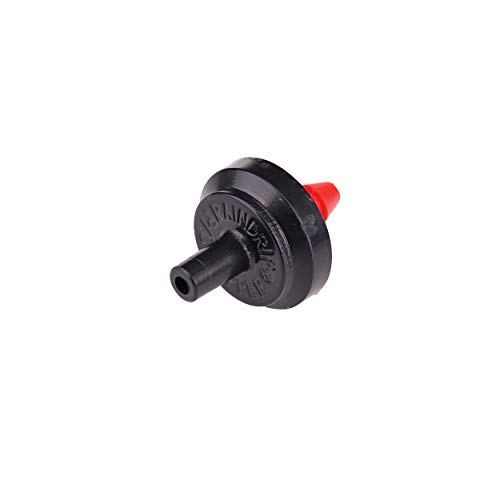
Raindrip PC2010B 1/2 GPH Pressure Compensating Drippers

Topiverse Drip Irrigation Emitters Irrigation Drippers 0-18 GPH

Rain Bird DRIPKITBAG Drip Irrigation Repair and Expansion Kit
More Details On Our Top Picks
That 360-degree adjustment makes this Kalolary set useful in mixed beds where one plant needs a wider mist and the next needs a tighter stream. The 8-hole head, plus the self-flushing design, points toward fewer clogging headaches than very narrow emitters, which is handy in a yard with mineral-heavy water or fine sediment.
The 1/4-inch barb connection works with 4mm to 7mm tubing, so it fits many compact drip layouts without a pile of adapters. You may find the warm-water fitting step a little fussy at first, but it also helps the connection bite down securely once the tubing cools.
Strong Points
- Adjustable spray gives you useful range in one head.
- Eight outlets help spread water across a small planting zone.
- Self-flushing flow paths make upkeep feel less annoying.
- The 1/4-inch barb suits common micro irrigation tubing.
- Two dozen-plus pieces in the pack suit larger layouts and spare parts.
Things To Consider
- The connection step needs a little heat-assisted prep, which slows setup.
- The adjustable head invites hands-on tuning, so it is less set-and-forget than fixed emitters.
- Very loose tubing can make the first install feel awkward.
Feature Snapshot
Who It Suits Best
You benefit most here when you want a large supply of adjustable emitters for a patio, flower strip, or mixed vegetable bed.
A Better Fit Elsewhere
Raindrip PC2010B 1/2 GPH Pressure Compensating Drippers suit you better when steady flow matters more than spray adjustability.
This HUISUYTON set leans into stake-mounted convenience, and that matters in flowerbeds where loose sprinkler heads tend to shift around. The double-lock barbed connection is the sort of detail that helps the tubing stay put once the layout is in place, especially along a border that gets brushed by feet or garden tools.
Compared with the Kalolary pack, this one is more about tidy positioning than sheer quantity. The 6.5-inch stake gives you a little lift above mulch, so the spray can sit where it belongs instead of getting swallowed by soil splash.
What We Like
- Stake mounting keeps the emitter easier to place and reposition.
- 360-degree adjustment helps you direct water around nearby foliage.
- Double-lock barbs add welcome grip at the tubing joint.
- The 30-piece count fits smaller beds or spot upgrades.
Worth Noting
- Smaller pack size means fewer extras for future extensions.
- Stake-mounted parts need a bit more room than low-profile drippers.
- Wide placement can look busy in very narrow planters.
Details At A Glance
Who Will Love This
You get the most from this set in beds, borders, and flower patches where a raised emitter keeps watering cleaner.
Swap It Out When
MIXC 60pcs Quick-Connect Drip Irrigation Emitters suit you better when faster installation and a larger pack matter more than stake height.
Quick-connect fittings are the main story here, and they make this MIXC set appealing for anyone building or revising a drip layout in stages. The fan-shaped output suits rows of seedlings, shallow-rooted herbs, or narrow planting strips where you want spread without a hard jet.
Because the emitter rides on a 5.5-inch stake, it stays visible and easy to move around compared with low-profile heads like the Kalolary set. That extra height can help in mulch-heavy beds, though it also means you need a little more clearance around the planting area.
Highlights
- Push-to-connect setup speeds up assembly and changes.
- Fan-style output suits narrow rows and grouped plants.
- The 60-piece count gives you room for expansion.
- Stake mounting keeps the head above ground cover.
- Useful for gardeners who revise lines often.
Areas To Watch
- The stake format takes more space than compact inline emitters.
- Push fittings still need careful tube sizing for a snug fit.
- The fan pattern may feel broader than some potted setups need.
Core Details
Made For
You fit this set well when you want faster setup across a larger drip zone and prefer a visible stake-mounted head.
Look Elsewhere When
Raindrip PC2010B 1/2 GPH Pressure Compensating Drippers suit you better for long, even runs where stable output matters more than quick-connect convenience.
Romanend keeps the pitch straightforward here, and that can be a good thing in a mixed home garden. You get adjustable 360-degree heads, so the same packet can handle a patch of flowers one day and a row of vegetables the next without changing out the whole line.
Compared with the more specialized Topiverse circle-spray models, this one reads as a simpler all-around choice. It is the kind of set that makes sense in a backyard where you want a dependable part without getting pulled into too many controls.
Upsides
- Adjustable heads help adapt one pack to multiple bed shapes.
- Sixty pieces make it easy to cover a broader layout.
- Works well in gardens where you want a basic, flexible part.
- Good fit for routine replacements and spare inventory.
Minor Gripes
- The product name suggests adjustment, but the layout is still fairly plain.
- Broad-use parts can feel less tailored than a pressure-compensating option.
- Very dense planting beds may want a more specialized head shape.
Spec Overview
The Right Fit
You suit this pick best when you want a straightforward emitter set for everyday garden watering without extra complexity.
Where A Sibling Pick Shines
Topiverse Drip Irrigation Emitters 0-20 GPH suit you better if you want a wider flow range and more exact control.
This Topiverse version stands out for its very wide flow window, which makes it useful in gardens where plant sizes vary a lot. The circle spray pattern suits round pots, patio planters, and bed corners that need more even coverage than a narrow jet.
Compared with the Romanend pack, this one feels more tunable and a little more exact about how much water each point gets. The trade-off is that the broader range asks you to spend more time dialing in each emitter, which is fine for a careful layout but less ideal for a quick fill-in job.
Bright Spots
- The 0-20 GPH range offers a lot of room for adjustment.
- Circle spray suits round containers and wider planting pockets.
- The 30 PSI limit gives you a clear operating target.
- Stake support keeps the head positioned above the soil line.
Small Caveats
- More adjustability means more time spent balancing each zone.
- The flow range can feel excessive for very small pots.
- It asks for a bit more setup discipline than a fixed dripper.
At A Glance
Whose Shelf It Belongs On
You suit this model best when your patio or garden has different plant types that need noticeably different flow settings.
A Better Fit Elsewhere
Mudder 60 Pcs Flag Drip Emitters fit you better when you want flow-rate sorting at a glance instead of a broad adjustment range.
Mudder takes a different route from the adjustable spray heads above by sorting flow into three set outputs. That can be refreshing in a yard full of trees, shrubs, and pots, where you want each zone matched to a known watering level instead of tweaking a dial every time.
The color-coded flags make it easier to tell the sizes apart during install and later maintenance, which is useful once a line gets crowded. It feels especially practical for growers who prefer a tidy visual system over a more free-form emitter like the Topiverse circle spray models.
Best Bits
- Three flow sizes make zone matching more straightforward.
- Color cues help separate emitter types during setup.
- Flag style can be easier to see in planted beds.
- The pack works well for trees, shrubs, and containers.
- Stake-like insertion makes placement simple.
Honest Caveats
- Fixed flow choices give you less tuning than adjustable heads.
- Visual coding helps, but it still takes some organization during install.
- Very small gardens may not need all three size options.
Feature Card
Best Suited To
You suit this set best when you water trees, shrubs, and pots in one system and want simple flow separation.
Another Choice May Suit
Kalolary 200Pcs Adjustable Drip Irrigation Emitters suit you better when one adjustable head is more useful than three fixed flow sizes.
Pressure-compensating emitters like this Raindrip set are built for steadier output along a line where pressure can change from one end to the other. That matters in longer garden runs, because the last plant in a bed should not be left thirstier than the first.
Compared with the adjustable packs earlier in the list, this one is less about hands-on tuning and more about consistency. The 10-pack also makes sense for smaller systems that need a focused, predictable set of drippers instead of a large box of extras.
What We Like
- Pressure compensation helps keep output steadier across a run.
- Fixed 1/2 GPH flow keeps watering simple and repeatable.
- The small pack size suits targeted repairs or short lines.
Points To Note
- Fixed flow leaves less room for on-the-spot adjustment.
- The smaller count is less convenient for large new installs.
- Very flexible layouts may prefer a more adjustable emitter head.
Quick Facts
Built With In Mind
You suit this model best when you care more about consistent line behavior than spray shape or broad adjustment.
Skip It When
Topiverse Drip Irrigation Emitters 0-18 GPH suit you better when you want a wider adjustable range for mixed planting zones.
This 25-piece Topiverse set is the more compact sibling to the 50-piece circle-spray version, so it suits smaller beds or a focused upgrade zone. The 0-18 GPH range gives you room to tune output more precisely than a fixed dripper, which is useful around mixed ornamentals or pots with different root mass.
The trade-off is the same one that comes with most highly adjustable heads, it asks for a little more attention during setup. For a greenhouse bench or a tidy patio layout, though, that extra control can feel worth the effort.
Reasons To Buy
- The broad flow range supports different plant demands.
- Smaller pack size suits targeted upgrades and repairs.
- Stake mounting helps keep the emitter easy to place.
- Works well for patios, planters, and compact beds.
Softer Spots
- The adjustability can take some tuning during first setup.
- A 25-piece kit may be light for larger garden grids.
- Very simple systems may not need this much control.
Technical Sheet
Who Should Grab It
You suit this pick best when you want a smaller adjustable emitter kit for detailed watering control.
Reach For A Different Pick When
Mudder 60 Pcs Flag Drip Emitters make more sense when you want distinct flow sizes instead of a wide adjustment span.
This Rain Bird kit serves a different job from the emitters above, because it is built for repairing and expanding an existing drip system. That makes it handy when a line needs fresh parts, a few missing pieces, or a cleaner route into a new bed.
For anyone who already has a drip layout and wants to keep it running smoothly, this kind of kit can save a lot of piecemeal searching. It is less about a single emitter style and more about keeping the whole setup tidy, which is exactly why it sits at the end of this roundup.
Positives
- Useful for both repairs and system growth.
- Helps you keep one irrigation layout organized.
- Good fit for maintenance work around an existing system.
Room For Improvement
- It is a support kit, so it does not replace a dedicated emitter pack.
- People starting from scratch may need more than a repair set.
Core Details
Right Fit For
You suit this kit best when you already have a drip system and want to keep it patched, extended, or reorganized.
Where Shoppers Go Wrong
Kalolary 200Pcs Adjustable Drip Irrigation Emitters suit you better when you need a true emitter pack rather than a repair-focused kit.
How To Choose The Right Drip Irrigation Emitters
Start With Plant Type And Bed Shape
Wide flower borders, mixed vegetable rows, and container clusters do not ask for the same emitter behavior. Adjustable heads suit mixed plantings because you can widen or narrow output, while fixed-flow drippers make more sense for repeatable zones like a hedge line or a row of shrubs.
Stake-mounted styles keep the spray above mulch and soil, which helps in beds that get disturbed by foot traffic or hand tools. Low-profile pieces fit tighter spaces better, so you need to match the physical shape of the emitter to the space around the plant crown.
Match Flow Style To Your Routine
GPH means gallons per hour, and that number tells you how much water an emitter is meant to pass. Lower fixed numbers suit steady, simple watering, while wider ranges like 0-18 or 0-20 GPH give you room to fine-tune the layout around thirsty and modest plants in the same area.
Pressure-compensating drippers help keep output steadier along longer runs, which matters when tubing length changes from one side of the bed to the other. That kind of consistency is useful in backyard systems where the far end of the line can otherwise feel a little less even.
Check The Connection Before You Commit
Most of these picks use 1/4-inch tubing, but the connection style still changes the install experience. Barb fittings tend to grip tightly once seated, quick-connect parts speed up assembly, and double-lock designs add an extra layer of hold for lines that get tugged around.
The honest read is that setup patience pays off here. A snug fit saves time later, while a loose joint can turn maintenance into a recurring annoyance, especially in a system you plan to leave in place through the season.
Think About Maintenance And Access
Emitter design affects how easy it is to clean, inspect, and replace parts later. Flag styles and visible stake heads are easy to spot during routine checks, while compact inline parts can look tidier but take more effort to trace once mulch covers the line.
Large packs help with repairs and future changes, but only useful extras count. Smaller packs fit focused layouts better, so the right choice depends on whether you are building a broad system or just filling a few exact spots.
A Quick Reality Check
Mistakes Worth Dodging
One common slip-up is choosing an emitter by flow number alone and forgetting the plant layout around it. A broad spray head can work well in a patio pot and still feel awkward in a skinny herb box.
Another easy miss is ignoring the tubing and connector type. A part can look right on the listing and still feel wrong in your hand once you try to fit it to the line you already have.
Where The Extra Money Goes
Higher-tier emitters usually spend the money on steadier flow control, more secure connections, or a design that’s easier to place and maintain. That can matter in longer runs, mixed beds, or systems that get adjusted often through the season.
More control is valuable, but only when you’ll use it. A simple fixed dripper can be the smarter choice for a small, stable bed, while a more adjustable part earns its keep in a layout that changes with the planting plan.
Frequently Asked Questions
Are Adjustable Drip Irrigation Emitters Better Than Fixed Ones?
Adjustable emitters give you more control in mixed planting areas. Fixed-flow drippers are easier to live with in a stable line that does not change much.
What Size Tubing Do Most Of These Emitters Fit?
Several of the picks here are made for 1/4-inch tubing. Some also specify barbed joins or fit ranges for small-diameter micro lines.
Do Stake-Mounted Emitters Make A Difference?
Stake-mounted heads help keep the spray above mulch and dirt. That can make the emitter easier to see, move, and clean around.
Why Would You Choose A Pressure-Compensating Dripper?
Pressure-compensating drippers are useful on longer lines where output can vary from one end to the other. They suit gardens that need steadier watering without constant adjustment.
Is A Large Pack Always The Better Choice?
Not always, because the right count depends on your layout size and how much spare hardware you want. A bigger pack helps with expansion, while a smaller pack can suit a focused repair or compact bed.
