

Watering trees well takes more than a quick hose pass, especially in dry stretches or busy yards where consistency slips fast. This roundup focuses on drip-style tree watering bags, deep-root tools, and full irrigation kits that help you match the right setup to your space, soil, and routine.
You’ll see compact options for single trees, larger bags for slow soak cycles, and multi-part systems for beds, greenhouses, and yard edges. The goal is simple, steady watering without turning your weekends into a chore.
Quick Look At The Shortlist
Highlight 15-Gallon Tree Watering Bag, 2-Pack
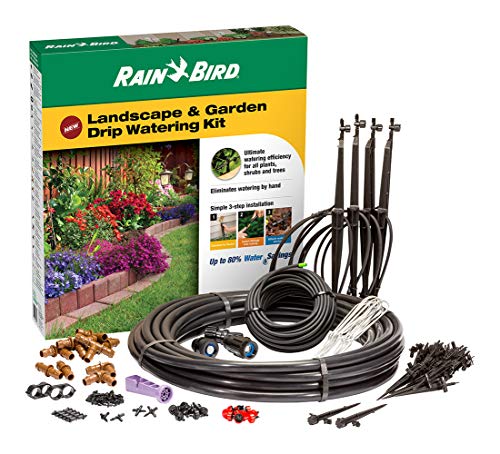
Rain Bird LNDDRIPKIT Drip Irrigation Kit
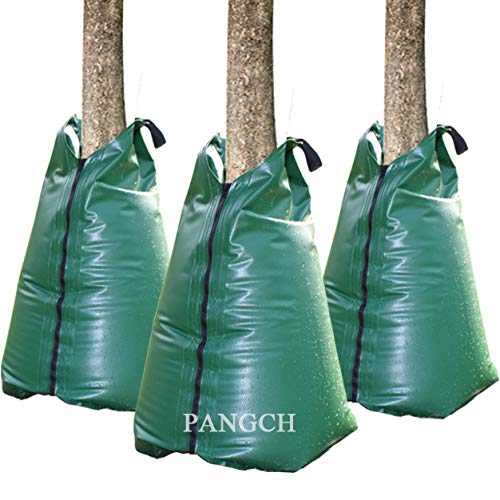
PANGCH 20-Gallon Tree Watering Bag, 3-Pack
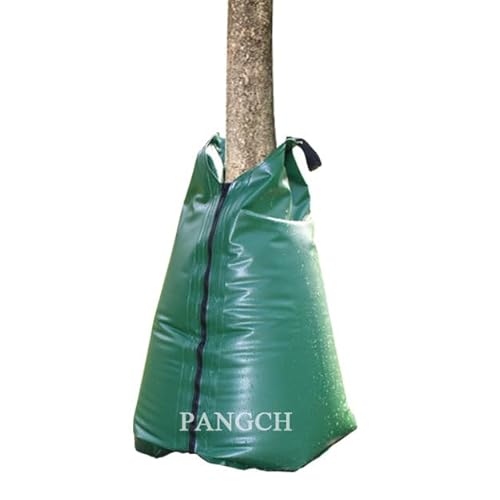
PANGCH 20-Gallon Tree Watering Bag, 1-Pack

Bonviee 230FT Quick Connect Drip Irrigation Kit

Thiswing 360° Adjustable Drip Irrigation System

Highlight 20-Gallon Deep Root Tree Watering Bag

enomol Stainless Steel Deep Root Tree Watering Tool

Romanend 60-Piece Adjustable Drip Irrigation Emitters

Abakuku 230FT Quick-Connect Drip Irrigation Kit
More Details On Our Top Picks
A 15-gallon watering bag fits the kind of tree care that needs patience more than fuss. The refillable PVC build also makes sense for yards where you want a simple deep-soak routine instead of dragging hoses around every few days.
Compared with the larger 20-gallon bags later in this list, this one lands in a more compact lane, so it suits smaller trunks and tighter planting spaces. The honest trade-off is capacity, since you may need to refill sooner for hotter stretches or thirstier soil.
Reasons To Buy
- Refillable design supports repeated use across seasons.
- 15-gallon capacity gives steady moisture near the roots.
- PVC construction helps it hold shape during regular setup.
- Works well for new saplings and shrubs with shallow roots.
Things To Consider
- Smaller capacity means more refilling during hot weather.
- The bag needs room around the trunk, so crowded beds can feel awkward.
Feature Snapshot
Who It Suits Best
Home gardeners caring for newly planted trees in modest-sized beds will get the most from this bag.
A Better Fit Elsewhere
PANGCH’s 20 Gallon Slow Release Tree Watering Bag, 3-Pack suits yards with several trees that need a larger-capacity routine.
This kit shifts from a single-tree bag to a more varied watering setup, so it fits yards with mixed planting needs. Drippers, micro-bubblers, and micro-sprays give you different water patterns, which matters when trees sit beside borders, planters, or wider landscape pockets.
For a homeowner who wants one box to handle several zones, the flexibility is the big draw. The trade-off is planning, because a multi-head kit asks for a more careful layout than the bag-style picks above.
What We Like
- Different emitter types help match water output to plant zones.
- Useful for mixed beds where trees share space with smaller plantings.
- More adaptable than a single-bag setup for shaped yards.
- Good fit for a planned irrigation layout, not just spot watering.
Points To Note
- Setup takes more thought than a standalone watering bag.
- Parts and connections need careful placement to avoid uneven coverage.
- Best results come from a yard plan rather than a quick install.
Core Details
Made For
Gardeners managing mixed landscape zones will get the most value from this kit.
Where A Sibling Pick Shines
Highlight’s 20 Gallon Deep Root Tree Watering Bag works better for a single tree that needs a simpler routine.
A 3-pack changes the equation for yards with several trees at different stages of growth. The 20-gallon size gives you a stronger soak than the 15-gallon bag above, so it suits established trunks as well as fresh plantings.
You’ll still need enough space around each tree for a proper fit, and that matters in tighter borders. For small orchards or larger home landscapes, the multi-pack is the more practical route than buying one bag at a time.
Plus Points
- Three bags cover several trees without mixing products.
- 20-gallon capacity supports longer soak cycles.
- Works for newly planted and established trees alike.
- Helpful for homeowners managing a row of young trees.
Areas To Watch
- Bulkier than smaller bags, so storage takes more room.
- Each bag still needs a clear ring around the trunk.
Details At A Glance
Best Suited To
Homeowners with multiple trees to maintain will appreciate the broader coverage here.
Another Choice May Suit
Highlight’s 15-Gallon Tree Watering Bag, 2-Pack makes more sense for a smaller yard with fewer trees.
This single bag keeps the setup straightforward, which suits a lone tree near a driveway, patio edge, or front yard bed. The 20-gallon size gives it the same deeper watering approach as the 3-pack version, just without the extra quantity.
That makes it easy to fit into a small project or a replacement order. The trade-off is obvious, though, since you only cover one planting unless you add more bags later.
Standout Traits
- Simple one-bag format keeps installation easy.
- 20-gallon capacity suits deeper soak needs.
- Good match for spot care near a single trunk.
Small Caveats
- Only one bag in the package, so larger yards need more than one order.
- Like other bag styles, it needs room around the base of the tree.
Feature Rundown
The Right Fit
You get the best match here for a homeowner with one tree that needs reliable deep watering.
Look Elsewhere When
PANGCH’s 20 Gallon Tree Watering Bag, 3-Pack works better for several trees that need the same routine.
This is the sort of kit that makes sense once your watering needs spread beyond a single trunk. The 230-foot layout, quick-connect format, and separate mainline and tubing lengths give you room to route water through raised beds, greenhouses, and longer planting rows.
The included 40 emitters matter because you can spread coverage across several spots rather than concentrating on one zone. The only real catch is planning, since a longer system rewards a clear layout more than a rushed install.
Highlights
- Long tubing length suits larger or layered growing spaces.
- Quick-connect setup helps reduce fuss during assembly.
- Useful for raised beds, greenhouses, and garden rows.
- 40 emitters support broader coverage across plant zones.
- Works well for homeowners moving beyond single-tree watering.
Room For Improvement
- Longer systems need more planning than bag-style watering.
- Best suited to layouts that reward organized routing.
Spec Overview
Who Will Love This
Gardeners with raised beds or greenhouse rows will get the most from this longer, more flexible kit.
Swap It Out When
Rain Bird’s LNDDRIPKIT makes more sense for mixed planting zones that need different watering heads rather than a long run of tubing.
The 360-degree nozzle setup is the first thing that separates this one from the longer, more linear Bonviee kit. Instead of focusing on a straight run, it aims at broader spray coverage, which helps around raised beds, lawn edges, and grouped outdoor plants.
For a yard that needs directional flexibility, that design can feel more natural than a narrow drip line. The trade-off is that spray-style watering is less targeted than a bag or root tool, so it suits surface coverage more than deep-root feeding.
Bright Spots
- Sixteen nozzles give you broad coverage options.
- 360-degree adjustability helps aim water where it’s needed.
- Fits raised beds, yards, and grouped outdoor plants.
- 50-foot length keeps the system manageable in many home layouts.
Worth Noting
- Spray coverage is less focused than deep-root watering.
- Most useful where surface watering fits the planting style.
- Placement matters, since nozzle direction changes the coverage pattern.
Technical Sheet
Perfect Match For
Home gardeners who want adjustable spray coverage for beds and yard edges will get the most from this system.
Where A Sibling Pick Shines
Highlight’s 20-Gallon Deep Root Tree Watering Bag is the stronger choice for one tree that needs water delivered closer to the root zone.
This bag sits in the same 20-gallon class as the PANGCH options, but it leans into single-bag simplicity instead of a multipack. That makes it a clean fit for routine deep-root watering around one tree, especially in a yard where consistency matters more than fancy controls.
The deep-root style is useful because the water stays focused near the planting area rather than wandering off with surface runoff. For many homeowners, that’s enough to make the routine feel calmer and less wasteful, though it still needs periodic refilling and basic cleanup.
Standout Traits
- 20-gallon size supports a slower watering cycle.
- Single-bag format keeps things simple.
- Deep-root focus suits trees that need water near the base.
- Good for steady upkeep in ordinary home yards.
Honest Caveats
- Only one bag in the package, so expansion takes more orders.
- Like similar bags, it needs space and occasional handling.
Core Details
Who Should Grab It
Homeowners with one established tree or a single new planting will find this bag easy to live with.
Reach For A Different Pick When
PANGCH’s 20 Gallon Tree Watering Bag, 3-Pack makes more sense for a yard with several trees to cover.
After the softer bag-style picks, this root feeder feels more hands-on and more mechanical. Stainless steel and a brass valve usually signal a sturdier feel, and the T-handle gives you better leverage when you need to push the tool into firmer soil around trees, bushes, or fruit plantings.
The included fertilizer bottle adds another layer of utility, though that also means a bit more upkeep than a basic watering bag. For established trees or garden beds with compact ground, this kind of tool can be more precise than a surface-based setup.
What We Like
- Stainless steel construction suits tougher yard work.
- Brass valve adds a solid-feeling control point.
- T-handle helps with insertion and handling.
- Useful for trees, shrubs, and fruit plantings.
- Fertilizer bottle expands what the tool can do in a season.
Minor Gripes
- More involved to use than a simple watering bag.
- Needs cleaning and storage attention after use.
- Best suited to ground you can physically work into.
Feature Card
Built With In Mind
Gardeners dealing with established trees or firmer ground will appreciate the firmer build here.
Skip It When
Highlight’s 20-Gallon Tree Watering Bag is easier to manage for anyone who wants a gentler, low-effort routine.
Some tree watering setups need a full system, while others just need the right parts to finish the job. This 60-piece emitter pack fits the second camp, especially for someone repairing 1/4-inch lines or building a custom watering layout around plants, flowers, or a lawn edge.
The 360-degree design gives you some spread control, which can help when plants sit unevenly across a bed. The limitation is clear too, since you still need tubing and a system to plug these into, so this is a parts purchase rather than a full solution.
Positives
- 60 pieces give you plenty of spares or build options.
- Adjustable format helps tailor water flow.
- Works with 1/4-inch drip tubing setups.
- Useful for repairs, expansions, and custom layouts.
Softer Spots
- Needs a larger system around it to be useful.
- Not a standalone watering solution.
- Best for someone comfortable matching parts and tubing.
Feature Card
Whose Shelf It Belongs On
DIY gardeners who already have tubing and need parts for a custom drip setup will get the most from this pack.
Where Another Pick Suits Better
Abakuku’s 230FT Quick-Connect Drip Irrigation Kit is the easier route for anyone starting from scratch.
This kit feels like the broadest all-purpose option in the list because it combines 1/4-inch and 1/2-inch irrigation tubing in one package. That gives you more routing choices for lawns, raised beds, and greenhouse setups, especially when your planting areas do not line up neatly.
Compared with the Bonviee kit, this one leans a bit more toward flexible tubing combinations than a longer single-system emphasis. For gardeners who want a strong starting point for a mixed layout, that extra range can make planning less awkward.
Best Bits
- Includes both 1/4-inch and 1/2-inch tubing.
- Flexible layout support suits mixed garden spaces.
- Good foundation for lawns, beds, and greenhouses.
- Quick-connect style keeps assembly more approachable.
- Works well for a first full drip layout.
Areas To Watch
- Full-system kits still ask for a clear layout plan.
- More tubing means more pieces to store neatly.
Quick Facts
Who It Suits Best
Gardeners setting up a mixed watering layout for the first time will find this kit especially approachable.
Skip It When
Romanend’s 60-Piece Adjustable Drip Irrigation Emitters make more sense for a small repair or part-only upgrade.
How To Choose The Right Drip Irrigations For Trees
Start With The Tree, Not The Gadget
Tree size and root spread matter more than flashy packaging. A young sapling near a narrow bed usually fits a 15-gallon bag, while a mature planting or a wider yard pattern often asks for 20 gallons, a root feeder, or a full tubing kit.
Think about where the water needs to go. Deep-root bags keep moisture near the base, while spray heads and emitters spread water across a broader area, which works better for beds and mixed plantings than for a single trunk.
Match The System To Your Yard Layout
Short, simple spaces favor watering bags because setup stays calm and storage stays easy. Larger spaces, rows, and greenhouse runs benefit from kits with mainline tubing, branch tubing, and multiple emitters, since you can route water where it belongs instead of improvising each week.
Pressure range, connector style, and hose diameter also shape the experience. A quick-connect kit feels more forgiving for DIY work, while a root tool or multi-head system asks for a bit more planning before the first watering cycle.
Pay Attention To Maintenance And Handling
Reusable bags save effort over time, but they still need draining, rinsing, and dry storage between uses. Stainless steel tools feel sturdier in harder soil, though they also demand more cleanup than a simple hanging bag.
Parts-based systems bring their own upkeep, especially emitters and tubing that can be misrouted or packed away carelessly. A tidy storage bin and a clear label on sections go a long way here, especially for gardeners who rotate setups across seasons.
Choose Capacity And Coverage For Your Routine
Higher capacity is helpful, yet bigger is not always better. For a single ornamental tree, a 20-gallon bag can feel like a smooth middle ground, while several plantings often need a broader kit with multiple heads or enough tubing to spread the work.
That trade-off usually comes down to convenience versus flexibility. Simpler items suit homeowners who want an easy routine, while larger kits reward anyone building a more permanent watering plan for trees, beds, and border plantings.
Things Worth Knowing First
Mistakes Worth Dodging
One common misstep is buying a watering bag for a layout that really needs a tubing system. Another is overlooking space around the trunk, which can make even a good bag feel clumsy in a crowded bed.
Parts-only packs can cause a different problem, because they are easy to confuse with full kits. Romanend’s emitters make sense as building blocks, not as a stand-alone answer.
The Upgrade Payoff
Higher-tier systems usually cost more because they give you more routing options, more connectors, or sturdier materials. That extra flexibility pays off for larger yards, greenhouse rows, and mixed plantings where a single bag would feel too limited.
Stainless steel, brass valves, longer tubing runs, and multiple emitter styles tend to raise the useful range of the setup. That matters most when your watering plan needs to stretch across several spaces rather than serve one tree near the porch.
Frequently Asked Questions
What type of drip watering setup works best for a young tree?
A 15-gallon or 20-gallon watering bag usually fits a young tree well. It keeps water near the root zone without asking for a full irrigation layout.
Are drip bags better than tubing kits for trees?
Drip bags are simpler and easier for single trees. Tubing kits make more sense when you need to water multiple zones or a larger planting area.
Can you use a root feeder on established trees?
Yes, a root feeder can suit established trees, especially in firmer ground. The enomol stainless steel tool is the most hands-on option in this list.
Do all these products work the same way?
No, they serve different jobs. Some deliver water slowly at the base, while others spread it through emitters, sprays, or root-level tools.
Which option is easiest for a first setup?
A watering bag is usually the most straightforward starting point. The Highlight 20-Gallon Deep Root Tree Watering Bag keeps the routine simple for a single tree.
