Thatch, packed soil, and patchy growth can make lawn care feel stubborn fast. This roundup focuses on electric and manual aeration tools that suit different yard sizes, soil types, and comfort levels, so you can match the tool to the job instead of forcing one style to do everything.
Some homes need corded power for steady yard work, while others are better served by a rolling spike tool or a hand aerator for tighter spaces. You’ll find the trade-offs laid out plainly, from collection bag convenience to the effort a manual tool asks from you.
Quick Look At Our Shortlist
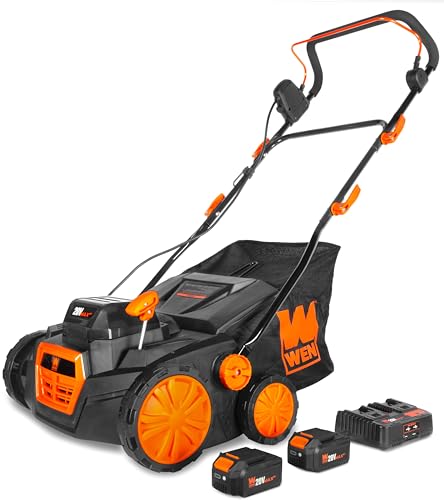
WEN 20V Max Cordless 15-Inch 2-in-1 Brushless Dethatcher and Scarifier

Suchtale 18-Inch Push Spike Aerator
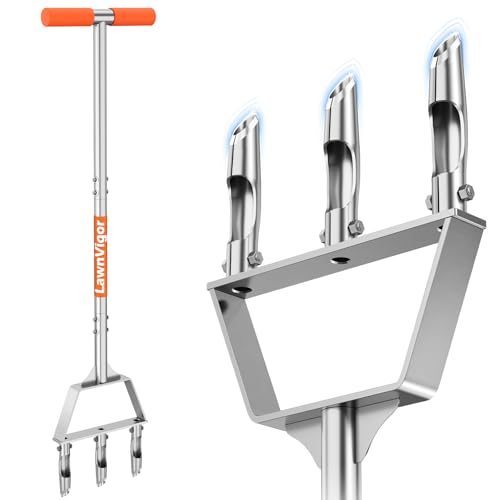
Manual Core Aerator Lawn Tool with 3 Hollow Tines

Westinghouse 16-Inch 15-Amp 2-in-1 Electric Dethatcher and Scarifier

Westinghouse 13-Inch 12-Amp 2-in-1 Electric Dethatcher and Scarifier
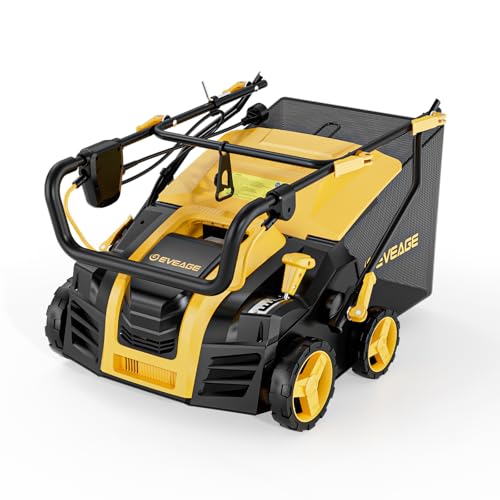
EVEAGE 16-Inch 2-in-1 Electric Dethatcher Scarifier

TIECTOWN 14-Inch 13.5 Amp 2-in-1 Electric Dethatcher and Scarifier

Rolling Lawn Aerator, Heavy Duty Push Spike Tool Up to 55 lbs

WORKPRO 38-Inch Lawn Aerator Tool with 17 Spikes
More Details On Our Top Picks
Battery power makes this WEN a handy fit for a yard where cords would slow you down. The 15-inch deck and brushless motor point to a cleaner, steadier pass across moderate lawn sections, and the collection bag helps keep the aftermath from spreading back across the grass.
That cordless setup matters most for driveways, side yards, and awkward corners where extension cords feel like a chore. You also get two 4.0 Ah batteries and a dual-port charger, so the package leans toward longer sessions without turning the job into a waiting game.
Strong Points
- Cordless operation keeps movement simple around trees, fences, and walkways.
- Brushless motor design usually means smoother output and less maintenance fuss than brushed setups.
- Two 4.0 Ah batteries help stretch work time for larger weekend cleanup jobs.
- The 15-inch width covers a sensible amount of ground without feeling bulky in tighter yard sections.
Small Caveats
- Battery tools need charging rhythm, so very large properties can take planning.
- Collection bags fill quickly during heavy thatch removal, which means more stopping to empty.
- The cordless format adds battery care and storage to the usual tool upkeep.
Core Details
Who It Suits Best
Weekend lawn caretakers who want cordless freedom and a straightforward setup will get the most from this one.
A Better Fit Elsewhere
Suchtale 18-Inch Push Spike Aerator suits you better for simple, no-charging yard work on compact or medium grass areas.
This rolling spike aerator keeps the job mechanical and straightforward, which suits you well when the yard needs a seasonal pass rather than a complicated setup. The 18-inch span gives it a wider footprint than the WEN’s working head, so a push style like this can cover ground with fewer passes.
The steel handle points toward sturdier control, though manual rolling still asks for steady effort on hard soil. In a lawn with decent moisture and moderate compaction, that trade-off feels reasonable, especially for shoppers who want a simpler tool with fewer parts to manage.
What We Like
- 18-inch coverage helps you move across lawn sections at a steady pace.
- Rolling spike design keeps the process easy to understand and use.
- Steel handle adds a more grounded feel for push-and-pull control.
- Manual construction keeps storage simple and avoids battery upkeep.
Points To Note
- Dense or very dry ground can make manual pushing more demanding.
- Spike aeration is different from core aeration, so it suits some lawns better than others.
- Like many rolling tools, cleaning soil off the spikes after use helps keep it in better shape.
Feature Snapshot
Made For
Homeowners with medium yards who want a manual, rolling path to routine lawn care should feel right at home here.
Where A Sibling Pick Shines
WORKPRO 38-Inch Lawn Aerator Tool with 17 Spikes fits you better for standing use and longer reach in a larger open yard.
This hand tool takes you back to the basics of core aeration, where hollow tines pull plugs from the soil instead of just pressing spikes into it. That matters for compacted spots, since the open channels can give air, water, and nutrients a cleaner route into the root zone.
The orange finish and semi-assembled build make it feel like a straightforward yard tool rather than a project of its own. You’ll get the best fit in small repair areas, especially where a full-sized powered tool would feel like too much setup for too little ground.
Upsides
- Three hollow tines focus on core removal rather than surface poking.
- Handheld format works well for patch treatment and spot recovery.
- Semi-assembled setup reduces the start-up hassle.
- Light, simple construction usually makes storage easy in a shed or garage.
Areas To Watch
- Manual core aeration takes effort, especially on dense or dry soil.
- Small coverage means larger yards call for patience.
- The source notes dry soil should be watered first, and side-to-side rocking is not a good idea once the tool is in place.
Technical Sheet
Who Should Grab It
Gardeners dealing with a few compacted patches, bare spots, or tight edges are the strongest match for this tool.
Look Elsewhere When
WEN 20V Max Cordless 15-Inch 2-in-1 Brushless Dethatcher and Scarifier fits you better for broader lawn cleanup with powered collection.
A 15-amp electric dethatcher tends to suit more demanding seasonal cleanup, and the 16-inch path gives this Westinghouse a more workmanlike feel than the smaller WEN. For a yard with recurring thatch and a fair amount of foot traffic, that wider cut can save some passes.
The collection bag keeps debris from spreading across the lawn, which is helpful when you want the cleanup to feel contained. The honest read is that a corded tool like this works best for homeowners who are comfortable managing an outdoor extension setup and want steady output more than quiet convenience.
Reasons To Buy
- 15-amp power suits heavier seasonal lawn cleanup.
- 16-inch width helps reduce the number of passes across open ground.
- Collection bag keeps dethatched material gathered in one place.
- Corded operation avoids battery charging between sessions.
Worth Noting
- Cord management becomes part of the job, especially around trees and beds.
- More power can also mean more noise than manual or battery tools.
- Storage takes a little more room than a hand tool or roller aerator.
Details At A Glance
The Right Fit
You’ll appreciate this most in medium to larger yards where power and coverage matter more than compact storage.
Another Choice May Suit
Westinghouse 13-Inch 12-Amp 2-in-1 Electric Dethatcher and Scarifier is easier to handle for smaller lawns and tighter storage spots.
Compared with the larger Westinghouse 16-inch model, this 13-inch version feels more approachable for narrow lawns and side strips. The 12-amp motor still gives it corded consistency, while the smaller working path can feel easier to guide around landscaping edges.
The two-step approach, dethatching first and then slicing narrow channels, is useful for yards where surface buildup and compacted soil show up together. That makes it a sensible pick for homeowners who want a single corded tool without jumping into the bulk of a broader machine.
Bright Spots
- Smaller 13-inch width helps in tighter yard layouts.
- 12-amp corded power keeps output steady through a session.
- Collection bag supports cleaner debris pickup.
- Two-stage lawn care approach handles thatch and shallow soil channels in one tool.
Softer Spots
- Less width means more passes on open lawns.
- The smaller frame may feel less efficient in large properties.
- Like the bigger corded options, it asks you to manage the cord carefully.
Quick Facts
Best Suited To
This suits you well for townhome lawns, narrow side yards, and compact storage spaces.
Swap It Out When
TIECTOWN 14-Inch 13.5 Amp 2-in-1 Electric Dethatcher and Scarifier makes more sense for shoppers who want a middle-ground size with tool-free blade changes.
This EVEAGE model stands out for the extra control you get from depth adjustment, which helps you match the setting to the lawn’s condition instead of using one fixed approach. For mixed patches, that kind of tuning can matter as much as raw power.
The 14.5-gallon bag gives it a roomy collection setup, and the quick-fold design is a practical touch for people who stash tools in a packed garage. Compared with the simpler Westinghouse 13-inch pick, this one leans more toward convenience features and setup flexibility.
Highlights
- Five depth settings give you more control over how aggressively you work the lawn.
- 14.5-gallon collection bag helps reduce emptying stops during larger cleanup sessions.
- Quick-fold design makes storage easier in tighter sheds or garages.
- Two-in-one format covers both dethatching and scarifying needs.
Minor Gripes
- More settings can mean more time spent dialing in the right one.
- Larger collection capacity can still fill up fast in heavy thatch conditions.
- Folding parts call for a little care during storage and setup.
Feature Card
Built With In Mind
Homeowners who like adjusting tools to match different lawn conditions will find the most value here.
Reach For A Different Pick When
WEN 20V Max Cordless 15-Inch 2-in-1 Brushless Dethatcher and Scarifier suits you better for cordless movement and battery-powered convenience.
The TIECTOWN lands in a useful middle zone, with enough width for real yard work but not so much bulk that it feels awkward in a smaller garage. Tool-free blade replacement is a nice practical note, especially for owners who prefer less fuss during seasonal maintenance.
The 11.5-gallon collection bag is smaller than the EVEAGE’s, so you’re trading a bit of capacity for a more manageable footprint. For most suburban lawns, that balance feels sensible, particularly when you want a powered tool that still feels easy to store and reset.
Best Bits
- 14-inch width offers a balanced path between coverage and control.
- 13.5-amp motor gives it a solid corded setup for routine work.
- Tool-free blade replacement cuts down on maintenance hassle.
- 11.5-gallon bag helps gather loosened material during passes.
Room For Improvement
- Smaller bag capacity means more frequent stops in heavy debris conditions.
- It still needs cord awareness, like most electric options in this list.
- The middle-size format may not satisfy shoppers who want either very compact or very wide coverage.
Spec Overview
Whose Shelf It Belongs On
Shoppers who want a practical middle-size electric dethatcher without a lot of setup friction should feel good about this one.
Where A Sibling Pick Shines
Westinghouse 16-Inch 15-Amp 2-in-1 Electric Dethatcher and Scarifier suits larger lawns and tougher seasonal cleanups more comfortably.
This rolling aerator is built around weight and momentum rather than power, and that makes it a sensible choice for routine soil loosening in a yard that doesn’t need a powered machine. Up to 55 pounds of tool weight can help the spikes stay engaged with the ground more consistently, especially on level sections.
Compared with the Suchtale roller, the higher stated weight gives it a more planted feel on the page, though the same manual trade-off remains. You’ll like this more in open garden areas than in narrow strips, since rolling tools work best when you can move in easy, uninterrupted lines.
Positives
- Weighted construction helps the spikes stay in contact with the lawn.
- Manual design avoids charging, cords, and motor upkeep.
- Works well for routine lawn maintenance in open spaces.
- Simple format makes storage and rinsing easy after use.
Honest Caveats
- Manual pushing can feel tiring on rough or dry ground.
- Spiked aeration is a lighter touch than core removal for compacted soil.
- Open rolling tools need cleaning after muddy sessions to keep the spikes clear.
Feature Rundown
Perfect Match For
Homeowners with medium open yards who want a straightforward manual aeration routine should feel well served here.
Not Your Match When
LawnVigor Manual Core Aerator Lawn Tool with 3 Hollow Tines makes more sense for compacted spots that need actual plug removal.
The long 38-inch handle makes this WORKPRO feel easier on your back than shorter hand tools, especially during longer passes across a decent-sized yard. Seventeen spikes and the dual-layer build point to a more deliberate manual tool, not just a bare-bones roller.
That extra handle length matters most when you want to stay standing upright instead of bending over a compact tool like the LawnVigor core aerator. It’s a smart fit for routine soil loosening and lighter aeration work, though the manual format still asks for your effort from start to finish.
Best Bits
- 38-inch length supports more comfortable standing use.
- 17 spikes give it plenty of surface contact points.
- Dual-layer design adds a more substantial feel than basic hand tools.
- Good reach for yard care along wider sections of turf.
Trade Offs
- Manual use still means your strength sets the pace.
- Long-handled tools can feel less nimble in tight corners.
- Cleaning the spikes after use helps avoid buildup during storage.
Core Details
Who Will Love This
Standing-height manual aeration suits you best if you want a longer tool for regular lawn touch-ups without powered equipment.
Skip It When
WEN 20V Max Cordless 15-Inch 2-in-1 Brushless Dethatcher and Scarifier is the better route for powered cleanup and less physical effort.
How To Choose The Right Electric Lawn Aerators
Match The Tool To The Soil
Spiked aerators open the surface with prongs, which suits lighter maintenance and regular top-layer relief. Core aerators pull plugs from the ground, so they fit compacted soil and lawns that need a deeper reset.
That difference matters more than many people expect. A spiked roller can feel smooth in a modest yard, while a hollow-tine tool earns its keep where foot traffic has packed the soil tight.
Choose Power Based On Yard Size
Corded dethatchers and scarifiers are better for longer sessions and thicker buildup. Battery models give you more freedom around fences, trees, and side yards, though runtime becomes part of the planning.
Manual aerators still make sense for spot work, narrow sections, or smaller properties. They ask more from you, but they also keep storage simple and maintenance light.
Look Closely At Width, Depth, And Cleanup
Working width affects how many passes you need, so a 13-inch tool fits a compact lawn while a 16-inch or 18-inch model can cover more ground in fewer lines. Depth settings matter too, since adjustable scarifiers let you stay gentler on thin turf and more aggressive on compacted patches.
Collection bags are worth paying attention to for dethatching jobs, because loose material adds up fast. A larger bag helps on wide lawns, while a smaller one can be fine for routine touch-ups.
What To Weigh Before You Choose
Common Shopping Slip Ups
Many people reach for the widest tool first, then discover the yard has tight corners, gate paths, or storage limits that make a bulky frame awkward. A 38-inch manual tool and a 16-inch powered machine solve very different problems.
Another common miss is mixing up spike aeration with core aeration. Spike tools are easier to handle, but compacted soil usually responds better to plug removal.
The Case For Spending Up
Higher-tier models in this category usually cost more because they add working width, stronger motors, deeper control, or easier maintenance features. Depth adjustment, larger collection bags, and tool-free blade changes all add convenience that shows up during real yard work.
That upgrade makes the most sense for larger lawns, heavy thatch, or anyone who uses the tool several times through the season. For small yards and occasional touch-ups, a simpler roller or hand aerator often makes better sense.
Frequently Asked Questions
What does a lawn aerator actually do?
A lawn aerator opens channels in soil so air, water, and nutrients can move through more easily. Spike tools make small openings, while core tools remove plugs from the ground.
Do electric dethatchers and scarifiers help with aeration?
They help with lawn cleanup and shallow soil channeling, especially on compacted surface layers. They are useful tools, but they are not the same as a dedicated core aerator.
Is a manual aerator enough for a small yard?
Yes, a manual tool can be enough for patch work, narrow strips, and lighter seasonal care. It asks more from you, but it also keeps setup simple.
How wide should your aerator be?
Smaller widths suit tight spaces and modest lawns, while wider heads cut down the number of passes on open turf. The right size depends on storage space, yard shape, and how much ground you need to cover.
What matters more, spikes or tines?
Tines matter more for deeper plug removal, which helps compacted soil. Spikes are easier for routine maintenance and lighter surface opening.