Fall lawn feeding is about setting grass up for cooler nights, steady root growth, and an easier start in spring. You want the right mix of coverage, nutrient balance, and spread style, not just a bag with a bold label. This roundup focuses on seven practical options that fit different yard sizes, maintenance habits, and comfort levels with granular or liquid feeding.
The Shortlist At A Glance
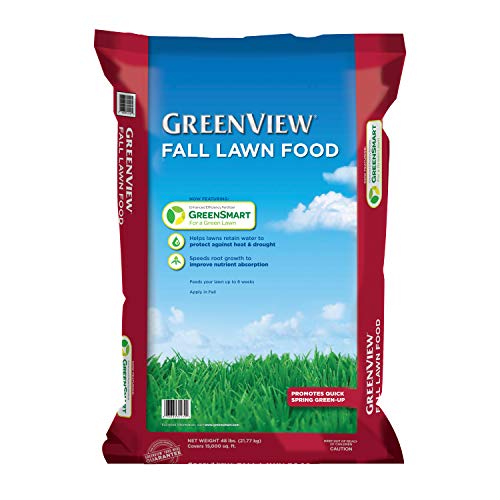

GreenView Fall Lawn Food 16 lb. Bag
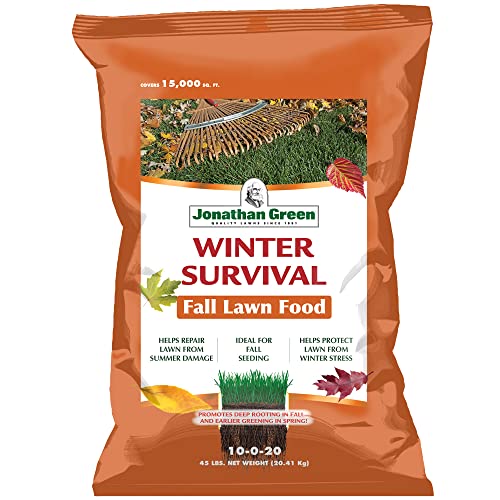
Jonathan Green (12414) Winter Survival Fall Lawn Food

GS Plant Foods Green Envy Liquid Lawn Food
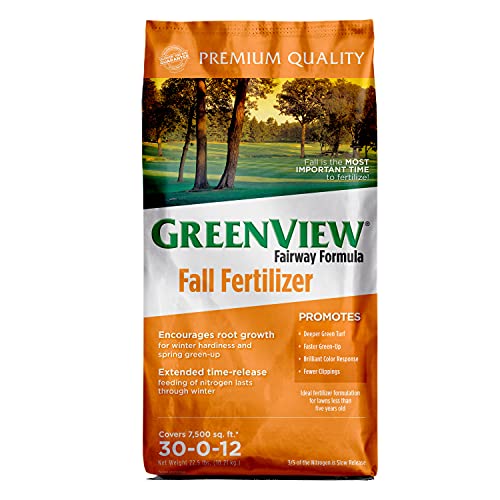
GreenView Fairway Formula Fall Lawn Fertilizer 22.5 lb.
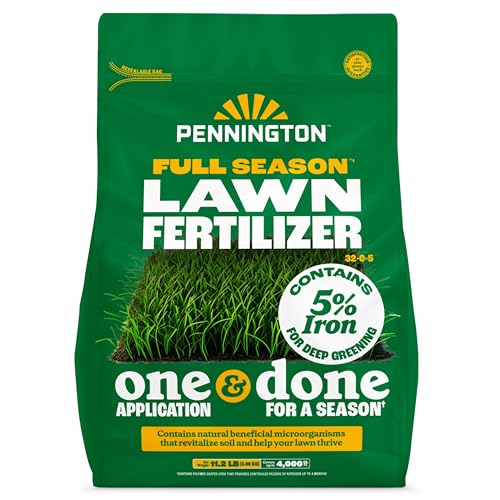
Pennington Full Season Lawn Fertilizer 32-0-5 4M 11.2lb

Slow Release Lawn Fertilizer 25-5-10 NPK
More Details On Our Top Picks
A 20-0-10 blend gives this bag a straightforward fall profile, with a strong nitrogen lead for color and a potassium boost for seasonal resilience. The 48-pound size and 15,000-square-foot coverage fit larger yards better than the smaller GreenView bag, so you’re not stopping halfway through a broad lawn.
The trade-off is simple, the bag size can feel bulky in a garage or shed, and the coverage makes more sense for people who want one buy to handle a wide area. For most suburban lawns, that practicality matters more than flashy extras.
Strong Points
- Covers a large yard without constant refills.
- 20-0-10 balance supports fall feeding and spring color.
- Eight weeks of feeding can reduce reapplication frequency.
- Granular format works with common spreaders.
Things To Consider
- The 48-pound bag takes more storage room.
- Large coverage is more than many small lawns need.
Feature Snapshot
Who It Suits Best
Homeowners with larger lawns and a spreader already in the garage will get the most out of this bag.
A Better Fit Elsewhere
GreenView Fall Lawn Food 16 lb. Bag suits smaller yards or townhouse strips where a 48-pound bag feels like too much.
This smaller GreenView bag keeps the same 20-0-10 profile as the larger version, but the 5,000-square-foot coverage makes it much easier to manage on compact lawns. That’s helpful for townhomes, side yards, and spaces where storing a giant bag feels unnecessary.
You may find it especially practical when you want the same fall feeding approach without the extra bulk. It does not make sense for broader lawns, though, and that’s the honest trade-off.
What We Like
- Smaller size is easier to carry and store.
- Works well for compact turf areas.
- Same 20-0-10 ratio as the larger bag.
- Eight-week feeding span helps simplify scheduling.
Small Caveats
- Coverage is too limited for larger yards.
- Smaller bag means more frequent repurchasing than the 48-pound version.
Technical Sheet
Built With In Mind
Apartment-townhouse owners and anyone with a small front lawn will find this easier to live with than the larger GreenView bag.
Swap It Out When
GreenView Fall Lawn Food 48 lb. Bag fits better for bigger yards that need more coverage in a single container.
The 10-0-20 nutrient mix points this Jonathan Green bag toward seasonal hardiness more than fast visual greening, which makes sense for lawns that head into colder weather quickly. Compared with the GreenView bags, it leans harder on potassium, so the fit is a little different even though coverage still reaches 15,000 square feet.
That profile works well for established lawns that need stronger fall support and less emphasis on a quick cosmetic pop. The weight is manageable for a mid-size yard, though the bag still asks for some storage space.
Reasons To Buy
- 10-0-20 formula leans toward fall resilience.
- Covers a broad area with one bag.
- Good match for lawns that need seasonal conditioning.
- Granular format suits standard spreaders.
Worth Noting
- Less centered on fast spring color than the GreenView options.
- The bag size still needs decent storage room.
Core Details
Whose Shelf It Belongs On
Established lawn owners who want a fall-focused granular option will get the clearest fit here.
Look Elsewhere When
GreenView Fairway Formula Fall Lawn Fertilizer suits you better if you want slow-release nitrogen as part of the fall plan.
This liquid option changes the rhythm of fall lawn care, because you’re mixing and spraying instead of hauling a granular bag and calibrating a spreader. The 1-gallon format is easy to keep on hand, and the organic-growing suitability broadens its appeal for households that prefer a gentler-feeling routine.
You may like it most in smaller yards, spot treatments, or seasons where a sprayer already sits in the shed. The trade-off is that liquid feeding asks for a little more setup than a walk-behind spreader, so it suits hands-on homeowners more than anyone chasing the simplest possible path.
Highlights
- Liquid format makes targeted application easier.
- Compact jug stores neatly in a utility shelf.
- Useful for fall and winter prep routines.
- Fits households that already use a sprayer.
Room For Improvement
- Needs mixing and spray equipment.
- Less convenient than a granule for very large lawns.
Details At A Glance
Who Will Love This
Homeowners with a sprayer and a smaller lawn will get the most value from this liquid format.
Where A Sibling Pick Shines
GreenView Fall Lawn Food 48 lb. Bag makes more sense for you if a granular spreader and larger coverage matter more than spray setup.
The 30-0-12 ratio moves this GreenView bag toward a more intense feeding profile than the earlier 20-0-10 options, and the slow-release nitrogen helps it feel less abrupt across the season. It covers 7,500 square feet, which suits medium lawns better than the larger 15,000-square-foot bags.
That slower feeding style is handy for people who want steady color without babysitting the yard every weekend. The honest read is that the smaller coverage means it won’t satisfy very large properties, but it can feel nicely tuned for a typical suburban front-and-back setup.
Bright Spots
- 30-0-12 formula brings a strong fall nutrient profile.
- Slow-release nitrogen helps spread feeding over time.
- Mid-size coverage fits average yards well.
- Good balance of seasonal support and spring color.
Points To Note
- Coverage is lower than the larger GreenView bag.
- Not the best match for very small or very large lawns.
Feature Rundown
The Right Fit
Medium-yard homeowners who want a stronger-feeling fall formula without moving into a huge bag will appreciate this one.
Another Choice May Suit
Jonathan Green (12414) Winter Survival Fall Lawn Food makes more sense for you if potassium-forward seasonal support matters more than GreenView’s broader balance.
Pennington takes a different route from the fall-first GreenView and Jonathan Green bags, because this one is built around a full-season plan with a 32-0-5 mix and 4M slow-release nitrogen. That means you’re getting a stronger nitrogen profile and a one-application approach that suits people who prefer to keep lawn chores simple.
The 11.2-pound bag is easier to store than the large coverage sacks, although the smaller weight also means it fits a more focused use case. For homeowners who want a simpler schedule and a tidy storage footprint, that compromise is easy to understand.
Standout Traits
- Strong 32-0-5 formula is geared toward growth and color.
- Slow-release design helps extend feeding through the season.
- Smaller bag is easier to lift and store.
- One-application setup appeals to low-maintenance routines.
Honest Caveats
- Season-long approach may not suit people who prefer shorter feeding cycles.
- Smaller bag size can mean more careful coverage planning.
Quick Facts
Made For
Busy homeowners who want a simpler seasonal plan will get the clearest value from this Pennington bag.
Reach For A Different Pick When
GreenView Fall Lawn Food 48 lb. Bag suits you better if broad coverage matters more than the one-application approach here.
This Eco Solutions bag stands out for its 65 percent granular nitrogen formula and deep-feeding window of up to 110 days, so it leans toward longer spacing between applications. The 20-kilogram, 44-pound format gives you a substantial supply, which matters in yards where repeated bag changes get old fast.
It sits in a useful middle ground between the large GreenView sacks and the more specialized Pennington plan, because it focuses on steady feeding rather than a flashy seasonal pitch. Depending on your lawn size and routine, that longer window can make fall care feel a lot less crowded.
Best Bits
- Deep-feeding window reaches up to 110 days.
- 65 percent granular nitrogen supports a steady release profile.
- Large 44-pound bag suits broader lawns.
- Kid and pet safe positioning may suit family yards.
Areas To Watch
- The long feeding window is less hands-on, but it also means less frequent course correction.
- The heavy bag takes more storage and lifting effort.
Spec Overview
Perfect Match For
Households that want fewer lawn-care interruptions and a long feeding window will appreciate this Eco Solutions bag.
Skip It When
Pennington Full Season Lawn Fertilizer 32-0-5 4M 11.2lb fits better for shoppers who want a smaller package and a simpler seasonal schedule.
How To Choose The Right Fall Fertilizers For Lawn
NPK Ratio Matters More Than The Label
NPK means nitrogen, phosphorus, and potassium. Nitrogen supports green growth, phosphorus is tied to root development, and potassium helps turf handle seasonal stress, so a fall formula often leans harder on nitrogen and potassium than spring products do.
You’ll see that pattern in this roundup, especially in the GreenView and Jonathan Green options. A lawn with thin color may benefit from a stronger nitrogen number, while a yard headed into colder weather often appreciates the potassium side more.
Coverage And Bag Size Should Match The Yard
Coverage numbers tell you how much lawn one bag treats, and that matters more than bag weight alone. A 48-pound bag can be practical for a large property, while a 16-pound bag makes more sense for a compact front lawn or townhome strip.
Storage matters too. A bag that fits neatly on a shelf is easier to live with than one that takes over a corner of the garage, especially when you only have a modest lawn to maintain.
Granular Or Liquid Depends On Your Routine
Granular fertilizer is usually the easier path for spreaders and larger lawns, while liquid fertilizer fits sprayers and spot work. The right choice comes down to how you already handle yard care, not just what sounds more advanced.
Liquid can feel nimble in a small yard, but granular often wins on convenience for broad coverage. That’s why GS Plant Foods makes sense for spray users, while the larger GreenView and Pennington bags fit a more familiar spread-and-walk routine.
Feeding Window And Release Style Shape Maintenance
Slow-release nitrogen feeds turf over time, which can cut down on how often you think about the next application. Shorter feeding windows can still work well, but they ask for a steadier schedule.
That difference matters most during busy fall weeks, when you’d rather not keep returning to the same chore. A long-release option like Eco Solutions may fit that rhythm better, while a more concentrated formula can suit a homeowner who wants a sharper seasonal push.
Things Worth Knowing First
Hidden Buying Traps
Many shoppers focus on the nutrient ratio and miss the coverage number. That leads to a bag that runs out too soon or sits half-used in storage.
Another common miss is choosing the wrong format for the yard. Granular works well with spreaders, but liquid makes more sense only when you already have the gear and the habit.
The Upgrade Payoff
Higher-tier options in this category usually cost more because they offer a tighter nutrient balance, slow-release technology, or a more specialized use case. You are paying for convenience, longer feeding intervals, or a formula that lines up better with a specific lawn routine.
That upgrade is worth it for larger lawns, busy schedules, or yards that need more deliberate seasonal support. For a small lawn, the extra features can be more than you need.
Frequently Asked Questions
What makes a fall fertilizer different from a spring one?
Fall formulas often lean toward root support and seasonal hardiness instead of fast top growth. That helps grass handle colder weather and start the next season in better shape.
Should you choose granular or liquid fertilizer?
Granular suits most spreader-based lawn routines and larger areas. Liquid fits smaller lawns, spot treatments, and homeowners who already use a sprayer.
How much coverage should you look for?
Match the coverage to your actual lawn size, then leave a little room for overlap. A number that is too small creates extra hassle, while an oversized bag can be awkward to store.
What does slow-release nitrogen do?
Slow-release nitrogen feeds grass over a longer stretch instead of all at once. That usually means a steadier routine and fewer applications across the season.
Which option fits a low-maintenance lawn plan?
Pennington Full Season Lawn Fertilizer 32-0-5 4M 11.2lb fits that style well. Eco Solutions also works for longer feeding intervals, especially in larger yards.
Closing Thoughts
Fall feeding does not need to feel complicated, and your best choice usually comes down to yard size, spread style, and how often you want to think about the next application. The GreenView bags suit different coverage needs, Jonathan Green leans harder into seasonal support, and the liquid option gives you a different kind of flexibility. For a simpler routine, Pennington and Eco Solutions both make sense, just for different maintenance styles. Pick the one that fits your lawn work habits, and the rest gets easier.