New turf needs a careful first push, not a one-note feed. You want the right balance of nitrogen, phosphorus, and potassium, plus a format that fits your schedule and lawn size. This roundup focuses on starter-style formulas for seeding, sodding, overseeding, and early root development, so you can match the product to the stage your lawn is really in.
The Shortlist At A Glance

Hi-Yield New Process Premium Lawn Fertilizer 15-5-10 20 lbs

Jonathan Green Veri-Green Starter Fertilizer for Seeding & Sodding 12-18-8 1,500 Sq. Ft.
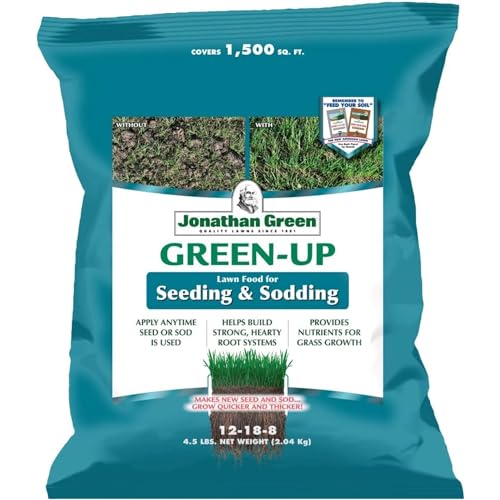
Jonathan Green Green-Up Lawn Food for Seeding & Sodding 12-18-8 1,500 Sq. Ft.

Fertilome New Lawn Starter Fertilizer 9-13-7 4 lbs

Sunday Lawn Kickstart Liquid Lawn Fertilizer 2 Pack

The Andersons Premium New Lawn Starter Fertilizer 20-27-5 18 lb
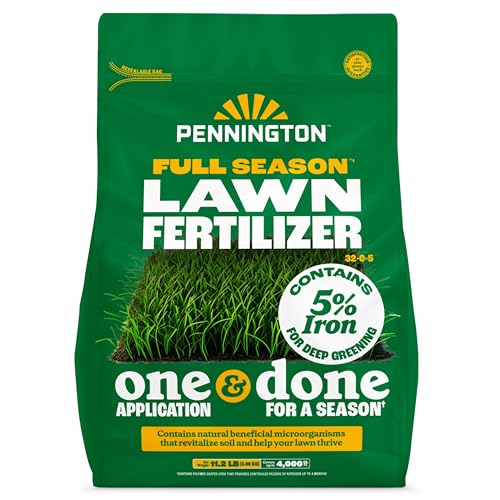
Pennington Full Season Lawn Fertilizer 32-0-5 4M 11.2lb
More Details On Our Top Picks
Hi-Yield leans toward steady feeding rather than a narrow starter-only role, which makes it useful for a lawn that already has a base but still needs more density. The 15-5-10 analysis gives you a more even nutrient balance than the sharper starter blends later in this list, so it fits routine turf care more than brand-new seed beds.
You may find it especially handy in a busy yard where you want one granular product to support greener growth without turning the job into a chemistry project. The trade-off is simple: it does not lean as hard into phosphorus as the starter formulas, so new sod and fresh seed get less of that root-first push.
Strong Points
- Granular format spreads cleanly across larger sections of lawn.
- 15-5-10 gives a balanced feed for general turf maintenance.
- Slow-release nitrogen can support steadier growth between applications.
- Works well for homeowners who want one bag for broad lawn care.
Small Caveats
- Less phosphorus than the dedicated starter picks in this roundup.
- Granules need even spreading, so a broadcast spreader helps.
Feature Rundown
Who It Suits Best
Homeowners with an established lawn and a regular feeding routine will get the most from this one.
Where A Sibling Pick Shines
Jonathan Green Veri-Green Starter Fertilizer for Seeding & Sodding fits you better for bare patches, new seed, or fresh sod that needs a stronger root-focused start.
This Jonathan Green starter blend is built around a stronger phosphorus profile, which matters because phosphorus supports early root development in newly seeded or sodded ground. The 1,500 square foot coverage also gives you a tidy, project-sized bag that feels easier to plan around than the larger coverage options later in the roundup.
For most front lawns, that size hits a nice middle ground, especially when you do not want leftover product taking up shelf space in the garage. The honest read is that it’s a better fit for establishing turf than for ongoing feeding, so it should stay in the starter lane.
What We Like
- 12-18-8 leans hard into starter-style nutrition for new turf.
- Coverage for 1,500 square feet suits modest renovation jobs.
- Works for seeding, sodding, and overseeding projects.
- Compact bag size is easier to store after opening.
Points To Note
- It is more specialized than a general lawn food.
- Smaller coverage can mean multiple bags for bigger yards.
- Granular handling still calls for even spreading and basic cleanup.
At A Glance
The Right Fit
You are looking at the best match here for fresh seed, new sod, or a small renovation zone.
A Better Fit Elsewhere
Fertilome New Lawn Starter Fertilizer 9-13-7 suits tighter budgets and smaller spaces better, especially when you want a lighter package to handle.
Green-Up shares the same 12-18-8 starter profile as the previous Jonathan Green pick, but the listed humates give it a little more soil-minded appeal. Humates are organic compounds that can help make nutrients easier for soil and roots to work with, which is useful in a new lawn that needs help settling in.
That makes this a thoughtful choice for seeding, overseeding, or sod work in yards where the soil has been a bit tired or compacted. The catch is that it stays in a narrow use case, so you are paying for a starter formula rather than an all-purpose lawn feed.
Highlights
- Starter-style 12-18-8 analysis is built for young turf.
- Humates add a soil-support angle that some starter feeds skip.
- Feeds for up to two months, so timing can stay manageable.
- Coverage for 1,500 square feet keeps the bag size workable.
Worth Noting
- Specialized formula makes it less useful for mature lawn maintenance.
- Two-month feeding still depends on soil, weather, and application habits.
Details At A Glance
Best Suited To
You will appreciate this most on a new lawn where root growth matters more than fast leaf growth.
Not Your Match When
Hi-Yield New Process Premium Lawn Fertilizer 15-5-10 makes more sense once your turf is established and you want broader routine feeding.
Fertilome keeps things compact, and that makes sense for a 4 pound starter bag aimed at small lawn jobs. The 9-13-7 analysis is gentler than the higher-phosphorus Jonathan Green and Andersons options, so it fits projects where you want a starter feed without leaning too hard into a heavy formula.
That lighter footprint can be a relief in a townhouse yard, a patch repair, or a fresh strip of sod beside an entry walk. The trade-off is coverage, because the smaller bag is less convenient for a full-yard renovation than the bigger bags in this roundup.
Reasons To Buy
- Small 4 pound bag is easy to carry and store.
- 9-13-7 is a straightforward starter mix for young grass.
- Covers up to 1,000 square feet, which suits patch work.
- Useful for tight storage spaces and quick repairs.
Room For Improvement
- Smaller coverage means it is less efficient for large lawns.
- It is a niche starter product, not a general turf feeder.
Core Details
Whose Shelf It Belongs On
You are a strong match for this one when the job is small and you want a starter bag that does not eat up storage space.
Skip It When
The Andersons Premium New Lawn Starter Fertilizer gives you a stronger coverage range for larger renovation projects and a more aggressive starter profile.
This is the easiest pick in the list to understand at a glance, because the liquid format comes with a hose-end sprayer and two bottles ready for larger coverage. The 22-0-2 analysis is nitrogen-heavy, with iron and potassium in the mix, so it leans toward greening and general turf support rather than the root-heavy starter profile of the granular options.
For a bigger yard, that spray-on convenience can save a lot of hauling and spreading time. The trade-off is that liquid feeding asks for more attention during application, and storage is less tidy than a single sealed bag of granules.
Best Bits
- Liquid format makes application quick across wide turf areas.
- Includes a hose-end sprayer, which simplifies setup.
- 22-0-2 pushes a strong nitrogen-led feeding profile.
- Two-bottle pack covers a large area overall.
Areas To Watch
- Liquid storage can take more shelf space than one bag.
- Nitrogen-forward feeding is less starter-focused than the granular picks.
- Application depends on hose pressure and even spray coverage.
Feature Snapshot
Made For
You will like this most in a larger yard where you want fast spray coverage instead of bag spreading.
Another Choice May Suit
Jonathan Green Green-Up Lawn Food for Seeding & Sodding is the better match for fresh turf that still needs a stronger starter-style nutrient balance.
The Andersons is the most concentrated starter formula in this list, and the 20-27-5 analysis makes that plain. That higher phosphorus level is aimed squarely at new roots, which is exactly the kind of support people usually want after seeding, laying sod, or renovating a thin lawn.
The 18 pound bag also gives you useful reach, covering up to 5,000 square feet, so it feels built for bigger projects rather than quick patch jobs. The only real compromise is that the stronger starter profile is overkill for lawns that are already settled in and just need routine feeding.
Positives
- 20-27-5 gives a strong starter focus for new grass.
- Coverage up to 5,000 square feet suits larger renovation work.
- 18 pound bag is a good fit for one bigger project.
- Useful for seed, sod, and thin-lawn recovery jobs.
Softer Spots
- Less useful once your lawn has moved beyond the starter stage.
- Bigger bag can be more than small yards need.
Quick Facts
Built With In Mind
You are the best match here for a larger seed or sod project that needs a concentrated starter feed.
Swap It Out When
Fertilome New Lawn Starter Fertilizer is the easier grab for a smaller yard or a lighter touch on storage space.
Pennington takes a different path from the starter formulas by using a full-season approach with slow-release feeding. The 32-0-5 analysis is very nitrogen-forward, and the 4M release style points to a slower, steadier feed pattern that suits homeowners who want a more hands-off routine after the lawn is established.
That makes it less relevant for brand-new seeding, but useful once the grass has filled in and you want dependable seasonal maintenance. The honest trade-off is that it skips phosphorus entirely, so it sits outside the starter role that defines the rest of the list.
Bright Spots
- Slow-release setup supports a steadier feeding rhythm.
- 32-0-5 offers a strong nitrogen-led lawn food profile.
- Works well for established turf after the new-lawn phase.
- One seasonal application can suit lower-maintenance routines.
Honest Caveats
- Not a starter formula, so it misses the root-focused role here.
- Less suitable for seed, sod, or fresh renovation work.
Core Details
Who Should Grab It
You fit this one best once the lawn is established and you want a more seasonal, low-fuss feeding pattern.
Look Elsewhere When
The Andersons Premium New Lawn Starter Fertilizer is the better call for fresh seed or new sod that still needs root support.
How To Choose The Right Fertilisers For New Lawn
Match The Formula To The Lawn’s Stage
New seed, fresh sod, and an established lawn ask for different nutrient profiles. Starter formulas usually lean harder into phosphorus, which supports root development in young turf, while routine lawn foods often put more weight on nitrogen for greener growth.
That split matters because using the wrong blend can waste product or push the lawn in the wrong direction. For a patch repair or full renovation, a starter bag makes more sense than a general feed.
Read The N-P-K Numbers With Purpose
N-P-K stands for nitrogen, phosphorus, and potassium. Nitrogen drives leafy growth, phosphorus supports rooting, and potassium helps overall plant function, so the three numbers tell you what the product is trying to do.
A 12-18-8 starter blend aims at young turf, while a 32-0-5 seasonal feed is built for a different job entirely. Once you know that, the label stops looking like code and starts acting like a planning tool.
Choose A Format That Fits The Job
Granular products work well for broad, even coverage and are easy to store in a garage or shed. Liquid formulas suit larger spray jobs and faster application, though they ask for more setup and cleanup.
For small spaces, a compact bag can be less awkward to handle. For bigger yards, a hose-end sprayer or a high-coverage bag can save a lot of time.
Think About Coverage, Storage, And Follow-Up
Coverage numbers matter because they help you avoid buying far more than your lawn needs. A 1,000 or 1,500 square foot bag works for patch work, while 5,000 square feet or more suits broader renovation jobs.
Storage also matters after the first application, especially with opened bags or liquid bottles. A tidy, dry place helps you keep the product in usable shape for the next round.
Things Worth Knowing First
Mistakes Worth Dodging
New turf does poorly when the nutrient balance is guessed instead of matched to the task. Starter formulas belong with seed and sod, while general lawn foods belong with established grass.
Another common slip is mismatching coverage to lawn size, which leaves you short halfway through the job or stuck with excess product. A quick measurement saves more trouble than most people expect.
The Upgrade Payoff
Higher-tier options in this category usually charge more because they pack in stronger starter ratios, larger coverage, or extras like liquid application gear. That extra structure can feel worth it on bigger projects where consistency matters.
For a small repair, a simple bag often does the job just fine. For a full renovation, paying more can buy you easier coverage planning and a better fit to the lawn’s early stage.
Frequently Asked Questions
What Makes A Fertiliser Better For New Lawn Seed?
A starter blend usually gives more attention to phosphorus, which supports early roots. That matters most during seeding, sodding, and overseeding.
Should You Use Liquid Or Granular Fertiliser?
Granular works well for tidy spreading and storage. Liquid suits faster coverage and spray-style application.
Can You Use Regular Lawn Food On Fresh Sod?
Regular lawn food can miss the starter-style nutrient balance fresh sod needs. A starter formula is the safer match for early establishment.
How Much Coverage Do You Need?
Measure the lawn area before you choose a bag or bottle. That makes it easier to match the product to the project without running short.
Is Slow-Release Feeding Useful For New Lawns?
Slow-release feeding is more useful for established turf than for the earliest root-building stage. Young lawns usually benefit more from a starter formula first.
Closing Thoughts
You have more than one workable path here, and the right choice depends on the lawn’s stage, not just the bag size. For fresh seed or sod, the Jonathan Green and Andersons starter formulas make the most sense, while Hi-Yield and Pennington fit better once the turf is past the beginning phase. Sunday’s liquid system stands out for bigger spray jobs, and Fertilome stays appealing for smaller, simpler projects. Match the feed to the job, and the whole process gets a lot less fussy.