Fresh seed needs the right feed, not just any lawn bag. The picks below focus on starter blends, liquid nitrogen formulas, and broader lawn options that fit real yard routines after overseeding, whether you’re repairing thin patches or helping new grass settle in after a busy weekend.
You’ll see clear differences in nutrient ratios, coverage, and format, which matters more than flashy marketing. A starter fertilizer helps new roots get moving, while a nitrogen-heavy liquid can suit established turf that just needs a stronger color push after the new seed is in place.
Quick Look At Our Top Fertilizers After Overseeding

Jonathan Green Veri-Green Starter Fertilizer 12-18-8 (1,500 Sq. Ft.)

Fertilome Centipede Lawn Fertilizer 15-0-15 16 lbs
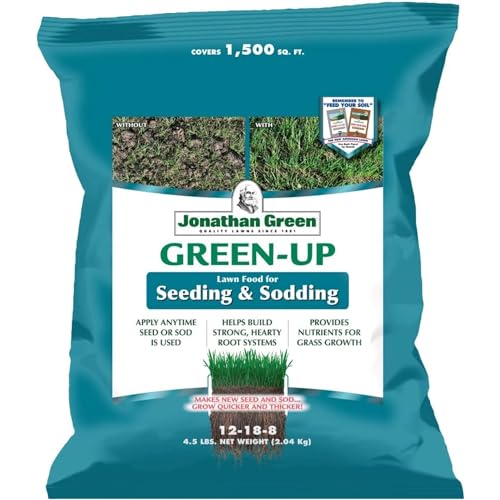
Jonathan Green Green-Up Lawn Food 12-18-8 (1,500 Sq. Ft.)

Petra Liquid Nitrogen Fertilizer 28-0-0 32 Oz

Jobe’s Organics Granular All Purpose Fertilizer 16 lbs Bag

PetraMax Neighbor’s Envy Grass Fertilizer 1 Gallon

Yard Mastery 7-0-20 Summer Lawn and Turf Stress Blend 45lb Bag
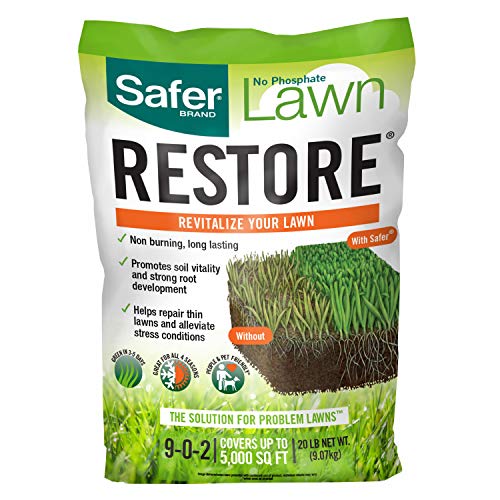
Safer Brand Lawn Restore Natural Lawn Fertilizer 9335SR 9-0-2
More Details On Our Top Picks
A 12-18-8 starter blend makes sense right after overseeding, because the higher phosphorus share supports root development while the lower nitrogen keeps the push more measured. That balance suits fresh seed beds and newly laid sod, especially in a yard that needs establishment more than a fast color rush.
The 1,500 square foot coverage fits a typical patch-and-repair job or a compact front lawn. The honest trade-off is that it’s more focused than a general turf feed, so established grass around the new seed won’t get the same heavy green-up you’d expect from a high-nitrogen formula.
Strong Points
- Starter ratio is geared toward root development.
- Coverage works well for small to mid-size overseeding jobs.
- Helpful match for seed, sod, and repair work in the same yard.
- Measured feeding suits tender new grass better than a blunt nitrogen surge.
Things To Consider
- It leans toward establishment, not dramatic top growth.
- Smaller coverage means larger yards may need more than one bag.
- Granular application still calls for even spreading, which matters around patchy areas.
Feature Snapshot
Who It Suits Best
You get the most from this pick when your main goal is helping new seed or fresh sod establish in a defined area.
A Better Fit Elsewhere
Yard Mastery 7-0-20 Summer Lawn and Turf Stress Blend 45lb Bag suits larger lawns that need a tougher seasonal maintenance feed after the overseeding stage is over.
Centipede and St. Augustine lawns usually need a steadier hand than cool-season turf, and this 15-0-15 formula reflects that. The slow-release nitrogen keeps feeding more gradual, while the added iron supports deeper color in warm-season grass without turning the mix into an all-purpose starter.
That makes it a smarter follow-up for established warm-season lawns after overseeding than a high-phosphorus starter like Jonathan Green Veri-Green. It’s a practical fit for yards where the new seed is part of a broader lawn-care routine, not the entire story.
What We Like
- Built for centipede, St. Augustine, and similar warm-season lawns.
- Slow-release nitrogen helps feed in a steadier way.
- Iron content supports richer color without relying on heavy nitrogen.
- Useful for owners who want grass maintenance, not just seed-starting support.
Areas To Watch
- It’s specialized, so it’s less flexible than a general lawn feed.
- Warm-season focus makes it less suited to mixed grass situations.
- Granular use still means you’ll want even coverage to avoid patchy results.
Core Details
Made For
You’ll appreciate this most in a warm-season yard where centipede is the main grass and you want a controlled feed after overseeding.
Another Choice May Suit
Jonathan Green Green-Up Lawn Food 12-18-8 (1,500 Sq. Ft.) is the better match for a fresher overseeding job that still needs a more seed-first nutrient profile.
This one sits close to the first Jonathan Green starter, but the humates give it a little more soil-supporting context. Humates are natural organic compounds that can help nutrients move through the soil more efficiently, which matters when you want new grass to settle in without fuss.
The feed is designed for seeding, overseeding, and sod, so it fits a lawn project where you want one granular bag to do a useful amount of work. The two-month feeding window is helpful for busy yards, though it’s still a starter-style product rather than a broad summer maintenance blend.
Highlights
- Starter ratio suits new grass establishment.
- Humates add a soil-supporting element that some lawns benefit from.
- Works across seeding, overseeding, and sod installation.
- Up to two months of feeding reduces how often you need to revisit the lawn.
Small Caveats
- Like most starter fertilizers, it leans more toward establishment than heavy top growth.
- 1,500 square foot coverage is better for focused projects than big properties.
- Granular application asks for a steady spread pattern around new seed rows or patches.
Details At A Glance
Best Suited To
This is a comfortable fit for you when the lawn project centers on establishing fresh grass rather than pushing mature turf hard.
Look Elsewhere When
Petra Liquid Nitrogen Fertilizer 28-0-0 32 Oz works better for a homeowner who wants a liquid option with a sharper color response after the seed has already come up.
Liquid fertilizer changes the pace of lawn care, and this 28-0-0 formula leans hard on nitrogen for a stronger green-up effect. Since it sprays on, it can suit homeowners who’d rather avoid hauling a large granular bag across a damp yard after overseeding.
The trade-off is straightforward, though: this is more of a turf color and growth support product than a true starter feed. You’ll get the most value in spring and summer maintenance, especially on established grass that needs a quicker visual lift.
Best Bits
- High nitrogen content makes the formula very turf-focused.
- Liquid format is convenient for fast application over uniform areas.
- Smaller bottle is easier to store than a heavy bag.
- Works well for spring and summer lawn routines after seedlings are already established.
Worth Noting
- It’s not a starter fertilizer, so it’s less targeted to brand-new seed.
- Liquid use usually asks for careful mixing or spraying setup.
- The compact bottle means larger lawns may need more product handling than a big granular bag.
Technical Sheet
Who Will Love This
You’ll like this best for established lawn care where a liquid nitrogen boost fits your routine better than a spreader bag.
Where A Sibling Pick Shines
Jonathan Green Veri-Green Starter Fertilizer 12-18-8 (1,500 Sq. Ft.) is the safer match for seed beds that still need a phosphorus-forward starter.
This bag is less about a narrow overseeding formula and more about keeping a mixed yard moving in the right direction. Vegetables, flowers, shrubs, trees, and lawn areas can all share the same storage shelf, which is handy in a garage that already feels crowded.
For overseeding work, the attraction is simplicity rather than precision. You may find it useful when your lawn care overlaps with garden beds, but a dedicated starter fertilizer still gives new grass a more focused nutrient profile.
Upsides
- Broad plant compatibility makes it convenient for mixed-property care.
- Granular format is familiar and easy to store.
- Handy for households that manage lawn and garden tasks together.
- Less specialized than a starter, which can be useful for routine feeding outside the overseeding window.
Room For Improvement
- It isn’t tuned specifically to new turf establishment.
- General-purpose formulas can feel less precise for fresh seed beds.
- Large, mixed-use bags may be more product than a small overseeding patch needs.
Feature Rundown
Whose Shelf It Belongs On
This belongs with you if your yard work spans more than grass and you want one granular product for several outdoor jobs.
Skip It When
Jonathan Green Green-Up Lawn Food 12-18-8 (1,500 Sq. Ft.) is the better option when the main task is feeding new seed after overseeding.
This concentrate brings a lot of components into one liquid, including nitrogen, iron, humic material, and sea kelp. Humic material is an organic soil component often used to support nutrient availability, while sea kelp is commonly included in lawn products for a broader feeding profile.
The 1 gallon size and claimed coverage up to 16,000 square feet make it a more ambitious option than the smaller Petra bottle. That broader reach suits owners with bigger lawns, although liquid concentrate use also asks for a little more measuring discipline than a simple granular spread.
Positives
- Wide-coverage concentrate is practical for larger properties.
- Multiple included ingredients make it feel more layered than a basic nitrogen feed.
- Liquid format lets you handle lawn care without dragging a heavy spreader bag around.
- Suited to turf care where deep green color matters after overseeding has settled.
Minor Gripes
- Concentrates can ask for careful mixing and application habits.
- Liquid products usually need more prep than a ready-to-spread granule.
- The ingredient mix is broader, so it’s less narrowly focused than a starter formula.
Core Details
Built With In Mind
This suits you best when your lawn is large enough that broad liquid coverage matters more than starter-specific precision.
Swap It Out When
Safer Brand Lawn Restore Natural Lawn Fertilizer 9335SR 9-0-2 is the gentler fit for smaller cleanup areas after overseeding.
Among the granular options here, this is the most clearly aimed at bigger lawns and tougher stress-season upkeep. The 7-0-20 analysis shifts away from starter-style phosphorus and puts more emphasis on nitrogen and potassium, which makes sense for a lawn that’s already past the fragile early stage.
The 45-pound bag covers up to 15,000 square feet, so it’s built for a property where one small bag would disappear fast. Compared with the Jonathan Green starters, it’s less about helping a seedling root and more about keeping established turf steady through heat and wear.
Bright Spots
- Large bag suits expansive lawns.
- Potassium-heavy balance is useful for stress-season turf care.
- Iron and Bio-Nite add extra support beyond a simple N-P-K mix.
- All-year-round use gives it more flexibility than a narrow seasonal bag.
Softer Spots
- It’s a better maintenance feed than a true overseeding starter.
- Heavy bag size can be cumbersome to store or move around.
- Large coverage may be more than smaller yards need.
Feature Card
The Right Fit
You’re in the sweet spot for this bag when your lawn is large and you want maintenance support after the seed has already taken hold.
Where Shoppers Go Wrong
Jonathan Green Green-Up Lawn Food 12-18-8 (1,500 Sq. Ft.) is the smarter starting point for a smaller overseeding project that still needs a seed-focused fertilizer.
This one keeps the formula relatively gentle, with a 9-0-2 analysis that leans toward general lawn restoration rather than aggressive feeding. That makes it easy to place in a smaller yard or a cleanup pass after overseeding, especially where you want a simpler nutrient profile than the more elaborate liquid concentrates above.
The 5,000 square foot coverage is a useful middle ground, and the non-burning positioning will appeal to cautious lawn care routines. The practical trade-off is that it’s not as specialized as the starter fertilizers, so new seed beds that need a stronger phosphorus message may be better served elsewhere in the list.
Reasons To Buy
- Gentler nutrient balance suits lighter lawn restoration work.
- Coverage is useful for small to medium lawns.
- Good fit for homeowners who want a calmer feed after overseeding.
- Simple profile makes it easier to slot into routine lawn care.
Points To Note
- It isn’t as seed-targeted as the starter formulas in the roundup.
- Coverage is solid, but not as broad as the large-bag and concentrate options.
- Established turf may respond differently than a fresh overseeding area.
Spec Overview
Whose Shelf It Belongs On
This is a sensible fit for homeowners who want a softer, general lawn fertilizer after overseeding rather than a highly specialized starter.
Not Your Match When
PetraMax Neighbor’s Envy Grass Fertilizer 1 Gallon makes more sense for a larger property that needs a broader liquid concentrate.
How To Choose The Right Fertilizers After Overseeding
N-P-K Ratio Comes First
N-P-K means nitrogen, phosphorus, and potassium, the three numbers that show how a fertilizer leans. After overseeding, the middle number matters a lot because phosphorus supports root development in young grass, while nitrogen drives top growth and potassium helps overall turf resilience.
A starter blend such as 12-18-8 makes sense when the seed is still fragile, while a later maintenance feed like 7-0-20 or 28-0-0 fits established grass better. The wrong ratio can still feed the lawn, but it won’t support the stage of growth you actually need.
Form Matters More Than It Seems
Granular fertilizer works well with a spreader and gives you a straightforward routine on larger areas. Liquid fertilizer moves faster through application and can be easier on storage space, though it usually asks for more careful measuring and spraying.
For a small repair zone, granular is simple and low-fuss. For a large yard that needs quicker coverage, a concentrate may be easier to manage, especially when you’d rather not haul bag after bag across the lawn.
Match Coverage To The Yard
Coverage numbers tell you whether a bag fits your space or just looks convenient online. A 1,500 square foot bag suits patch repairs, while a 15,000 square foot option is better for bigger properties or repeat applications.
That matters after overseeding because underbuying leaves parts of the lawn underfed, and overbuying means you’re storing extra product that may not get used soon. The cleanest choice is the one that fits your actual square footage, not a guessed one.
Warm-Season And Cool-Season Needs Differ
Centipede and St. Augustine lawns usually benefit from a different balance than a general starter bag. Warm-season grass often does better with a formula built around its existing turf habits, while a cool-season overseeding job may need a more root-forward starter.
That’s why a specialized product can be worth it for the right lawn type. You’re not just feeding grass, you’re matching the feed to the grass you already have in the ground.
A Quick Reality Check
Common Shopping Slip Ups
Many shoppers grab a fertilizer by coverage alone and miss the nutrient ratio. That leads to a bag that fits the yard size but not the stage of growth.
Another common miss is choosing a general lawn formula for fresh seed. It can still feed, but a starter blend is usually the cleaner fit right after overseeding.
What The Higher Tier Buys
Higher-tier fertilizers usually bring more targeted ingredient blends, better coverage in some cases, or a format that’s easier to apply across a large lawn. You’re paying for convenience, fit, and a more specific nutrient profile, not magic.
That upgrade pays off when your yard has a clear need, like warm-season turf, large square footage, or a tricky mix of new seed and older grass. For a tiny patch, the extra complexity may not be worth it.
Frequently Asked Questions
What kind of fertilizer works best right after overseeding?
A starter fertilizer with a stronger phosphorus share usually fits that stage well. It helps support root development in new grass better than a general turf feed.
Can you use liquid fertilizer after overseeding?
Yes, but the fit depends on the formula. A nitrogen-heavy liquid works better once the new grass has settled, while a starter bag is usually the safer first step.
How do you choose between granular and liquid?
Granular is simpler for broad spreading and storage. Liquid is useful for quicker application, especially on larger or awkward spaces.
Why does grass type matter so much?
Warm-season grasses like centipede and St. Augustine often need a different nutrient balance than fresh overseeding in other lawns. Matching the product to the grass type helps the feed make more sense in real use.
Is a larger coverage bag always better?
Not necessarily, because a big bag only helps when your lawn actually needs that much product. Smaller yards often do better with a more focused size that’s easier to store and handle.
Closing Thoughts
After overseeding, the smartest fertilizer is the one that matches both the grass stage and the shape of your yard. Starter blends make the most sense for new seed, while stronger maintenance formulas fit lawns that have already moved past that delicate early stretch. A liquid can suit quick upkeep, and a broad granular bag works well for larger spaces. Keep the ratio, format, and coverage lined up with your lawn, and the choice gets much easier.