Centipede grass can look tidy and low-maintenance, but it still needs the right feeding plan to stay even, green, and calm through the season. The wrong granule or liquid can leave you with patchy color, too much growth, or a lawn that needs more babysitting than it should.
The picks below focus on centipede-friendly formulas, weed-and-feed options, and a couple of useful curveballs for patch repair and broader warm-season coverage. You’ll see where each one fits, what it gives up, and which kind of yard makes the most sense for it.
Quick Look At The Shortlist

Hi-Yield Fertilome (13926) Centipede Weed & Feed 15-0-15 16 lbs

ferti-lome (13915) St. Augustine Weed & Feed 15-0-4 12.8 lbs

ferti-lome (13767) Centipede Lawn Fertilizer 15-0-15 16 lbs

ferti-lome (10767) Centipede Lawn Fertilizer 15-0-15 20 lbs
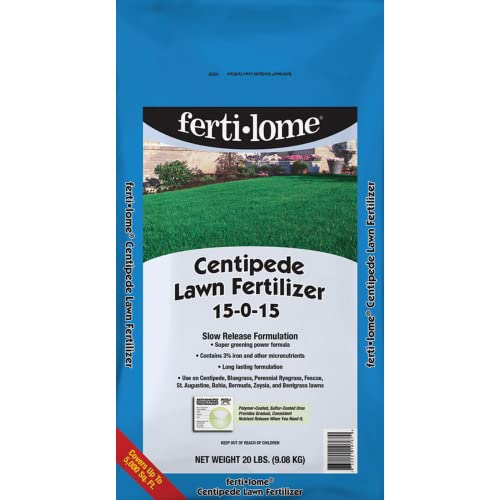
ferti-lome (10767) Centipede Lawn Fertilizer 15-0-15 20 lbs

The Andersons Professional PGF 16-0-8 Fertilizer with Humic DG 10,000 sq ft 40lb Bag

Gulf Kist Seed Centipede Grass Seed 1 lb Coated Seeds

PETRAMAX Neighbor’s Envy Grass Fertilizer 1 Gallon
More Details On Our Top Picks
The useful thing about this bag is how it handles two jobs at once, feeding centipede grass while also addressing broadleaf weeds. The 15-0-15 ratio means nitrogen and potassium are balanced around a centipede-friendly profile, and the slow-release nitrogen helps stretch out feeding instead of dumping everything at once.
That makes it a smart fit for a yard that has weeds mixed into the turf, not just a lawn that needs a color boost. The trade-off is simple, though, since weed-and-feed products ask for better timing and more care around application than plain fertilizer.
Strong Points
- Handles feeding and weed control in one pass, which saves time in a busy yard.
- Slow-release nitrogen supports steadier growth, so you are less likely to see a sudden flush.
- The 15-0-15 blend fits centipede lawn care better than high-nitrogen formulas that can push too hard.
- Iron adds a color-helping boost, which is handy for lawns that look pale after a rough stretch.
Things To Consider
- Weed-and-feed products need careful timing, especially around mowing and watering routines.
- It is less appealing for lawns that are already clean and only need feeding.
- Storage is best kept dry, since granules hold up better when moisture stays out of the bag.
Feature Snapshot
Who It Suits Best
Homeowners dealing with both weeds and centipede grass in the same yard will get the most out of this one.
A Better Fit Elsewhere
ferti-lome (13767) Centipede Lawn Fertilizer 15-0-15 16 lbs suits you better when the turf is already clean and you want a simpler feeding-only plan.
This bag leans hard into weed control, and that matters for yards where centipede shares space with St. Augustine or zoysia. The 15-0-4 formula keeps nitrogen lower than the first pick, while atrazine granules give it a more focused weed-and-feed role.
That narrower style helps in mixed warm-season lawns, but it also means you need to respect the label and the grass mix in your yard. For a homeowner who wants a weed-first product rather than a general feeder, it feels well targeted.
What We Like
- Targets pre and post-emergent weed control, so it can help before weeds fully settle in.
- The lower nitrogen ratio keeps feeding more restrained, which suits lawns that do not need a heavy push.
- It works across several warm-season grasses, which helps in yards with mixed patches.
- The granule format fits standard spreader use and keeps application straightforward.
Minor Gripes
- It asks for careful label reading because grass compatibility matters here more than with a plain fertilizer.
- It is less appealing for a lawn that only needs color correction and no weed work.
- Granular weed products usually reward even spreading, so rushed application can leave patchy results.
Core Details
Who Will Love This
Mixed warm-season lawns with centipede, St. Augustine, or zoysia benefit most from this more targeted weed-and-feed setup.
Another Choice May Suit
Hi-Yield Fertilome (13926) Centipede Weed & Feed 15-0-15 16 lbs is the simpler match when your main goal is centipede feeding with broader broadleaf weed cleanup.
This one keeps the formula tighter and more lawn-focused than the weed-and-feed options above. The 15-0-15 ratio paired with high iron makes it appealing for centipede grass that needs a greener look without a heavy nutrient swing.
It also speaks to owners of St. Augustine and other warm-season grasses, so the bag can stay useful beyond one turf type. The honest read is that you give up weed control here, but you get a cleaner feeding routine in return.
Upsides
- High iron helps support a richer green tone, which is useful when centipede looks a bit washed out.
- Slow-release nitrogen can be easier to manage in regular lawn care schedules.
- The 15-0-15 balance keeps the formula centipede-friendly and less pushy than high-nitrogen bags.
- It suits more than one warm-season grass, which helps in blended landscape beds or mixed lawns.
Small Caveats
- It does not handle weed control, so you may need a separate plan for broadleaf issues.
- Color response still depends on soil conditions and watering habits, not just the bag itself.
Details At A Glance
The Right Fit
Centipede lawns that need a cleaner, feeding-first product with iron support are the best match here.
Look Elsewhere When
Hi-Yield Fertilome (13926) Centipede Weed & Feed 15-0-15 16 lbs fits better when broadleaf weeds are part of the job.
The size of this bag matters as much as the formula. At 20 pounds with coverage stated up to 5,000 square feet, it makes sense for larger lawns where you do not want to keep replacing smaller bags.
The slow-release nitrogen is the part that keeps it friendly to centipede care, while the 15-0-15 ratio stays in the range many warm-season yards can handle. It is a straightforward, no-frills choice for people who want one bag to cover a lot of ground.
Best Bits
- The larger bag size suits broad lawns and cuts down on repeat trips to the storage shelf.
- Slow-release feeding helps reduce the chance of a sudden growth spike.
- The 15-0-15 profile is a sensible fit for centipede grass care.
- Coverage up to 5,000 square feet makes the math easy for bigger yards.
Points To Note
- The bag is bulkier, so storage space matters more than with the smaller 16-pound options.
- It is a plain feeder, so weed issues need to be handled separately.
- Large-area spreading works best with a steady pace, especially near edges and turns.
Technical Sheet
Whose Shelf It Belongs On
Large centipede yards that need a simple feeding bag with practical coverage are the natural home for this one.
Where A Sibling Pick Shines
ferti-lome (10767) Centipede Lawn Fertilizer 15-0-15 20 lbs with high iron makes more sense when you want the same bag size with a stronger color-leaning angle.
This version sits close to the previous bag in spirit, but the high iron note gives it a clearer lean toward color support. For centipede lawns that need regular feeding without a heavy hand, that can be enough to keep the lawn looking more even across the season.
Because it still uses slow-release nitrogen and the same 20-pound bag format, it feels familiar rather than flashy. That familiarity is useful in routine lawn care, especially for homeowners who want repeatable results from a predictable product.
Highlights
- High iron is useful for lawns that look a little tired or pale.
- Slow-release nitrogen keeps feeding more measured than a quick-hit formula.
- The 20-pound size is easy to work into a standard yard-care routine.
- It covers the same general warm-season turf need without adding weed-control complexity.
- The formula stays close to centipede-friendly feeding habits.
Areas To Watch
- It still leaves weed control to a separate product, so that is extra planning on your side.
- The bag size is useful, but not as compact as the smaller 16-pound options.
Core Details
Who Should Grab It
Homeowners who want a familiar centipede fertilizer with iron support and no weed-control extras will appreciate this version.
Swap It Out When
Hi-Yield Fertilome (13926) Centipede Weed & Feed 15-0-15 16 lbs makes more sense once weeds join the list of chores.
This option steps away from the centipede-specific bags and looks more like a broader turf maintenance product. The 16-0-8 ratio and Humic DG format suit larger, established lawns where you want a more general feeding plan and coverage spread over a bigger area.
Humic DG refers to a humic-acid based delivery style that aims to support soil-side feeding efficiency, and that makes this bag feel more advanced than the simpler centipede blends above. The trade-off is that it asks more judgment from you, since it is not tuned as tightly to centipede-only care.
Reasons To Buy
- Large coverage at 10,000 square feet makes it practical for broad yards.
- The 40-pound bag is suited to more serious lawn routines, not just quick spot feeding.
- Humic DG adds a soil-focused angle that many routine fertilizers do not include.
- The 16-0-8 ratio works well as a broader turf option rather than a narrow specialty bag.
Room For Improvement
- It is less centipede-specific than the ferti-lome options above, so the fit is not as direct.
- The larger bag takes more storage room and more care when pouring into a spreader.
- You may need to pay closer attention to your lawn mix, especially in yards with narrow centipede focus.
Feature Rundown
Built With In Mind
Owners with large, established lawns who want a broader feeding product will get the clearest fit here.
Where Shoppers Go Wrong
ferti-lome (13767) Centipede Lawn Fertilizer 15-0-15 16 lbs is the safer match for centipede-first lawns that need a tighter formula.
This is the odd one out in a fertilizer roundup, but that is exactly why it earns a place. Instead of feeding an existing lawn, it gives you centipede grass seed for patch repair or a new start, and the coated seed format is meant to help handling during sowing.
It fits southern yards, sun, and moderate shade, which keeps it practical for the kind of outdoor spaces where centipede grass is usually grown. For homeowners dealing with bare areas, seed can be more useful than any bag of fertilizer because you have to fill the space first.
Positives
- Good for patch repair, which makes it useful when fertilizer alone cannot solve bare spots.
- The coated seeds are easier to handle than loose seed in many home seeding jobs.
- Sun and moderate shade tolerance gives you decent flexibility across a typical yard.
- The low-maintenance angle suits centipede grass owners who prefer a calmer lawn routine.
Worth Noting
- This is seed, not fertilizer, so it belongs in the roundup as a repair option rather than a feeding option.
- Seed work depends heavily on soil prep, watering habits, and patience during establishment.
- The 1-pound size is helpful for repairs, but not for full-lawn renovation in larger yards.
Feature Card
Perfect Match For
Homeowners repairing bare areas or starting a new centipede patch in a southern yard will get the clearest value here.
Reach For A Different Pick When
ferti-lome (10767) Centipede Lawn Fertilizer 15-0-15 20 lbs is the better call once your lawn already exists and just needs feeding.
Liquid fertilizer changes the rhythm of lawn care, and this gallon concentrate is built for that style. It covers up to 16,000 square feet and folds together nitrogen, iron, humic, and sea kelp, so it speaks to homeowners who like a broader feeding mix in one bottle.
That breadth can be helpful on a busy week, since liquids are often chosen for easier mixing and quicker application through the right sprayer setup. The catch is that liquid feeding asks for a little more prep than a granular bag, so it suits a hands-on routine better than a set-and-forget approach.
Best Bits
- The liquid format is convenient for sprayer-based lawn care.
- Coverage up to 16,000 square feet gives it strong reach for a single gallon.
- Nitrogen, iron, humic, and sea kelp create a broad feeding profile.
- It works well for homeowners who want a more flexible application style.
Honest Caveats
- Liquid products require mixing and application gear, so setup matters more than with granules.
- The broader formula is useful, but it is not as centipede-specific as the ferti-lome choices.
- Storage and measuring need a little more attention to keep the routine tidy.
Spec Overview
Who Will Love This
Homeowners who already own a sprayer and prefer liquid lawn care will get the most out of this concentrate.
Another Choice May Suit
ferti-lome (13767) Centipede Lawn Fertilizer 15-0-15 16 lbs is easier to manage for centipede-focused yards that want a simple granular routine.
How To Choose The Right Fertilizers For Centipede Lawn
Match The Nitrogen Level To Centipede’s Pace
Centipede grass usually prefers a lighter feeding hand than many other warm-season lawns, so the nitrogen ratio deserves your first look. A 15-0-15 or similarly restrained profile is easier to live with than a pushy high-nitrogen formula, especially in yards that already grow fast in heat.
Slow-release nitrogen matters too, because it feeds more gradually and reduces the chance of a sudden surge. That slower pace suits homeowners who want steadier color and less mowing pressure.
Decide Whether Weed Control Belongs In The Same Bag
Weed-and-feed products make sense for lawns with visible broadleaf pressure, but they are not the cleanest choice for every yard. They ask for more timing discipline and more label reading, which is fine for established lawns but less convenient for casual use.
A plain fertilizer is easier to manage when weeds are already under control. That path also gives you more freedom to tailor feeding separately from weed treatment.
Think About Lawn Size, Bag Weight, And Application Style
Smaller bags work well for tight storage and modest yards, while larger 20- or 40-pound bags suit bigger spaces with routine spreader use. Coverage numbers help you compare the math before you haul a bag home.
Liquid concentrate changes the equation again, because it relies on a sprayer and mixing routine instead of granules. That makes it useful for homeowners who already keep spray gear on hand, but less convenient for anyone who wants a quick walk-behind spread.
Match The Product To The Yard You Actually Have
Centipede-only lawns benefit from a centipede-focused fertilizer, while mixed warm-season yards may prefer a broader formula that also works with St. Augustine or zoysia. A little label discipline goes a long way here, because a good-looking lawn starts with the right fit.
Patchy yards are a different problem entirely, and seed can matter more than fertilizer until the turf is established. For most backyards, the best result comes from pairing the product to the stage of the lawn, not just the grass name.
A Quick Reality Check
Mistakes Worth Dodging
One common slip is buying a fertilizer with more nitrogen than centipede grass really needs. Another is ignoring whether the bag is feeding only, or feeding plus weed control, because that changes how carefully you need to apply it.
Label fit matters just as much as bag size. A product that suits St. Augustine or zoysia can still feel out of place on a centipede-only lawn.
What The Higher Tier Buys
More expensive options in this category often bundle extra ingredients like iron, humic material, or liquid delivery systems. Those additions can make the product easier to tailor to a specific lawn routine, especially on larger or more demanding yards.
You also tend to pay for convenience, broader coverage, or a more specialized formula. That extra spend makes more sense when your lawn is large, mixed, or hard to keep evenly colored.
Frequently Asked Questions
What nutrient ratio works well for centipede grass?
A restrained ratio such as 15-0-15 is a familiar fit for centipede lawns. It keeps feeding more even and less aggressive than a heavy nitrogen blend.
Do weed-and-feed products make sense for centipede lawns?
Yes, they can make sense when broadleaf weeds are part of the problem. They need more careful timing than a plain feeder, though.
Is iron useful in a centipede fertilizer?
Iron can help support a deeper green look without changing the core nutrient balance. That is useful on lawns that need color help more than a major growth push.
Should you choose granules or liquid?
Granules suit straightforward spreader routines and simpler storage. Liquid suits sprayer users who want a more hands-on application style.
Can seed replace fertilizer in a centipede yard?
Seed does a different job, since it helps establish or repair turf. Fertilizer comes into play after the lawn exists and needs feeding support.
Closing Thoughts
For a centipede lawn, the smartest choice is usually the simplest one that matches your yard’s condition. A feeding-only bag works well for clean turf, weed-and-feed makes sense for mixed pressure, and seed belongs in the conversation when bare spots need fixing. The ferti-lome options are the most directly aligned with centipede care, while the Andersons bag and PetraMax liquid make sense for broader routines. Pick the one that fits your grass, your space, and how much hands-on work you want to do.