You’re probably here because fresh grass seed can feel slow and a little temperamental, especially in patchy yard spots, along new sod seams, or after a full renovation. The right starter fertilizer helps that young turf get a steady push without forcing you into guesswork about nutrient balance or coverage. This roundup focuses on six practical options, including starter blends, slow-release feeds, and one seed mix that fits the same lawn-starting job.
Quick Look At The Shortlist

Jonathan Green Veri-Green Starter Fertilizer 12-18-8 1,500 Sq. Ft.

The Andersons Premium New Lawn Starter 20-27-5 18 lb

GreenView Fairway Formula Lawn Fertilizer 33 lb. Bag 30-0-12

Scotts Kentucky 31 Grass Seed Mix 20 lbs.
Pennington Full Season Lawn Fertilizer 32-0-5 4M 11.2lb

Slow Release Lawn Fertilizer 25-5-10 NPK 20kg 44lbs
More Details On Our Top Picks
A starter blend like this makes sense for a fresh lawn patch that needs help settling in, not just a generic nitrogen push. The 12-18-8 analysis puts more weight on phosphorus, the nutrient gardeners usually associate with early root development, so it suits seeding and sodding jobs better than a plain green-up product.
The smaller 1,500 square foot coverage fits modest yards, side strips, or spot repairs, which keeps application more focused. Compared with The Andersons, this one is easier to match to compact projects, though you give up the broader coverage and higher nutrient punch of that larger bag.
Strong Points
- Starter nutrient balance suits new grass better than a general lawn feed.
- Coverage for 1,500 square feet keeps it practical for small-scale work.
- The seeding and sodding focus fits renovation projects and bare patch repair.
- Simple bag size is easier to store in a garage shelf or shed corner.
Small Caveats
- The coverage is modest, so larger yards may need multiple bags.
- It is a starter formula, so established turf may want something different later.
Feature Snapshot
Who It Suits Best
New homeowners, weekend yard renovators, and anyone seeding a small area will get the most from this pick.
A Better Fit Elsewhere
The Andersons Premium New Lawn Starter 20-27-5 works better for larger starter jobs that need more bag coverage.
This starter fertilizer leans harder into phosphorus than the Jonathan Green bag, so it suits new lawns that need a strong establishment push. The 18-pound bag covers up to 5,000 square feet, which is a much better fit for a full front yard or a broad repair project where you don’t want to stop halfway through.
The 20-27-5 analysis gives it a more aggressive starter profile, and that matters most right after seeding or sodding. The trade-off is simple, it’s more specialized than a general lawn feed, so it makes less sense for routine maintenance once the grass is already growing steadily.
Reasons To Buy
- Broad coverage reduces the need for extra bags on larger starter jobs.
- High phosphorus content fits fresh seed and new sod setups.
- Compact 18-pound format is manageable to carry and pour.
- Useful for homeowners who want one clear lawn-starting product.
Points To Note
- It is tailored to establishment work, not ongoing feeding.
- The stronger starter profile may be more than a tiny patch needs.
At A Glance
Who Should Grab It
Property owners reseeding a medium yard or laying new sod will get the best fit here.
Look Elsewhere When
Jonathan Green Veri-Green Starter Fertilizer 12-18-8 suits smaller spaces that need a gentler coverage commitment.
Compared with the starter blends above, this one shifts toward established turf care. Its 30-0-12 formula skips phosphorus entirely and leans on nitrogen, which is the nutrient most people associate with leaf growth and color, so it fits a lawn that already has roots in place and just needs steadier feeding.
The 33-pound bag covers 10,000 square feet, and that bigger footprint matters for suburban lawns or anyone tired of buying small sacks all season. The slow-release nitrogen is designed to feed over 12 weeks, so the schedule feels less frantic, although that longer feed window also makes it less of a first-step choice for fresh seed.
Upsides
- Large coverage suits full-yard treatment without constant bag changes.
- Slow-release feeding helps stretch applications over a longer span.
- Nitrogen-focused formula supports greener, denser-looking established grass.
- Good fit for homeowners who prefer fewer feedings through the season.
Worth Noting
- It is less aligned with brand-new seed than a true starter mix.
- The larger bag takes more storage space in a shed or garage.
Details At A Glance
The Right Fit
Homeowners with established turf and a regular lawn-care routine will get the most value here.
Another Choice May Suit
The Andersons Premium New Lawn Starter 20-27-5 is the better match for fresh seeding and sod installation.
Strictly speaking, this is seed rather than fertilizer, but it belongs in a grass-starting roundup because many yards need both pieces of the puzzle. Kentucky 31 is the type of seed people often choose for wider coverage jobs and rougher lawn areas, where the goal is filling space first and polishing the lawn later.
The 20-pound bag covers up to 5,000 square feet, which gives you a useful amount for reseeding a broad strip or an older yard that needs thickening. The trade-off is that seed choice always depends on your climate, shade, and soil conditions, so this works best for homeowners who already know Kentucky 31 fits their yard plan.
Bright Spots
- Large bag size suits broader reseeding and renovation projects.
- Fits the early stage of lawn building alongside starter fertilizer.
- Useful for filling large open areas without constant restocking.
- Simple, single-purpose format keeps lawn planning straightforward.
Areas To Watch
- It is seed, so it does not replace a starter fertilizer.
- Grass type fit depends on your yard conditions and goals.
Core Details
Built With In Mind
Homeowners reseeding broad, open lawns will find this a practical seed choice.
Where A Sibling Pick Shines
Jonathan Green Veri-Green Starter Fertilizer 12-18-8 is the better companion for anyone pairing seed with a true starter feed.
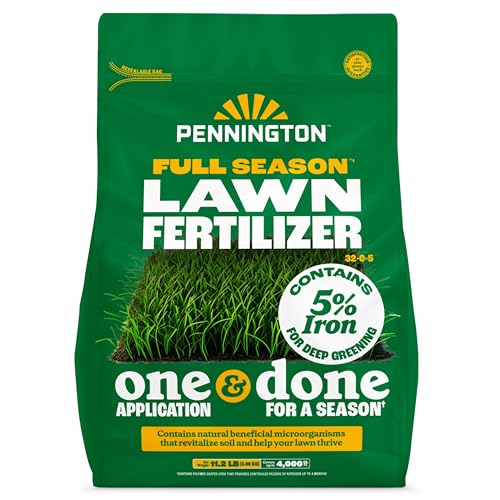
This one is built for homeowners who want a more hands-off feeding routine. The 32-0-5 formula leans into nitrogen and potassium, while the 4M slow-release claim points to a longer feeding cycle, so it makes sense for lawns that need steady color support without constant reapplication.
The 11.2-pound bag keeps handling simple, which matters in garages where storage space is already tight. Compared with GreenView, it’s a lighter bag and a more seasonal-minded option, though the smaller package also means you’ll want to pay attention to lawn size before you commit.
Best Bits
- Slow-release format suits a lower-maintenance lawn routine.
- Seasonal approach keeps feeding from feeling overly frequent.
- Smaller bag is easier to move, pour, and store.
- Useful for homeowners who prefer a simple lawn plan.
Trade Offs
- It is not a starter fertilizer, so new seed needs a different approach.
- The smaller bag may be less convenient for larger yards.
- Seasonal feeding fit depends on how you manage your lawn calendar.
Spec Overview
Whose Shelf It Belongs On
This fits homeowners who want a straightforward seasonal fertilizer for an established yard.
Skip It When
The Andersons Premium New Lawn Starter 20-27-5 is the better match for bare soil, seed, or sod.
This bag looks built for bigger lawns and longer feeding gaps, thanks to its 20 kg size and the stated 110-day deep-feeding window. The 25-5-10 NPK blend keeps nitrogen in the lead while still adding phosphorus and potassium, so it reads like a broad lawn-care option rather than a narrow starter-only product.
That larger bag is useful for anyone managing a wide yard or wanting fewer trips for replacements, though it also takes more storage room and can be bulky to handle. Compared with Pennington’s smaller seasonal bag, this one feels more suited to heavy coverage and less to tidy storage in a cramped shed.
Highlights
- Large bag size suits broad lawns and repeated coverage needs.
- Slow-release format supports a longer feeding cycle.
- Balanced NPK mix works for general turf maintenance.
- Good fit for households that prefer fewer seasonal restocks.
- The granular form is easier to spread with common lawn equipment.
Minor Gripes
- The bag can feel cumbersome in smaller storage spaces.
- It is more of a general lawn feed than a true starter product.
- Coverage needs matter more here, since the package is substantial.
Feature Card
Perfect Match For
Owners of large lawns who want a substantial slow-release feed will get the best fit here.
Where Shoppers Go Wrong
Jonathan Green Veri-Green Starter Fertilizer 12-18-8 is the smarter first step for fresh seed and sod.
How To Choose The Right Fertilizers For Grass Seed
Match The Formula To The Stage Of Growth
Fresh seed and new sod need a starter fertilizer, usually one with a higher middle number in the NPK trio. NPK stands for nitrogen, phosphorus, and potassium, and that middle number matters because phosphorus supports early root development. Established lawns want a different story, usually more nitrogen for steady color and blade growth.
You can think of it as two jobs with two tools. Jonathan Green and The Andersons fit seeding work, while GreenView and Pennington lean more toward ongoing turf care. That split saves you from feeding new grass like it’s already mature.
Check Coverage Before You Start
Bag size is easy to ignore until you’re halfway through a lawn and short on material. A 1,500 square foot bag suits patches and smaller yards, while 5,000 to 10,000 square feet works better for broader renovations or full-yard coverage.
Coverage also shapes storage and handling. Smaller bags are simpler to move and keep dry, while heavier bags make more sense for larger properties that need fewer refills.
Think About Release Speed And Routine
Slow-release fertilizer feeds over time instead of all at once, which is useful for busy homeowners who don’t want to reapply every few weeks. GreenView and Pennington both point in that direction, though their coverage and bag sizes are aimed at different lawn sizes.
Faster-starting blends can be a better match right after seeding, especially where you want the lawn to get moving quickly. The trade-off is that they ask for more attention to timing, watering, and follow-up care.
Choose For Your Yard, Not Just The Label
Shade, soil type, and lawn size all matter more than a catchy front-panel promise. A medium suburban yard can benefit from a broad-coverage bag, while a small repair area is usually better served by a compact starter blend.
That’s why the best choice depends on your actual yard routine. For new grass, focus on starter nutrition first, then move toward maintenance feeding once the turf is established.
Things Worth Knowing First
Wrong Turns To Avoid
One common miss is buying a maintenance fertilizer for fresh seed. Another is choosing a bag that covers far more ground than your yard needs, which just adds storage trouble and waste.
It also helps to keep seed and fertilizer roles separate. Scotts Kentucky 31 is seed, not feed, so it belongs beside a starter fertilizer, not in place of one.
Where The Extra Money Goes
Higher-tier options usually spend more on slow-release behavior, broader coverage, or a more refined nutrient balance. That means less frequent reapplication, better fit for larger lawns, or a formula built around a very specific lawn stage.
For a small patch, that upgrade may feel unnecessary. For a bigger yard or a lawn you want to manage with fewer interruptions, it often makes good practical sense.
Frequently Asked Questions
Can You Use Starter Fertilizer On An Existing Lawn?
You can, but it usually makes more sense for new seed, sod, or repair work. Established grass tends to benefit more from a maintenance feed with a different nutrient balance.
How Important Is The Middle Number In NPK?
The middle number is phosphorus, and it matters most during early root establishment. That’s why starter products often put more emphasis there than general lawn fertilizers.
Do Slow-Release Formulas Reduce Maintenance?
They usually make feeding feel less frequent because nutrients are released over time. That said, they still need proper spreading and normal lawn care afterward.
How Do You Choose Bag Size?
Match the bag to your yard coverage, not just the label on the front. Smaller bags work well for patches and compact lawns, while larger bags are easier for full-yard applications.
Can Seed And Fertilizer Be Bought Together?
Yes, but they still serve different roles in the lawn-starting process. Seed fills the space, and fertilizer supports the young grass after it begins to grow.
Closing Thoughts
The right pick depends on where your lawn is starting from. Fresh seed and new sod need a starter formula like Jonathan Green or The Andersons, while an established yard usually does better with GreenView, Pennington, or the heavier Eco Solutions bag. Scotts Kentucky 31 sits in the seed lane, so it belongs in a renovation plan rather than as a stand-alone feeding answer. Match the bag to your yard size, your mowing routine, and how much follow-up care you want to manage, and the choice gets much simpler.