Summer lawn care gets tricky fast, especially once heat, foot traffic, and dry spells start stacking up. You need a fertilizer that fits the season, your grass type, and how much effort you want to put into spreading, spraying, or cleaning up after the job.
Some of these picks lean toward quick green-up, while others focus on steadier feeding or tougher turf. That mix gives you room to match the product to your yard instead of forcing one formula to do everything.
Quick Summer Shortlist

Jonathan Green Summer Survival Insect Control with Lawn Fertilizer 13-0-3 5,000 Sq. Ft.

Alaska Fish Fertilizer OMRI Listed 5-1-1

Petramax Liquid Nitrogen Fertilizer 28-0-0 NPK 32 Oz
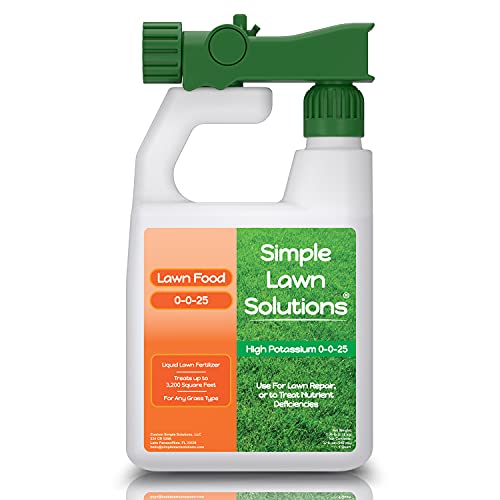
Simple Lawn Solutions High Potassium Lawn Food Liquid Fertilizer 0-0-25 32 Ounce

Yard Mastery 7-0-20 Summer Lawn and Turf Stress Granular Fertilizer Blend 45lb
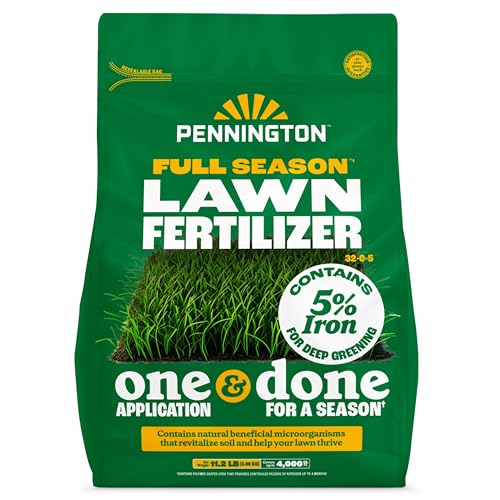
Pennington Full Season Lawn Fertilizer 32-0-5 4M 11.2lb

Eco Solutions Slow Release Lawn Fertilizer 25-5-10 NPK 20kg 44lbs
More Details On Our Top Picks
Summer lawns that attract ants, chinch bugs, or webworms need more than a basic feed, and this Jonathan Green blend goes straight at that problem. The 13-0-3 analysis gives you nitrogen for color and growth, plus potassium for general turf support, while the controlled-release format is meant to keep feeding steadier across about two months.
That makes it a strong fit for yards that get chewed up by heat and pests at the same time. The honest trade-off is that it’s built for broad lawn use, so it’s less appealing for people who only want a simple nutrition boost without the insect-control piece.
Strong Points
- Addresses surface-feeding insects while feeding the grass at the same time.
- Controlled-release nitrogen helps the lawn stay greener without constant reapplication.
- The 5,000 square foot coverage suits many suburban yards.
- Useful around structures, where a treated perimeter can matter.
Things To Consider
- The insect-control angle adds complexity you may not need for a calm lawn.
- Granular spreading takes more setup than a liquid pour-and-spray product.
- You’ll want careful application around walkways and planting edges.
Feature Snapshot
Who It Suits Best
Yard owners dealing with summer insect pressure and wanting one product to handle both jobs will get the most from this formula.
Where A Sibling Pick Shines
Alaska Fish Fertilizer OMRI Listed 5-1-1 suits gardeners who want gentler feeding for beds, shrubs, and containers rather than lawn insect control.
Compared with the lawn-first Jonathan Green pick, this one is built for a wider mix of plants, including roses, vegetables, fruiting plants, shrubs, trees, and containers. The 5-1-1 ratio leans lightly on nitrogen, which makes sense for steady feeding without pushing a heavy, aggressive response.
That gentler profile suits mixed home gardens where you want one liquid fertilizer that can travel from patio pots to in-ground beds. The trade-off is simple, it’s not a heavy turf formula, so lawn owners chasing a fast green-up will likely want one of the higher-nitrogen picks instead.
Highlights
- Works across many plant types, which helps simplify garden care.
- Liquid format makes mixing and watering in feel straightforward.
- Useful for container plants that need regular, lighter feeding.
- The lower nitrogen ratio is friendlier for routine plant maintenance.
Room For Improvement
- It’s less targeted for turf than the lawn-only fertilizers in this list.
- Liquid feeding can mean more frequent handling than a slow-release granule.
- The fish-based profile may not suit every storage space or scent preference.
Core Details
Built With In Mind
Gardeners with mixed beds, patio containers, and fruiting plants will usually find this more flexible than a turf-only product.
Another Choice May Suit
Petramax Liquid Nitrogen Fertilizer 28-0-0 NPK is the better fit for someone focused on fast lawn color rather than broader plant feeding.
Once you move from a garden-wide liquid like Alaska’s formula to a turf-only spray, the focus shifts hard toward color and growth. Petramax brings a 28-0-0 analysis, so the emphasis is almost entirely on nitrogen, and that usually appeals to lawn owners who want a stronger visual lift during the warm months.
The spray-on format also keeps application simple for smaller or medium lawns where dragging out a spreader feels like overkill. The catch is that this kind of high-nitrogen mix deserves careful use, since heavy feeding is not the same thing as balanced care.
What We Like
- High nitrogen content gives the formula a clear turf focus.
- Spray application can fit quick maintenance routines.
- Liquid format works well for spot coverage and even distribution.
- The 32-ounce bottle is easy to store on a shelf or in a utility cabinet.
Worth Noting
- Strong nitrogen output means careful measuring matters.
- Liquid products usually ask for more mixing and rinsing than granular bags.
- It’s less versatile than the Alaska pick for garden beds and shrubs.
Technical Sheet
Whose Shelf It Belongs On
Lawn owners who want a direct, fast-acting liquid feed for summer turf work will get the clearest value here.
Skip It When
Yard Mastery 7-0-20 Summer Lawn and Turf Stress Granular Fertilizer Blend makes more sense for a larger lawn that needs broader coverage from a single bag.
After the nitrogen-heavy Petramax option, this one flips the focus to potassium, the third number in the NPK trio, which is the mineral side of the formula that supports general plant hardiness. That makes it a sensible summer and fall pick for turf that already has enough growth push and needs sturdier overall support instead.
The concentrated spray format keeps it compact, and that’s handy for a garage shelf or shed where bagged fertilizer feels bulky. The trade-off is pretty clear, though, because you’re choosing support and conditioning over a strong green-up jolt.
Upsides
- Potassium-forward formula suits turf support more than leaf chasing.
- Concentrated liquid keeps storage simple.
- Works across grass types, which broadens the use case.
- Good summer-to-fall transition option for established lawns.
Softer Spots
- It’s not the right tool for someone after a high-nitrogen burst.
- Liquid feeding asks for attention during mixing and application.
- The support-first profile can feel subtle compared with stronger turf formulas.
Feature Rundown
Right Fit For
Homeowners who want a potassium-led liquid for established grass during the warm season will find the fit more natural than a pure growth formula.
Reach For A Different Pick When
Petramax Liquid Nitrogen Fertilizer 28-0-0 NPK suits lawns that need a more obvious green-up than this potassium-focused blend delivers.
This Yard Mastery blend looks built for bigger lawns that need a broader, slower style of feeding than a liquid spray can offer. The 7-0-20 analysis, plus the listed iron content and Bio-Nite, points toward a formula meant to support stress-prone turf without making the lawn chase growth all at once.
The 45-pound bag is the sort of thing that belongs in a serious shed, not a tight apartment closet, and it fits that role well. Compared with the smaller liquid bottles above, this one is more about long coverage and fewer refills, which is useful for wide properties.
Best Bits
- Covers a large area, so one bag can handle a substantial lawn.
- Granular format works well with standard spreaders.
- Iron gives the formula an extra turf-support angle.
- Bio-Nite adds a distinct blend profile for lawn care routines.
Areas To Watch
- The bag size is cumbersome for smaller storage spaces.
- Granular application takes more setup than a spray bottle.
- It’s more lawn-centric than the garden-friendly Alaska option.
Details At A Glance
The Right Fit
Owners of larger lawns who want a single granular bag for summer stress management will get the most value from this one.
Look Elsewhere When
Simple Lawn Solutions High Potassium Lawn Food Liquid Fertilizer 0-0-25 is easier to handle for small yards or tighter storage areas.
Pennington takes a simpler route than the larger Yard Mastery bag, because the pitch here is fewer feedings and a slower pace. The 32-0-5 analysis and 4M slow-release setup point toward a long-haul lawn product, the kind that suits owners who prefer a steadier routine over frequent touch-ups.
The 11.2-pound bag is easier to move, store, and pour than the bulkier granules above, so it works well for smaller yards or for anyone who doesn’t want a lot of leftover product sitting around. The only real catch is that a slower release schedule can feel less dramatic than a fast liquid feed.
Reasons To Buy
- Slow-release design reduces the need for repeated applications.
- High nitrogen content supports greening and growth.
- Smaller bag size is easier to manage and store.
- Good fit for a once-per-season lawn routine.
Small Caveats
- It won’t deliver the immediate look change some people want in summer.
- The lawn-first design leaves little room for other plant types.
- You’ll still need a spreader and basic cleanup after application.
Spec Overview
Made For
Busy lawn owners who want a once-per-season style product for grass greening and basic upkeep will appreciate the low-fuss format.
A Better Fit Elsewhere
Eco Solutions Slow Release Lawn Fertilizer 25-5-10 NPK makes more sense for someone who wants a larger bag and a longer feeding window.
Eco Solutions closes the list with a long-feed granular option that leans into deeper, steadier feeding rather than a fast cosmetic lift. The 25-5-10 NPK blend and 65% granular nitrogen formula suggest a product aimed at sustained lawn care, and the 20 kilogram bag gives you plenty of material for larger properties.
Compared with Pennington’s smaller slow-release bag, this one suits owners who want more coverage and a longer feeding horizon in a single purchase. The trade-off is straightforward, since bulk size and granules ask for more storage space and more setup at application time.
Best Bits
- Long feeding window fits a lower-maintenance lawn routine.
- Large bag size works well for broad yards.
- Granular nitrogen profile supports sustained feeding.
- Clear NPK balance gives the formula a familiar turf structure.
Points To Note
- The bag is bulky, so storage matters.
- Granular use means you need a spreader and cleanup time.
- It’s less compact than the liquid options in this roundup.
Feature Card
Who Should Grab It
Large-lot owners and anyone wanting a long-release granular fertilizer for extended summer feeding will get the clearest fit here.
Where A Sibling Pick Shines
Pennington Full Season Lawn Fertilizer 32-0-5 4M is easier to handle for smaller lawns or tighter storage spaces.
How To Choose The Right Fertilizers For Summer
Match The NPK To The Job
NPK means nitrogen, phosphorus, and potassium, the three numbers you see on most fertilizer labels. Nitrogen drives green color and top growth, phosphorus supports root development, and potassium helps the plant handle general stress.
For summer lawns, a nitrogen-heavy formula usually suits grass that looks pale or tired, while potassium-leaning products make more sense for turf that needs sturdier support than a growth push. Broad garden beds, shrubs, and fruiting plants often benefit from gentler feeding rather than a turf-style blast.
Choose Liquid Or Granular With Your Routine In Mind
Liquid fertilizer mixes into water and spreads quickly, which suits small yards, patch work, or garden beds that need easy coverage. Granular fertilizer needs a spreader, but it usually gives a longer, steadier feeding window.
The right format depends on how you already care for the yard. A liquid can feel nimble, while a bag of granules is more efficient for wide lawns that you’d rather treat less often.
Think About Summer Stress, Not Just Color
Heat, foot traffic, and dry patches change what a lawn needs. Products with controlled-release nitrogen or added potassium are often a better seasonal fit than a quick green-up formula that fades fast.
That matters most in yards that already take a beating from kids, pets, or regular weekend use. A product that supports the grass through stress can be a better match than one that only chases a deeper shade of green.
Check Coverage, Storage, And Cleanup
Coverage tells you how much ground a bag or bottle can handle, so it’s worth matching that number to your lawn size before you commit. Small containers suit compact spaces and quick jobs, while heavier bags fit larger properties and spreader-based routines.
Storage and cleanup matter too, especially with liquid concentrates that need rinsing and granular bags that can attract moisture. A tidy garage shelf and a simple application routine often matter just as much as the nutrient analysis itself.
What To Weigh Before You Choose
Mistakes Worth Dodging
A common slip is picking a formula for the numbers alone and forgetting the use case. A high-nitrogen liquid can look impressive on paper, but it’s a poor match for someone who wants slower feeding or broader plant support.
Another frequent miss is underestimating coverage. A small bottle can be handy, but a big yard will eat through it fast, which means more handling and a less efficient routine.
The Upgrade Payoff
Higher-tier fertilizers usually cost more because they bring more targeted nutrient ratios, steadier release patterns, or extra ingredients such as iron or insect-control support. Those details matter most when your lawn has real problems to solve, not just a vague wish for better color.
Spending up makes sense for large properties, stressed turf, or mixed-use yards where a basic feed would leave gaps. For a small, uncomplicated lawn, a simpler product often does the job without extra fuss.
Frequently Asked Questions
What makes a summer fertilizer different from a spring one?
Summer formulas usually focus more on stress support and steady feeding than on aggressive growth. That balance helps turf handle heat and frequent use.
Should you choose liquid or granular fertilizer?
Liquid works well for quick application and smaller areas. Granular fits larger lawns and often stretches feeding over a longer period.
How do you read NPK numbers?
The first number is nitrogen, the second is phosphorus, and the third is potassium. Those numbers show the fertilizer’s basic nutrient balance.
Can one fertilizer work for both lawns and gardens?
Some liquid plant foods can do both, especially gentler formulas. Turf-focused products usually fit grass better than mixed garden beds.
Why does coverage matter so much?
Coverage tells you how much area the product can treat, which affects value and convenience. It also helps you avoid running short halfway through a lawn job.