Cold weather gives turf a narrow window to store strength before dormancy, and the right fertilizer can make that fall feeding count. You want a formula that matches your grass type, yard size, and how much upkeep you want to handle through the season. Some picks lean heavy on nitrogen for color and growth, while others lean on potassium for hardiness and stress support. This roundup keeps the choices practical for home lawns, larger properties, and low-maintenance schedules.
Quick Look At The Shortlist
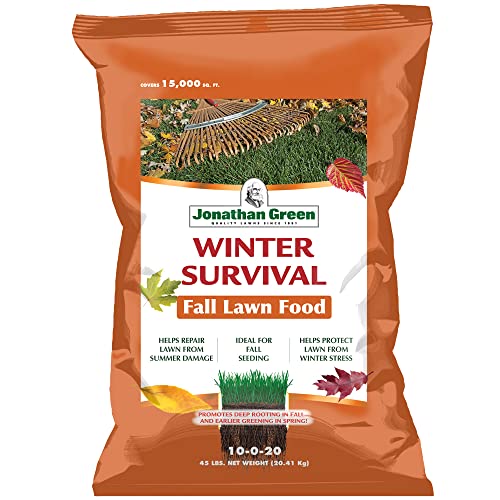
Jonathan Green Winter Survival Fall Lawn Food 10-0-20 15,000 Sq. Ft.

Fertilome Winterizer for Established Lawns 25-0-6 20 LBS

Lawn Pro Step 4 Lawn Fertlizer 32-0-12 5000 Sq. Ft. Granules

Yard Mastery 7-0-20 Summer Lawn and Turf Stress Blend Bio-Nite 45lb Bag

Eco Solutions Slow Release Lawn Fertilizer 25-5-10 NPK 20kg 44lbs Bag
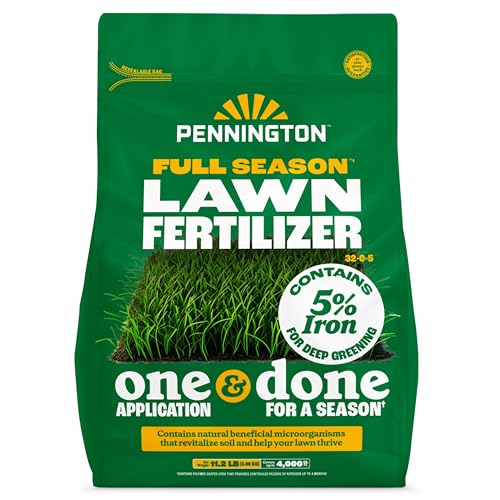
Pennington Full Season Lawn Fertilizer 32-0-5 4M 11.2lb

GreenView Lawn Food 16 lb. Bag 22-0-4 NPK Formula 5,000 sq. ft.

The Andersons Premium Fall Lawn Food 24-0-14 Fertilizer 5,000 sq ft Bag
More Details On Our Top Picks
Jonathan Green leans into fall prep with a 10-0-20 analysis, so the formula puts the emphasis on potassium rather than a heavy nitrogen push. That makes sense for larger lawns that need sturdier seasonal support without chasing a fast, lush burst right before winter.
You may prefer this style of feeding for turf that has already had its growing-season attention and just needs a calmer finish. The trade-off is simple, it is less about quick cosmetic greening and more about giving the lawn a stronger shoulder into cold weather.
Strong Points
- Potassium-heavy balance suits fall timing well.
- The 15,000 sq. ft. coverage fits broad yards.
- It supports seasonal prep without a flashy nitrogen surge.
- Large-format packaging suits fewer refill trips.
Things To Consider
- That low nitrogen ratio won't suit anyone chasing fast green color.
- The bag size can feel bulky in tighter storage spaces.
- You'll want an even spread pattern to avoid patchy application.
Feature Snapshot
Who It Suits Best
Homeowners with medium to large turf areas and a fall-first feeding plan get the most from this pick.
Where A Sibling Pick Shines
Fertilome Winterizer for Established Lawns 25-0-6 suits you better when you want a stronger nitrogen-driven seasonal push on established grass.
This one is aimed squarely at established grass, and the 25-0-6 analysis makes that intent obvious. The higher nitrogen level helps support strong seasonal feeding, while the added potassium brings a more cold-season-minded balance than Lawn Pro Step 4.
For many suburban lawns, that mix feels like the right middle ground between color support and winter prep. The honest read is that it works best for turf already rooted in place, not for a new lawn still figuring itself out.
What We Like
- Established-lawns focus keeps the purpose clear.
- 25-0-6 gives a strong seasonal nutrient profile.
- Granules are straightforward to spread evenly.
- The 20 lb. bag suits smaller to mid-size yards.
Room For Improvement
- It is a narrower fit for freshly seeded turf.
- Smaller yards may have material left over after one round.
Core Details
Who Will Love This
Shoppers with mature lawns that need a strong autumn feeding usually get the best match here.
Another Choice May Suit
Jonathan Green Winter Survival Fall Lawn Food 10-0-20 is a better fit for a larger lawn that benefits from a more potassium-led finish.
The 32-0-12 formula puts this pick on the more growth-oriented end of the group, and that matters for lawns that need a clear green-up push. Compared with Fertilome, it leans harder into nitrogen, so the benefit is visual vigor rather than a softer winterizer profile.
That makes it a sensible fit for smaller yards where coverage stops at 5,000 sq. ft. and spreading control matters. In a busy home schedule, the granules are easy to handle, though the stronger feed profile asks for a little more care around application timing.
Upsides
- 32-0-12 gives a strong nitrogen-led feed.
- The 5,000 sq. ft. coverage suits compact lawns.
- Granular form helps with even spreading.
- Good match for lawns recovering from summer stress.
Points To Note
- It is less winter-focused than the potassium-heavier picks.
- Smaller coverage makes it a poor fit for large yards.
- Timing matters more here than with slower, gentler formulas.
Details At A Glance
Best Suited To
Homeowners with smaller turf areas who want stronger seasonal color support should look here first.
Look Elsewhere When
Pennington Full Season Lawn Fertilizer 32-0-5 suits you better when you want a slower-feeding option for less frequent application.
Yard Mastery takes a different angle from the first three, with a 7-0-20 analysis and added iron plus Bio-Nite. Iron here means the mineral often used to deepen turf color, while the Bio-Nite component is positioned as an added feed source in the blend.
That combination makes sense for lawns under heat or stress, especially where you want a more measured nitrogen load. The 45 lb. bag and 15,000 sq. ft. coverage also suit broad properties, though the heavier bag is a little less convenient to store and move around.
Bright Spots
- The 7-0-20 balance keeps nitrogen restrained.
- 3% iron adds a useful color-support angle.
- Large coverage works well for broad lawns.
- The granular format makes spread patterns easier to manage.
Areas To Watch
- The 45 lb. bag takes more storage space.
- Its stress-focused profile is less about rapid greening.
- Heavier handling can be less convenient for small properties.
Spec Overview
The Right Fit
Large-yard owners dealing with turf stress and wanting a restrained nitrogen profile should look closely here.
Swap It Out When
The Andersons Premium Fall Lawn Food 24-0-14 is the better fit for a more fall-specific nutrient balance on a smaller yard.
Eco Solutions is built around slow release feeding, and that matters more than the bag size at first glance. Slow release means the nutrients are designed to break down over time, so the lawn gets a steadier feed instead of a quick spike.
For home lawns that need a lower-touch routine, that can be a relief, especially during a packed fall schedule. The 25-5-10 ratio gives it more versatility than a pure winterizer, though it still asks you to think about your grass type and timing rather than treating it like a one-step cure-all.
Positives
- Slow release feeding supports a steadier routine.
- 25-5-10 offers a more rounded nutrient mix.
- The large 20 kg bag suits bigger properties.
- Longer feeding windows can reduce repeat applications.
Softer Spots
- The bag is substantial, so storage takes planning.
- Its broader nutrient mix is less narrowly winter-focused.
- Slow release feeding asks a bit more patience.
Feature Rundown
Made For
Busy lawn owners who want a slower, steadier feed and don't mind a larger bag should feel at home with this one.
A Better Fit Elsewhere
GreenView Lawn Food 22-0-4 is a cleaner fit for someone who wants a smaller lawn-care bag with a more straightforward feeding cycle.
Pennington takes a low-hassle route with slow release feeding, and the 4M in the name points to a long-lasting nutrient release schedule. That kind of setup suits someone who wants a more measured approach through the season instead of juggling repeated lawn-feed dates.
Compared with Lawn Pro Step 4, this is less about a strong immediate push and more about consistency. The 11.2 lb. bag is easier to carry and store than some of the heavier options here, though smaller package size also means less overall coverage per bag.
Highlights
- Slow release timing suits a lower-maintenance routine.
- 32-0-5 keeps the focus on strong nitrogen support.
- The 11.2 lb. bag is easy to handle.
- Good fit for seasonal lawn care schedules.
Small Caveats
- The bag size is modest for bigger properties.
- It is not the most potassium-heavy fall option.
- Slow release results can feel less immediate than quick-feed formulas.
Quick Facts
Whose Shelf It Belongs On
Homeowners who want a steadier, season-long feeding plan and a lighter bag will appreciate this one.
Reach For A Different Pick When
Yard Mastery 7-0-20 makes more sense for a wider lawn that needs a potassium-led stress blend and larger coverage.
GreenView sits in a comfortable middle zone, with 22-0-4 feeding and an eight-week continuous schedule. That eight-week span gives you a practical rhythm for routine lawn care, especially on a 5,000 sq. ft. yard where a lighter, repeatable plan often makes sense.
Compared with Pennington, this one feels a touch more straightforward in the bag size and use case. The trade-off is that it does not lean as hard into winter-specific positioning as Jonathan Green or Fertilome, so it suits regular feeding more than a strict fall-only routine.
Reasons To Buy
- Eight weeks of feeding suits routine maintenance.
- 22-0-4 gives a familiar lawn-food balance.
- 5,000 sq. ft. coverage fits many suburban lawns.
- The 16 lb. bag is simple to store and move.
Worth Noting
- It is less specialized than the stronger winterizers.
- The shorter coverage range may require more than one bag on larger lawns.
- Routine feeding is its strength, not a heavy seasonal reset.
Core Details
Perfect Match For
Homeowners who want a reliable routine feed for a standard yard should find this easy to live with.
Where Shoppers Go Wrong
The Andersons Premium Fall Lawn Food 24-0-14 is the better fit for someone specifically chasing a fall-focused formula with more potassium emphasis.
The Andersons brings a fall-specific 24-0-14 ratio, so the formula leans into seasonal lawn prep without drifting into a generic yard feed. Compared with GreenView, it looks more tailored for autumn timing, while still staying manageable at 5,000 sq. ft.
That makes it appealing for lawn owners who want a more deliberate fall finish and do not need a huge bag. One thing worth considering is that the stronger seasonal focus helps most where your goal is prepping turf for cold weather rather than feeding all summer long.
Best Bits
- 24-0-14 is clearly tuned for fall feeding.
- 5,000 sq. ft. coverage suits smaller lawns.
- The bag format is easy to handle and store.
- Good seasonal focus without unnecessary complexity.
Honest Caveats
- Smaller coverage limits it to modest yard sizes.
- It is less flexible than broader, all-season blends.
- Season-specific formulas need better timing than casual spread-anytime products.
Feature Card
Built With In Mind
Fall lawn-care planners who want a purpose-built seasonal feed for a smaller property should consider this one closely.
Not Your Match When
Yard Mastery 7-0-20 is the better choice for a much larger lawn that needs a stress-focused blend and heavier coverage.
How To Choose The Right Fertilizers For Winterizing Lawn
Start With Your Lawn’s Timing
Winterizing lawn fertilizer works best when the grass is still active enough to take in nutrients but already past its summer stress. That timing matters because a fall feed is meant to support root growth, stored energy, and seasonal resilience, not force a big late burst of top growth.
Cool-season grasses and warm-season grasses often need different approaches, so your local climate matters as much as the bag label. A potassium-heavier formula usually fits fall prep better than a strong, fast nitrogen push, especially when cold weather arrives soon after application.
Match The Formula To Your Goal
N-P-K stands for nitrogen, phosphorus, and potassium. Nitrogen supports leaf growth and color, phosphorus supports root development, and potassium helps with overall seasonal strength, so a winterizing blend usually puts more weight on potassium and moderated nitrogen.
That balance matters because a lawn that is already healthy needs protection more than a sudden growth spurt. For a lawn that still looks thin or tired, a formula with more nitrogen can help, but the trade-off is that it may feel less like a true winterizer and more like a general lawn feed.
Size The Bag To The Yard
Coverage is easy to overlook, then suddenly the bag is gone halfway through the yard. A 5,000 sq. ft. bag suits many suburban lawns, while larger properties usually feel better with 15,000 sq. ft. coverage or a heavier bag that reduces repeat trips.
Storage matters too. A 44 lb. or 45 lb. bag can be awkward in a small garage, while a lighter 11.2 lb. or 16 lb. package is easier to lift and tuck away between uses.
Think About How Much Maintenance You Want
Slow release formulas feed over a longer period, which can simplify your seasonal routine. That can be a smart fit for busy households, but it also means you need patience rather than expecting quick color changes.
Granular products are common because they spread well and store easily, though they still depend on an even application. A broadcast spreader helps, and that matters more on larger lawns where patchy coverage stands out fast.
A Quick Reality Check Before You Decide
Common Shopping Slip Ups
People often grab a formula based on the highest nitrogen number, then wonder why it feels too growth-heavy for fall. A better move is matching the bag to your season, your grass, and the size of your yard.
Another easy miss is ignoring coverage math. A compact bag can be convenient, but it can also leave you short on a larger property or force a second purchase you did not plan for.
When Paying More Pays Off
Higher-tier formulas usually earn their place with more targeted nutrient balance, slower release patterns, or extra ingredients like iron. Those features matter most when your lawn is large, your schedule is tight, or your turf needs a more deliberate seasonal finish.
Basic blends still make sense for straightforward yards and routine feeding. The upgrade pays off when you want less guesswork and a formula that lines up more closely with fall preparation rather than generic growth.
Frequently Asked Questions
What makes a fertilizer good for winterizing lawn care?
A good winterizing fertilizer usually leans on potassium and controlled nitrogen. That balance supports seasonal strength without pushing excessive late growth.
Should you use the same product for all grass types?
No, grass type and climate should guide your choice. Cool-season and warm-season lawns often respond better to different feeding styles and timing.
Is slow release worth choosing for fall feeding?
Slow release can be very practical for busy home care routines. It spreads nutrient delivery over time, which helps keep the schedule simpler.
How much coverage do you really need?
Match the bag to your square footage with a little room to spare. A product that covers too little can leave your lawn half-fed and harder to manage evenly.
Do larger bags always make better sense?
Not always, because storage and handling matter too. A large bag helps on big properties, but a smaller package can be easier to manage on compact lawns.