Yard feeding gets easier once you match the formula to the way your grass actually grows. Some lawns need a deep, steady release, while others respond better to a quick color boost or a gentler, lower-nitrogen blend.
This roundup keeps the focus on real use cases, not jargon. You’ll see liquid and granular options, longer-feeding picks, and smaller bottles for touch-up work, so you can choose the one that fits your lawn care routine without guesswork.
The Shortlist At A Glance

PetraMax Neighbor’s Envy Grass Fertilizer 1 Gallon

Yard Mastery 24-0-6 Flagship Granular Lawn Fertilizer

Yard Mastery 7-0-20 Summer Lawn and Turf Stress Blend

GreenView Fairway Formula Lawn Fertilizer 33 lb. Bag
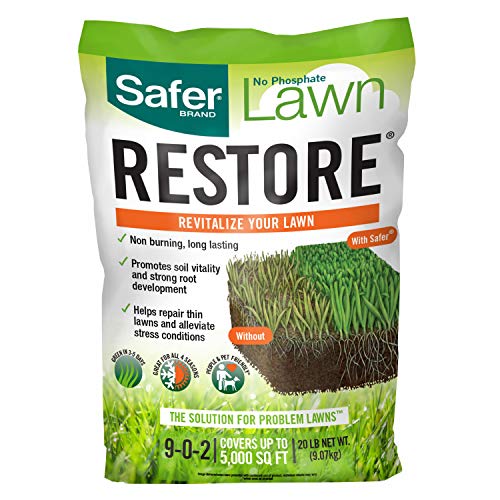
Safer Brand Lawn Restore Natural Lawn Fertilizer 9335SR

Scotts Liquid Green Max Lawn Food 32 oz.
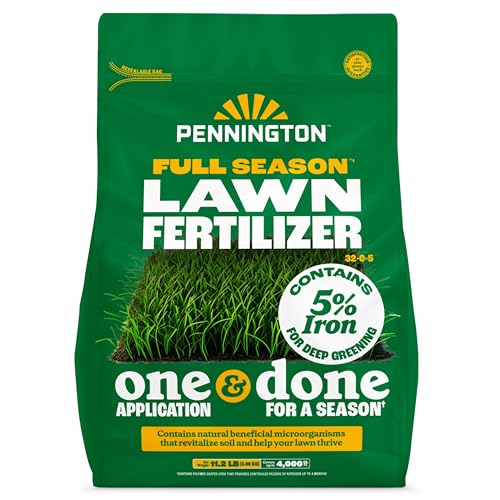
Pennington Full Season Lawn Fertilizer 32-0-5 4M 11.2lb

Eco Solutions Slow Release Lawn Fertilizer 25-5-10 20kg
More Details On Our Top Picks
PetraMax takes the liquid route, so it suits yards that need faster visual response and easy mixing. The 1-gallon concentrate is aimed at larger areas, and the 7-in-1 blend brings nitrogen, iron, humic ingredients, and sea kelp into a single sprayable formula.
You may find this more useful than a heavy bagged granule when your routine already includes a hose-end sprayer or tank sprayer. The trade-off is that liquid feeding usually asks for more attention to coverage, so it’s a stronger fit for hands-on lawn care than for set-and-forget maintenance.
Strong Points
- Liquid format makes it easier to cover uneven spots and patchy sections.
- Iron and nitrogen work together for a richer green look in active turf.
- Humic ingredients and sea kelp add depth to the nutrient mix.
- Large coverage suits broad yards without constant bottle swapping.
Things To Consider
- Liquid application needs even spraying, so missed passes can show up.
- Concentrates usually mean a little more setup than a simple spreader pass.
Feature Snapshot
Who It Suits Best
Yard owners who already use a sprayer and want broad coverage with a liquid formula will get the most from it.
A Better Fit Elsewhere
Yard Mastery 24-0-6 Flagship Granular Lawn Fertilizer fits shoppers who prefer a spreader and a more traditional granular routine.
This bag leans into steady lawn care rather than a quick cosmetic flash. The 24-0-6 analysis means nitrogen leads the blend, potassium is present for balance, and the included iron can help deepen color in turf that already gets regular mowing and watering.
Compared with PetraMax, this one fits a spreader-first routine and tends to suit people who want fewer application variables. The honest read is that it rewards consistency, so it makes sense for established lawns that get routine upkeep.
Upsides
- Slow-release nitrogen supports a steadier feeding rhythm.
- Iron helps support deeper green color in the lawn.
- Granular format pairs cleanly with standard spreaders.
- Bio-Nite adds an organic-leaning element to the formula.
- Bag size works well for medium yards and repeat use.
Areas To Watch
- Granular feeding needs a spreader or very careful hand application.
- The richer formula can feel more involved than a basic one-bag feed.
Core Details
Made For
Home lawns that already have a spreader setup and need dependable seasonal feeding are the sweet spot here.
Where A Sibling Pick Shines
GreenView Fairway Formula Lawn Fertilizer 33 lb. Bag is the better match for a larger yard that needs a heavier bag and a longer feeding window.
Heat and foot traffic change what a lawn needs, and this blend speaks to that reality. With a 7-0-20 analysis, extra potassium, iron, and Bio-Nite in the mix, it leans toward stress support rather than pushing out only top growth.
That makes it a sensible follow-up to the 24-0-6 Yard Mastery bag when summer conditions get rough. For yards that see intense sun or regular use, the lower phosphorus profile and potassium-forward blend can feel more targeted than a general-purpose feed.
Reasons To Buy
- Potassium-heavy formula matches summer stress better than a plain growth feed.
- Iron helps keep color more presentable during hot weather.
- Bio-Nite adds another layer to the nutrient profile.
- Granular format keeps application familiar for spreader users.
Minor Gripes
- It feels more seasonal in purpose, so it’s less general than some other picks.
- Granules still call for even spreader work to avoid striping.
Details At A Glance
Whose Shelf It Belongs On
This fits lawn caretakers who want a summer-leaning blend and already know their spreader routine.
Skip It When
Scotts Liquid Green Max Lawn Food is the easier detour for small touch-up work and quick liquid application.
GreenView is the kind of bag that suits a more traditional lawn schedule. The 30-0-12 analysis is nitrogen-forward, and the slow-release setup is meant to keep feeding going for weeks instead of fading fast.
Compared with the Yard Mastery bags, this one leans into a larger area and a simpler feeding window. For bigger yards, that kind of long-haul consistency can feel like a steady metronome rather than a series of short bursts.
Bright Spots
- 12 weeks of feeding can reduce how often you need to reapply.
- 33-pound bag size suits larger lawns and fewer trips to storage.
- Slow-release nitrogen helps create a more even feeding pattern.
- 30-0-12 formula gives you a clear, nitrogen-heavy lawn feed.
Room For Improvement
- Larger bag size takes more storage space in a garage or shed.
- It’s better suited to planned seasonal use than to quick spot fixes.
Spec Overview
Best Suited To
You’ll appreciate this most in a larger yard where a longer feeding window matters more than a quick cosmetic lift.
Swap It Out When
Pennington Full Season Lawn Fertilizer 32-0-5 4M 11.2lb is the cleaner match for someone who wants a seasonal application with a lighter bag.
Some yards need a calmer hand, and this formula fits that brief well. The 9-0-2 analysis keeps the focus on feeding grass without pushing a hard, nitrogen-heavy look, which makes it appealing for regular upkeep in home lawns.
Relative to the bigger-feeling GreenView bag, this one is easier to think about as a moderate, straightforward feed. The trade-off is that it’s less aggressive, so shoppers chasing fast color changes may want a richer formula instead.
Best Bits
- Gentler nutrient profile fits cautious lawn care routines.
- Lower-analysis blend can feel easier to work into a regular schedule.
- Bag size is manageable for small to medium yards.
- Useful for grass that benefits from a less forceful feed.
Softer Spots
- Lower NPK numbers mean it’s not the most aggressive option here.
- Owners who want richer green fast may prefer a formula with iron.
Core Details
Right Fit For
Homeowners with smaller yards and a cautious feeding style are the clearest match here.
Another Choice May Suit
Yard Mastery 24-0-6 Flagship Granular Lawn Fertilizer suits you better when you want stronger iron support and a more assertive granular blend.
This bottle is built for speed and convenience more than long-haul feeding. A 2-in-1 liquid formula combines fertilizer and iron supplement in a compact 32-ounce size, so it makes sense for touch-ups, smaller yards, or lawn areas that need a faster visual refresh.
Compared with PetraMax, it’s easier to store and quicker to handle, but it won’t cover the same kind of territory. For apartment-adjacent lawns, narrow strips, or one-off problem spots, that smaller footprint is part of the appeal.
Positives
- Liquid format is simple to apply with basic lawn care gear.
- Iron supplement adds a useful boost to the feeding routine.
- Compact bottle stores easily in a small garage shelf.
- Works on any grass type, which keeps selection simple.
Worth Noting
- The bottle size is better for touch-up work than broad coverage.
- Liquid feeding still depends on careful application for even results.
Quick Facts
Built With In Mind
Small lawns and quick correction jobs are where this bottle feels most natural.
Look Elsewhere When
Eco Solutions Slow Release Lawn Fertilizer 25-5-10 20kg is the better route for a larger lawn that needs longer feeding coverage from one bag.
Pennington is aimed at the shopper who wants to make one good seasonal pass and move on. The 32-0-5 analysis is very nitrogen-forward, and the slow-release design is paired with the promise of one application per season for grass growth and greening.
That makes it different from Scotts Liquid Green Max, which is more of a short-run bottle for quick touch-ups. The trade-off is that you’re committing to a broader seasonal plan, so it suits a more settled lawn routine than an improvised one.
Best Bits
- Season-long approach cuts down on repeat application planning.
- Slow-release design supports steadier feeding over time.
- 11.2-pound size is easier to handle than a large heavy bag.
- Nitrogen-forward formula fits lawns that need a growth push.
Points To Note
- The seasonal approach is less flexible for spot corrections.
- One-application style works best when your timing is already mapped out.
Feature Card
Who Should Grab It
This fits lawn care routines that favor one seasonal application over repeated touch-ups.
Reach For A Different Pick When
Yard Mastery 7-0-20 Summer Lawn and Turf Stress Blend makes more sense for summer stress support and a potassium-forward formula.
Eco Solutions leans hard into staying power. The 25-5-10 analysis, 65% granular nitrogen formula, and 110-day feeding window point to a yard feed built for depth rather than quick turnover.
Compared with Pennington’s one-application seasonal angle, this one stretches the feeding window without asking you to treat it as a special occasion product. For larger lawns, that longer rhythm can cut down on repeat bag handling and help you keep the lawn on a steadier schedule.
Standout Traits
- Long feeding window suits owners who want fewer reapplications.
- High granular nitrogen content supports a deep-feeding approach.
- 20kg bag works well for bigger yards or broader coverage plans.
- Potassium and phosphorus give the blend more balance than pure nitrogen products.
Small Caveats
- Heavier bag means more storage and carrying effort.
- Long-release feeding works best when you’re comfortable planning ahead.
Technical Sheet
The Right Fit
Large yards and homeowners who prefer fewer feeding cycles are the clearest match for this bag.
Where Shoppers Go Wrong
Safer Brand Lawn Restore Natural Lawn Fertilizer 9335SR makes more sense for a gentler, smaller-scale feed with a lighter nutrient profile.
How To Choose The Right Fertilizers For Yard
Match The Formula To The Lawn’s Job
Start with the lawn’s current job, not the packaging language. A nitrogen-forward blend pushes growth and green color, while potassium helps turf deal with stress and changing weather, and iron can deepen the look without changing the whole feeding plan.
Granular products work well for regular spreader routines, and liquid formulas suit touch-ups or broad coverage with a sprayer. That simple split saves you from choosing a product that looks good on paper but fits your yard poorly in practice.
Think About Timing And Feeding Length
Slow-release fertilizer feeds over a longer stretch, which makes it a strong fit for busy lawn routines. Shorter-formula liquid products can show color faster, but they usually ask for more attention to application and repeat use.
For a yard that gets regular mowing and watering, a longer window can feel easier to live with. For patchy spots, a compact liquid bottle may be the cleaner move.
Size The Bag Or Bottle To The Space
Coverage numbers matter because yard care gets tedious fast when the package is too small. A larger bag reduces refill stops, while a smaller bottle makes sense for townhomes, small strips, or a single problem area.
Storage matters too. Heavy bags need dry space, and liquid containers need a shelf that stays upright and easy to reach.
Use The Application Tool You Already Own
A spreader-ready granule is easiest for yards that already rely on a broadcast or drop spreader. Liquid fertilizer makes more sense when you already own a hose-end sprayer, tank sprayer, or another spray setup.
Choosing around your tools keeps the routine realistic. That matters more than chasing a formula that sounds advanced but doesn’t suit your weekly yard work.
A Quick Reality Check
Hidden Buying Traps
Many shoppers focus only on the NPK numbers and miss the format. A great analysis still becomes a poor fit when the yard needs a sprayer and the shelf only has granules, or the other way around.
Coverage is another easy miss. A small bottle can look handy until you spread it across a large property and realize it was built for touch-ups.
The Upgrade Payoff
Higher-tier fertilizers often cost more because they bring longer feeding windows, added ingredients like iron, or more tailored blends for summer stress or seasonal maintenance. You’re paying for a formula that narrows the job instead of trying to do everything at once.
That extra spend makes sense for larger lawns, established turf, or yards that need a more deliberate feeding plan. For a small lawn with simple needs, a basic formula often does enough.
Frequently Asked Questions
What does NPK mean on lawn fertilizer?
NPK stands for nitrogen, phosphorus, and potassium. The numbers show the ratio of those nutrients in the blend.
Should you choose liquid or granular fertilizer?
Liquid fertilizer suits quick application and smaller touch-up jobs. Granular fertilizer fits spreader-based routines and larger lawns.
Why do some lawn fertilizers include iron?
Iron is often included for a deeper green appearance in turf. It can complement a nitrogen-based formula without replacing it.
What does slow release mean?
Slow release means the nutrients are delivered over a longer period. That usually reduces how often you need to reapply.
How do you pick the right size bag or bottle?
Match the package to the square footage you need to cover. Larger yards usually benefit from bigger bags, while smaller areas are easier to manage with compact bottles.