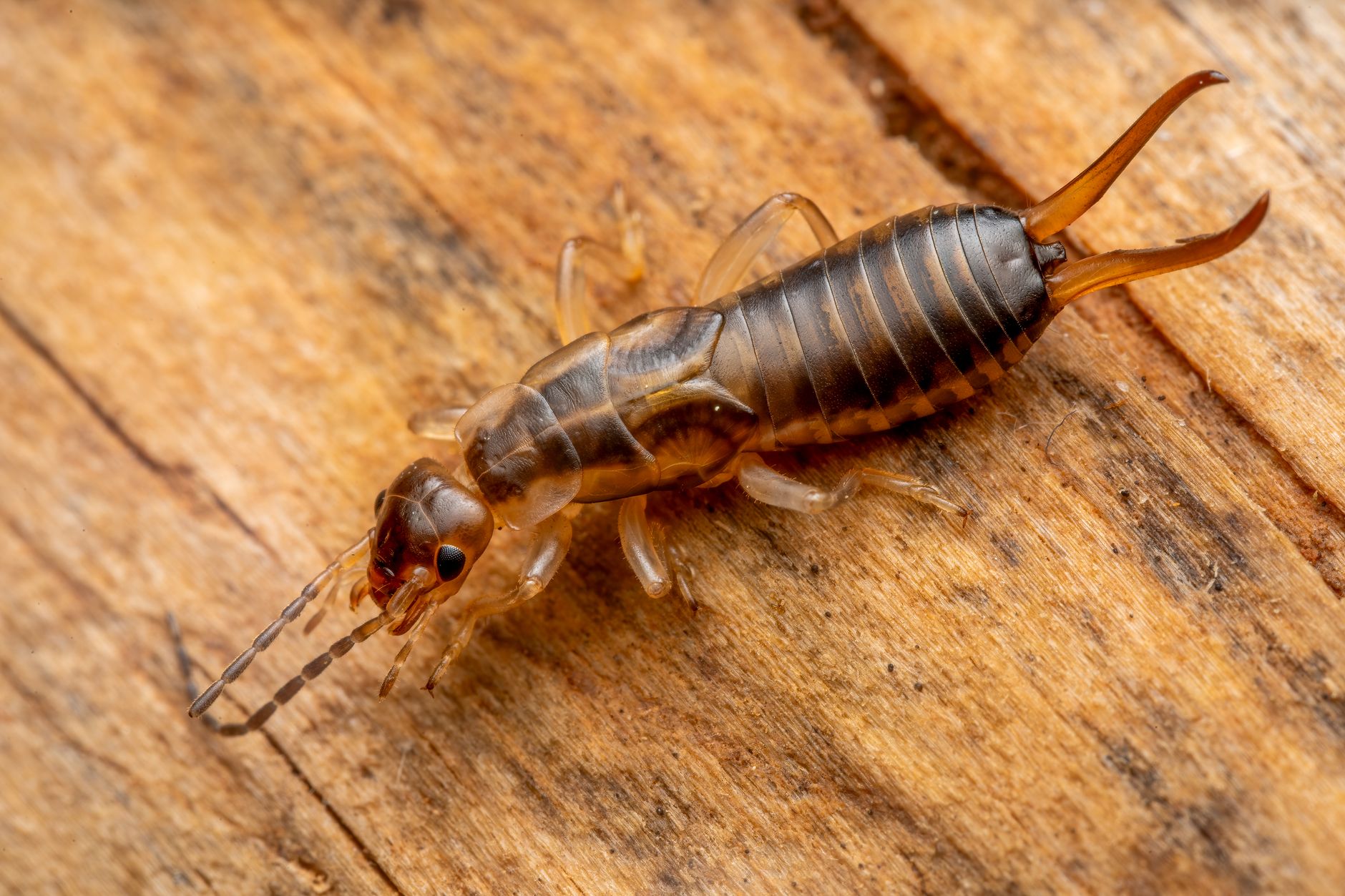

Moist corners near sinks, basements, thresholds, and foundation cracks often attract these outdoor pests when they move indoors from damp harborage and begin appearing around the home. They’re usually active at night, so the first clue is often a quick brown insect crossing tile, concrete, or a wall edge after dark.
Here’s a practical look at the signs, the conditions that bring them in, and the steps that help in homes with basements, gardens, or recurring damp spots.
Spotting The First Signs Indoors
Dark rooms make the pattern easier to see. Earwigs hide during the day, then emerge when temperatures drop, so sightings near a sink, drain, basement wall, or bath mat usually point to active indoor travel.
Several finds along the same baseboard matter even more. One insect can wander in, but two or three in one corner often point to a hidden route or a damp harbor spot nearby.
Night Activity Near Water
Kitchen sinks, laundry rooms, and basement corners attract earwigs because those spots stay cooler and hold more moisture. The same insect that slips under mulch outside can end up under a dish rack or behind a toilet when conditions line up.
Earwig signs in the house often include a fast rust-colored body moving across tile or concrete after lights go off. Their biology explains the pattern: the insects lose moisture easily, so they spend daylight hours tucked into tight cover.
Clusters Along Edges And Openings
Baseboards, floor drains, pipe chases, and door thresholds reveal the route. A few insects near one gap tell you more than a lone sighting in the middle of a room because earwigs prefer edge travel and narrow shelter.
A close look can separate indoor entry from outdoor spillover. A basement window seam, a gap at a sill plate, or a torn door sweep gives them a direct line inside, and that leads straight into the conditions they keep choosing.
That same easy access often matters less than the moisture and cover waiting just beyond it.
Why Damp, Sheltered Spaces Draw Them In
The pull starts with moisture and cover. Earwigs seek cool cracks, clutter, and shadowed corners because their thin bodies dry out fast, and that need shapes both indoor and outdoor activity.
A dripping supply line, a humid bath, or a pile of leaf litter outside can all serve the same purpose. The space does not need to be dirty; it only needs to stay protected and damp enough to hold them through the day.
Indoor Humidity And Hidden Cover
High humidity keeps crawlspaces, basements, and laundry rooms inviting. A dehumidifier changes that balance by lowering the water vapor that helps these insects stay active indoors, especially in summer and during wet weather.
Clutter matters for the same reason. Cardboard, stacked towels, and unused boxes create layered shade, and that gives earwigs the dark resting pockets they need while you sleep or leave the room. That same moisture-and-cover pattern shows up outdoors too.
Outdoor Harborage Around The Foundation
Mulch, leaf litter, compost scraps, and rotting wood create a soft landing zone outside the wall. Home extension offices across the country give the same warning for this pest, since harborage close to the foundation raises the odds of indoor drift.
Rain-soaked soil and wet irrigation can push movement toward thresholds fast. Once the yard stays damp, cleanup becomes the next step, because the shelter they depend on is the part you can remove first.
Persistent dampness turns ordinary corners into refuge, so reducing shelter becomes the most practical place to start.
Cleaning Up The Conditions They Depend On
Drying the space is the real pressure point in an earwig infestation. Earwig control methods work far better after you remove leaks, damp cardboard, and dense debris, because the insects lose their preferred habitat before any trap goes in.
Think in layers: indoor moisture, outdoor cover, and storage clutter. Each one gives the pest a reason to stay, and each one gives you a concrete place to start.
Fix Moisture At The Source
Repairing a faucet drip or a slow trap leak removes a steady water supply. A dehumidifier set for a basement or bath area helps too, since lower humidity changes the room from shelter to stress for moisture-seeking insects.
Vent fans matter after showers and laundry cycles. A room that dries within an hour is far less attractive than one that stays muggy all night, and that shift can cut down on earwig signs in the house within days.
Clear Outdoor Cover Near The Walls
Move mulch back a few inches from the foundation, rake leaf litter, and lift damp debris off the ground. Dry soil beside the wall gives earwigs fewer daytime hiding places and makes edge travel less appealing.
Trimming shrubs away from siding matters for the same reason. Dense vegetation traps shade and humidity, while open foundation lines dry faster after rain, so garden cleanup often lowers activity before any indoor step does.
Reduce Basement And Bath Clutter
Cardboard boxes, loose fabrics, and stacked storage bins create a maze of soft cover. Swap them for sealed plastic tubs, and keep items off the floor so air can move beneath them.
Sanitation here is simple and specific, not fussy. Vacuum dust, empty damp mop buckets, and dry the corner behind appliances so the room stops looking like a resting zone; once that is done, sealing entry points pays off more.
Once those hiding spots lose their appeal, a tighter barrier keeps new arrivals from replacing them.
- Repair drips: A steady leak keeps humidity high enough for indoor activity.
- Use a dehumidifier: Aim for drier basement air, especially after rain or laundry use.
- Rake debris: Leaf litter and mulch near the wall give daytime shelter outdoors.
- Store off the floor: Raising boxes and bins breaks up hidden resting spots.
- Open air gaps: Clear crowding around walls so surfaces dry faster after moisture hits.
Blocking Entry Before Infestations Grow
Cracks and gaps are the shortest path from the yard to the kitchen. Sealant, door sweeps, and fresh weatherstripping close those paths before seasonal moisture pushes more insects toward the structure.
The weakest spots sit low on the house. Foundation lines, utility openings, and damp thresholds usually admit the most movement, and sealing them changes the whole pattern inside.
Seal Gaps Around Pipes And Foundations
Use caulk for small cracks and hardware cloth or foam made for utility voids where pipes and wires enter. A tight seal at the sill plate and basement rim joist blocks the narrow routes earwigs favor.
Home pest management guidance centers on exclusion and sanitation before chemical action, and that order fits this pest well. A sealed crack stops the commute; an open one keeps feeding the problem from outside.
Refresh Doors, Windows, And Thresholds
Door sweeps wear down, and window tracks collect grit that leaves thin openings behind. Replace brittle weatherstripping, then check the fit at dusk with a flashlight along the bottom edge.
That simple inspection catches the places where damp air and insects enter together. A basement door with daylight under it can pull in both humidity and movement, so closing it matters more than spraying the floor.
When gaps admit both humidity and pests, physical exclusion should come before any treatment is applied.
| Entry point | What you see | Why it matters |
|---|---|---|
| Foundation crack | Thin line in concrete | Gives a direct route into basements and crawlspaces |
| Door sweep | Light under exterior door | Admits insects and damp air at ground level |
| Utility opening | Gap around pipe or cable | Connects outdoor shelter to indoor wall voids |
| Window frame | Loose caulk or torn strip | Lets activity move in around cooler shaded sides |
Using Traps And Treatments With Care
Sticky traps, vacuuming, and targeted spot treatment each solve a different part of the problem. Traps reveal where activity concentrates, vacuuming clears visible insects quickly, and focused chemical use belongs only where numbers stay heavy after exclusion and cleanup.
That order matters. A quick spray across the whole room can miss the hiding places while leaving the moisture source untouched, which is why careful control beats broad application every time.
Sticky Traps As A Monitoring Tool
Place sticky traps along baseboards, under sinks, and near basement edges where movement has shown up. They catch wandering insects and also tell you whether the problem is shrinking or shifting to another spot.
Use them as a map, not a finish line. A trap with several captures in one night points to an active route, and that information helps you focus the next round of sealing or drying work.
Vacuuming For Immediate Removal
A handheld vacuum removes visible insects from tile, trim, and window sills without spreading them through the room. Empty the canister or bag right away so the insects do not crawl back out.
This is the cleanest short-term answer for a kitchen or bath sighting. It does not solve the source, but it does cut the number you see while you handle leaks, clutter, and access points.
Targeted Products For Heavy Pressure
Some severe cases call for a pyrethroid labeled for indoor crack-and-crevice use, applied only where the label allows. Boric acid or diatomaceous earth may also appear in pest control plans, though both work best in dry voids and thin placements.
University extension publications often caution that these materials work as part of a larger plan, not as a stand-alone fix. The chemistry matters less than the location, because wet surfaces reduce performance and let the infestation rebound from the same harbor sites.
Placement decides whether control efforts hold, especially where moisture can blunt their effect and invite a rebound.
Spot treatment belongs in hidden edges, not across open floors. A narrow band at a threshold or behind an appliance does more work than a broad application over clean tile.
Protecting Plants And Preventing A Return
Seedlings and soft fruit show damage before older plants do. Earwigs chew tender leaves, nibble blossoms, and scar strawberries or peaches, so garden checks matter just as much as indoor checks when you want the issue to stay small.
A fresh return often begins outside the house, not inside it. That is why the same moisture control that helps the basement also helps the bed line, the potting bench, and the shed wall.
Watch Tender Growth Closely
Seedlings with ragged edges, folded petals, or missing tissue deserve a closer look. Earwig feeding can mimic slug damage at a glance, but earwigs leave cleaner holes and torn margins on soft growth.
Soft fruits need attention too. A strawberry resting in wet mulch or a peach touching a shady branch can invite nighttime feeding, so spacing and lift matter as much as plant choice.
Keep Mulch And Vegetation Back
Pull mulch away from siding and keep it a few inches from plant crowns. Thick beds right against the wall hold moisture like a sponge and create a bridge between the yard and the structure.
Trim vines, low branches, and dense groundcover that touch the foundation. Outdoor lighting can also draw insects toward entry zones at night, so a bright fixture beside a gap can work against your cleanup unless the opening is sealed.
Use Seasonal Cleanup As A Routine
Fall leaf cleanup, spring debris removal, and post-rain checks make the biggest difference over time. Dry basement air, open foundation lines, and tidy beds leave fewer places for an earwig infestation to restart.
That routine matters more than any single product. A sealed home with clean edges and low moisture stays less inviting through summer storms, and that is the most reliable way to keep activity from cycling back.
Healthy, dry surroundings do the heavy lifting, making it easier to maintain control long after cleanup.
What To Remember
The fastest way to quiet earwig trouble is to remove the conditions that feed it. Dry the room, clear the yard edge, close the gaps, and use traps or vacuuming only where you need a direct check on activity. That sequence gives you a real shot at lasting control instead of another round of sightings.
FAQ
How do I know if I have an earwig infestation?
Repeated night sightings near sinks, bathrooms, basements, or baseboards point to active indoor movement. A few insects in the same corner, especially near moisture, matter more than a single stray found in daylight.
What attracts earwigs inside the house?
Damp, shaded spaces draw them in. Leaky pipes, humid basements, cluttered storage, and gaps around doors or foundations create the shelter and moisture they need to stay active indoors.
How do you get rid of earwigs fast?
Vacuum the visible insects, place sticky traps near the activity, and dry the area right away with leak repair or a dehumidifier. That quick sequence lowers what you see while you close off the source.
Are earwigs dangerous or harmful to people?
They do not spread disease or attack people. Their real damage shows up in plants, seedlings, and soft fruit, along with the nuisance of repeated indoor sightings near damp areas.
How do I keep earwigs from coming back?
Keep moisture low, seal cracks and gaps, remove leaf litter and mulch from the foundation, and trim vegetation back from the wall. Routine cleanup after wet weather makes the home far less inviting.