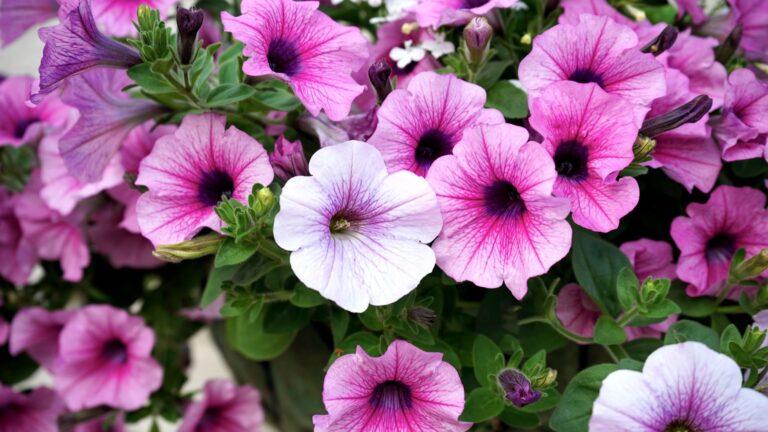
Flowering shrubs bring reliable color and structure to gardens of any size. Match shrub choices to light levels, soil type, and watering habits for consistent blooms. Sun-loving options include lilac and weigela, while azalea and hydrangea perform well in shade. Timing, texture, and bloom duration vary by species and guide planting decisions. Selecting the right shrubs extends seasonal interest and reduces maintenance.
Why Flowering Shrubs Belong in Every Garden
Whenever you want a garden that feels alive, welcoming, and easy to love, flowering shrubs make a big difference.
You give your yard seasonal structure, so it still looks cared for as blooms fade. You also build a wildlife habitat that invites bees, butterflies, and birds to stay nearby. That little buzz of life can make your space feel less lonely and more like home.
Flowering shrubs soften fences, guide the eye, and add color without needing constant fuss. Because they return year after year, you get reliable beauty with less work.
They help you fill awkward corners, frame paths, and create cozy spots that feel finished. With the right mix, your garden starts to feel like a place where you belong, not just a space you pass through.
How to Choose Flowering Shrubs for Your Garden
Choosing the right flowering shrubs starts with looking at your garden the way the shrubs will live in it. Check how much space you have, how the soil feels, and how the weather shifts through the year. Whenever you match those needs, you set yourself up for fewer surprises and more happy blooms.
You can also look for native selections, since they often settle in with less fuss and help your garden feel connected to the land around it. Then consider seasonal timing, so you know at what points flowers will show up and how they’ll fit with the rest of your yard. Should you want a shared garden that feels welcoming, choose shrubs that suit your routine, your style, and the care you can give.
Best Flowering Shrubs for Sunny Gardens
A sunny garden can feel like a gift, and the right flowering shrubs help you make the most of it.
You can build a warm, welcoming space with shrubs that love bright light and reward you with color.
Try drought tolerant roses for rich blooms and fewer worries during dry spells.
Add butterfly bush or lantana should you want steady nectar and easy care.
For a more local touch, choose native pollinator friendly shrubs that bring bees and butterflies close to home.
Then mix in hibiscus or potentilla for extra cheer and long bloom times.
Whenever you group these plants together, your garden feels lively, rooted, and easy to enjoy.
A little planning now gives you a sunny spot that feels like your own happy place.
Best Shrubs for Partial Shade
Partial-shade planting can feel like solving a cozy puzzle, but it’s often easier than it looks.
You can build a welcoming corner with shrubs that don’t mind morning sun and afternoon cover.
Try azaleas for bright blooms, and pair them with shade tolerant hydrangeas for soft color and steady presence.
In case you want texture near trees, understory hellebores bring early flowers and calm green leaves.
You’ll also like camellias, which give glossy foliage and refined buds in gentle light.
Japanese pieris adds extra charm with spring clusters and neat shape.
Place each shrub where roots stay cool and soil drains well, and you’ll help your garden feel settled, friendly, and full of life.
Hydrangea Shrub Varieties
Hydrangea shrubs bring a lot of heart to a garden, and their variety makes them easy to fit into different spaces. You can choose a compact hydrangea for a small border, porch pot, or cozy side yard, and still enjoy big color.
Should you want more charm, compare mophead versus lacecap blooms. Mopheads give you full, rounded flower clusters that feel bold and welcoming. Lacecaps offer a softer look with tiny center flowers and a ring of petals, which can feel a bit more airy.
You’ll also find types that suit morning sun and others that prefer gentle shade. Once you match the shrub to your space, you’ll create a garden spot that feels inviting, steady, and truly yours.
Rose of Sharon Shrubs
Rose of Sharon shrubs bring a different kind of drama to the garden, but in a way that still feels easy to live with. You can count on their late summer blooms to brighten your space whenever many other shrubs slow down.
Their hibiscus-like flowers invite bees and butterflies, so your garden feels lively and shared. With hybrid resilience, you get a plant that handles heat, wind, and everyday garden stress with steady grace.
Should you need flexibility, container cultivation works well for younger plants or smaller patios. You can place them where they add color, privacy, or a warm welcome near a walkway.
Whenever you give them sun, space, and regular watering, they settle in and make your garden feel like part of your story.
Forsythia Shrubs for Early Color
Forsythia bushes burst into the garden like a bright yellow signal that spring is finally on its way. Whenever you want a fast lift after gray months, promptly forsythia gives you cheerful blooms on bare stems, so your yard feels awake before many other shrubs start.
You can tuck it near an entry, along a fence, or in a mixed border to make neighbors smile as they pass. Some winter blooming cultivars push color even sooner, which helps you feel ahead of the season instead of behind it.
Give your shrub full sun, room to spread, and a light trim after flowering. That simple care keeps the branches strong and the display lively, so your garden group starts the year with a welcome burst of shared brightness.
Lilac Shrubs for Fragrance
Lilac shrubs can fill your yard with sweet, rich fragrance that you’ll notice as soon as the blooms open.
You can choose from many lilac varieties, and each one brings its own flower color, size, and bloom time to suit your space.
With the right care, including plenty of sun and good airflow, you’ll help your lilacs stay healthy and keep their scent strong year after year.
Fragrant Blooms
As soon as you want a shrub that fills the garden with a sweet, calm scent, lilacs can do the job beautifully. You’ll notice their fragrant blooms drifting on the breeze, and that gentle perfume can make your whole space feel welcoming.
Plant them near a path, porch, or seating spot, and you’ll enjoy scent layering as other flowers join in. Their rich aroma also calls night pollinators, so your garden feels lively after sunset too.
Whenever you stand close, the blossoms seem to wrap around you like a friendly hello from the season. Should you crave a backyard that feels warm, shared, and alive, lilacs give you that soft, comforting mood without asking for much attention.
Varieties And Care
Choose the right lilac variety, and you’ll make fragrance feel easy instead of fussy. For a small yard, choose compact types like Korean lilac; for a bigger gathering space, common lilac gives you that classic spring welcome.
Plant yours where sun reaches it for most of the day, and give the roots good drainage so they don’t sit soggy. You can tuck in companion planting with low perennials that won’t crowd the shrub, which helps your bed feel full and friendly.
Water deeply during dry spells, then mulch to hold moisture and calm weeds. After blooming, trim only spent flowers and weak stems. In colder areas, add winter protection with mulch at the base, so your lilac wakes up ready to charm.
Butterfly Bushes for Pollinators
Butterfly bushes can bring your garden to life, because they act like a busy landing pad for pollinators. You’ll see bees, butterflies, and hummingbirds share the same sweet blooms, and that sense of motion can make you feel right at home in your own yard. Plant them where sunshine and airflow meet, then give them steady water while they settle in.
| Garden Scene | What You Notice |
|---|---|
| Morning sun | Purple flower spikes glow |
| Midday buzz | Wings flicker between stems |
| Quiet evening | Soft nectar scent lingers |
These shrubs also help build nectar corridors, so visiting insects can move safely through your space. In the event that you’re adding Butterfly hostplants nearby, you’ll support both adult pollinators and their young, which creates a fuller, friendlier garden community.
Weigela Shrubs for Long Bloom Time
Should you want a shrub that keeps giving you color, weigela is a smart and cheerful pick. You can enjoy trumpet shaped blooms in spring, and many compact cultivars bring a tidy look to small beds and patios.
Whenever you choose a site with sun, you help the plant build stronger flowering and richer color. Because some varieties show rebloom performance, you might see fresh flowers later in the season, which feels like a little bonus from your garden.
You can prune right after flowering to keep the shape neat and to protect next year’s buds. In case you want a shrub that feels friendly, lively, and dependable, weigela can help your space feel welcoming and full of life.
Spirea Shrubs for Easy Care
Spirea shrubs make easy care feel simple because you can plant them in sun, give them well-drained soil, and water them without much fuss.
Whenever you prune them after bloom, you’ll often get a fuller shape and more flowers next season.
In case you want a shrub that works hard while you relax a little, spirea can be a smart, cheerful choice.
Easy-Care Spirea Basics
A few well-chosen spirea shrubs can make your garden feel easy and welcoming without asking for much in return.
You can start with low maintenance varieties that fit your space and still give you color.
Compact cultivars work well near paths, patios, or small beds, so you can enjoy them up close.
You won’t need to fuss over them much, because they handle normal garden soil and steady sunlight with grace.
Water them whenever the ground feels dry, and they’ll settle in nicely.
Then, give them enough room to breathe, and they’ll look full without crowding their neighbors.
Should you desire a plant that feels friendly and dependable, spirea fits right in and helps your garden feel like home.
Pruning For More Blooms
Trim your spirea at the right time, and you’ll nudge the shrub to bloom harder instead of just growing taller.
You can start with a light deadheading technique after the flowers fade. Snip off spent clusters just above a healthy leaf set, and you’ll help the plant shift energy into fresh buds.
Next, use timing cuts with care in late winter or early spring, before new growth starts. Remove a few older stems at the base, and keep the shape open so light reaches the center.
Should your spirea looks crowded, trim a little more, but don’t rush. You’re not fighting the shrub, you’re guiding it.
With a steady hand and a friendly eye, yourself and your spirea can make a blooming team.
Sun, Soil, And Water
Whenever you give spirea the right sun, soil, and water, it settles in with very little fuss and still puts on a lovely show.
You’ll get the best growth in full sun, though light shade can still work whenever your garden feels a bit softer.
Plant it in well drained soil, and it’ll reward you with steady, healthy roots.
In case your yard has lean ground, mix in compost so it feels more welcoming.
Water newly planted shrubs often, then ease up as they settle in.
Many types are drought tolerant species, so they won’t need babysitting forever.
Still, soil moisture monitoring helps you know whenever the top few inches dry out.
With this simple care, your spirea fits right in and keeps blooming beautifully.
Camellia Shrubs for Mild Climates
In case you live in a mild climate, camellia shrubs can bring steady beauty to your garden without asking for much drama in return. You can count on glossy leaves and blooms that feel refined yet friendly, like neighbors who always wave. Pick shade tolerant varieties for the soft light under trees or beside walls. Then pair them with camellia companions such as ferns and azaleas for a fuller look.
| Feature | Best Choice |
|---|---|
| Light | Morning sun, afternoon shade |
| Soil | Rich, well drained |
| Planting style | Grouped for easy care |
Because camellias bloom while many plants rest, they help your space feel alive in cooler months. You’ll fit right in with their calm rhythm, and your garden will, too.
Rhododendrons for Woodland Beds
Rhododendrons can turn a woodland bed into a soft, welcoming retreat, and they do it with very little fuss once you match them to the right spot. You’ll feel right at home whenever you give them filtered shade, rich soil, and steady moisture.
Choose shade loving hybrids that handle cooler corners well, then tuck them near pines, ferns, and mossy paths. These woodland companions help the bed feel layered and calm.
Since rhododendrons have shallow roots, keep the soil loose and add leaf mold instead of digging deep. Also, water at the base so the leaves stay clean.
Provided you give them space to breathe, you’ll enjoy glossy leaves and spring blooms that make your shaded garden feel warm, shared, and full of life.
Azaleas for Massed Color
Azaleas can quickly fill a garden bed with color, and that makes them a smart choice whenever you desire a big visual impact without a lot of fuss. Whenever you plant them in groups, you create a shared display that feels welcoming, warm, and easy to enjoy.
| Choice | Benefit |
|---|---|
| evergreen azalea | Keeps the bed full between blooms |
| heat tolerant azaleas | Handle brighter, hotter spots |
| grouped planting | Builds a bold block of color |
You can mix shades for a fuller look, or repeat one color for a calm, polished feel. Give them rich soil, steady moisture, and light shade, and they’ll settle in nicely. Whenever you wish your yard to feel like your own corner of the neighborhood, these shrubs help you get there with style and comfort.
Viburnum Shrubs With Seasonal Interest
Viburnum shrubs can give your garden a fresh start in spring with clusters of soft, showy blooms that feel cheerful and welcoming.
As the season warms, you’ll enjoy their rich summer foliage, which keeps the shrubs looking full and polished without much fuss.
Then in fall, many viburnums light up with berry displays that bring extra color and a little wildlife action to your yard.
Spring Blooms
A few well-chosen viburnum shrubs can turn a plain spring yard into something that feels alive again. You’ll feel that lift whenever their blossoms open beside early-blooming bulbs and native springers, each one adding a shared burst of color.
In this season, you can count on clusters of white or pink flowers that welcome bees and make your space feel friendly. Should you plant them where you pass each day, you’ll enjoy their scent and see how easily they tie the garden together.
They work well near walks, porches, and mixed beds, so you may greet spring with a little more joy. With the right spot and steady care, these shrubs help you feel at home outdoors.
Summer Foliage
Once the spring flowers fade, good viburnum shrubs don’t fade with them. In summer, you get rich green leaves that hold the garden together and make your space feel cared for.
Their layered branches create calm texture, and many types stay shade tolerant, so you can brighten a dim corner without extra fuss. Should your yard gets dry spells, choose a drought resistant variety, and you’ll still enjoy steady color with less worry.
You can plant them near patios, paths, or seating areas, where they soften hard edges and invite you to linger. Their foliage also gives your garden a full, settled look, so the whole bed feels welcoming even after spring’s show is gone.
Fall Berry Display
As summer starts to soften, viburnum shrubs keep the show going with a fall berry display that feels almost like a reward for your patience. You’ll see clusters shift from pale to jewel tones, and that change brings your garden to life again.
The berries add color as many blooms fade, and they invite birds to stop over, turning your space into a gentle Wildlife habitat.
- Pick varieties known for Winter berries so you can enjoy color longer.
- Plant them where they get sun and steady moisture for richer fruit.
- Leave some berries in place so birds can share the feast.
Once you walk past them, you’ll feel like you belong to a garden that still has stories to tell.
Potentilla Shrubs for Small Spaces
Potentilla shrubs are a smart pick whenever you want color without crowding your yard, because they stay compact, bloom for a long time, and fit neatly into small garden beds, borders, and even tight corners.
With compact potentilla, you get a tidy mound that feels welcoming, not cramped. Their dwarf blooms show up in cheerful yellow, white, pink, or orange, so you can match your style without giving up space. You can tuck one beside a path, mix a few into a sunny foundation bed, or line a patio edge for easy charm. They ask for little fuss, so you can enjoy the flowers instead of worrying over them.
Should your space feel limited, these shrubs help you build a garden that still feels full and inviting.
Abelia Shrubs for Pollinators
Abelia shrubs can turn your garden into a welcome stop for pollinators because their blooms offer easy access to nectar. You’ll see bees and butterflies come back again and again during the long flowering season, which keeps your yard lively and full of movement.
Should you want a shrub that does more than look pretty, abelia gives you color, scent, and plenty of pollinator support in one neat package.
Pollinator-Friendly Blooms
Pollinators often find a welcoming stop in abelia blooms, because the flowers offer a steady mix of nectar, light fragrance, and easy landing spots. You can make your garden feel friendlier whenever you choose these shrubs, since bees and butterflies move in with ease. Their native nectar helps support local visitors, and seasonal timing gives them a reliable place to feed whenever they need it most.
- You’ll notice busy bee visits on warm mornings.
- Butterflies can rest on the small, open blossoms.
- You can place abelias near paths to invite close views.
Once you plant them, you also build a small shared space that feels lively and calm. That balance matters, especially whenever you want your yard to welcome more than just you.
Nectar-Rich Flowering Season
Once those soft blooms start opening, abelia gives your garden a long, nectar-rich window that keeps helping pollinators week after week.
You get steady color because the shrub doesn’t rush its show. Instead, it offers continuous nectarflow through much of the warm season, so your space feels alive for longer.
That slow pace fits well with season staggering, especially as you want fresh blooms without a sudden gap. You can plant abelia near paths, patios, or mixed beds and enjoy a relaxed rhythm that feels easy to live with.
The blossoms keep returning in waves, and that helps your garden stay welcoming. For you, that means less waiting and more delight, with a shrub that quietly does its part day after day.
Attracting Bees And Butterflies
Butterflies and bees can home in on abelia fast, thanks to the shrub’s small, open blooms and easy-to-reach nectar. Whenever you tuck it into your yard, you’re giving local pollinators a welcome stop that feels both safe and familiar. Its Seasonal bloom timing keeps flowers coming whenever many plants fade, so your space stays lively.
- Plant abelia near patios so you can watch the visits up close.
- Pair it with Native nectarplants to build a stronger pollinator path.
- Choose a sunny spot, and you’ll see more winged guests.
You’ll also notice how abelia fits in with other bee-friendly shrubs without feeling crowded. That balance helps you create a garden where you belong, and where the pollinators do too.
Beautyberry Shrubs for Late-Season Appeal
A few beautyberry shrubs can turn the quiet end of the garden into something special, because they save their best show for late season as many other plants start to fade.
You’ll love how their colorful berries cluster along the stems, adding a bright note whenever your beds need it most.
Place them in a shady understory spot, and they’ll fit in with ease while giving your space a calm, welcoming feel.
As the days cool, the berries keep glowing, and winter wildlife might stop around for a snack.
You don’t need a fancy plan to enjoy them, either.
Just give them room to grow, and they’ll reward you with a look that feels cheerful, steady, and easy to share with your garden crowd.
Shrub Roses for Classic Garden Style
Shrub roses can give your garden that timeless, graceful look, and you can choose blooms that fit your style, from soft pinks to rich reds.
With the right planting spot, steady watering, and simple pruning, you’ll help them stay healthy and full of flowers.
Then you can pair them with white, lavender, or blue plants to make their classic beauty stand out even more.
Choosing Shrub Roses
At the time you want a garden that feels calm, refined, and full of old-world charm, shrub roses can give you that look without asking for fussy care.
Whenever you choose them, look at bloom timing so your garden keeps its color through the season.
Whenever you also want disease resistance, because healthy leaves help the plant look steady and welcoming.
Pick shapes and colors that fit your space and match the mood you want.
- Soft pinks feel gentle and timeless.
- Deeper reds add drama without feeling loud.
- Repeat bloomers keep you smiling longer.
As you compare choices, notice how each rose fits with your other shrubs.
That balance helps you feel at home in your own garden, and it makes the whole space feel connected.
Planting And Care
Prepare the planting spot with care, and your shrub roses will settle in more easily and reward you with a graceful, classic look. Choose a sunny place with rich, draining soil, then loosen it deeply so roots can spread without stress.
Set each plant at the same depth it grew before, and water it well to remove air pockets. After planting, add two inches of mulch to keep moisture steady and cool the soil; the mulch benefits also help block weeds, so your roses can focus on growth.
Check soil often, and water whenever the top layer feels dry. For better root aeration, avoid packing the ground too tightly.
Light pruning after bloom keeps the shape tidy, and regular care helps your garden feel welcoming and timeless.
Classic Color Pairings
At the time you want a garden that feels calm, refined, and timeless, color pairs matter as much as the shrub roses themselves. You can build trust in your space choosing complimentary palettes that feel easy on the eye and warm to the heart.
Pair soft pink roses with lavender perennials, or white blooms with deep green foliage for a clean, classic look.
- Mix blush and cream for gentle charm.
- Add red roses near silver leaves for strong seasonal contrasts.
- Repeat one color in small groups so your garden feels like it belongs together.
Then, place darker shrubs behind lighter ones to guide the view. You’ll create a setting that feels welcoming, polished, and quietly yours, without trying too hard.
Pruning and Feeding Tips for Better Blooms
Once you know how to prune and nourish your flowering shrubs the right way, you can help them put more energy into strong stems, healthy leaves, and bigger blooms. Start with summer pruning only after the main flush fades, so you don’t cut off next season’s flower buds. Then do soil analysis to learn what your shrubs truly need, because guessing can leave them hungry or overfed.
| Task | Why it helps |
|---|---|
| Remove weak stems | Opens the shrub to light |
| Add balanced feed | Supports steady flower growth |
| Water after feeding | Helps roots absorb nutrients |
You’ll fit right in with gardeners who trim lightly and feed on purpose. A careful cut, a gentle meal, and a little patience can turn your shrubs into the kind of display your whole yard cheers for.
Frequently Asked Questions
Which Flowering Shrubs Bloom Longest in Containers?
For you, container roses and reblooming hydrangeas are garden lanterns, glowing longest in pots. Choose them, and you will join a welcoming circle of color; they keep sharing blooms, so your space feels cherished and alive.
How Do Flowering Shrubs Handle Drought After Planting?
You’ll help flowering shrubs handle drought by watering deeply during root establishment, then easing off. Keep mulch depth around 2 to 3 inches, and you’ll conserve moisture, support roots, and feel confident your plants belong in the garden.
Which Shrubs Are Best for Winter Garden Interest?
For winter interest, you’ll love winter blooming camellias and evergreen mahonia, their glossy leaves and jewel toned flowers brightening bare beds. You’ll feel right at home with their sturdy beauty through chilly months.
Can Flowering Shrubs Grow Well in Heavy Clay Soil?
Yes, you can grow flowering shrubs in heavy clay soil provided you improve drainage with soil amendments and root aeration. You will give your shrubs a better chance to thrive, and your garden can feel welcoming.
How Often Should Flowering Shrubs Be Replaced?
Replacement timing is a garden clock, ticking differently for each plant. You will replace flowering shrubs once their planting lifespan fades, often every 10 to 20 years; tune into your beds, and you will stay in the right replacement cycles.