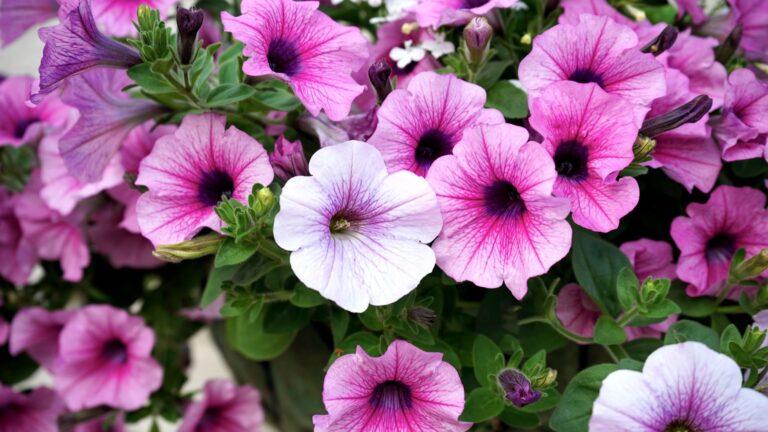
Landscaping under pine trees is doable with acid-loving plants that thrive in shade and compete well with pine roots. Select shrubs and perennials that prefer acidic, well-drained soil and tolerate dappled light. Azaleas and rhododendrons bring bold spring blooms and evergreen structure. Ferns and heuchera add year-round texture and groundcover beneath the canopy. Blueberries and wintergreen provide edible fruit and glossy foliage for seasonal interest.
Why Pine Tree Beds Are Hard to Plant
Under a pine tree, planting can feel a little like trying to grow a garden in the shade of a stubborn neighbor. You’re not imagining the struggle. Pine beds stay dry because the roots spread wide and grab water fast. The soil often turns thin and acidic, so many plants just sit there and sulk. You also deal with needle litter, which mats down and blocks light while adding extra acidity as it breaks apart. On top of that, shallow rooting leaves little room for new roots to settle in.
How to Prep Soil Under Pine Trees
Before you add any plants, give the soil a little breathing room so it can actually help them settle in. Start with soil analysis, because pine needles can shift pH and hide nutrient gaps. Then rake away a thin layer of needles and tangled debris, but keep enough cover to protect roots. Next, loosen the top few inches with a hand fork, not a shovel, so you don’t nick surface roots.
| Step | What to do |
|---|---|
| Check | Analyze pH and nutrients |
| Clear | Remove packed debris |
| Loosen | Aerate the topsoil gently |
| Protect | Use smart mulch management |
After that, mix in compost lightly, water the area, and let the bed rest for a few days. You’re building a kinder home here, and that steady care really matters.
Azaleas for Pine Tree Beds
Azaleas can be a lovely match for pine tree beds, because they enjoy the same kind of acidic soil and dappled shade that pines often create. You can build a welcoming bed by choosing healthy plants and giving their roots room to breathe.
Dwarf azaleas work well if you want a neat edge or a small space that still feels full and friendly. Evergreen azaleas keep their leaves year-round, so your bed stays lively even as seasons change. Water them deeply after planting, then keep the soil lightly moist, not soggy. Add pine needles as mulch to help hold acidity and steady moisture.
With a little care, you can turn that quiet space under your pines into a place that feels warm, cared for, and truly yours.
Rhododendrons for Deep Shade
Rhododendrons can bring real life to the darkest corners under pine trees, especially where other shrubs seem to give up. You can choose shade tolerant cultivars that stay sturdy in filtered light and still give you bold leaves and rich color.
In deep shade, your biggest win is matching the plant to the spot, so look for varieties with proven spring bloom timing that fits your garden’s slow start. Since pine roots drink fast, you’ll want to add moist, acidic soil and keep mulch loose around the base.
Then your rhododendrons can settle in with less stress and more charm. Whenever they feel safe, they repay you with full blooms and a calm, welcoming look that makes the whole space feel like it belongs.
Blueberries for Edible Borders
Blueberries can brighten the edge of a pine bed and quietly earn their keep, too. You get a tidy border, sweet summer fruit, and a plant that likes the same acidic soil your pines create.
Choose compact bushes for the front line, then space them so air moves between plants. That helps you keep leaves healthy and berries easy to pick.
Should your soil stays too dry, use mulch to hold moisture and soften root stress. With blueberry trellising, you can guide taller types into a neat shape, but most border varieties stay naturally low.
For smaller yards, container blueberries work well near a path or patio, so you can join the harvest without stepping into the bed.
Hydrangeas for Acidic Soil
Should your pine trees make the soil lean acidic, hydrangeas can fit in beautifully and bring a soft, full look to that shaded spot. You can choose plants that feel welcoming and still handle the ground pH well. | Type | Best use |
| — | — |
|---|---|
| mophead hydrangeas | Bold blooms for a cozy focal point |
| oakleaf hydrangeas | Tidy shape with rich fall color |
| mulch | Holds moisture and steadies roots |
| morning light | Helps flowers bloom more fully |
| light pruning | Keeps growth neat without stress |
When you group them near pine roots, you create a space that feels cared for and lived in. Mophead hydrangeas give you round, showy flowers, while oakleaf hydrangeas add texture and charm. With steady water and a little shade, you’ll help your garden feel like it belongs together.
Heuchera for Colorful Ground Cover
Should you liked the soft, full look of hydrangeas, heuchera can bring a different kind of charm right under your pine trees. These coral bells add bright leaves in purple, amber, lime, and silver, so your shade garden feels lively even when sunlight is thin. You can tuck them into small gaps, and they’ll spread into neat, low clumps that make the space feel cared for.
Because heuchera is shade tolerant, it handles the filtered light beneath pines with ease. It also pairs well with the dry, slightly acidic soil there, which helps you build a spot that feels welcoming and easy to keep. Should you desire color without extra fuss, heuchera gives you a friendly, polished ground cover that fits right in.
Ferns for Soft Woodland Texture
Ferns often bring the soft, woodland feel that makes a pine-shaded space seem calm and inviting.
Whenever you plant them under pine trees, you give yourself a lush layer that feels welcoming instead of bare. Choose maidenhair ferns for fine, airy fronds that catch light beautifully, and use ostrich ferns whenever you want taller, fuller growth that fills open spots with grace.
Because pines make the soil acidic and the shade stays cool, these ferns usually settle in well once you water them deeply and keep mulch nearby.
You can group a few plants together, and they’ll help your garden feel like a shared retreat. Their gentle texture also softens sharp needles, so the whole area looks balanced, friendly, and alive.
Wintergreen for a Low-Growing Finish
Wintergreen makes a pine-shaded bed feel finished in the nicest way, because it hugs the ground with glossy leaves and a tidy shape.
- You can tuck it where needles thin out, and it’ll soften bare soil with ease.
- For wintergreen propagation, divide healthy clumps in spring and press them into moist, acidic ground.
- Then keep wintergreen maintenance simple: water during dry spells and pull back heavy pine litter.
- As a bonus, its red berries and minty scent help you feel like the space is truly yours.
When you layer it beside ferns, you create a calm, welcoming edge that looks cared for without feeling fussy.
You don’t need perfection here, just a few steady plants that settle in and make you proud of the shade.
Frequently Asked Questions
What’s the Best Time to Plant Under Pine Trees?
You’ll usually get the best results with spring planting or fall planting, while soil stays moist and roots settle in. Choose whichever season fits your schedule, then join your garden’s rhythm confidently.
How Much Water Do Pine-Bed Plants Need?
Water pine-bed plants deeply whenever the top inch of soil dries, usually once or twice weekly. Check soil moisture often and adjust watering frequency so your plants feel settled, supported and included.
Can I Use Mulch Around Acid-Loving Plants?
Yes, you can use mulch around acid loving plants—about 70% of soil microbes thrive better with organic cover. You’ll fit right in with pine friendly compost and needle mulch benefits, keeping roots cool, moist, and welcomed.
Should I Prune Pine Branches for More Light?
Yes, you can prune pine branches for more light, but do it lightly and at the right pruning timing. You will improve canopy management, help your plants thrive, and feel confident in your garden community.
How Do I Prevent Root Competition From Pines?
You can’t fully stop pine roots, but you can outsmart them: install root barriers, add rich mulch, and use mycorrhizal inoculation. Like sharing one blanket on a cold night, you’ll keep your plants comfortable.