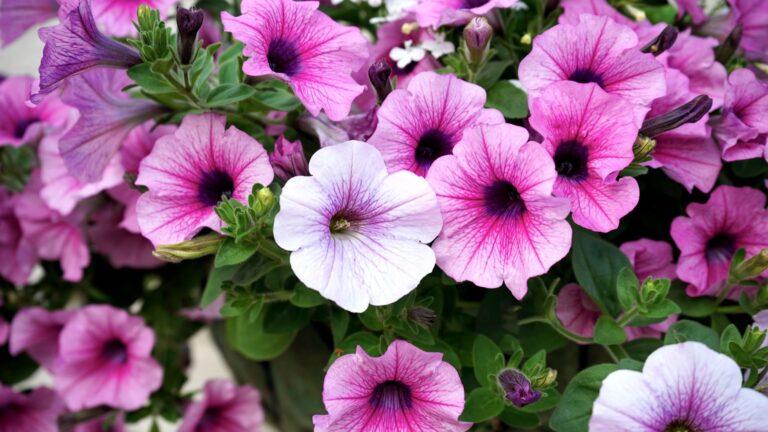
Purple perennials offer steady violet blooms that last through much of the growing season. They soften hard edges and add a calming, cohesive look to beds and borders. Different varieties thrive in full sun, part shade, or cool-root conditions and suit a range of soil types. Choosing long-blooming cultivars extends color from early spring into late summer without replanting each year. Match each plant to its site to get consistent color and low-maintenance performance.
Why Purple Perennials Come Back Strong
Because purple perennials are built to settle in and thrive, they often come back stronger each year with less fuss from you. You give them one steady start, and their soil memory helps them find their place fast.
Their roots learn the rhythm of your garden, then build root resilience underground, even as weather shifts or care gets a little uneven. That means you don’t have to keep starting over, which feels pretty good given life’s already busy.
As the seasons move on, the plant stores strength in its crown and roots, so new growth can return with confidence. You get a familiar burst of color, and your garden feels more like home.
Over time, that dependable return can make you feel like you truly belong there.
Best Purple Perennials for Sunny Beds
As the sun beats down hard, the right purple perennial can still look fresh and full of life. In your sunny bed, try salvia for spiky color, catmint for soft mounds, and coneflowers for sturdy blooms that keep your space lively. You’ll also like Russian sage, which sways easily and handles heat with grace.
Should you want less fuss, choose drought tolerant varieties that sip water and stay steady through dry spells. For tighter spots, compact cultivars give you rich violet color without crowding your garden pals.
Place them in well drained soil, give them room to breathe, and you’ll build a bright, welcoming bed that feels easy to care for and rewarding to watch.
Lavender for Fragrant Violet Blooms
Lavender brings you soft violet blooms and a sweet scent that can make any garden feel calm and welcoming.
You’ll get the best flower spikes when you give it full sun and sharp drainage, since soggy soil can hold it back fast.
Should your bed stays bright and dry, lavender often rewards you with color, fragrance, and easy charm all season long.
Scented Flower Spikes
A drift of scented flower spikes can turn a plain garden path into something you’ll want to slow down and enjoy.
You’ll notice lavender’s fragrant spikes rising above tidy mounds, and their aromatic stems bring a soft, calming charm that feels like a warm welcome.
As you brush past them, the scent reaches you initially, then the violet color pulls you in. That’s why these blooms feel so personal, like they’re part of your space too.
You can tuck them near a bench, along an edge, or where you pause most often. Their steady bloom adds comfort without shouting for attention, and that makes your garden feel friendly, lived in, and easy to love.
Sun And Drainage
Sunlight and sharp drainage give lavender the dry, happy home it loves.
You’ll see it thrive whenever you place it in full sun, where its sun tolerance lets each stem soak up long hours of light.
Should your bed stay soggy, the roots can struggle, so keep soil moisture low and steady rather than wet.
You can mix in gravel or coarse sand to help water move away fast.
This matters even more after rain, because lavender hates sitting in mud.
Whenever you choose a raised spot or container, you’re giving your plant room to breathe.
That simple care helps you feel confident, and it helps lavender reward you with fragrant violet blooms that bring calm, color, and a little everyday joy.
Salvia for Long-Lasting Purple Spikes
Salvia often earns a place in the garden because it keeps those purple spikes going for weeks, and that steady bloom can feel like a small gift whenever you want color that doesn’t quit.
You can cut back faded stems to push fresh flowers, and that simple habit helps you stay in step with the plant instead of chasing it.
For easy salvia propagation, you can divide healthy clumps in spring or take soft stem cuttings, then share extras with friends who love your garden style.
Choose salvia companions that enjoy sun and lean soil, and you’ll build a scene that feels welcoming, not fussy.
With a little care, your salvia stands tall, inviting butterflies and giving your border a calm, confident look.
Catmint for Soft Purple Borders
Catmint brings that same steady charm in a softer way, and it can loosen the look of a border without taking over the whole scene. You can tuck it along edges where you want calm color and a welcoming feel. Its lavender blooms and gray-green leaves knit together fast, so the plant works well as one of your fragrant groundcovers.
Whenever you brush past it, you get a light scent that makes the garden feel friendly, almost like it’s greeting you back. Provided your space is small, choose compact cultivars that stay neat and full. You’ll spend less time fussing and more time enjoying the soft purple drift.
With sun, simple drainage, and a little room to spread, catmint helps your border feel easy to love.
Iris for Bold, Elegant Color
Irises bring bold, sophisticated color to your garden with tall stems and striking blooms that fan open like little works of art.
Whenever you choose the right iris for your space, you’ll see how its shape and color can lift a border fast, and growing them isn’t hard once you give them sun and room.
Whenever you keep those strong blooms coming, you’ll want to focus on simple care like good drainage, light feeding, and timely cleanup.
Iris Bloom Form
Whenever you want a flower that looks both strong and graceful, the iris delivers that mix with ease.
Its bloom form gives you tall standards and soft falls, so each flower feels like a little showpiece. In the bearded form, a fuzzy line guides your eye and adds texture that feels warm and welcoming. A bulbous iris brings a different charm, with its compact shape and clean lift. Together, these forms let you choose a look that fits your space and mood.
You can enjoy their bold edges, yet they still feel friendly, not fussy. That balance makes irises easy to love, especially whenever you want color that stands out without shouting. Their shape invites you in and makes every purple petal feel like part of your circle.
Growing Iris Plants
Planting iris can feel simple once you understand what they ask for, and that’s part of their charm. You join a circle of gardeners whenever you give these bold flowers a sunny spot and loose soil.
Set each rhizome division just at the surface, so it can breathe and settle without stress. For bearded varieties, keep the rhizome partly exposed and face the fans outward, like little green arrows.
Space plants well, because crowded clumps can’t show off their color or shape. Whenever you plant several together, you build a rich violet display that feels steady and welcoming.
Choose healthy pieces with firm roots, and you’ll give your garden a strong start. With a little care at planting time, your iris can make your space feel proud and alive.
Care For Strong Blooms
To keep iris blooming with real presence, start with steady care after the plants settle in. You can check soil analysis first, then use nutrient balancing so the roots get what they need without extra growth. Water deeply when the soil feels dry, but don’t keep it soggy, because happy feet matter even for flowers.
Next, watch pruning timing closely. Trim spent stalks after bloom, and remove dead leaves so air can move freely. That small step helps your bed stay neat and strong.
As fall comes, add winter protection with mulch, but keep it light around the rhizomes. You’ll give your iris the calm support it needs, and in return, they’ll stand tall with bold, refined color.
Allium for Eye-Catching Purple Globes
Allium brings a bold burst of purple that can stop you in your tracks, and that’s exactly why these globe-shaped blooms earn so much love in the garden. You can choose from many allium varieties, from small drumstick types to tall, airy stars that feel friendly and lively.
Whenever you handle bulb planting, tuck each bulb into sunny soil and let it settle in before winter. Then you can count on sturdy stems and tidy purple spheres that lift your beds with easy charm.
Because the flowers rise above neighbors, they help your space feel open and welcoming. Should you desire a garden that feels shared and special, allium gives you that warm sense of belonging with very little fuss.
Clematis for Vertical Purple Color
Whenever you want purple color to climb instead of sit low in the border, clematis can do that job beautifully.
You can train it on a vertical trellis, where its vines give you a graceful wall of violet blooms and make your space feel welcoming.
Pick a spot with cool roots and sunny tops, then give it steady water and mulch to hold moisture.
As the stems rise, tie them gently, because climbing maintenance stays easier whenever you guide growth initially.
You’ll also want to prune the right group at the right time, so flowering stays strong and tidy.
With a little care, clematis turns plain fences, arches, and posts into a shared moment of color that feels like it was made for your garden.
Coneflower for Long-Blooming Purple Flowers
Purple coneflower gives you bold, violet blooms that keep going through much of the summer, so it’s a smart pick whenever you want color that lasts.
You can help it bloom its best by giving it full sun, well-drained soil, and a little deadheading during the season.
And should you want a garden that feels lively, coneflowers also bring bees and butterflies right to your purple patch.
Purple Coneflower Basics
In case you want a flower that keeps showing up with cheerful purple blooms, purple coneflower is a smart place to start.
You’ll often find native varieties that fit right into local gardens, and they usually feel easy to trust because they belong there. Should you like growing your own plants, seed propagation can help you build a fuller patch without much fuss.
Purple coneflower grows with sturdy stems, narrow petals, and a bold center that draws in attention fast. You can tuck it beside other perennials and still keep a natural look that feels welcoming.
It also gives you a sense of community in the garden, since pollinators, neighbors, and yourself all benefit from its easy charm.
Bloom Season Care
Once your coneflowers are settled in, you can keep those purple blooms coming through paying close attention during the flowering season. You’re not just tending plants, you’re caring for a garden crew that wants to shine with you. Check moisture often, then water deeply whenever the top inch feels dry. Deadhead spent flowers to nudge new buds along. Should blooms slow, try light soil sampling so you know what your roots are working with. Keep fertilizer gentle, since too much pushes leaves over flowers. For steady comfort, use humidity control through spacing plants well and avoiding soggy mulch.
- Pinch faded heads
- Watch for dry soil
- Trim weak stems
- Give morning water
Pollinator Garden Benefits
Coneflowers do more than brighten a bed with long-lasting purple color, because they also turn your garden into a busy stop for pollinators. You’ll see bees, butterflies, and beetles moving from bloom to bloom, and that shared activity helps your whole space feel alive.
Whenever you add coneflowers to native plantings, you give local wildlife a familiar food source that fits right in. Their sturdy stems also offer nesting habitats for small helpers that need safe cover nearby.
As you keep these plants in your mix, you support a garden community that works together instead of alone. That feeling matters. You’re not just growing flowers. You’re making a welcoming place where nature can settle, feed, and stay a while.
Crocus for Early Spring Purple Blooms
Tiny crocus flowers can rouse up your garden before most other blooms even contemplate about showing up.
- You’ll feel spring arrive sooner.
- crocus mythology adds a little magic to your beds.
- Set the planting depth about 3 inches.
- Choose a spot with sun and loose soil.
As you tuck bulbs in place, you join a small circle of gardeners who know how sweet that initial violet color can feel.
Plant them in fall, and let winter do the quiet work.
Then, once the ground softens, you’ll spot slender leaves and bright cups pushing through cold soil.
Give them space near paths, and you’ll enjoy each bloom up close.
Their short show could seem brief, yet it can lift your mood fast.
That little burst of purple says you’re not waiting for spring.
You’re welcoming it.
Campanula for Bell-Shaped Violet Flowers
Campanula can bring a soft, cheerful violet tone to your garden, and that gentle shape is part of its charm. You’ll notice how the bell flowers nod above tidy foliage, giving your space a friendly, welcoming feel.
An alpine campanula works well in rocky spots or along a bright edge, where it stays neat and low. Should you want a fuller display, choose a hybrid selection with larger blooms and a longer season.
Give your plants well drained soil and steady sun, and they’ll settle in with ease. You can also trim faded flowers, which helps the plant keep blooming.
With campanula, you’re not just adding color. You’re making a place that feels shared, calm, and quietly joyful for everyone nearby.
Penstemon for Pollinator-Friendly Purple Blooms
Should you loved the soft, nodding charm of campanula, penstemon gives you a bolder kind of purple that still feels friendly in the garden.
You’ll notice upright flower spikes that invite native pollinators, so your space feels lively and shared. That mix of color and movement can make your beds feel more welcoming.
- Try it in sunny borders for easy impact.
- Choose shade tolerant varieties provided your yard gets softer light.
- Plant several together so bees spot them faster.
- Pair them with silver or green leaves for a calm look.
Because penstemon stays neat and open, you get purple blooms that fit small spaces too. You don’t need a grand garden to belong here; just one plant can start the feeling.
How to Keep Purple Perennials Blooming Longer
Purple perennials can keep their color show going longer provided you give them steady care from the start.
Water them deeply during dry spells, so roots stay strong and buds don’t fade prematurely.
Then pinch spent flowers, and the plant often sends out fresh blooms with less effort.
Feed lightly with compost or a balanced fertilizer, because too much nitrogen can grow leaves instead of flowers.
Should tall stems lean, use staking techniques to hold them up and keep blossoms open to sunlight.
You can also plant annual companions nearby to add color while your perennials rest between bloom cycles.
Finally, give each plant enough room and morning sun, and you’ll help your purple garden feel welcoming, lively, and full of lasting charm.
Frequently Asked Questions
Which Purple Perennials Thrive in Shade?
You’d suppose shade means surrender, yet you can welcome shaded geraniums and heuchera varieties; they will brighten your quiet corners, and you will feel like you belong in a lush, purple friendly garden community.
Are Purple Perennials Deer-Resistant?
Yes, many purple perennials resist deer, but you may still see browsing depending on deer feeding habits and local deer populations. You can enhance protection by choosing fragrant, fuzzy, or toxic plants and using barriers.
Which Purple Perennials Grow Well in Containers?
You can tuck container asters and lavender sprigs into pots; they thrive for you with sun, drainage, and good soil, quietly inviting your space to bloom. You will feel right at home among these violet favorites.
Do Purple Perennials Need Deadheading?
Yes, you’ll often deadhead purple perennials to keep blooms coming and plants tidy. You’ll time pruning carefully, too, and save seeds from spent flowers if you want next season’s favorites growing with your garden community.
How Do You Divide Purple Perennials Properly?
You divide them while lifting the clump, splitting healthy crowns, and replanting quickly; why rush? Aim for cool dividing time, preserve root health, respect plant spacing, and keep tool sanitation spotless so your garden feels welcoming.