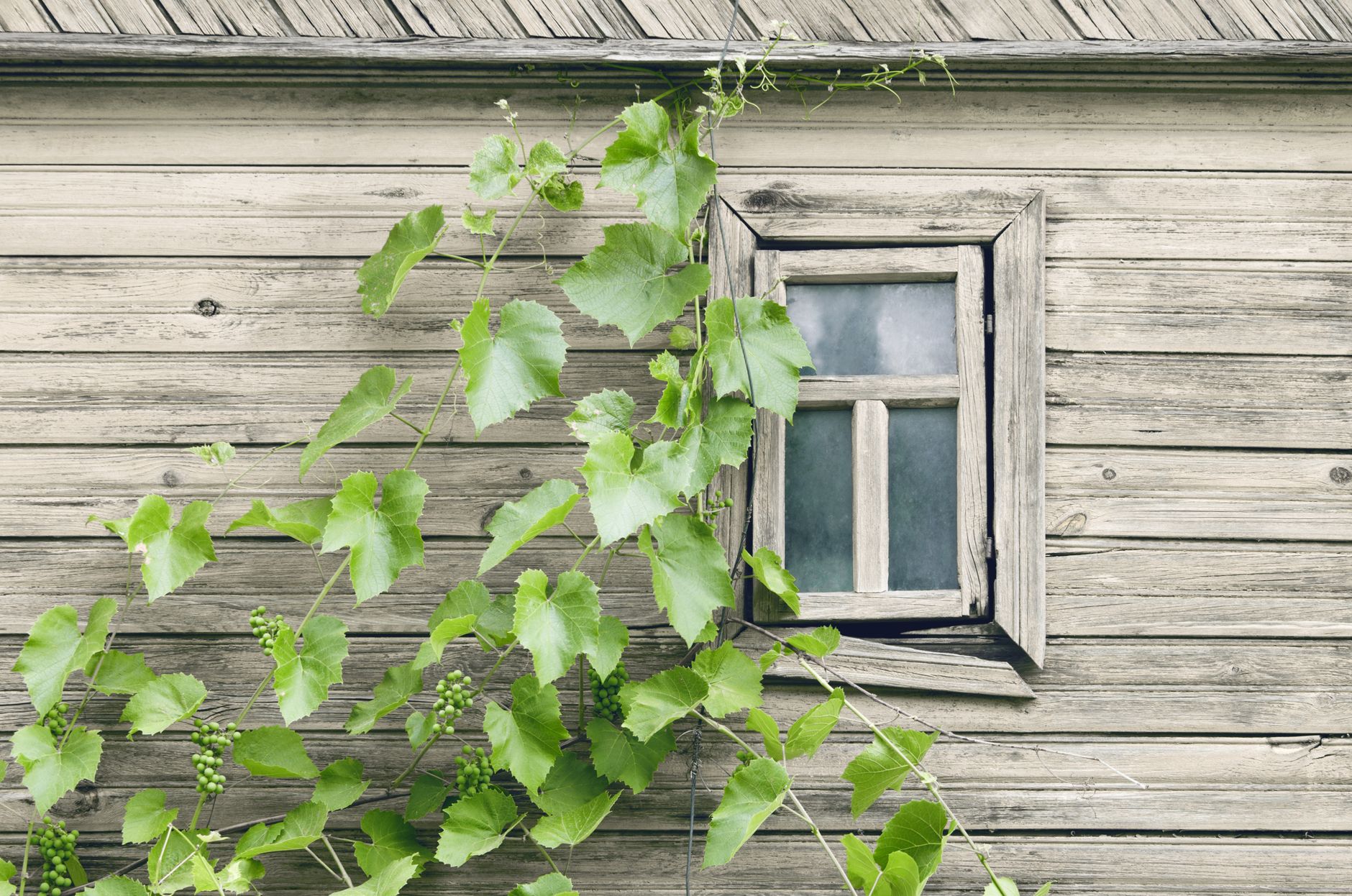

Deer resistant vines are climbing plants that deer usually skip because they taste bitter, smell strong, or feel rough and tough to eat. No vine is completely safe in a hungry yard, but the right choice can keep covering a fence, wall, or arbor long enough to matter.
Use this overview to compare climbers for deer-heavy yards, choose plants for sun or shade, and decide where jasmine, evergreen vines, and fast growers fit best.
Why Deer Leave Some Vines Alone
Deer often test plants with their noses before they start browsing. Aromatic leaves, milky sap, bitter compounds, thorny stems, and rough foliage all suggest a meal that costs too much effort, so they usually move on to softer growth nearby.
That signal still has limits. Deer resistant vines usually mean less palatable, not untouched, and a hard winter or heavy herd pressure can change the outcome quickly. A vine that stays safe in May may get clipped in February when food is scarce.
Plant chemistry shapes the menu
Milky sap in trumpet vine, bitter compounds in Virginia creeper, and dense, leathery leaves all affect how deer sample a plant. NC State Extension and the University of Maryland Extension both note that browsing shifts with local forage, so your zip code matters as much as the plant name.
Season and herd density change the odds
Spring growth is tender, so deer reach for it first. Late summer can be easier on a vine bed if acorns, weeds, or shrubs are available nearby. High population density raises browse pressure, which means the same plant can go from ignored to clipped in one season.
That’s why the most useful plant list starts with species that hold up under pressure, not just species that sound tough on paper. Next, it helps to sort out which climbers actually earn that reputation in real yards.
That pressure shapes the shortlist, because some climbers hold up better than others in real gardens.
Climbing Plants Deer Usually Avoid
Under that pressure, some climbers stand out because deer pass them over while feeding on softer growth nearby. Climbing hydrangea, Virginia creeper, and trumpet vine appear again and again in deer-prone gardens because the foliage is coarse, bitter, or simply unappealing.
Climbing hydrangea starts slowly, but once it grips a wall or sturdy fence, its big leaves and peeling bark give it a presence deer tend to ignore. Virginia creeper grows faster and asks for less fuss, which matters along long fence runs where you want coverage without constant replanting.
Flowering vines that hold their own
Trumpet vine produces orange-red tubes that hummingbirds love, and deer dislike the fibrous stems enough to leave it alone more often than softer vines. Honeysuckle can work in some sites too, but species and local pressure matter, because not every form behaves the same in a browse-heavy yard.
These flowering vines for deer-prone gardens bring color without turning the planting into an easy meal. Vigorous growers can also bounce back after a little damage, which helps in yards where young tips get nipped before the plant hardens off.
Why strong growers recover better
Trumpet vine grows fast, so a clipped tip rarely ruins the whole season. That recovery trait matters because deer often sample the newest tissue, which is also the part a vine can replace fastest. A plant that regrows after browsing gives you a margin slower woody climbers can’t match.
From there, the question shifts from bloom power to year-round structure, especially on walls and fences that stay visible through winter. That’s where evergreen choices start to earn their place.
Once flowers fade, winter presence matters most, and evergreen vines begin to stand out.
Evergreen Choices and Shade-Tolerant Performers
Evergreen vines deer won’t browse as often give you structure in January, not just flowers in June. In USDA hardiness zones where winter strips most beds bare, that steady foliage matters along entry walls, covered fences, and north-facing spans.
Evergreen climbers also change the visual rhythm of a garden. Dense foliage can soften a blank wall, but it can also block light, trap moisture, and crowd nearby shrubs, so the plant has to fit the wall as well as the weather.
Evergreen foliage that holds shape
Winter structure comes from leaves that stay on the plant and keep their shape under cold wind. Climbing euonymus and English ivy can stay green in sheltered spots, though local deer pressure and invasive behavior need a careful look before you plant either one.
RHS Award of Garden Merit selections often get that label because they perform well under real garden conditions, not because they solve every browsing problem. That kind of reliability matters most on front-facing structures where bare stems look rough for months at a time.
Shade-tolerant climbers for low light
North walls, woodland edges, and porch posts with only dappled sun are exactly where these climbers earn their keep. Climbing hydrangea fits that setting well, and Virginia creeper tolerates it too, which gives you options where many flowering vines thin out.
Light still controls the final result. Dense shade can stretch stems, reduce bloom, and leave you with thin fence coverage, so the right vine needs enough light to stay full without forcing you into a sun-baked site it can’t handle.
| Vine | Light Need | Deer Pressure Fit |
|---|---|---|
| Climbing hydrangea | Part shade | Good for heavy browse areas and north walls |
| Virginia creeper | Sun to shade | Useful for fast cover and rough sites |
| Trumpet vine | Full sun | Strong regrowth after clipped tips |
| Jasmine | Sun to part shade | Works best with local monitoring |
That mix shows the tradeoff clearly, and it leads straight into placement. A good vine in the wrong site still struggles, no matter how unappealing it looks to deer.
Placement can undo even a promising vine, since exposure and support often decide whether it thrives.
Matching the Vine to Site and Support
Climate, sun exposure, and hardiness zone should shape your plant list before deer pressure does. A plant that suits your zone and light level will establish faster, and established growth stands up better than stressed growth on any fence or arbor.
The support matters too. A trellis, arbor, pergola, or fence line each asks for a different growth habit, and a vine that outruns the structure can get tangled, woody, or lopsided before you notice the problem.
Support type changes vine behavior
Fence coverage calls for a vine that can spread laterally without becoming a strangler. Arbors need a plant with enough stem strength to climb upward and drape, while pergolas can carry heavier loads and reward a more vigorous grower like trumpet vine.
Thin lattice and young wire panels can’t carry heavy woody stems for long, so a slow starter like climbing hydrangea often works better on a solid wall or stout post. That match between stem weight and support keeps your planting from sagging after the third growing season.
Stake young vines lightly for the first season, and keep the trunk clear so deer cannot nip the tender tip at ground level. A simple cage or temporary mesh can save months of growth.
Young plants need extra protection
New transplants are more vulnerable than mature vines because the stems sit low, the root system is small, and the leaf mass is easy to reach. Deer often graze that tender zone before the plant has enough reserves to recover quickly.
A short fence ring, sturdy mesh, or raised planting spot can buy time while roots anchor. Once the vine gains height, browse damage tends to shift upward or fade, which is why the establishment year deserves close attention.
Jasmine fits into that same decision tree, but only with the right expectations, since fragrance does not equal immunity. That’s where the plant name gets more complicated.
Fragrance often blurs the picture, which is why jasmine needs a closer look in deer-prone spaces.
Where Jasmine Fits in a Deer-Heavy Garden
Jasmine vine deer resistance is real in some settings and weak in others. Many jasmine types smell strong enough to seem safe, yet deer behavior still changes with local food supply, so fragrance lowers risk without removing it.
That matters because jasmine brings ornamental value that other climbers can’t match: narrow leaves, pale flowers, and a clean scent near a porch or path. Still, a persistent herd can sample even the plants that usually get skipped.
Fragrant vines deer tend to skip
Star jasmine and some true jasmines are less appealing than tender bean vines or lush annual climbers. Their aromatic leaves and tighter growth habit help, which is why they often show up in sheltered courtyards and along entry trellises.
Jasmine plants also do better in warm, protected sites with decent sun, so the plant that stays tidy in one yard can flop in another. That local response is why NC State Extension and the University of Maryland Extension both push site fit over wishful plant lists.
Cases that need closer watch
In high-pressure deer areas, jasmine should be treated as a trial plant, not a sure thing. A small planting lets you see whether local deer pass it by or sample new shoots after rainfall or drought shifts the food supply.
Clematis can fill a similar niche in some gardens, especially on a trellis where blooms matter, but local deer response varies by cultivar and pressure. A cautious start with one plant or one short run tells you more than a whole fence of unproven vines.
That trial mindset also helps when you start mixing vines with other layers, because borders work best when they give deer less reason to linger. The next layer is design, not just plant choice.
Borders become more effective when each layer discourages browsing and interrupts the deer’s routine.
Designing a Border Deer Are Less Likely to Browse
A mixed border makes browsing harder to notice and less rewarding for deer. Shrubs, groundcovers, containers, and climbers create layers that shift the feeding pattern, so your fence line doesn’t present one soft buffet at eye level.
Trailing plants answer the spiller question here. Sweet potato vine can be showy in containers, but it draws browsing in many yards, while trailing rosemary, creeping Jenny, and sedum spill cleanly from pots or walls in different ways depending on sun and moisture.
Layered planting reduces risk
Place deer-resistant vines behind shrubs that break line of sight, then use groundcovers to cover open soil. The deer has to move, sniff, and sample more surfaces, which makes the planting feel less like one easy target and more like a mixed edge.
That same layering boosts recovery after damage. A clipped vine backed by shrubs or perennials still contributes texture, and a container at the base can soften the transition while the climber fills in.
Recovery matters as much as taste
The most effective choices are the ones that fit your site, tolerate local conditions, and rebound after a hit. Climbing hydrangea, Virginia creeper, and trumpet vine each fill that role in different ways, which is why a single plant list rarely suits every yard.
Deer-resistant vines work best as part of a border plan, not as a stand-alone fix. Once you match the vine to sun, support, and climate, you get a planting that keeps its shape longer and asks less of you through the season.
Those choices add up to a sturdier garden that keeps working with far less maintenance.
Wrap Up
The safest climbers are the ones deer find least worth the effort, not the ones deer never touch. Strong scent, bitter sap, tough foliage, and fast regrowth all help, but your best results still come from matching the vine to the wall, the light, and the local herd.
FAQ
What climbing vine will deer not eat?
Nothing stays untouched in every yard, but climbing hydrangea, Virginia creeper, and trumpet vine are solid starting points in high-pressure areas. Their rough texture, bitter sap, or vigorous growth makes them less appealing than tender flowering vines.
What plant do deer hate most?
Seasonal food supply and local browse pressure mean no single plant is universally the one deer avoid most. Plants with strong scent, bitter compounds, milky sap, or coarse leaves often rank low on their menu, especially when better forage is nearby.
Is jasmine vine deer resistant?
Jasmine is less appealing in many gardens because of its fragrance and growth habit, but it is not immune. Local deer pressure matters, so a small trial planting is the safest way to judge how your yard responds.
Which vines are safest for fences and trellises in deer-heavy areas?
Climbing hydrangea suits sturdy fences and walls, Virginia creeper handles broad coverage, and trumpet vine works on stronger trellises or pergolas. Young vines need temporary protection until the stem and root system gain size.
Do deer avoid evergreen vines more than flowering vines?
Evergreen foliage can help because it is often tougher and less seasonal, but deer still sample plants based on hunger and local pressure. Flowering vines can be safe too, especially when scent, texture, or sap makes them less appealing.